Japanese Vegan Wagashi: Traditional Plant-Based Confections
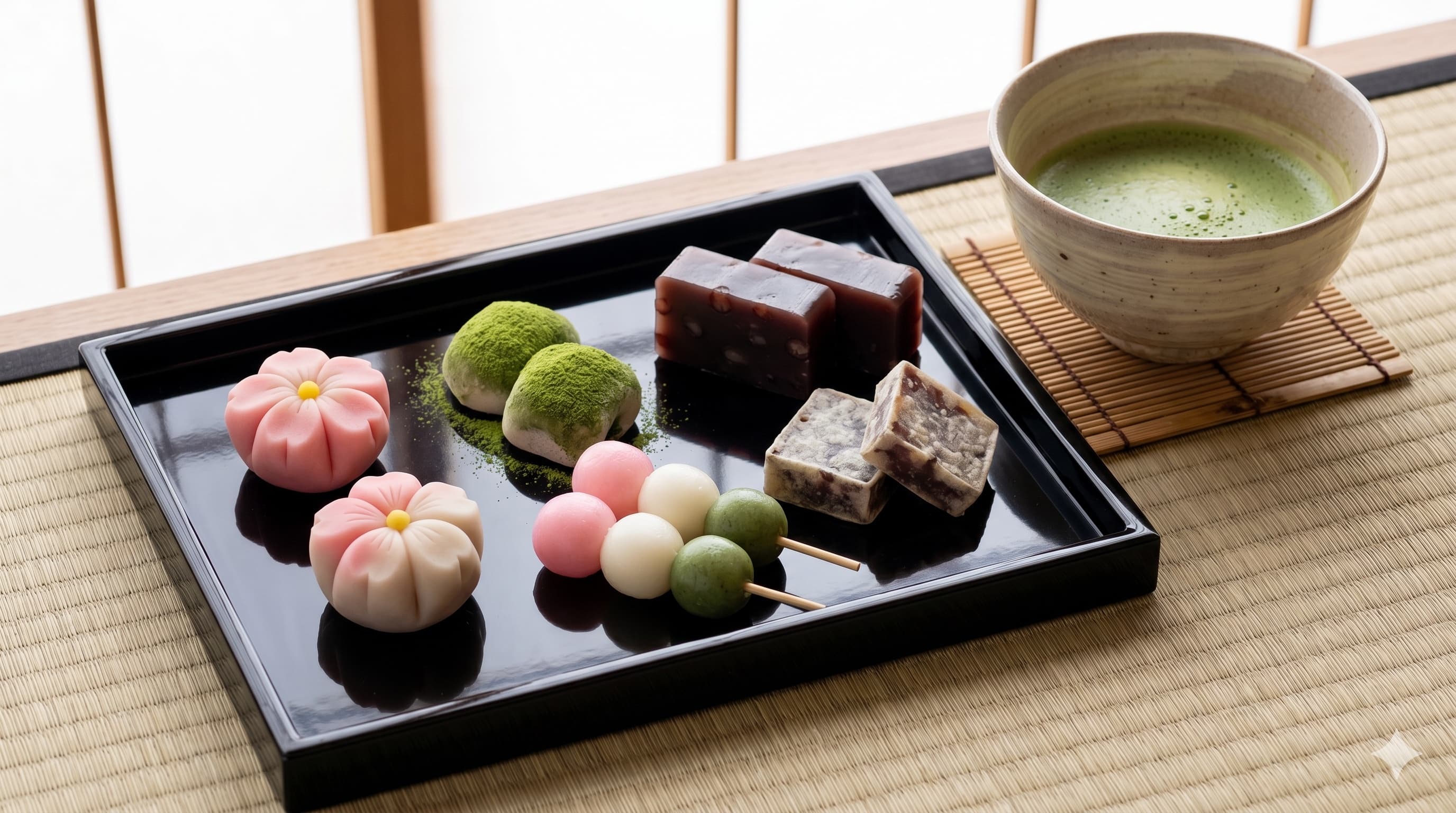
What Is Wagashi?
Wagashi (和菓子) is the term for traditional Japanese confections, as distinguished from Western-style sweets (yogashi). Wagashi have been developed over centuries alongside Japanese tea culture — they are traditionally served with matcha or other Japanese teas, their sweetness designed to complement the slight bitterness of the tea. What makes wagashi particularly relevant for plant-based eaters is that the vast majority of traditional wagashi are naturally vegan, made from plant-based ingredients like rice, azuki beans, sugar, agar, and various starches.
Anko: The Heart of Wagashi
Anko, sweet red bean paste made from azuki beans, is the single most important ingredient in wagashi. Azuki beans are simmered until soft, then mashed and sweetened with sugar. The two main types are koshian (smooth, strained paste with skins removed) and tsubuan (chunky paste with whole or partially mashed beans). White bean paste (shiroan), made from white kidney beans or lima beans, is also common and is used when a lighter color is desired.
Making good anko is a fundamental skill in wagashi production. The beans must be cooked until perfectly tender, and the ratio of sugar to beans must balance sweetness against the earthy flavor of the beans. Well-made anko is rich but not cloying, sweet but with depth — a far cry from the overly sugary versions sometimes found outside Japan.
Mochi-Based Wagashi
Mochi — glutinous rice pounded into a smooth, elastic dough — forms the basis of many wagashi:
- Daifuku: Soft mochi wrapped around a filling of anko, sometimes with a fresh strawberry inside (ichigo daifuku). Daifuku is perhaps the most widely consumed wagashi.
- Kashiwa mochi: Mochi filled with anko and wrapped in an oak leaf, traditionally eaten during Children's Day (May 5). The leaf imparts a subtle fragrance.
- Sakura mochi: A pink-tinted rice cake wrapped in a salt-preserved cherry leaf, associated with spring and cherry blossom viewing. There are two regional styles: the Kansai version uses a smooth mochi, while the Kanto version uses a crepe-like wrapper made from ground glutinous rice.
- Warabi mochi: Made from bracken starch (warabiko) rather than rice, warabi mochi has a uniquely jiggly, translucent texture. It is dusted with kinako (roasted soybean flour) and drizzled with kuromitsu (black sugar syrup).
Yokan: Jellied Bean Paste
Yokan is a firm, sliceable jelly made from anko set with agar (kanten), a plant-based gelling agent derived from seaweed. Neri-yokan is the dense, standard form, while mizu-yokan (water yokan) is a softer, more refreshing version served chilled in summer. Yokan comes in many flavors beyond plain azuki — matcha yokan, chestnut yokan, and sweet potato yokan are common variations. Yokan has an excellent shelf life, making it a practical gift and a traditional offering for formal occasions.
Nerikiri: Edible Art
Nerikiri are perhaps the most visually stunning wagashi — sculpted confections made from shiroan (white bean paste) mixed with gyuhi (a soft, pliable mochi). The resulting dough can be shaped, molded, and tinted with natural food colorings to create miniature representations of flowers, fruits, leaves, and seasonal motifs. Nerikiri are closely associated with the tea ceremony, where they are chosen to reflect the season: cherry blossoms for spring, hydrangeas for early summer, chrysanthemums for autumn, and camellia for winter. Creating nerikiri is considered an art form, requiring both confectionery skill and aesthetic sensibility.
Dango
Dango are small, round dumplings made from rice flour (typically a blend of regular and glutinous rice flour), formed into balls, skewered on sticks, and served with various toppings. Mitarashi dango are coated in a sweet soy sauce glaze. Anko dango are topped with sweet red bean paste. Sanshoku dango — three dumplings in pink, white, and green — are associated with spring and cherry blossom season. Dango are a casual, accessible wagashi sold at festivals, convenience stores, and tea shops.
Kanten (Agar) Desserts
Kanten, the Japanese name for agar (a gelling agent extracted from red seaweed), is used to make a variety of refreshing wagashi. Anmitsu is a popular summer dessert consisting of cubed kanten jelly, sweet azuki beans, fruit, and a drizzle of kuromitsu syrup. Tokoroten, kanten noodles served cold in a vinegar-soy dressing, is a traditional summer snack. Unlike gelatin, which is derived from animal collagen, kanten is entirely plant-based, making all traditional kanten desserts vegan.
Wagashi and the Seasons
More than any other aspect of Japanese cuisine, wagashi are tied to the seasons. The shapes, colors, flavors, and even names of wagashi change throughout the year, reflecting the natural world outside. Spring wagashi feature cherry blossoms and fresh green leaves. Summer wagashi are often translucent and water-themed, suggesting coolness. Autumn wagashi incorporate chestnuts, persimmons, and maple leaf motifs. Winter wagashi use warm tones and motifs of snow and pine. This seasonal sensitivity makes wagashi not just a food but a form of cultural expression — small, edible reminders to pay attention to the passing of time and the beauty of the natural world.