Blog
Guides, traditions, and techniques for Korean plant-based cooking
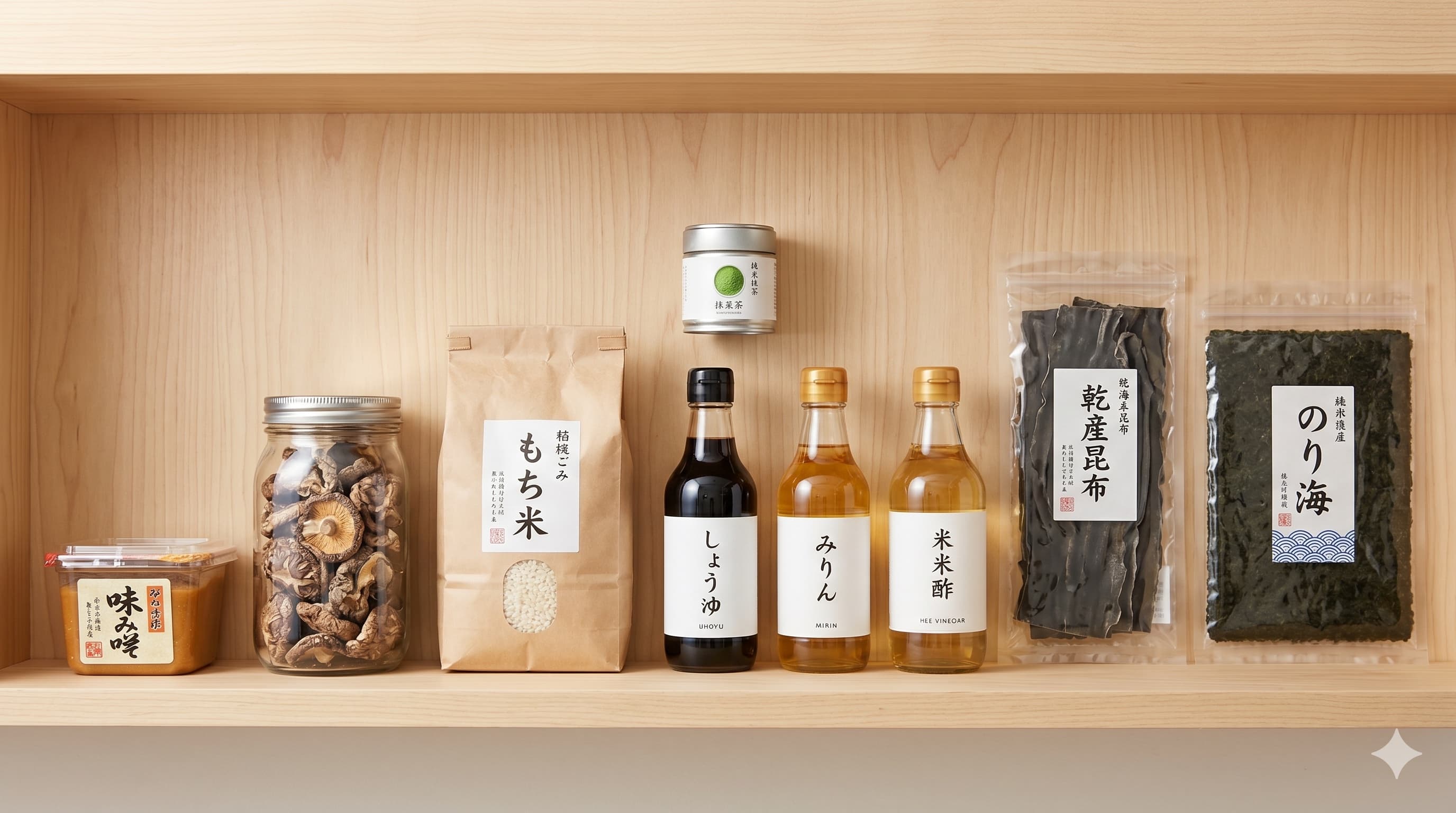
Essential Japanese Vegan Pantry: 10 Ingredients for Plant-Based Japanese Cooking
Stock these foundational Japanese ingredients to cook authentic plant-based dishes at home — from umami-rich kombu to silky fresh tofu.
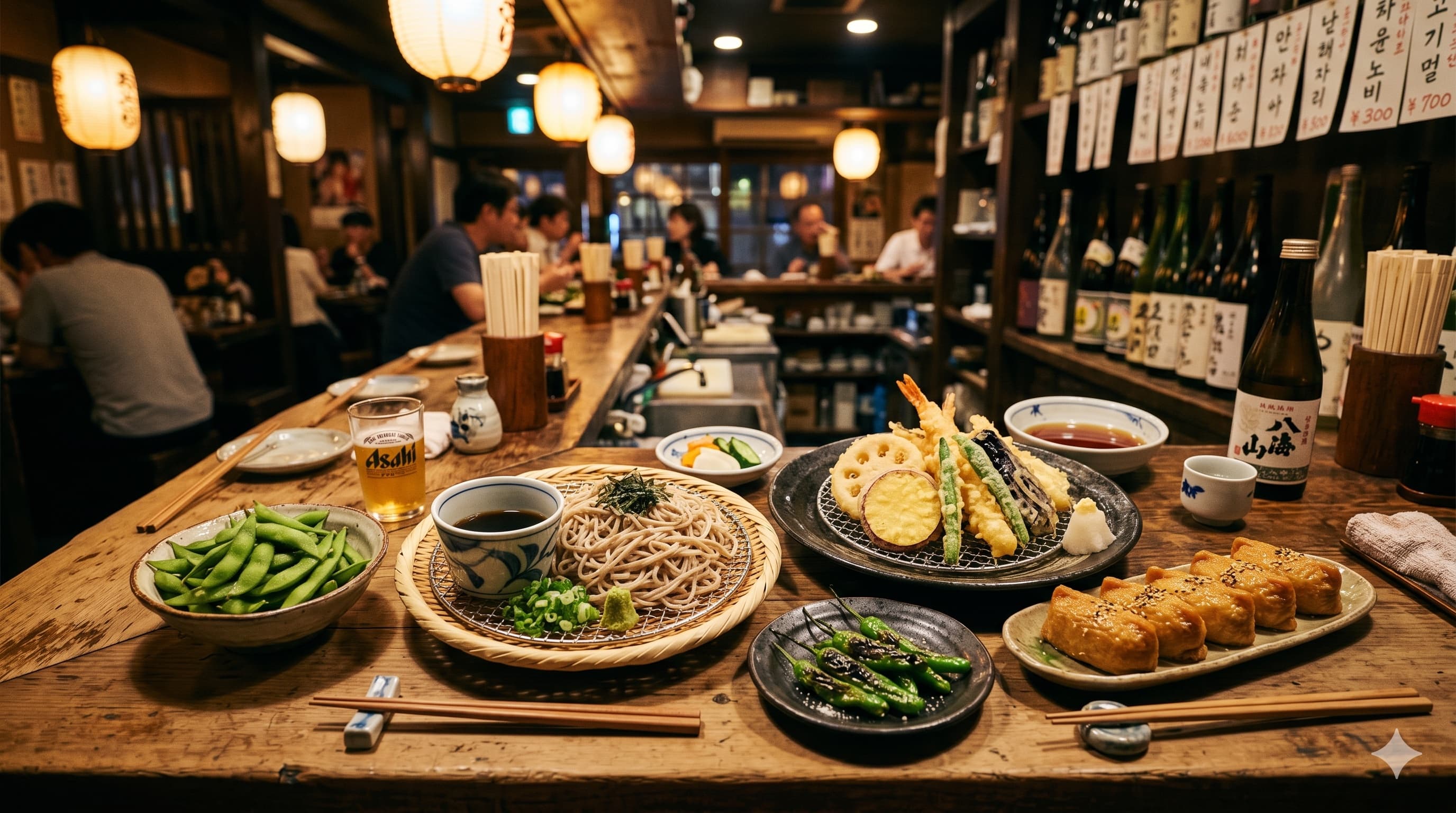
Eating Vegan in Japanese Cuisine: Hidden Ingredients and Safe Choices
Japanese food looks vegetable-heavy, but hidden dashi and bonito lurk everywhere. Learn to navigate Japanese cuisine as a vegan with confidence.
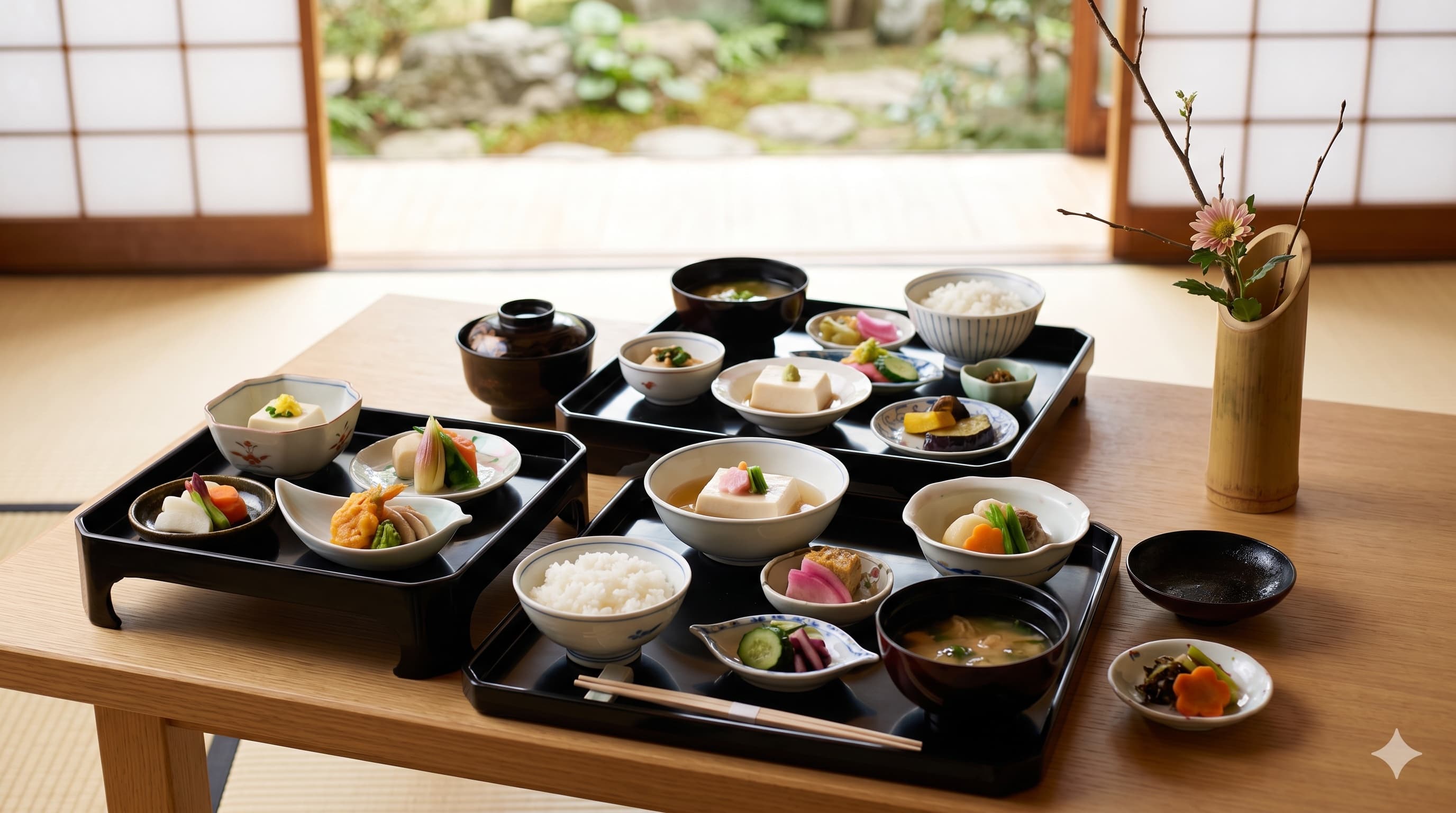
Shojin Ryori: The Complete Guide to Japanese Buddhist Vegetarian Cuisine
Discover Japan's ancient plant-based culinary tradition — from Zen monastery kitchens to modern fine dining, shojin ryori offers profound lessons in mindful cooking.
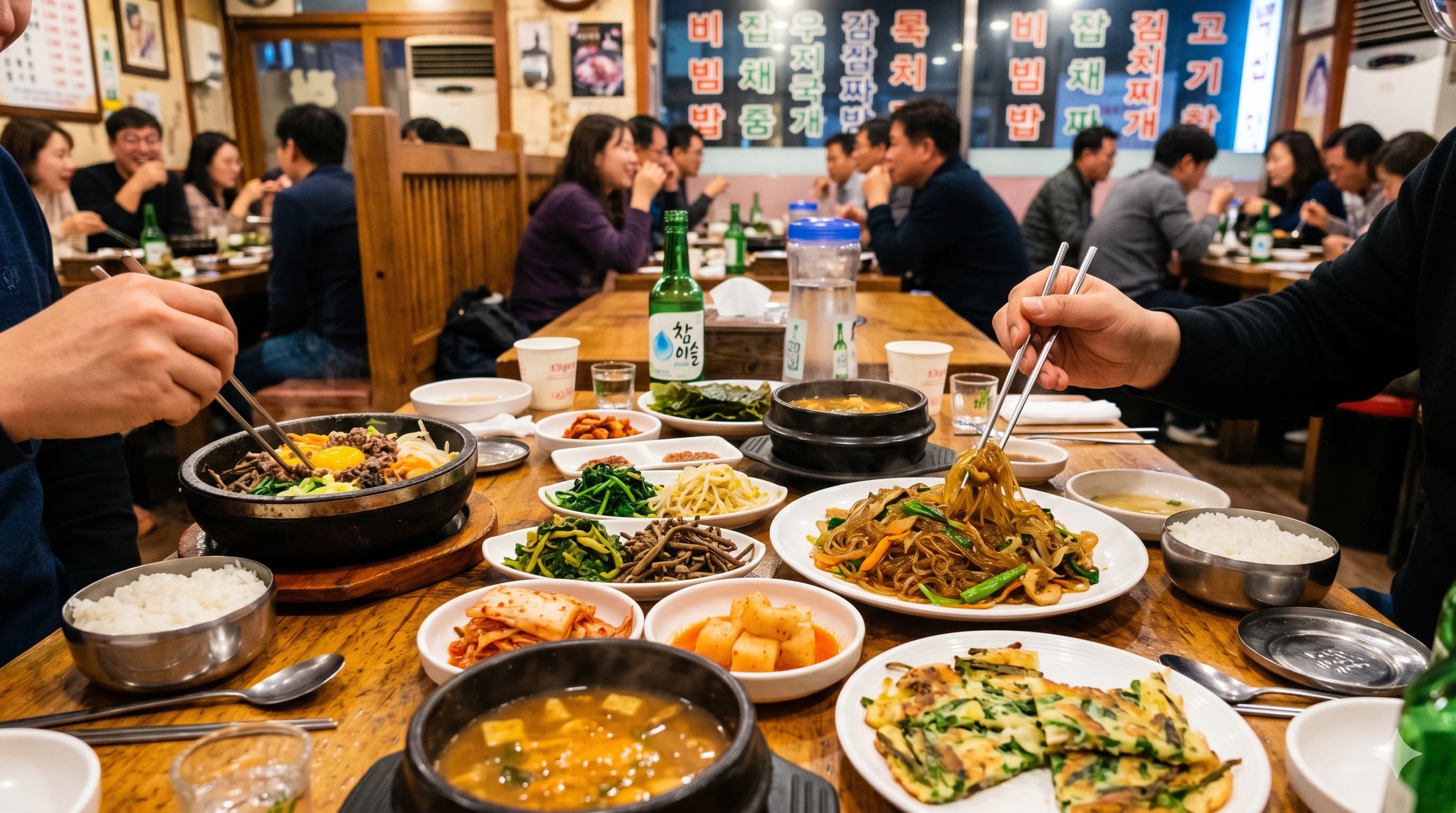
Eating Vegan at Korean Restaurants: A Complete Survival Guide
Navigate Korean restaurant menus confidently as a vegan — what to order, what to avoid, and useful Korean phrases to communicate your dietary needs.
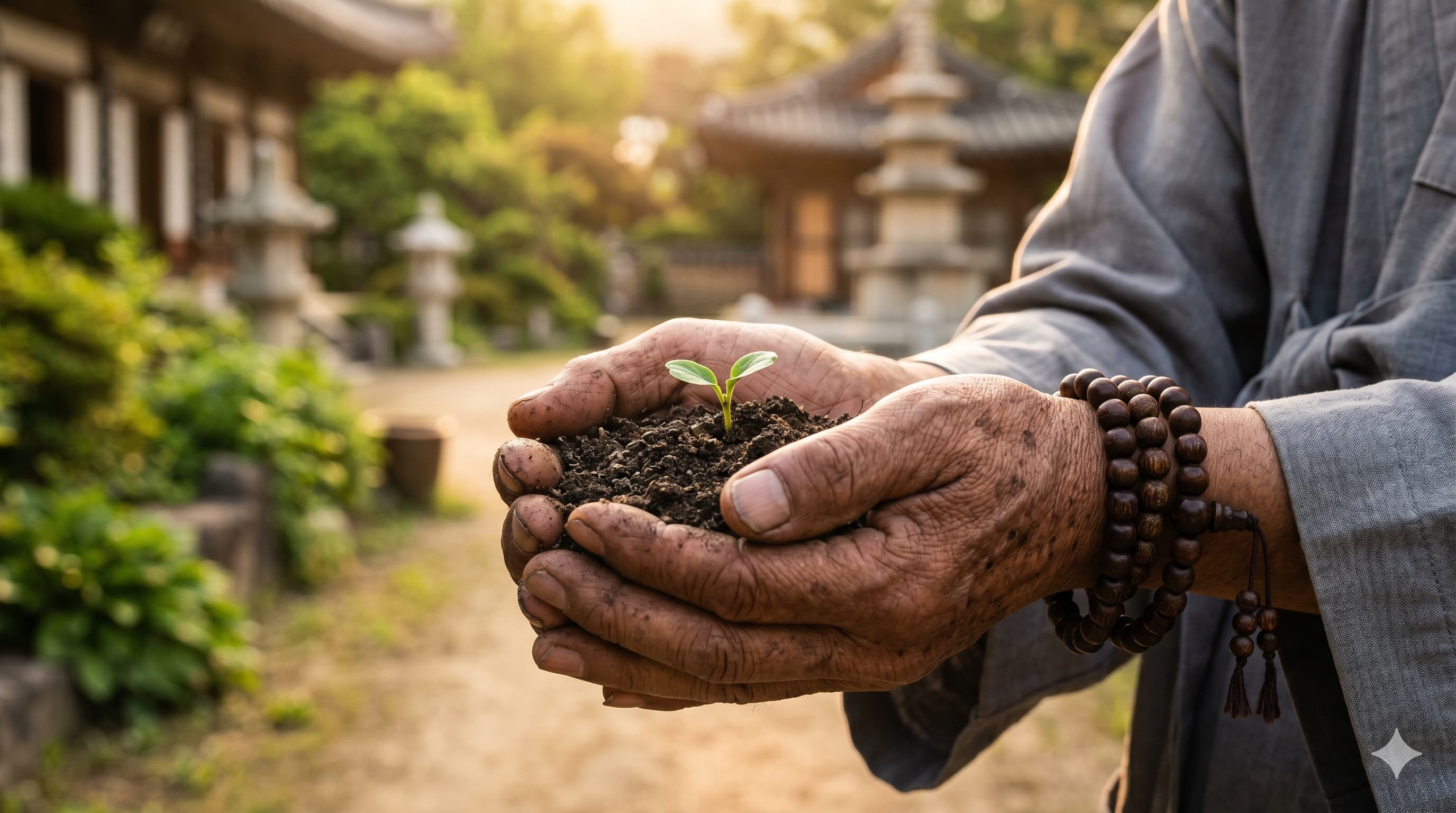
Ethical Veganism from a Buddhist Perspective: Beyond Just Diet
Buddhist ethics extend far beyond what's on your plate. Explore how Korean temple food practices illuminate a comprehensive approach to compassionate, mindful living.
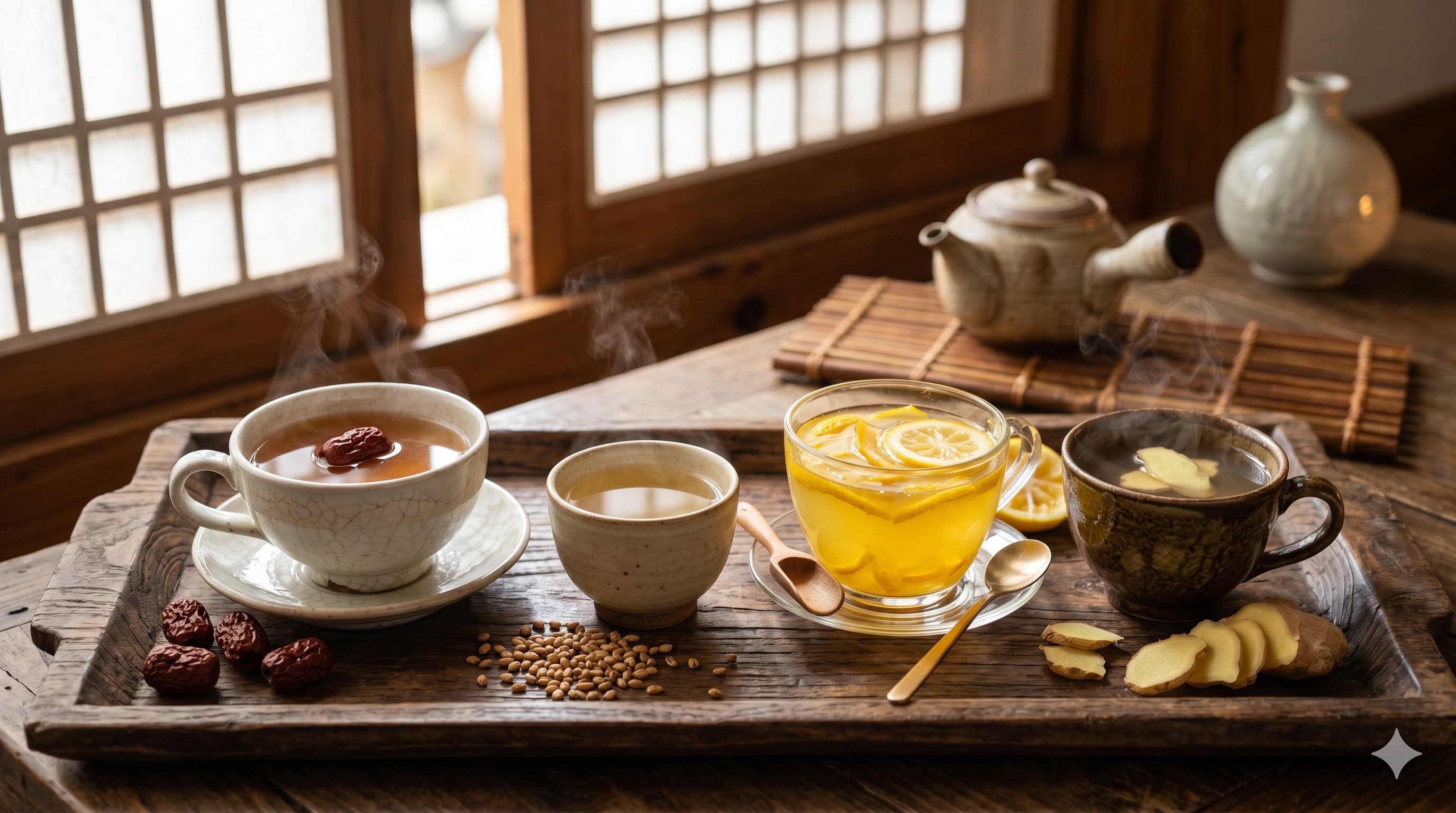
Korean Traditional Teas for Wellness: What Donguibogam Recommends
From jujube tea that calms the spirit to ginger tea that warms the core, discover Korean traditional teas through the lens of the Donguibogam's centuries-old wisdom.
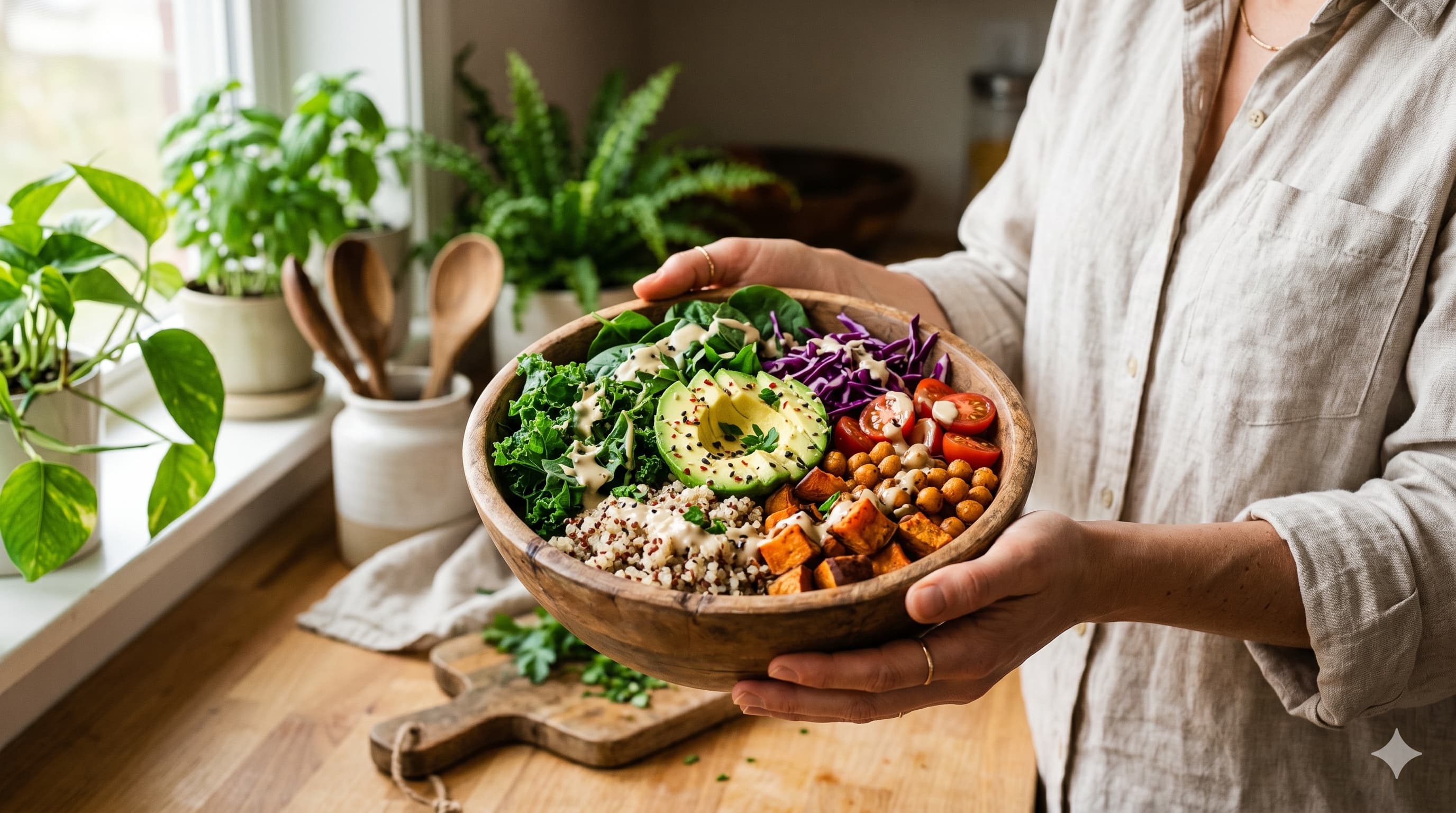
Plant-Based Diet for Beginners: A Step-by-Step Transition Guide
Ready to go plant-based? Here's a practical, judgment-free guide to transitioning at your own pace — from Meatless Mondays to fully vegan.
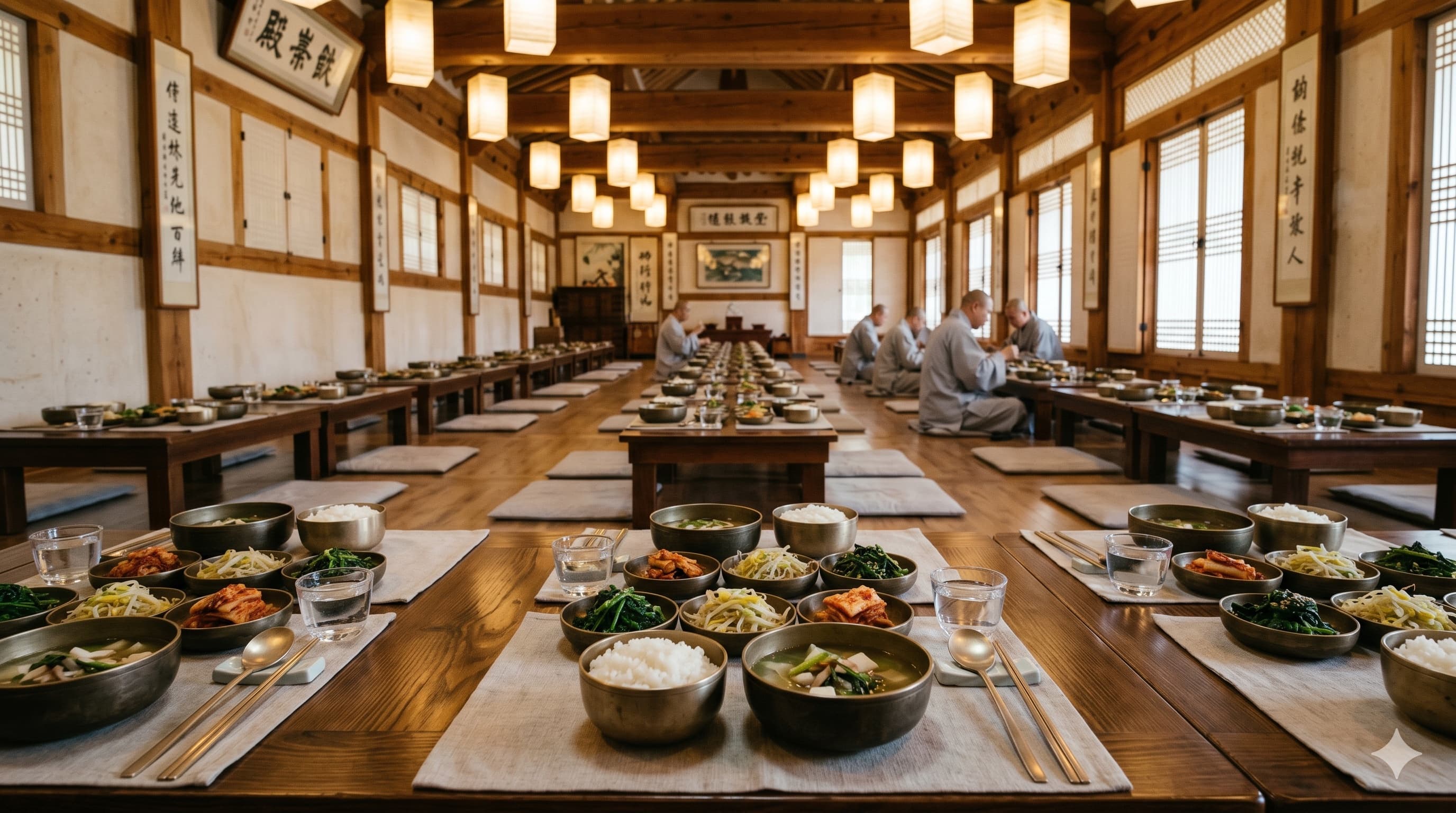
What You'll Eat at a Korean Temple Stay: A Food Lover's Guide
Planning a Korean temple stay? Here's everything you need to know about the food — from formal barugongyang meals to mountain-foraged namul and the quiet joy of monastic dining.
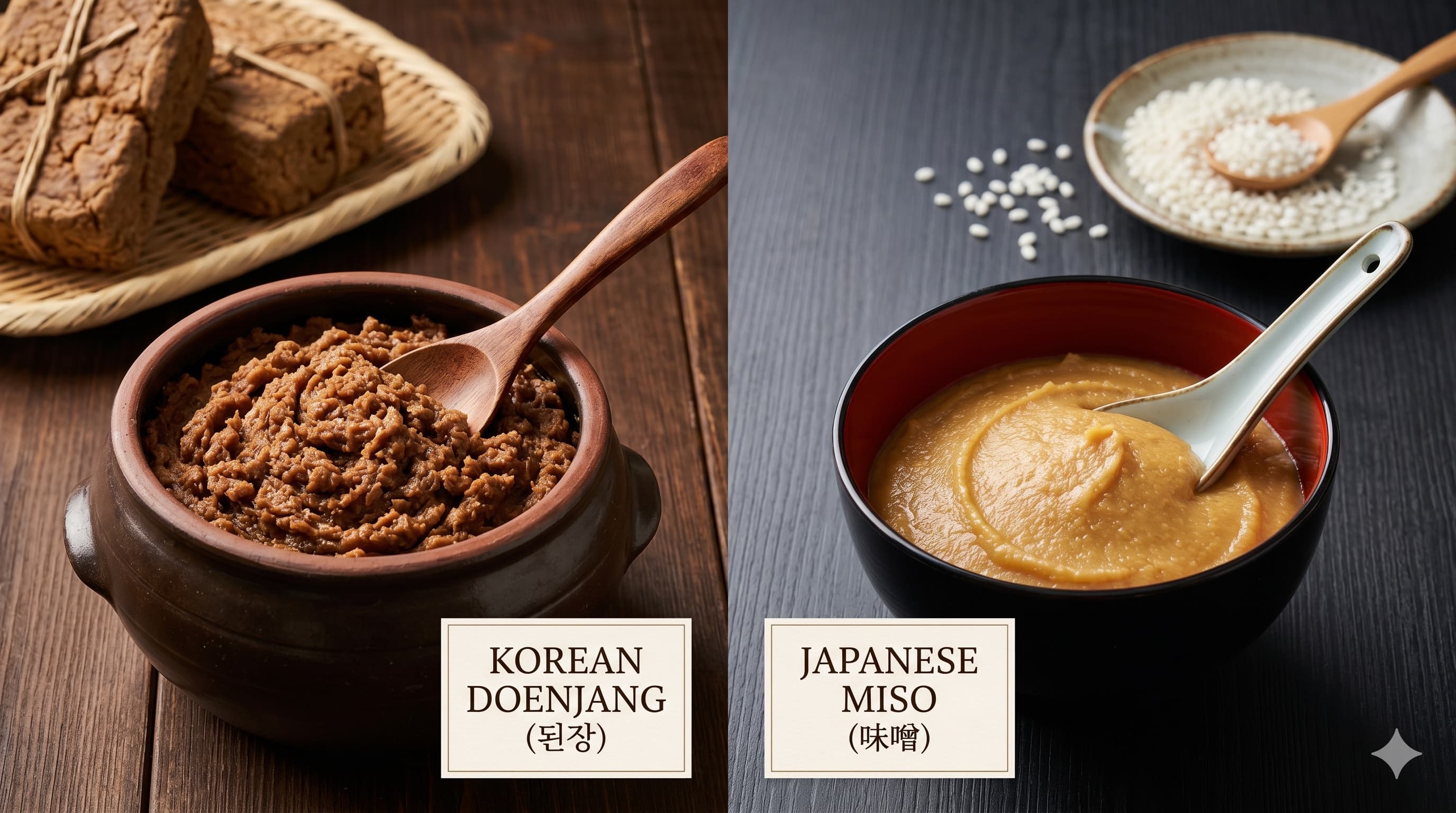
Doenjang vs Miso: Understanding Korea and Japan's Fermented Soybean Pastes
They look similar, but doenjang and miso are made differently, taste different, and serve different culinary purposes. Here's your complete comparison guide.

How to Veganize Korean Classics: Kimchi Jjigae, Japchae, and More
Love Korean food but want it plant-based? Here's your practical guide to replacing anchovy broth, fish sauce, and eggs in Korea's most beloved dishes.
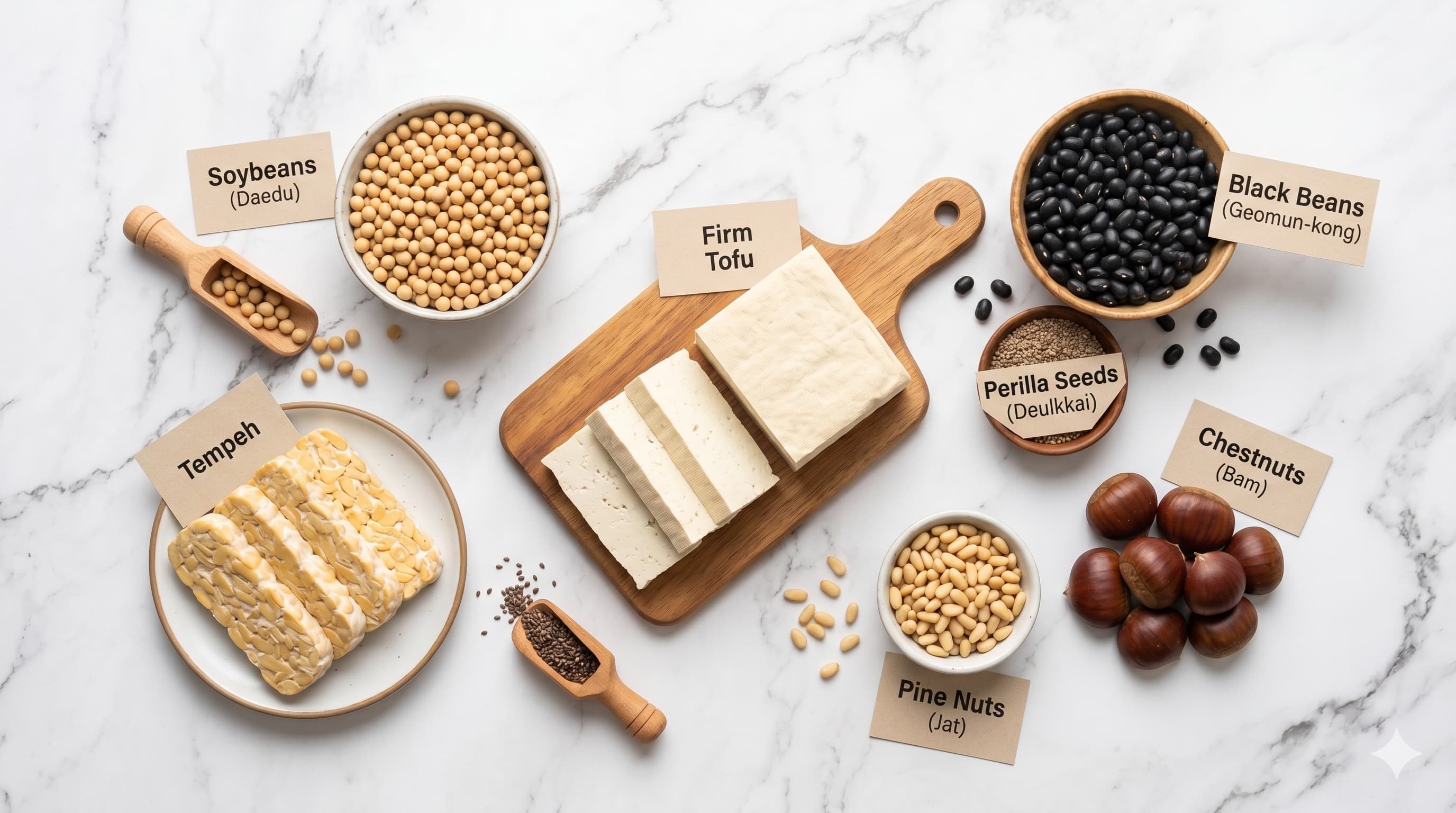
Vegan Protein: Debunking Myths with Korean Ingredients
Worried about protein on a plant-based diet? Korean cuisine has been providing complete plant nutrition for centuries through tofu, beans, seeds, and fermented foods.
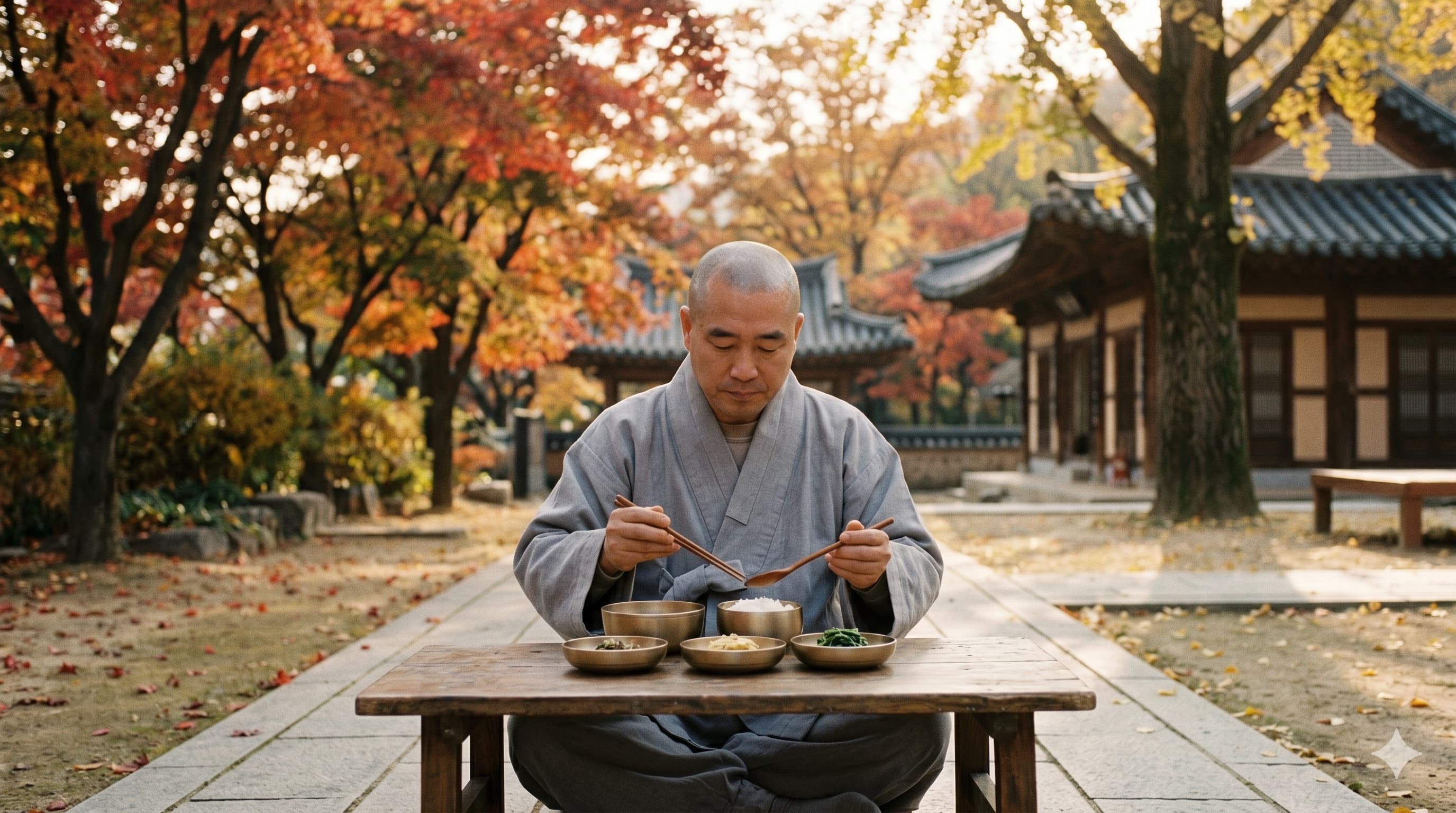
Korean Buddhism and Veganism: A 1,700-Year Tradition of Compassion
Long before modern veganism, Korean Buddhist monastics developed a complete plant-based culinary tradition rooted in compassion, mindfulness, and reverence for all life.
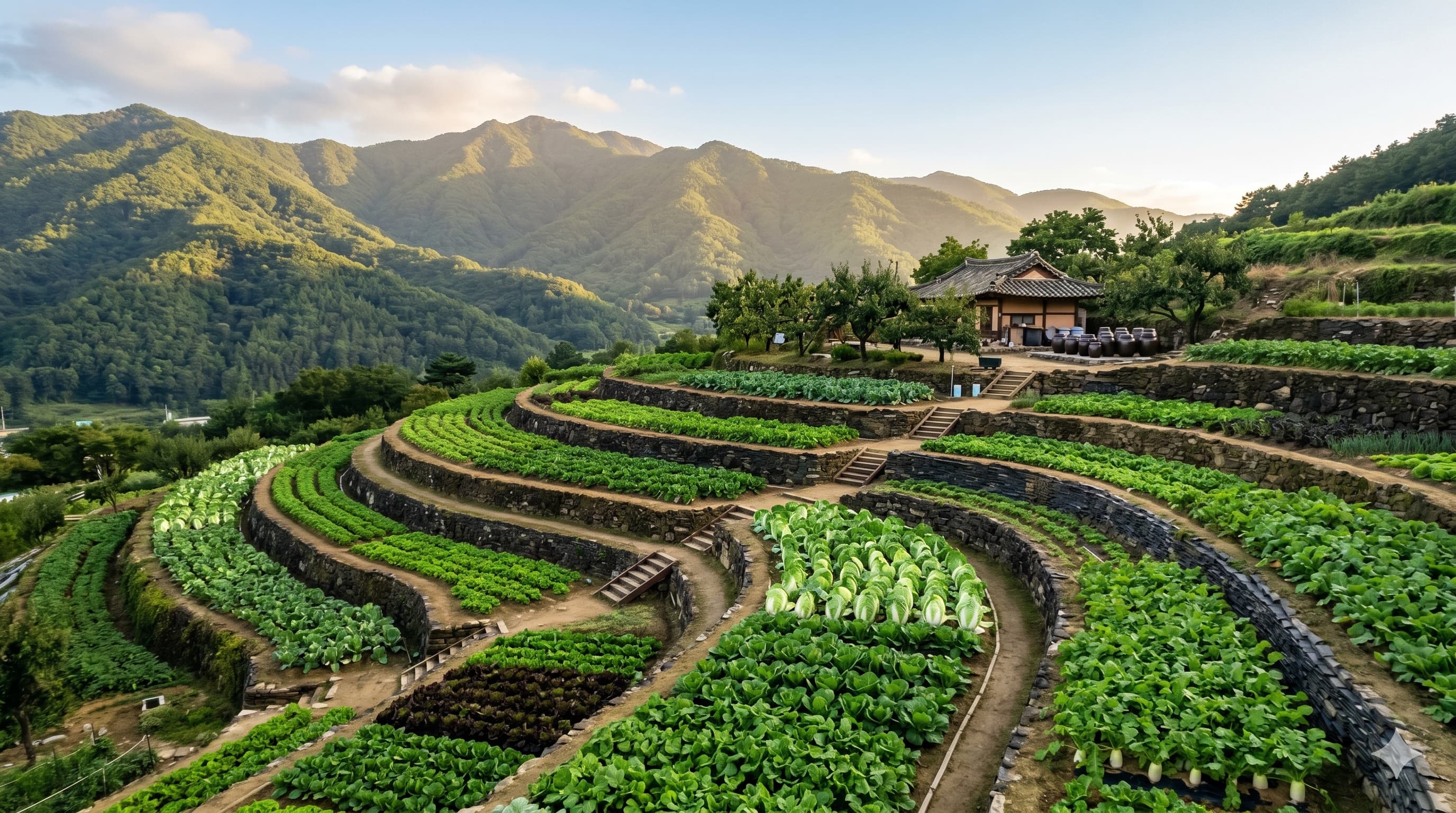
The Environmental Case for Veganism: How Your Plate Saves the Planet
Animal agriculture is a leading driver of climate change, deforestation, and water pollution. Learn how plant-based eating — inspired by Korea's zero-waste temple food — can make a difference.
Why Go Vegan? The Science-Backed Health Benefits of Plant-Based Eating
From reduced heart disease risk to increased longevity, the evidence for plant-based eating is overwhelming. Discover what science says — and what Korean monks have known for centuries.
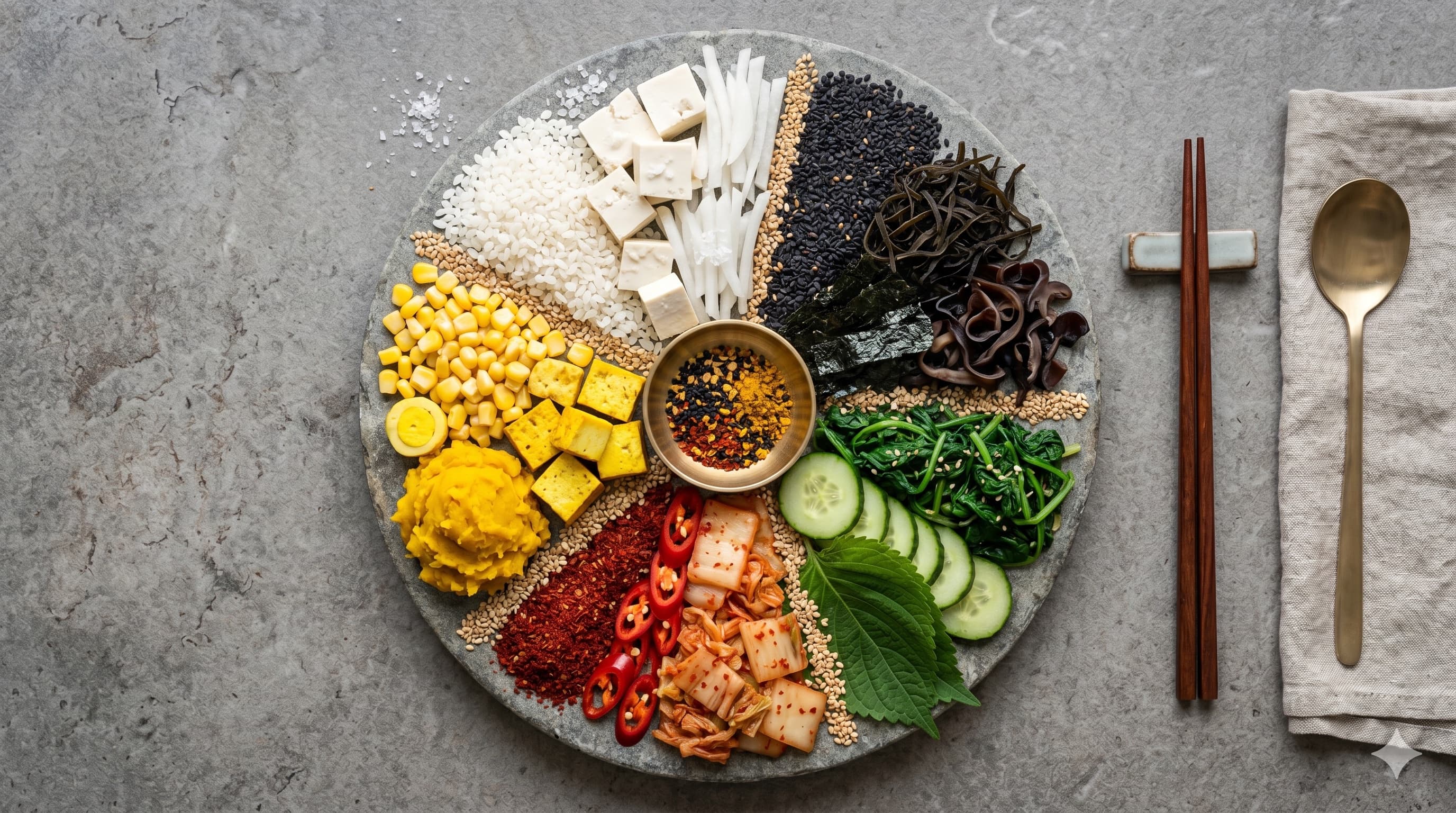
Understanding Obangsaek: The Five Colors of Korean Cuisine
Discover how the Korean philosophy of five colors (obangsaek) creates nutritionally balanced, visually stunning plant-based meals.
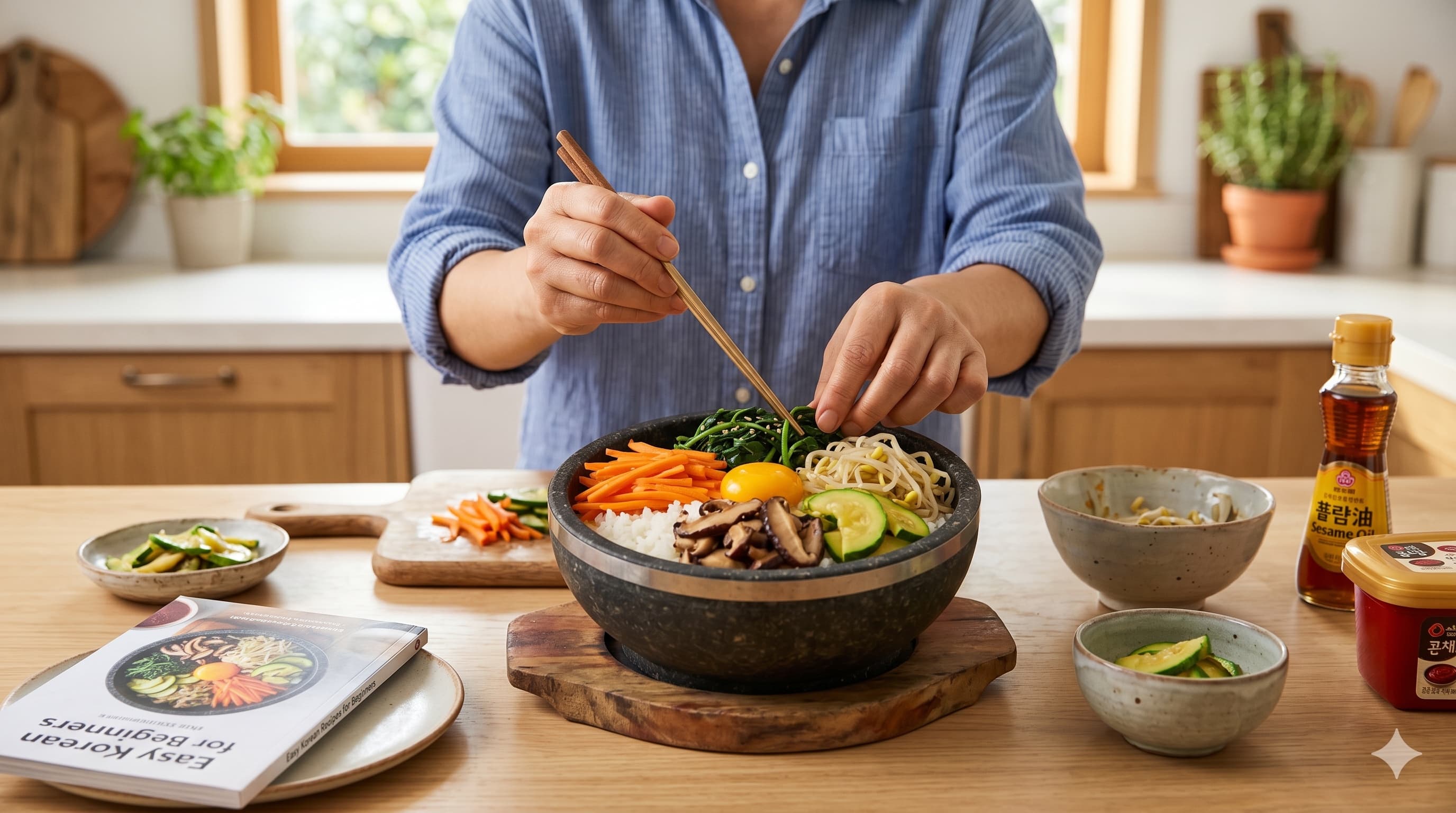
Complete Beginner's Guide to Korean Vegan Cooking
Everything you need to start cooking Korean plant-based food at home — essential techniques, must-have tools, common mistakes to avoid, and easy first recipes.
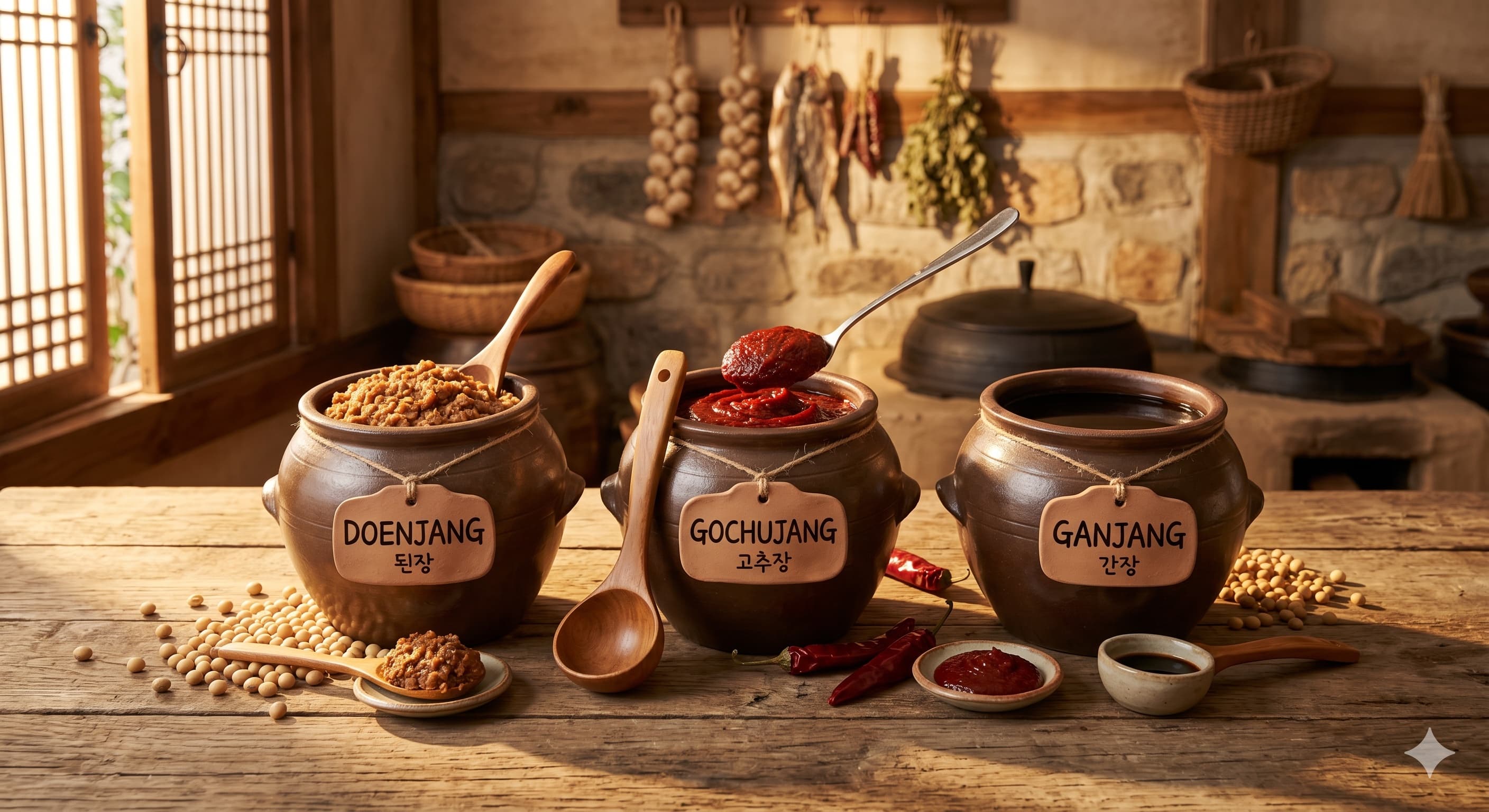
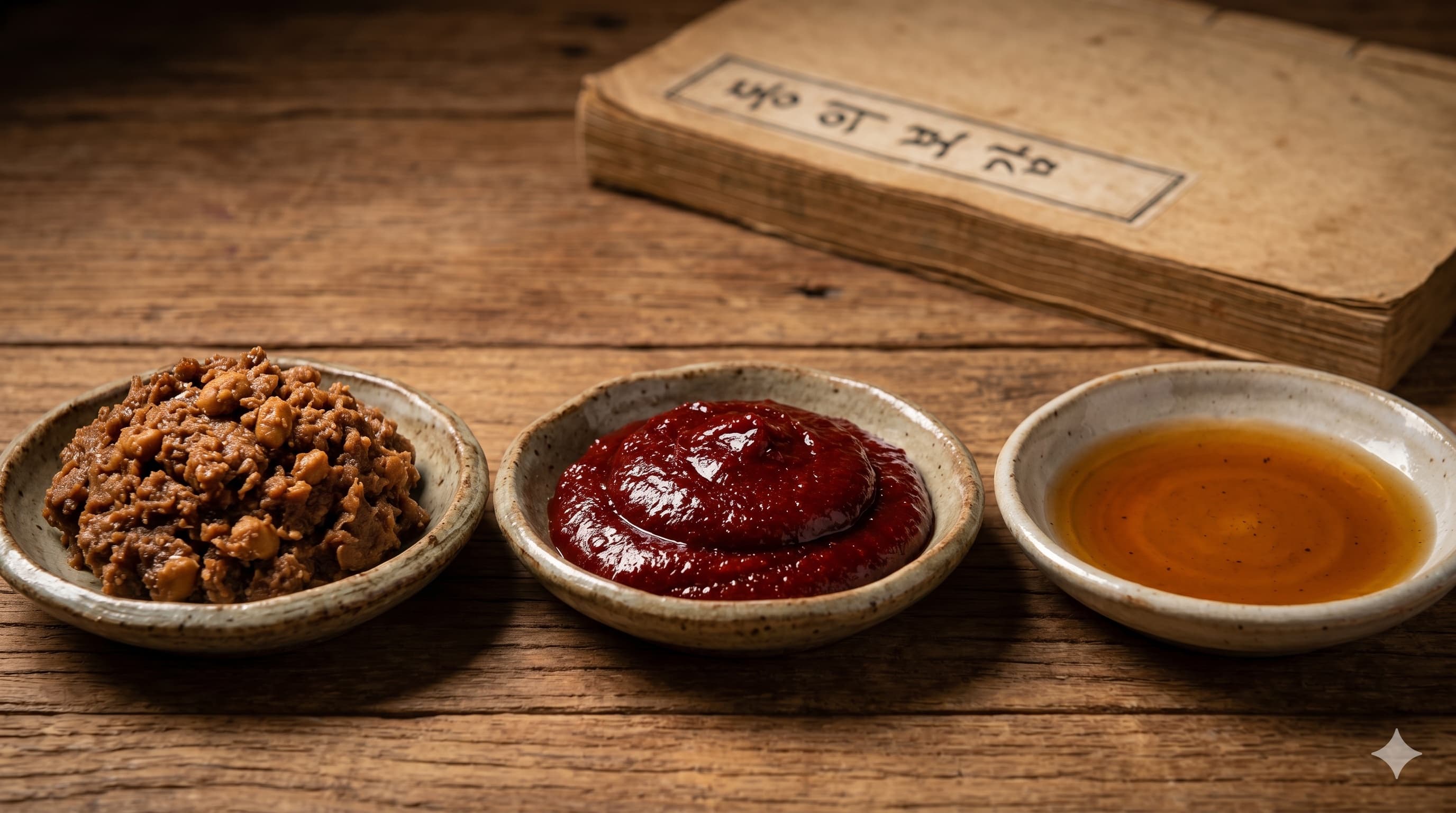
The Health Benefits of Korean Fermented Pastes: What Donguibogam Tells Us
Traditional Korean medicine has documented the healing properties of doenjang, gochujang, and ganjang for over 400 years. Here's what the Donguibogam reveals.
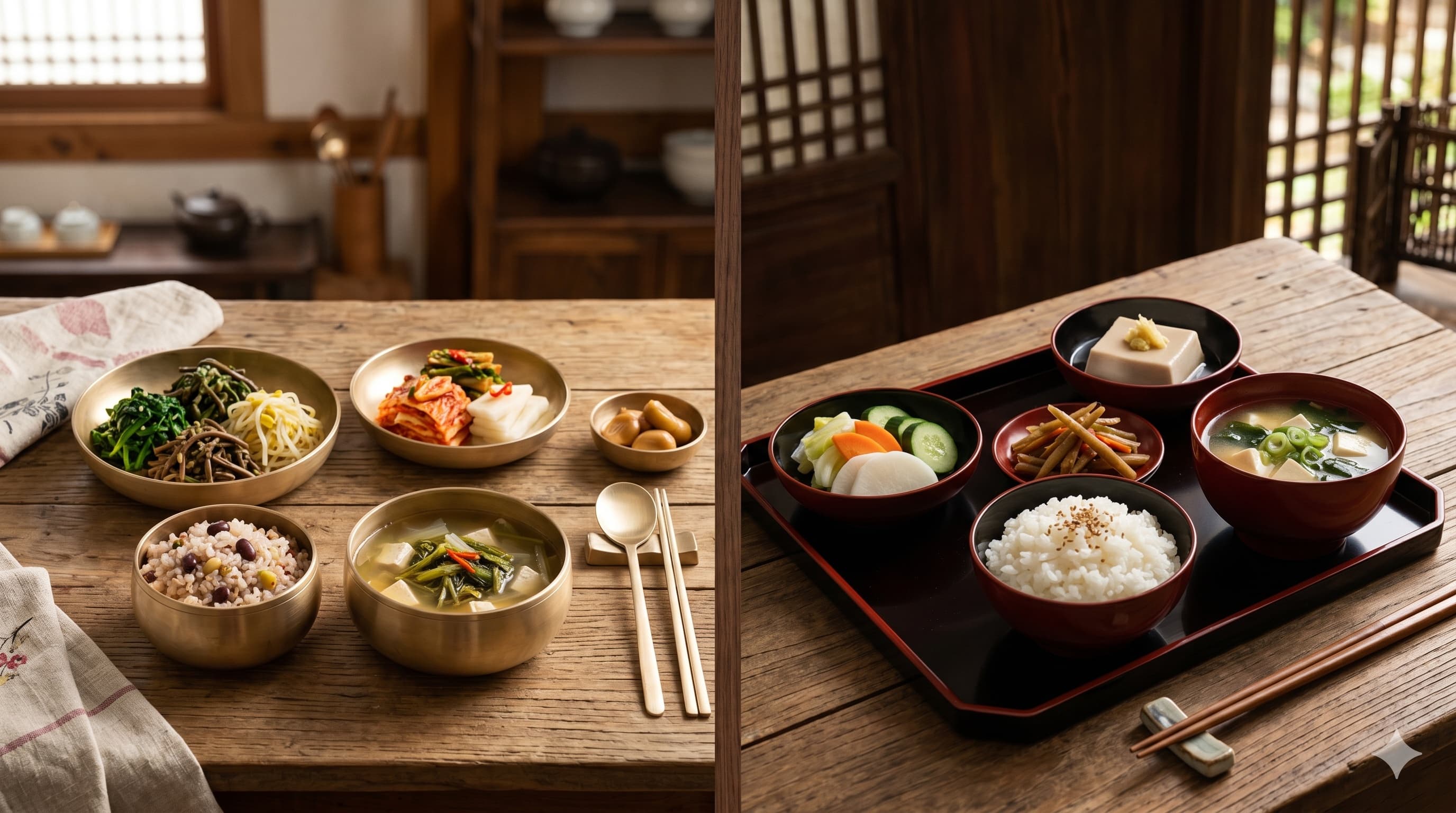
Korean Temple Food vs Japanese Shojin Ryori: Comparing East Asian Buddhist Cuisines
Two Buddhist culinary traditions, one shared philosophy — explore the similarities and differences between Korean sachal eumsik and Japanese shojin ryori.
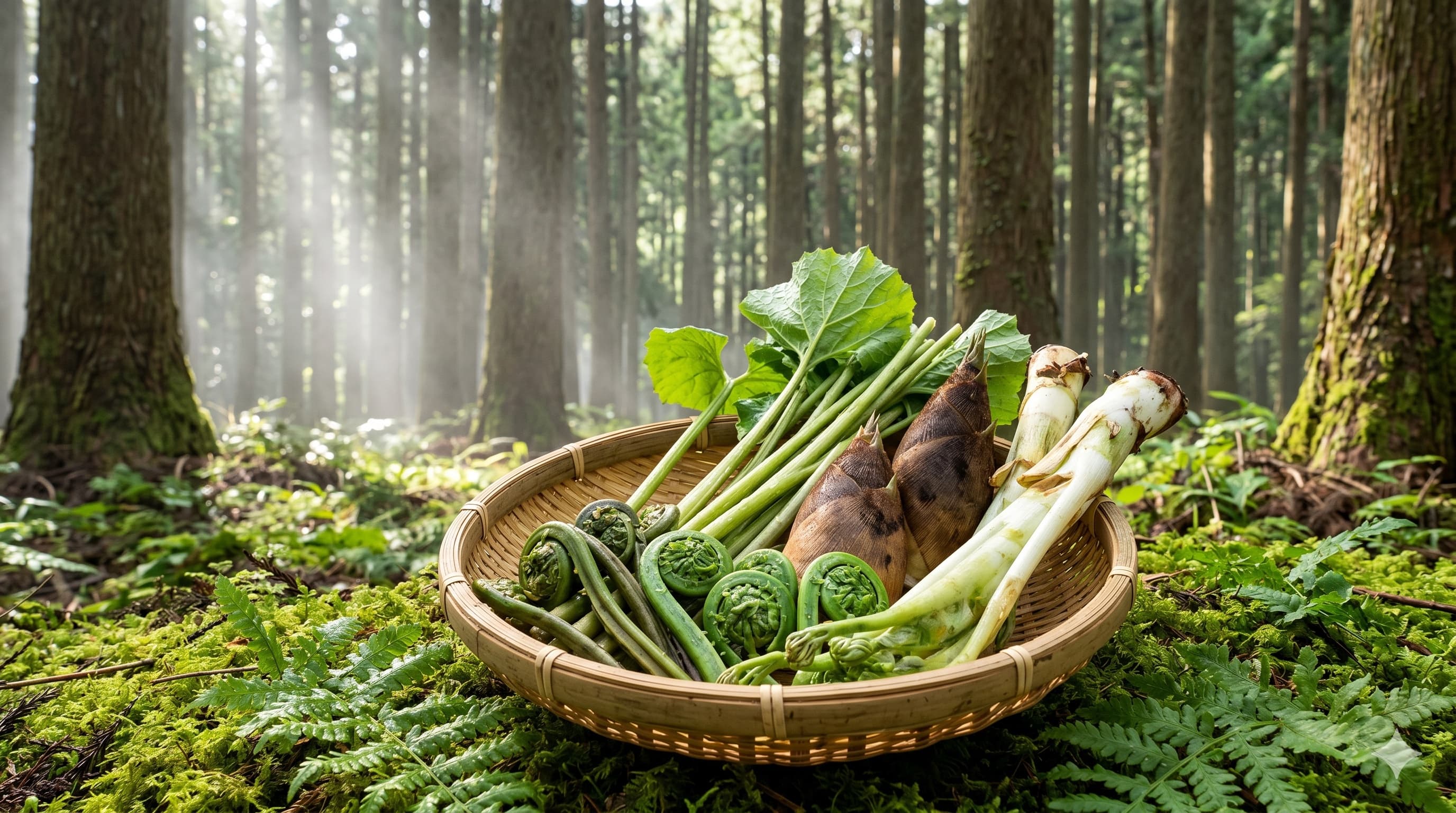
Sansai: The Wild Mountain Vegetables of Japanese Foraging Tradition
Japan's mountain villages have foraged wild plants for centuries. Discover sansai — the wild vegetables that connect Japanese cuisine to its forested landscapes.
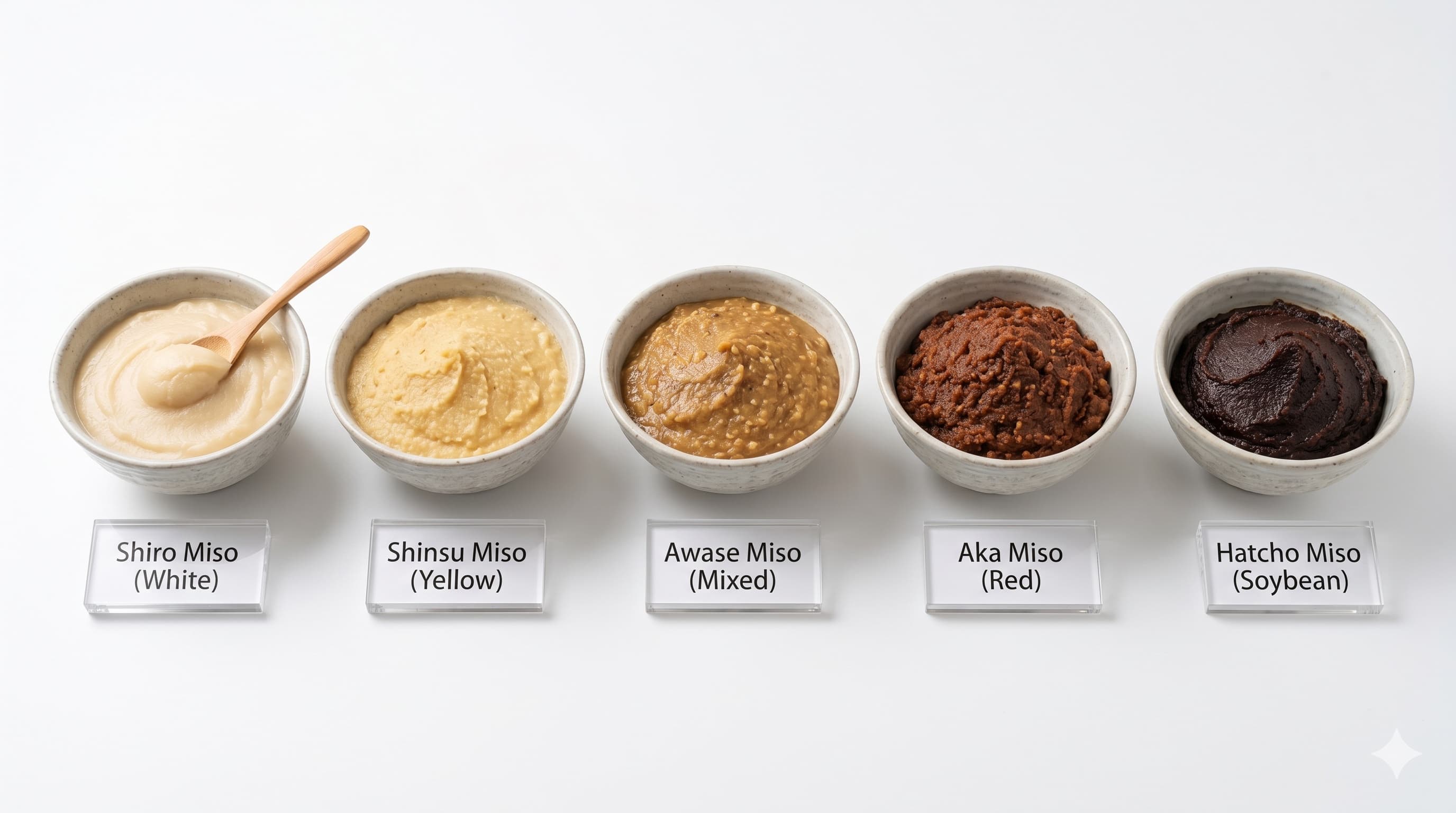
Miso Varieties Explained: White, Red, Barley, and Hatcho Miso
Not all miso is the same. From sweet white shiro miso to intense hatcho miso aged for years, understanding miso varieties transforms your cooking.
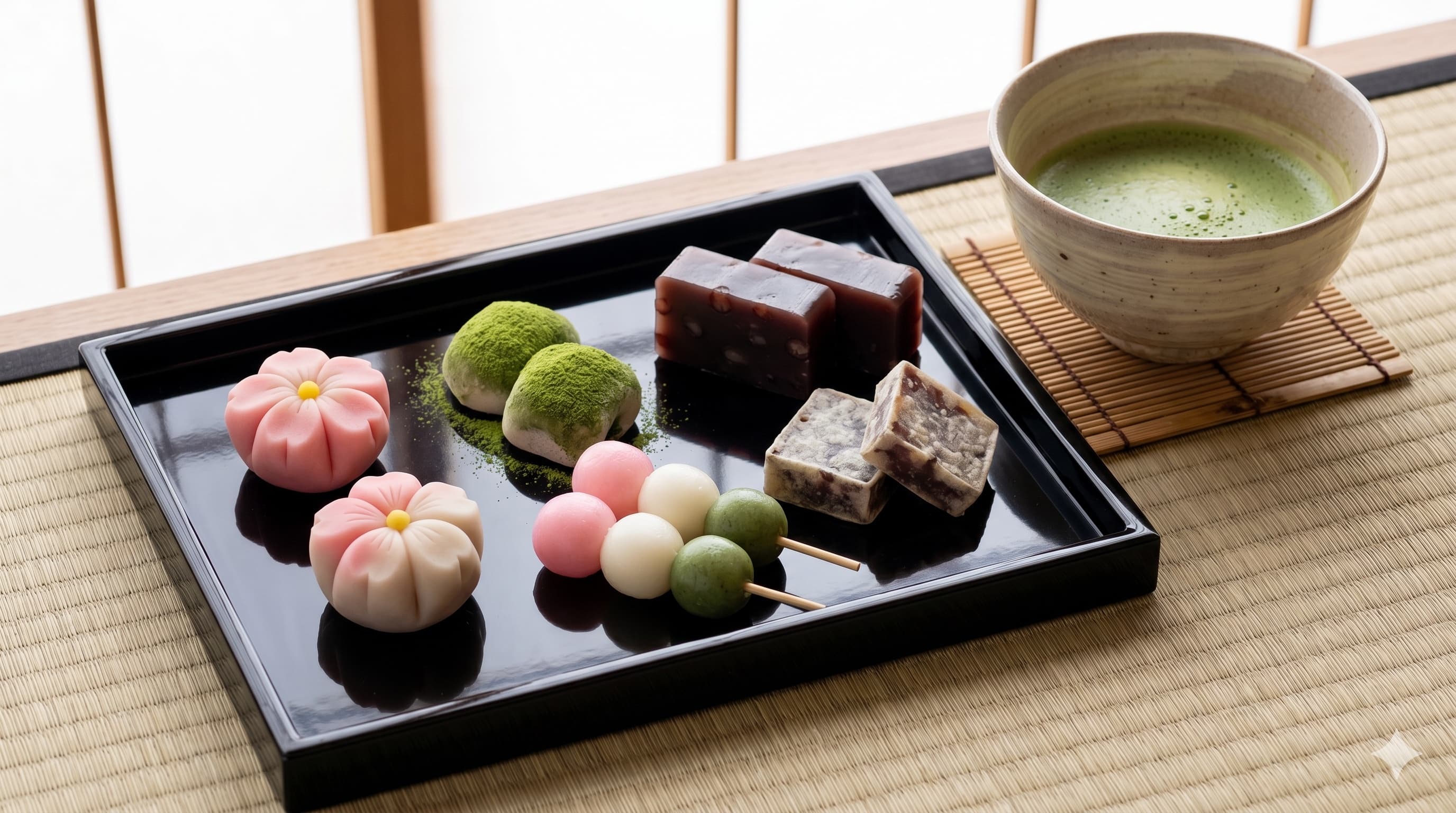
Japanese Vegan Wagashi: Traditional Plant-Based Confections
Most traditional Japanese sweets are naturally vegan — made from rice, beans, and plant-based ingredients. Explore the beautiful world of wagashi.
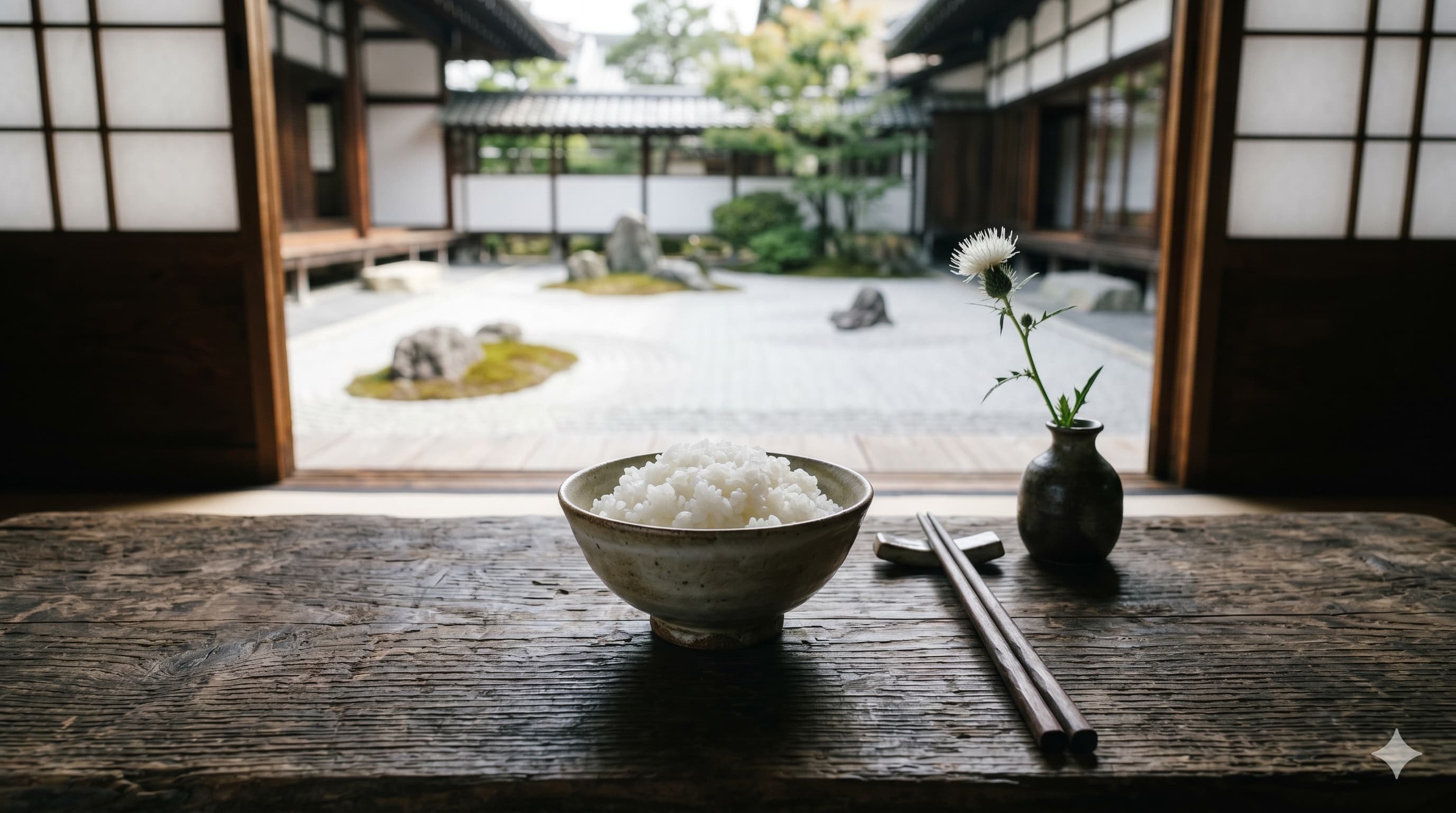
Zen Buddhism and Food Philosophy: Ichi-go Ichi-e in the Kitchen
Zen Buddhism transformed cooking into a spiritual practice. Explore how concepts like ichi-go ichi-e, beginner's mind, and mindful attention apply to everyday plant-based cooking.
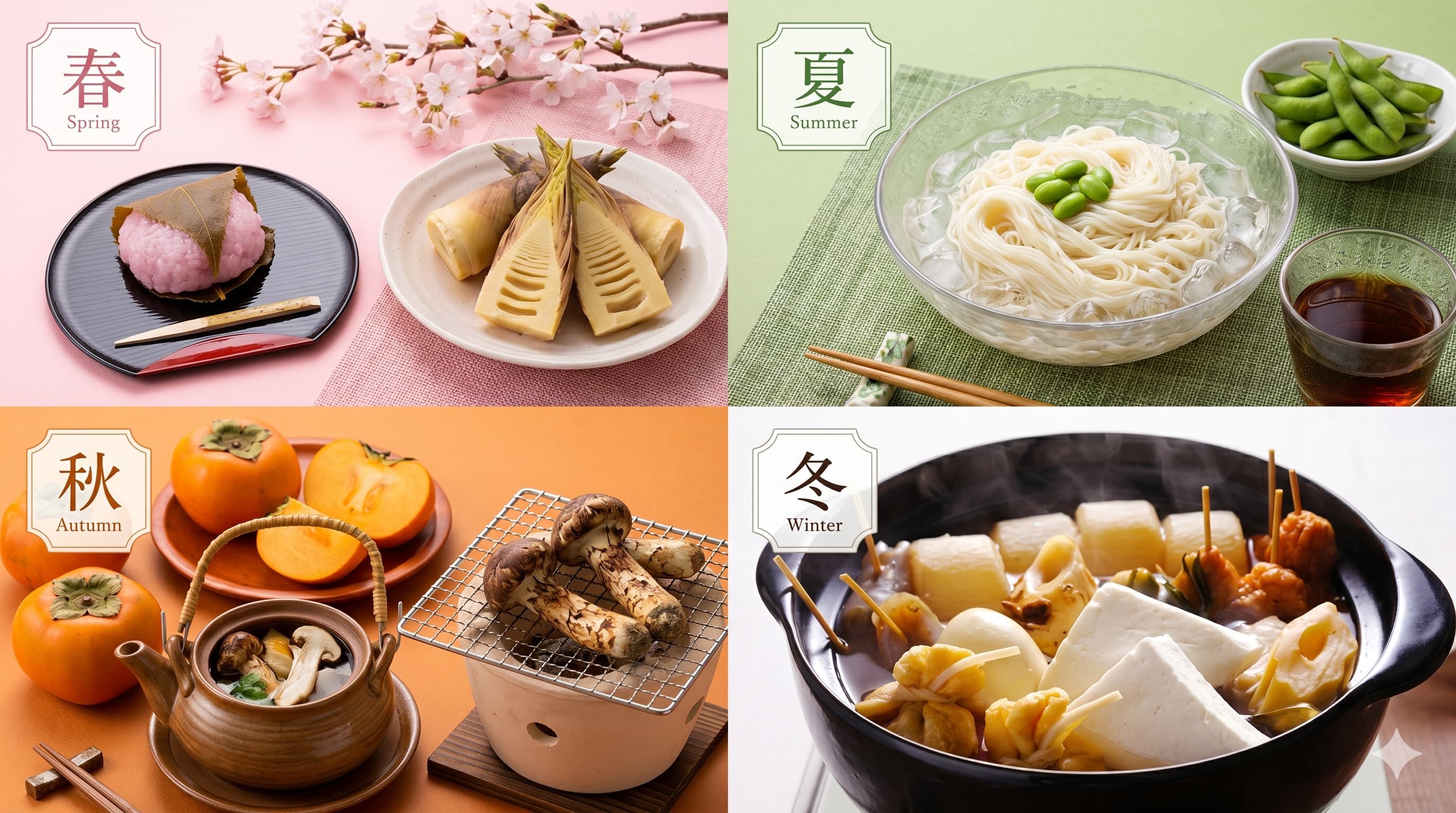
Shun: Seasonal Japanese Cooking and Eating with Nature's Rhythm
The Japanese concept of shun — eating ingredients at their peak season — is a guiding principle of the cuisine. Learn how seasonal awareness transforms plant-based cooking.
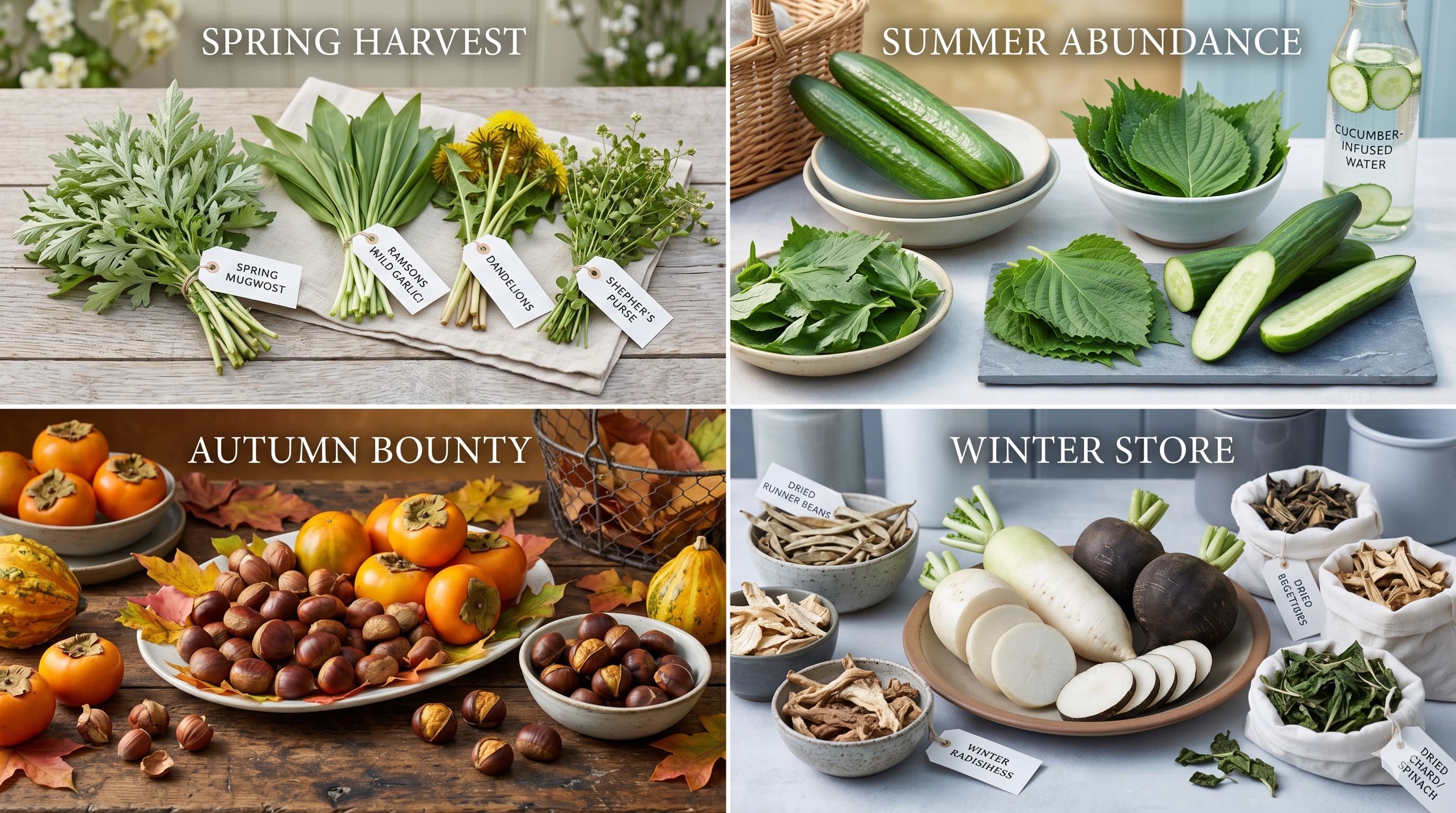
Seasonal Korean Cooking: A Guide to Eating with the Seasons
Explore the Korean philosophy of 제철음식 (jecheol eumsik) — eating what nature provides each season for optimal health and flavor.
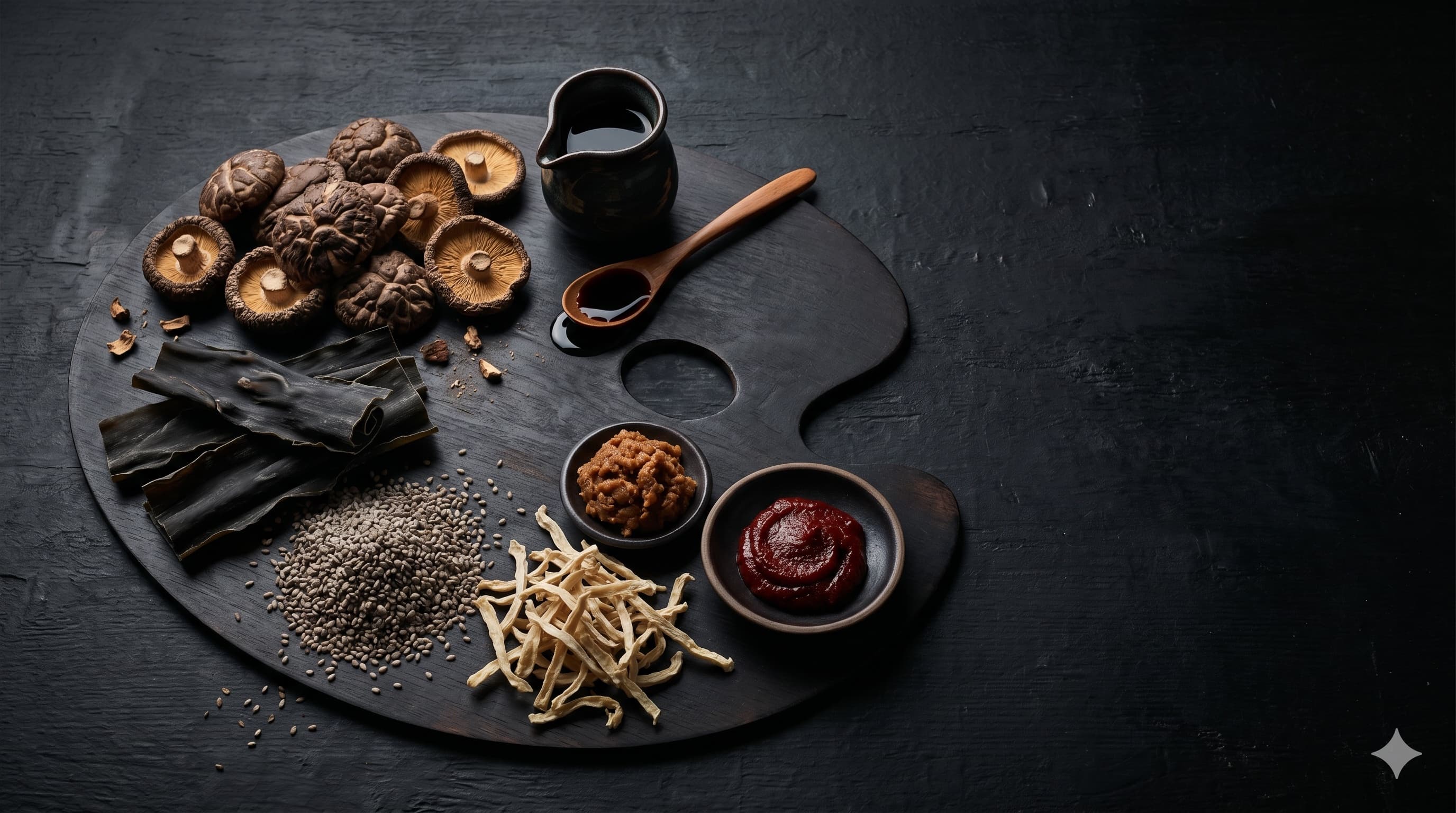
Umami Without Meat: Building Depth in Korean Vegan Cooking
The savory depth of Korean cuisine comes not from meat but from fermentation, mushrooms, and seaweed. Learn the techniques that make Korean vegan food some of the most flavorful on earth.
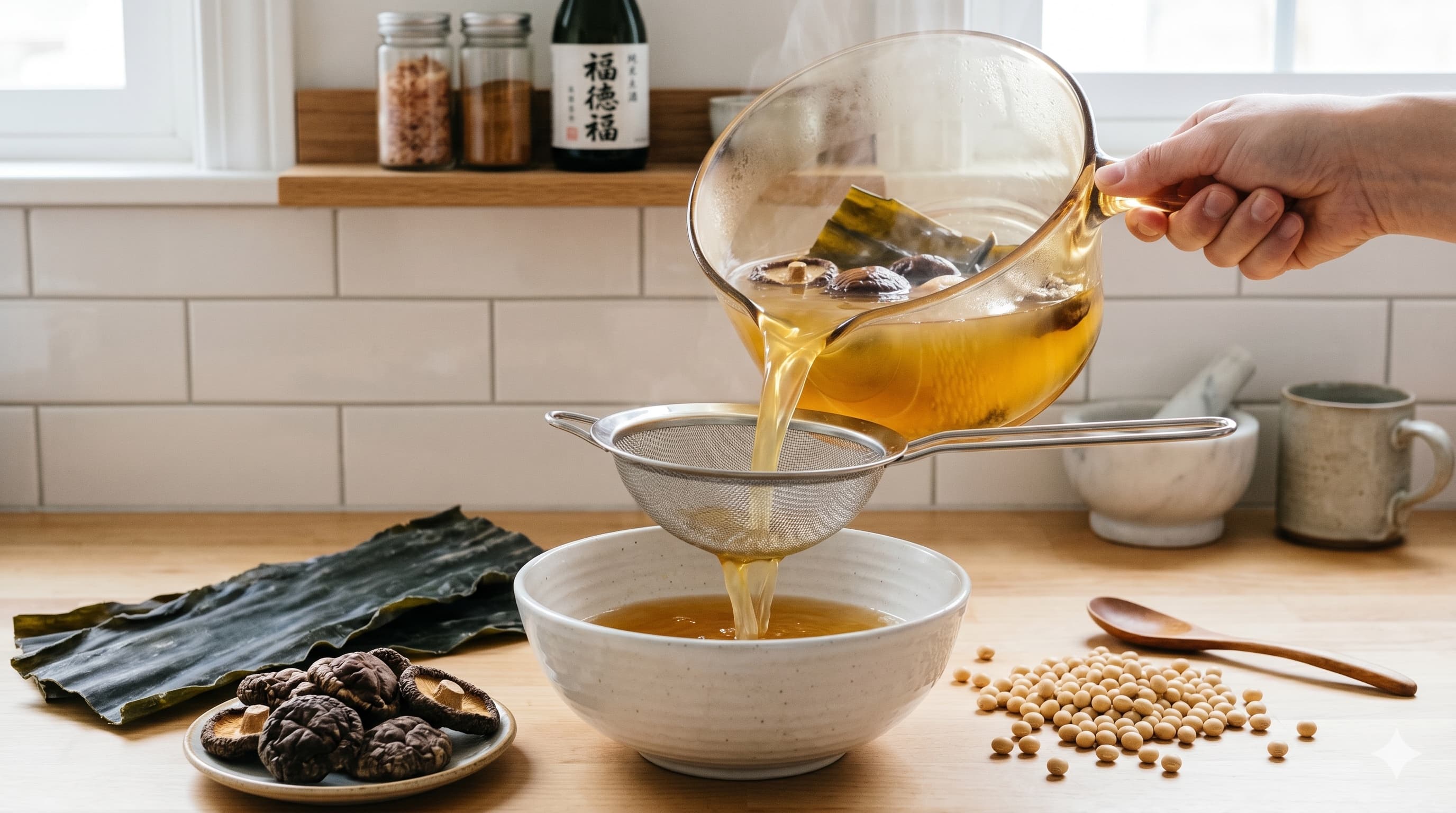
Dashi Without Bonito: Kombu, Shiitake, and Vegetable-Based Japanese Stock
Dashi is the soul of Japanese cooking, but traditional versions use bonito fish flakes. Here is how to build authentic, deeply savory vegan dashi from plants alone.
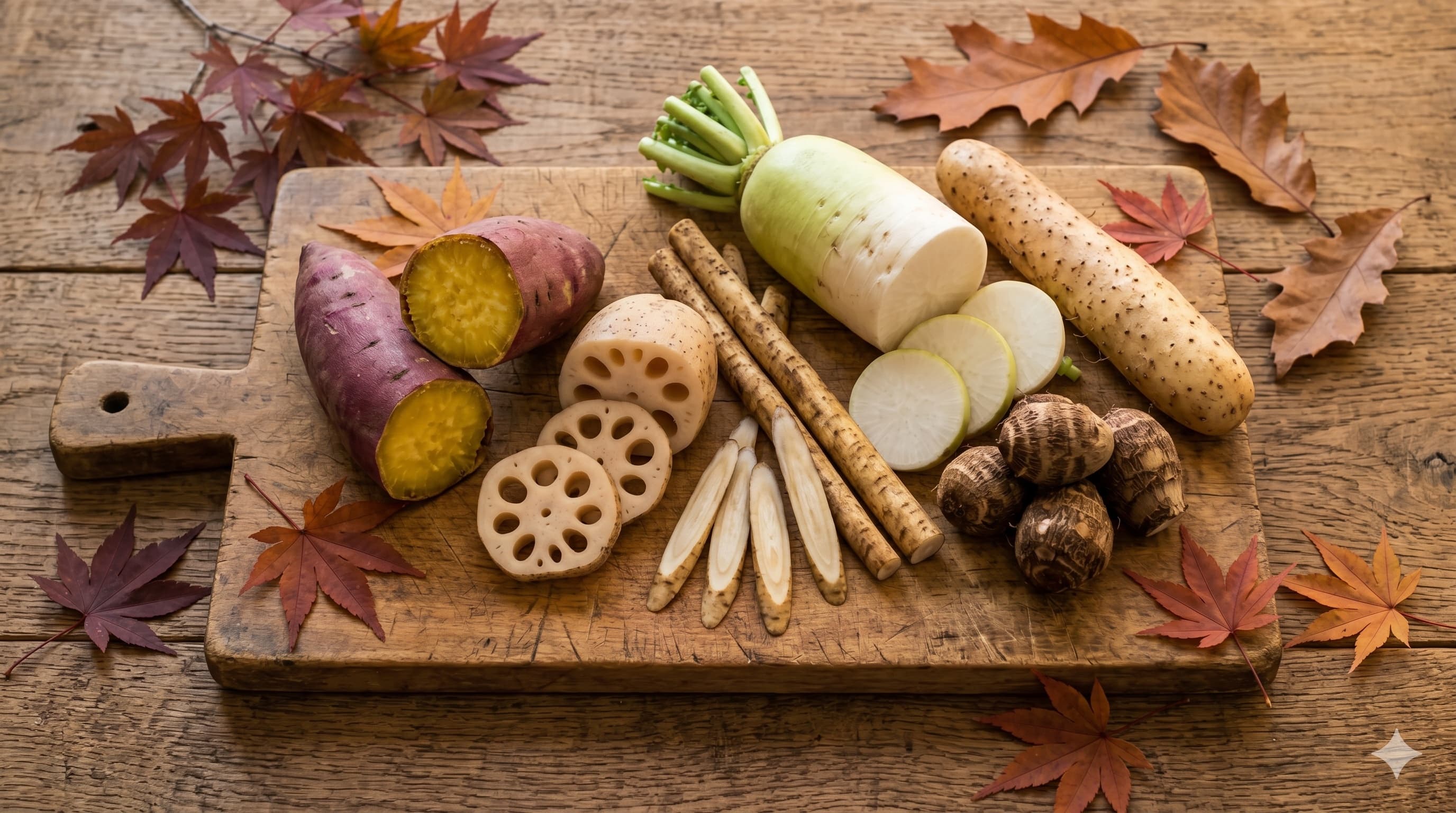
Japanese Sweet Potatoes and Root Vegetables in Vegan Cooking
From the purple-skinned satsumaimo to earthy gobo burdock root, Japanese root vegetables offer sweetness, texture, and nutrition for plant-based meals.
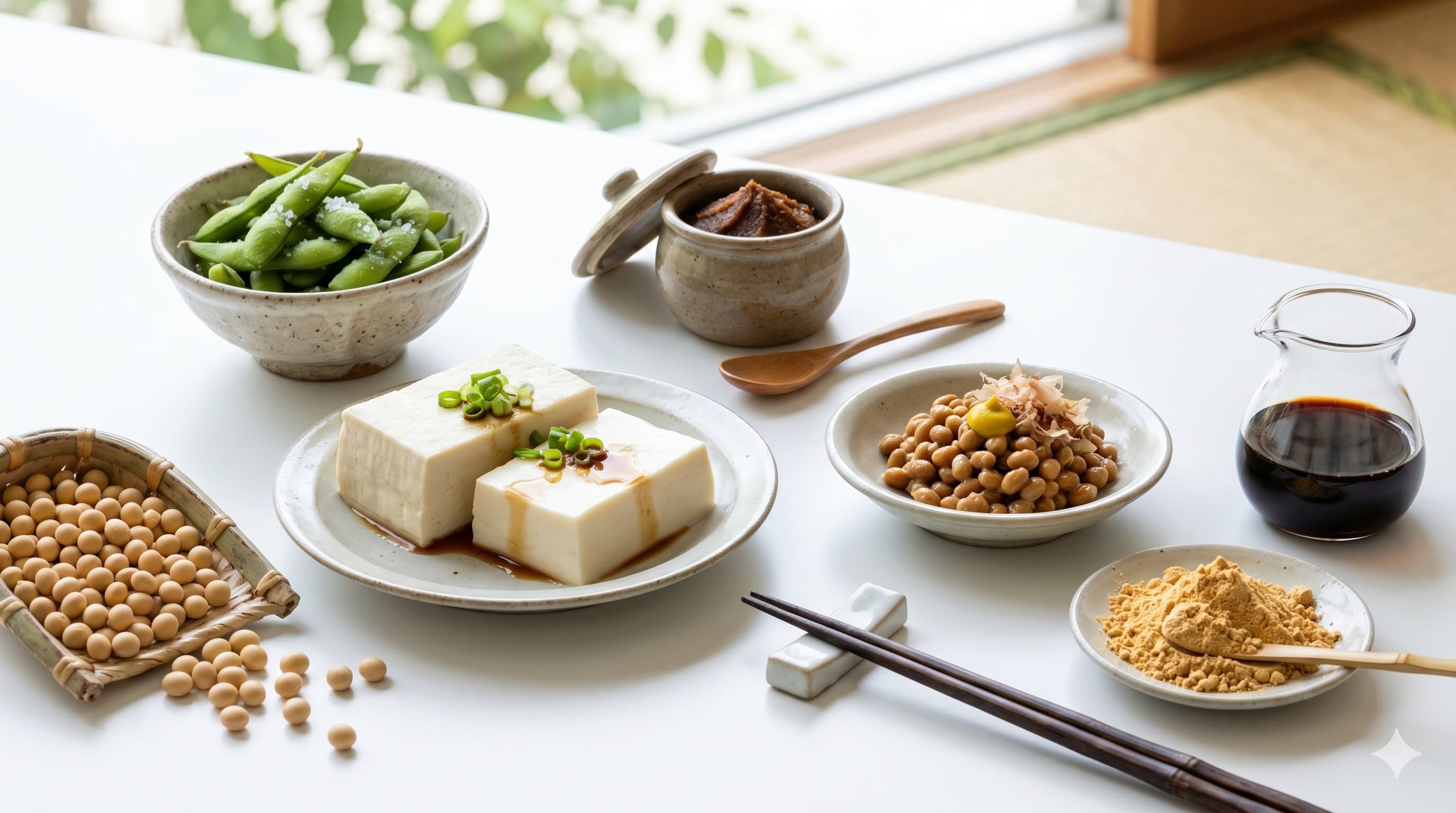
From Edamame to Natto: Soy Foods in the Japanese Plant-Based Diet
Soybeans are the backbone of Japanese plant-based cuisine, transformed into tofu, miso, soy sauce, natto, and more through centuries of culinary ingenuity.
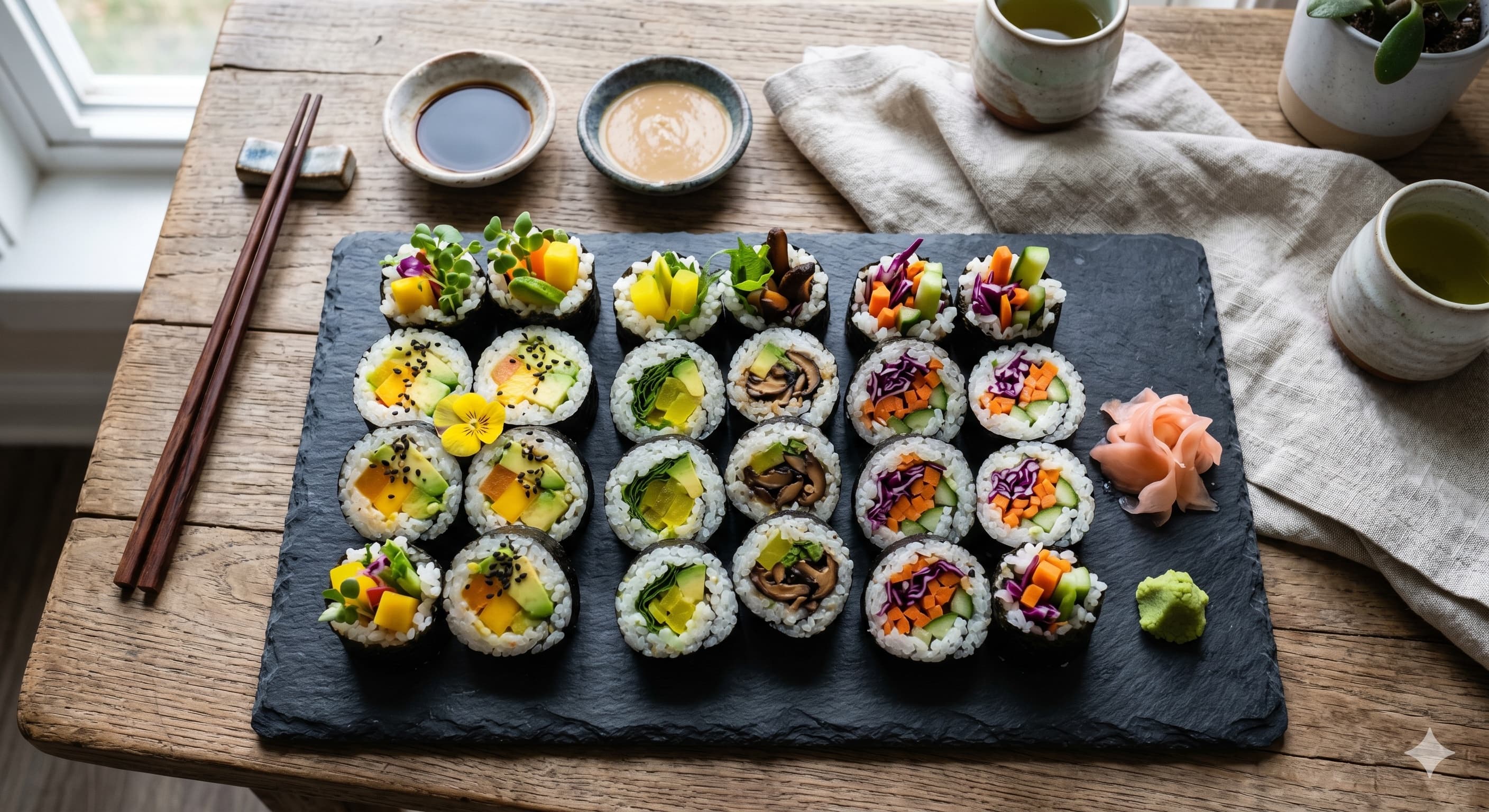
Japanese Vegan Sushi: Creative Plant-Based Rolls Beyond Fish
Sushi without fish is not only possible but has deep roots in Japanese tradition. Discover the world of plant-based sushi, from inari to vegetable temaki.
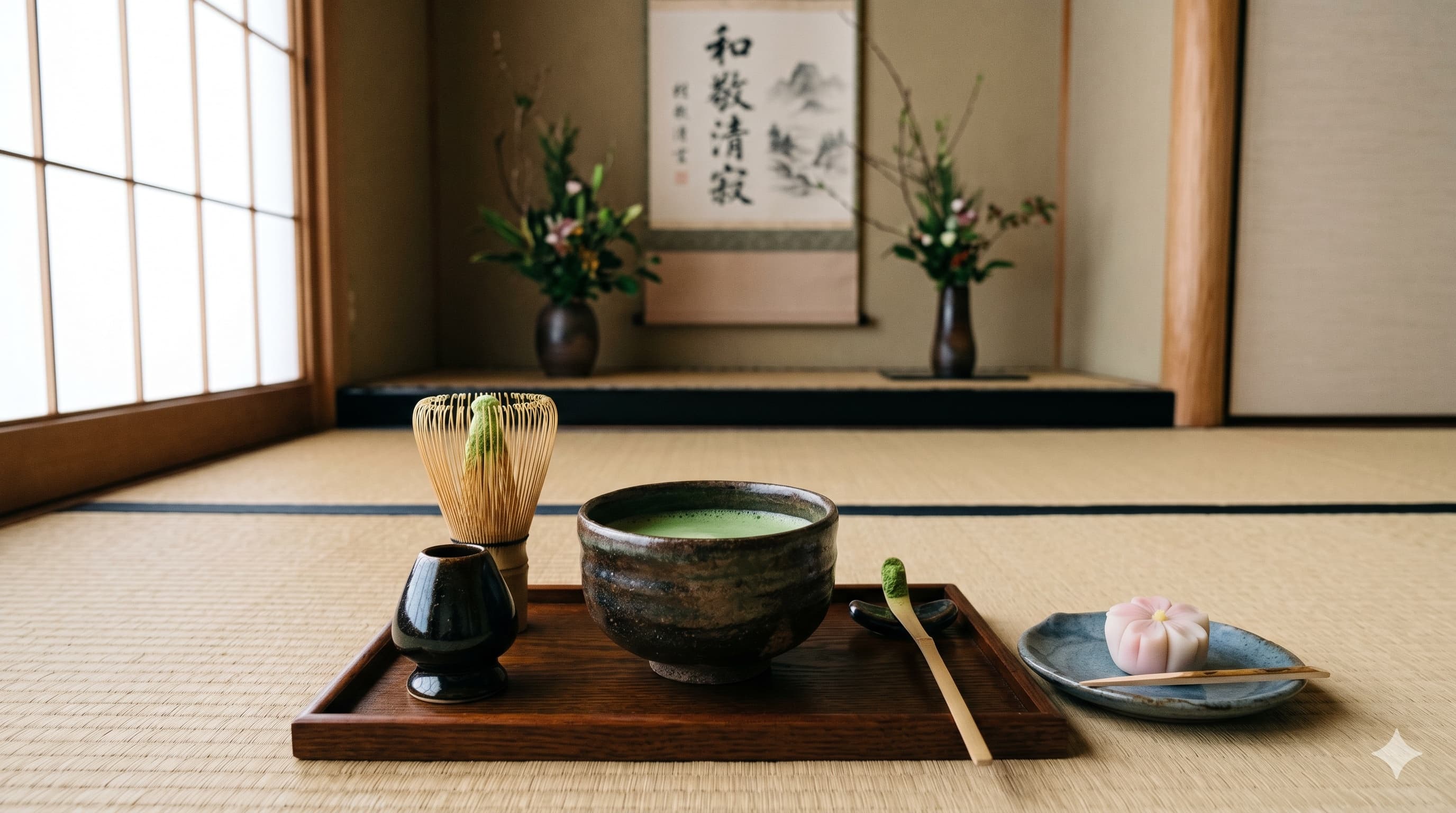
Matcha and Japanese Tea Culture: Health Benefits and the Way of Tea
From Zen monasteries to modern cafes, matcha and Japanese tea culture offer a meditative practice centered on a plant-based beverage with remarkable health properties.
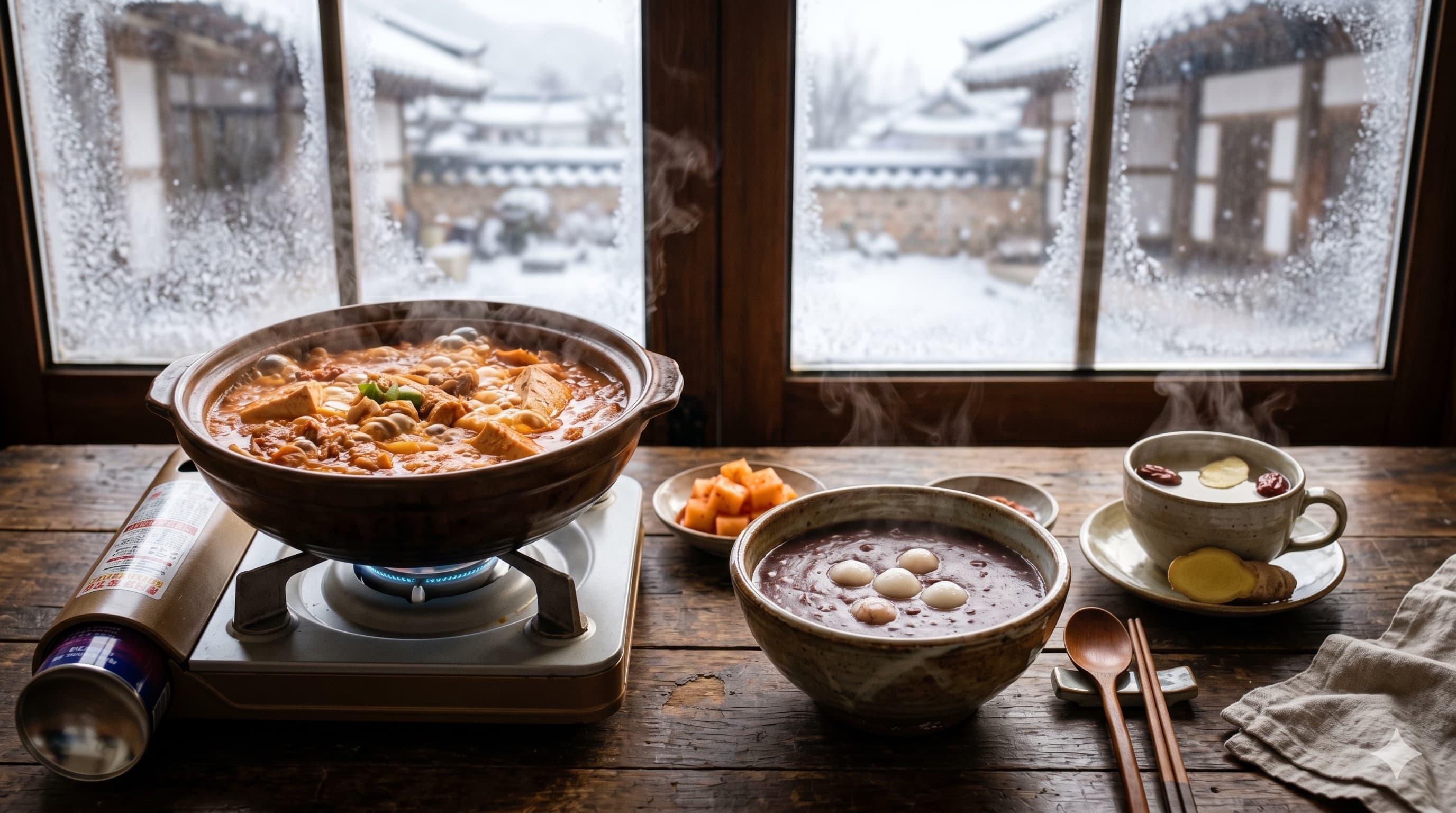
Korean Winter Comfort Foods Made Vegan
When the cold sets in, Korean cuisine offers some of the world's most warming, soul-satisfying dishes. Here are the best Korean winter comfort foods adapted for plant-based eating.
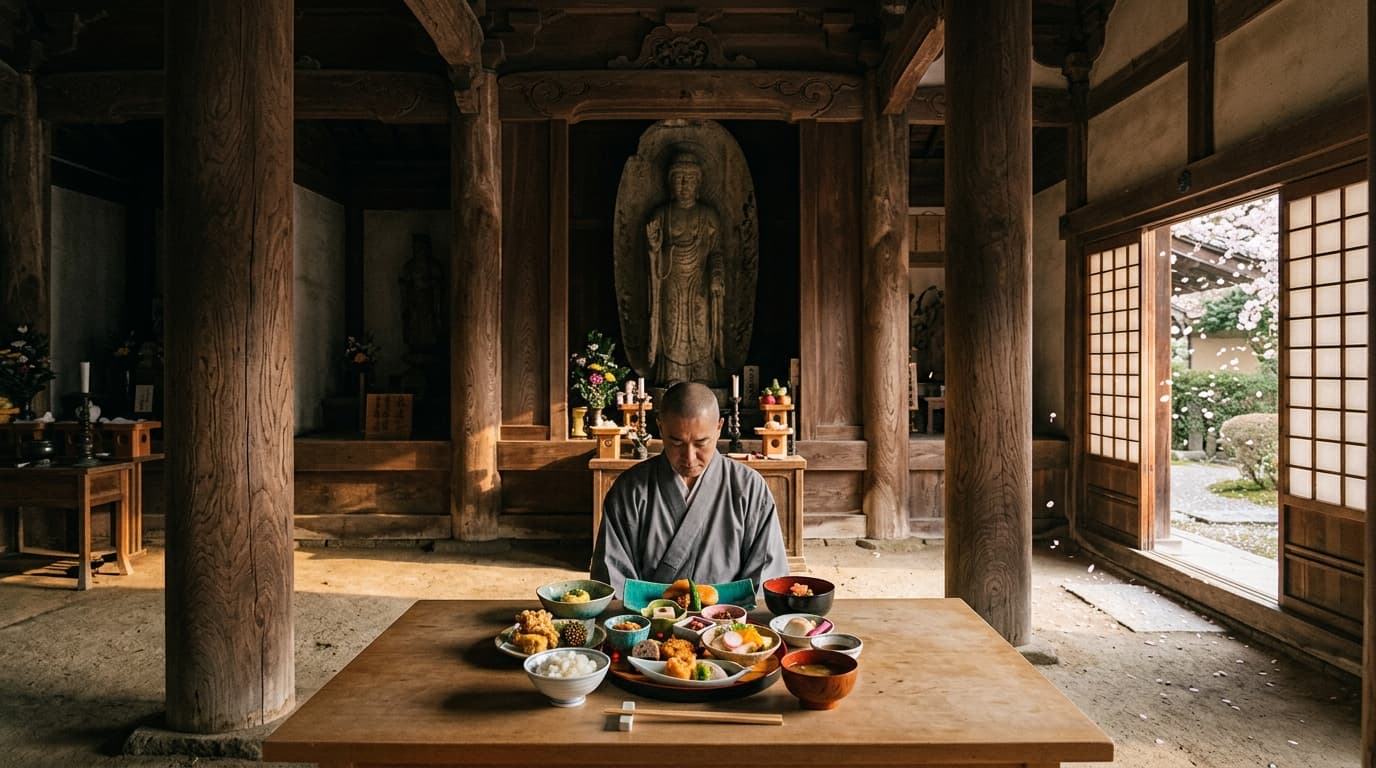
A History of Buddhist Vegetarianism in Japan: From the Nara Period to Today
Trace the remarkable journey of plant-based eating in Japan, from ancient imperial meat-eating bans through centuries of Buddhist monastic cooking to the modern vegan movement.
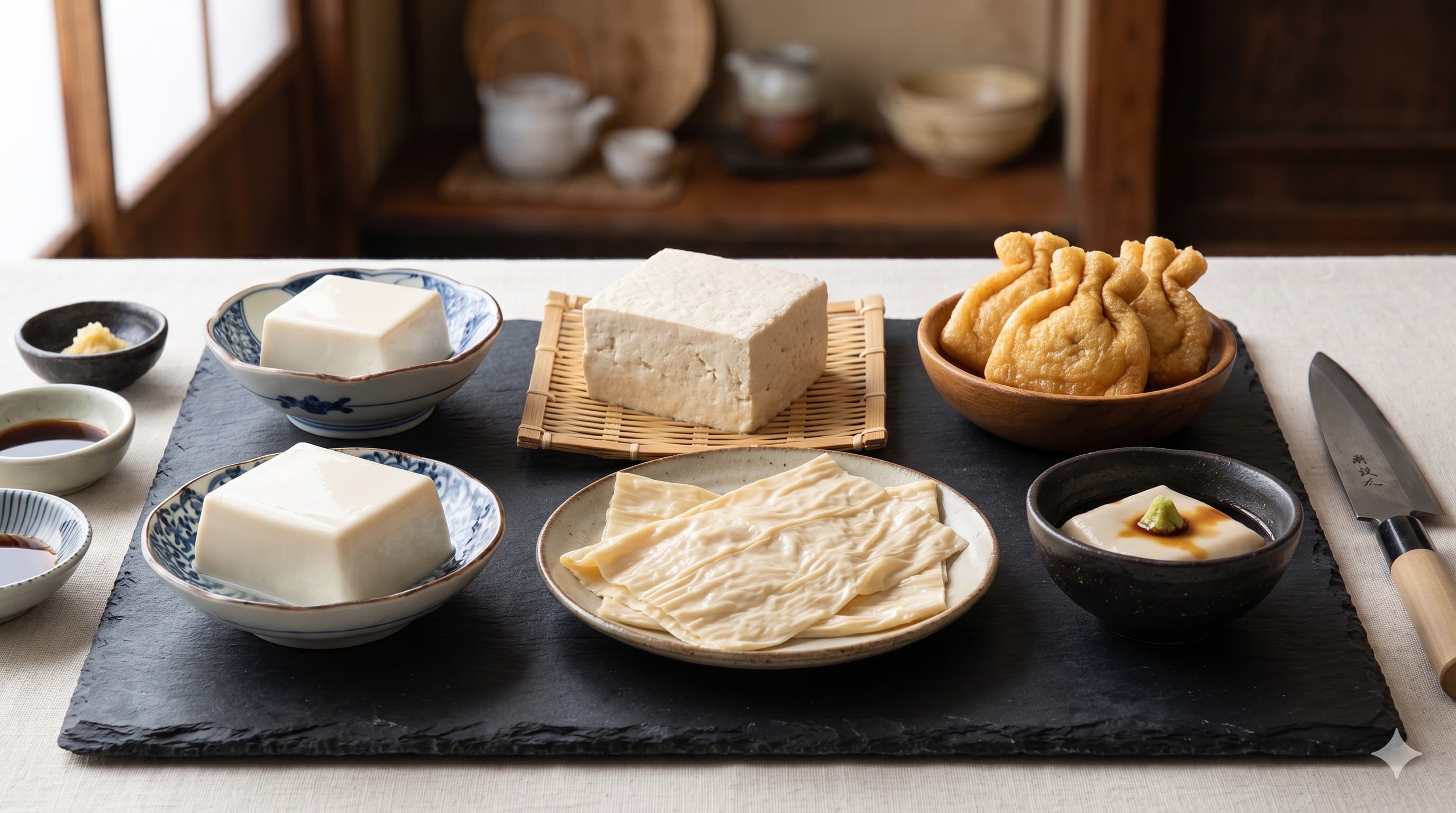
Tofu Varieties in Japanese Cuisine: From Silken Kinu to Aged Koya-dofu
Japan has elevated tofu into an art form with dozens of varieties, each suited to specific dishes. Explore kinu, momen, yuba, koya-dofu, and more.
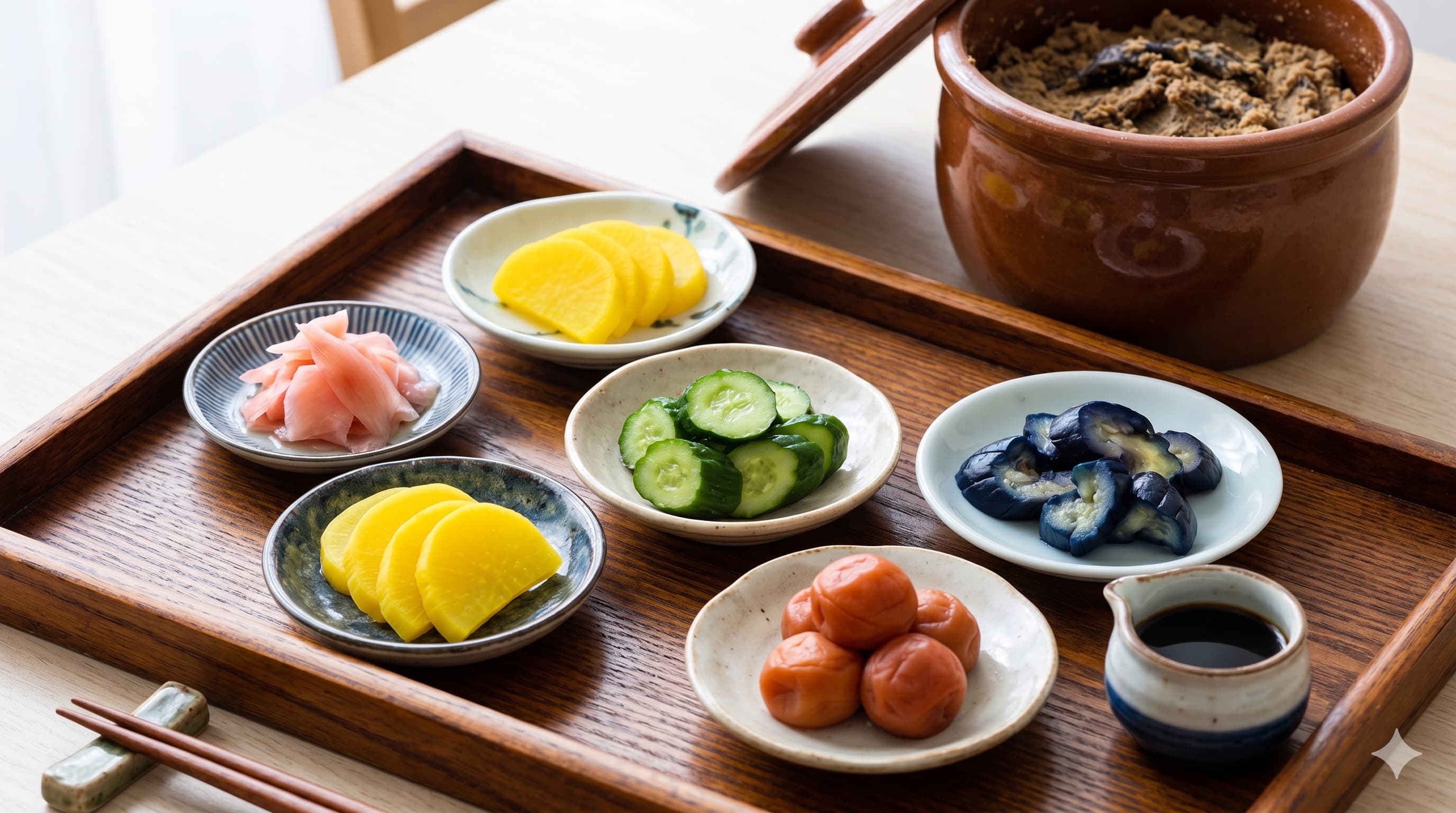
Tsukemono: Japan's Vibrant Tradition of Vegan Pickled Vegetables
Japanese pickles are an essential part of every meal — naturally vegan, deeply flavorful, and made with techniques refined over centuries. Explore the art of tsukemono.
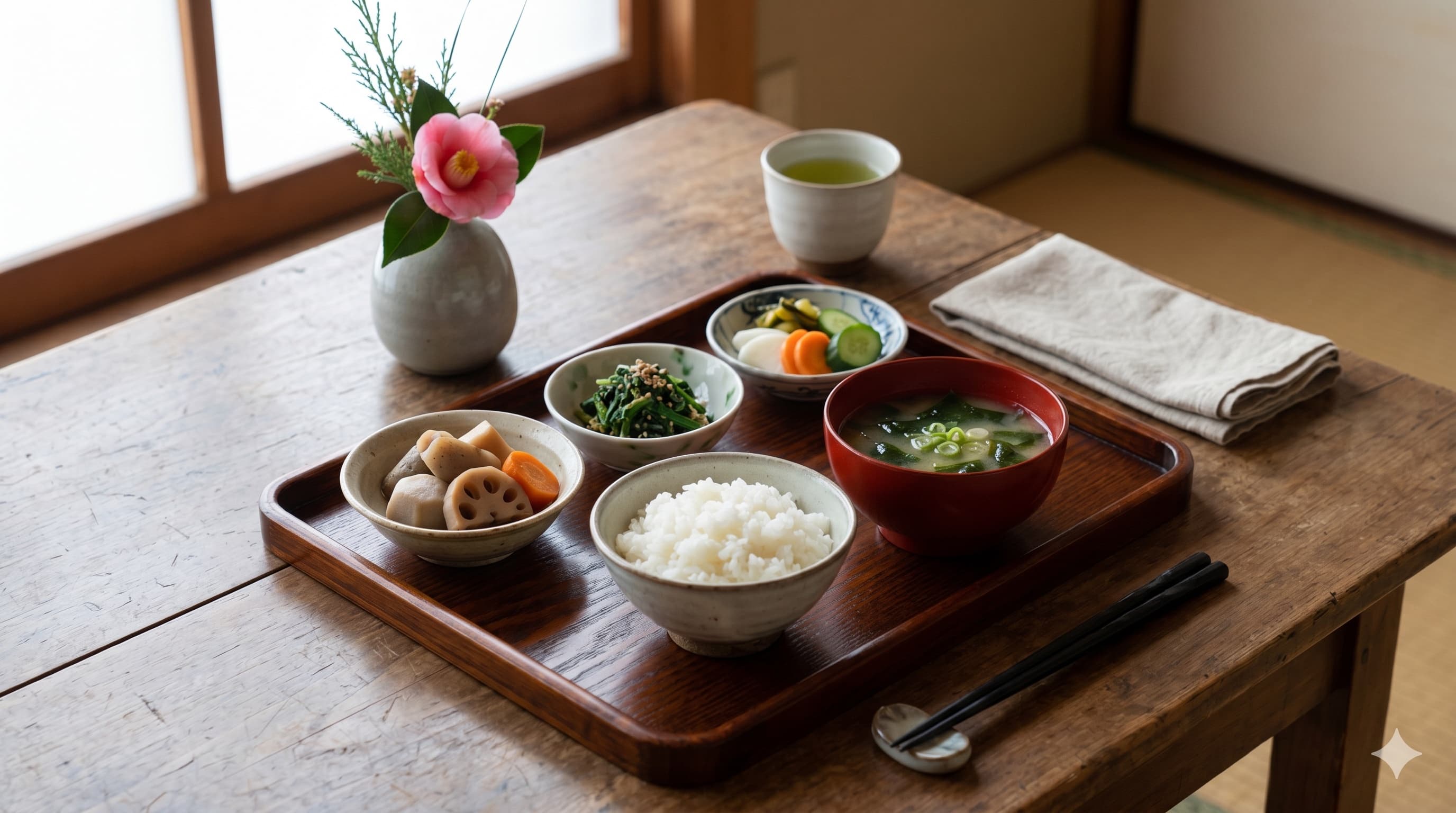
Washoku and Plant-Based Eating: The UNESCO-Recognized Cuisine of Japan
Washoku, Japan's traditional food culture, was inscribed on UNESCO's Intangible Cultural Heritage list in 2013. Its principles naturally align with plant-based eating.
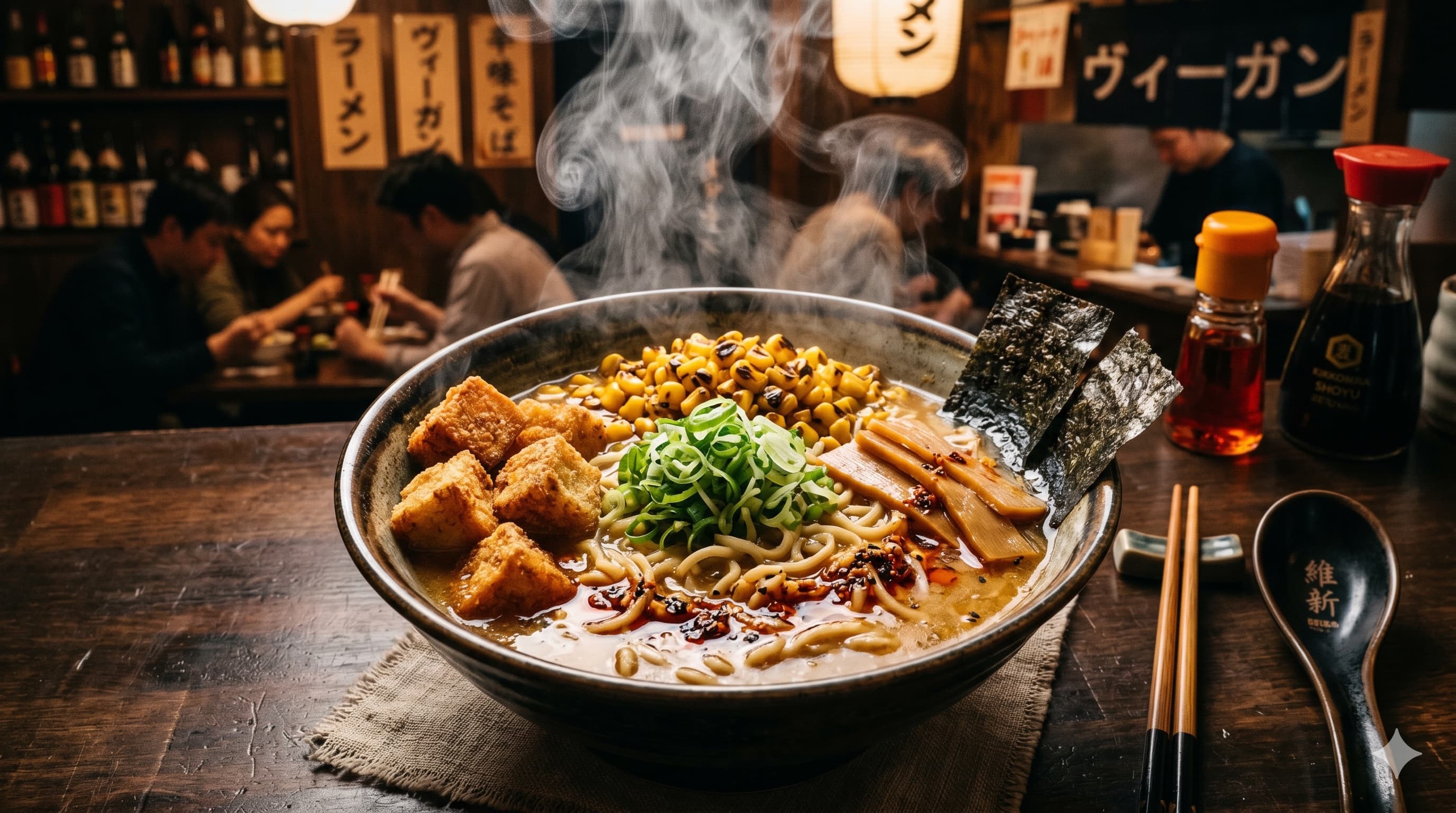
Japanese Vegan Ramen: Building Rich Broth Without Animal Products
Ramen without pork bone broth? Absolutely. Learn how Japanese cooks build deeply satisfying vegan ramen using soy milk, miso, mushrooms, and creative technique.
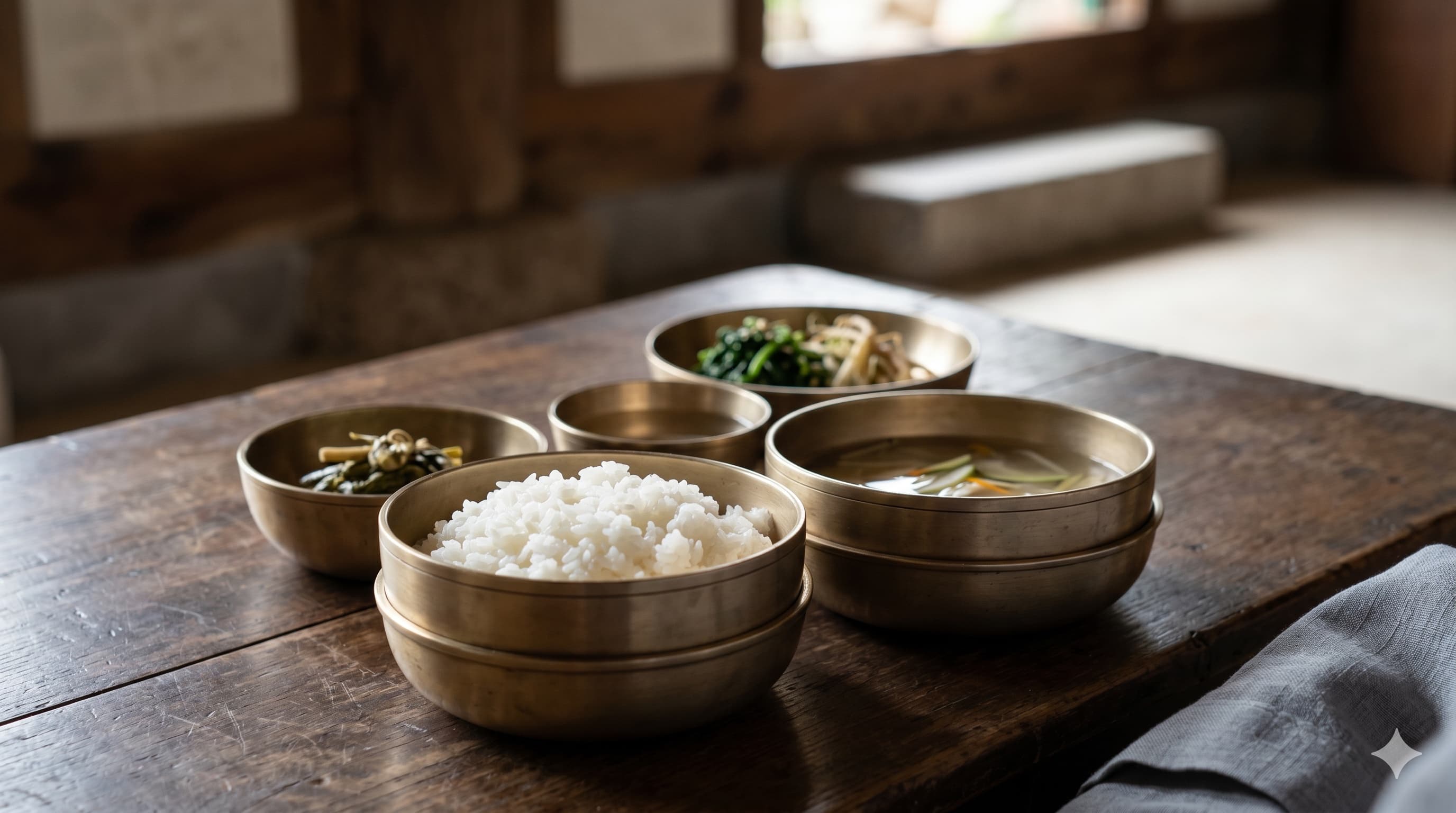
Buddhist Mindful Eating: The Barugongyang Practice
In Korean Buddhist temples, every meal is a meditation. Learn about barugongyang, the formal monastic eating ritual that transforms food into spiritual practice.
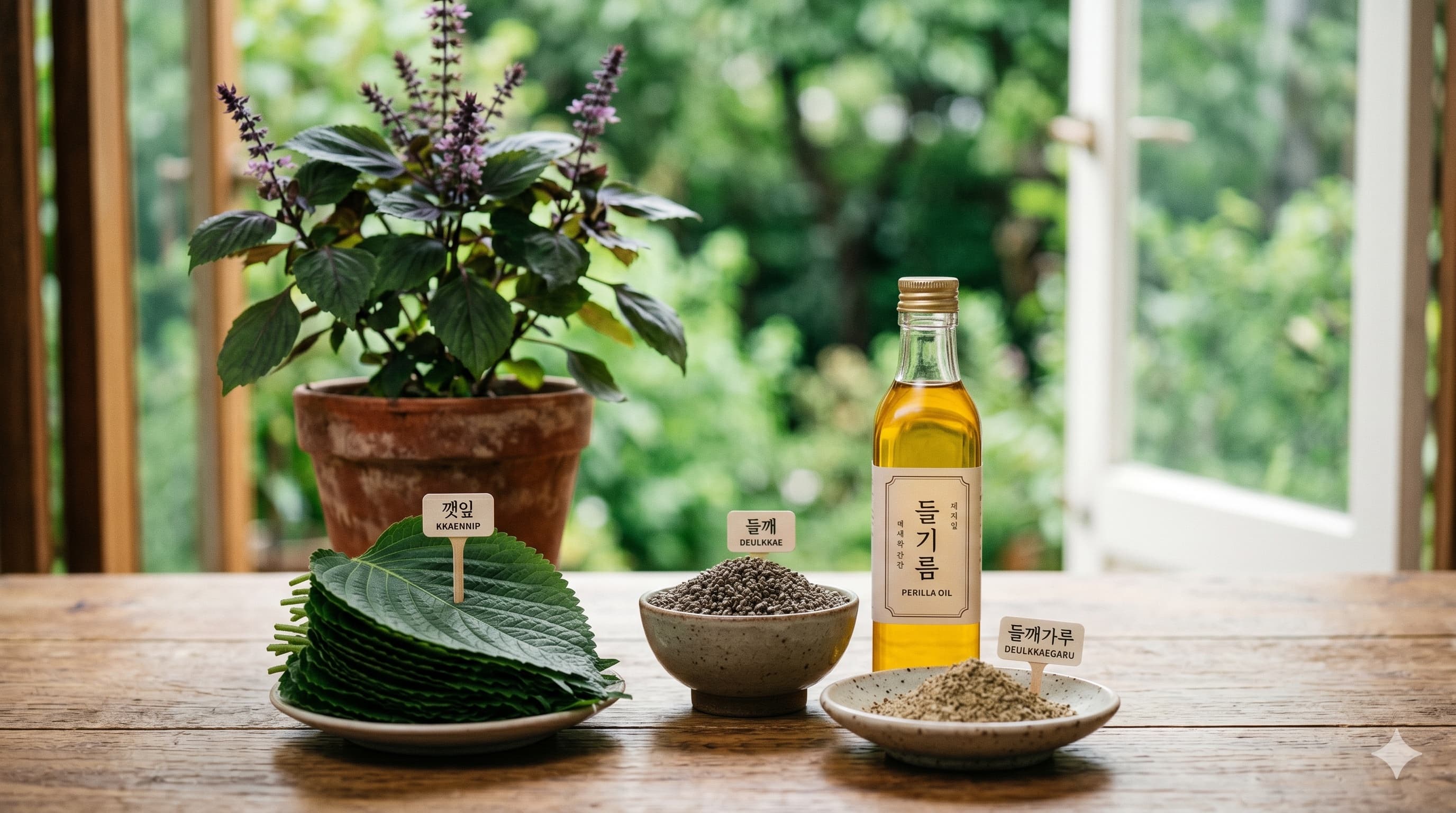
Korean Perilla (Deulkkae): The Forgotten Superfood
Discover perilla — the nutty, aromatic seed and leaf that is ubiquitous in Korean cooking but virtually unknown in the West, and why it deserves a place in your plant-based kitchen.
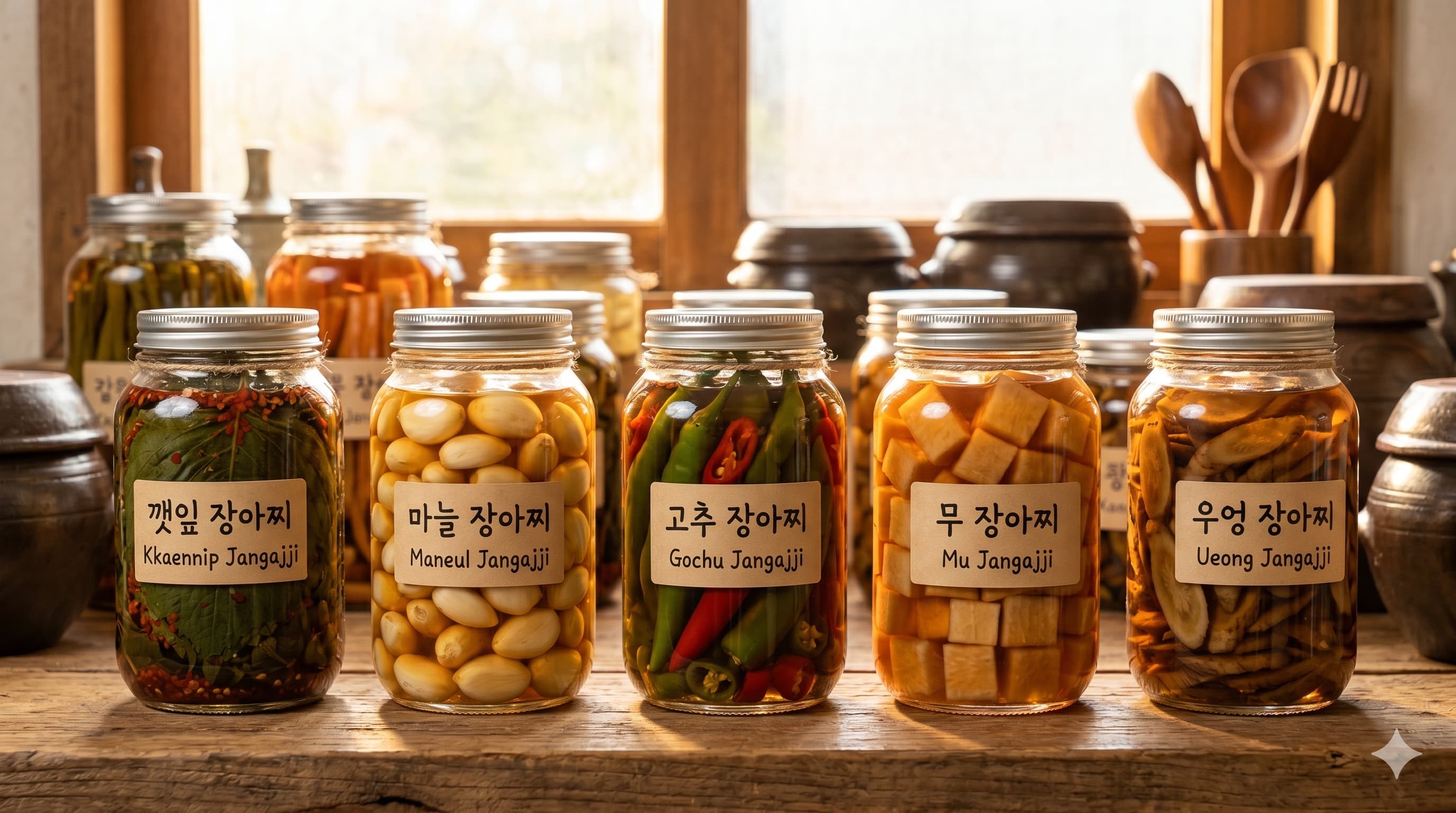
Preserving Korean Traditions: Jangajji Pickled Vegetables
Jangajji — vegetables preserved in soy sauce, doenjang, or gochujang — are the long-keeping, deeply flavorful banchan that sustain Korean tables through every season.
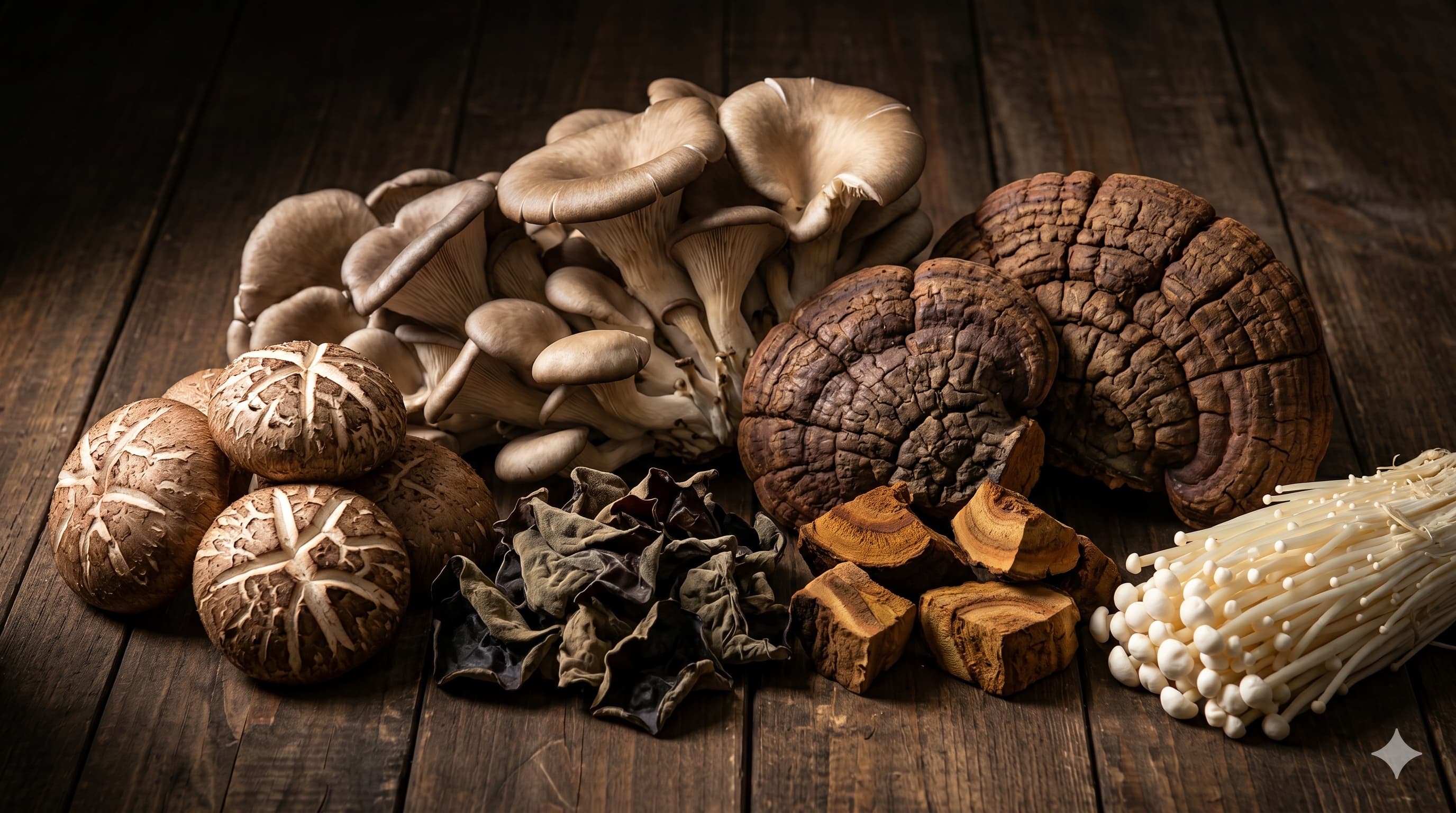
Medicinal Mushrooms in Korean Traditional Cuisine
From the prized sanghwang to everyday shiitake, Korean cuisine uses mushrooms not just for flavor but as powerful medicinal foods recognized by the Donguibogam.

Korean Vegan Meal Prep: A Week of Temple-Inspired Lunches
Simplify your weekday eating with a Korean temple-inspired meal prep plan — balanced, beautiful bento-style lunches that keep you nourished and focused all week.

Korean Soup and Stew Bases Without Animal Stock
Rich, savory Korean soups and stews do not need meat or fish stock. Master the plant-based broth foundations that create depth and warmth in every bowl.
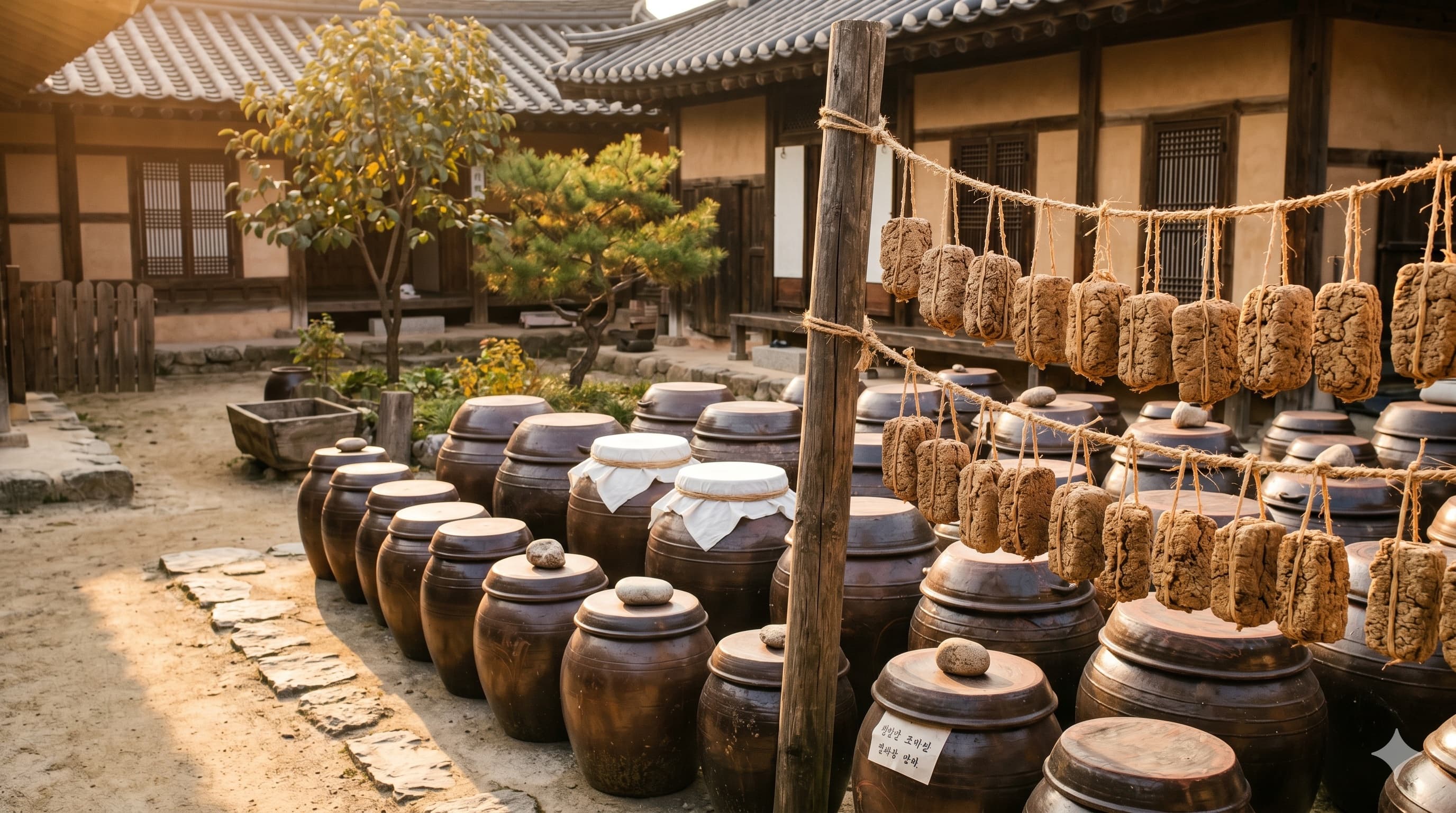
The Science of Korean Fermentation: How Jang Is Made
Dive deep into the microbiology and tradition behind Korea's fermented soybean pastes — doenjang, gochujang, and ganjang — the holy trinity of Korean flavor.
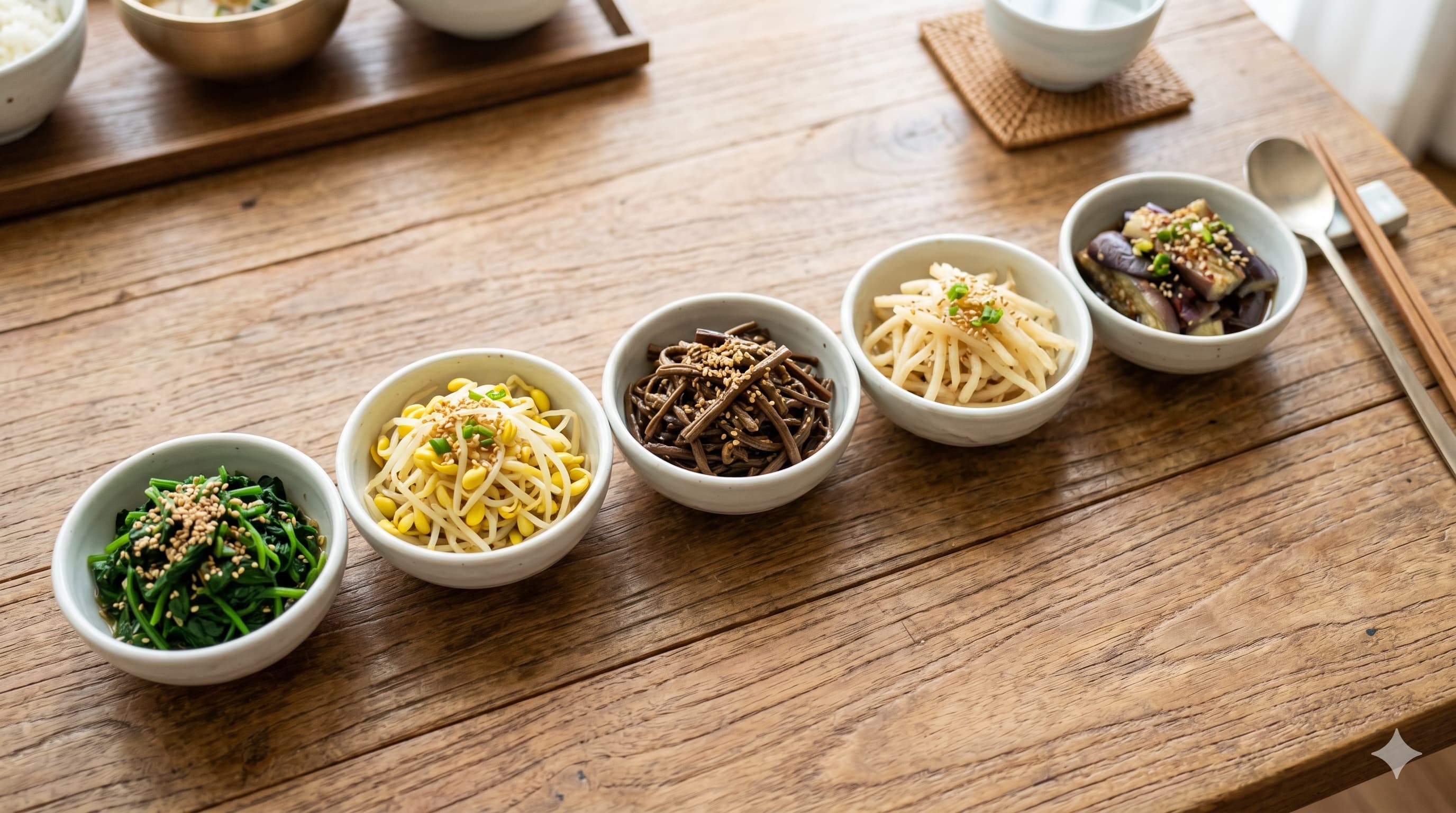
Namul 101: Korean Seasoned Vegetable Side Dishes
Master the art of namul — the simple, nutritious seasoned vegetable dishes that form the heart of every Korean meal.
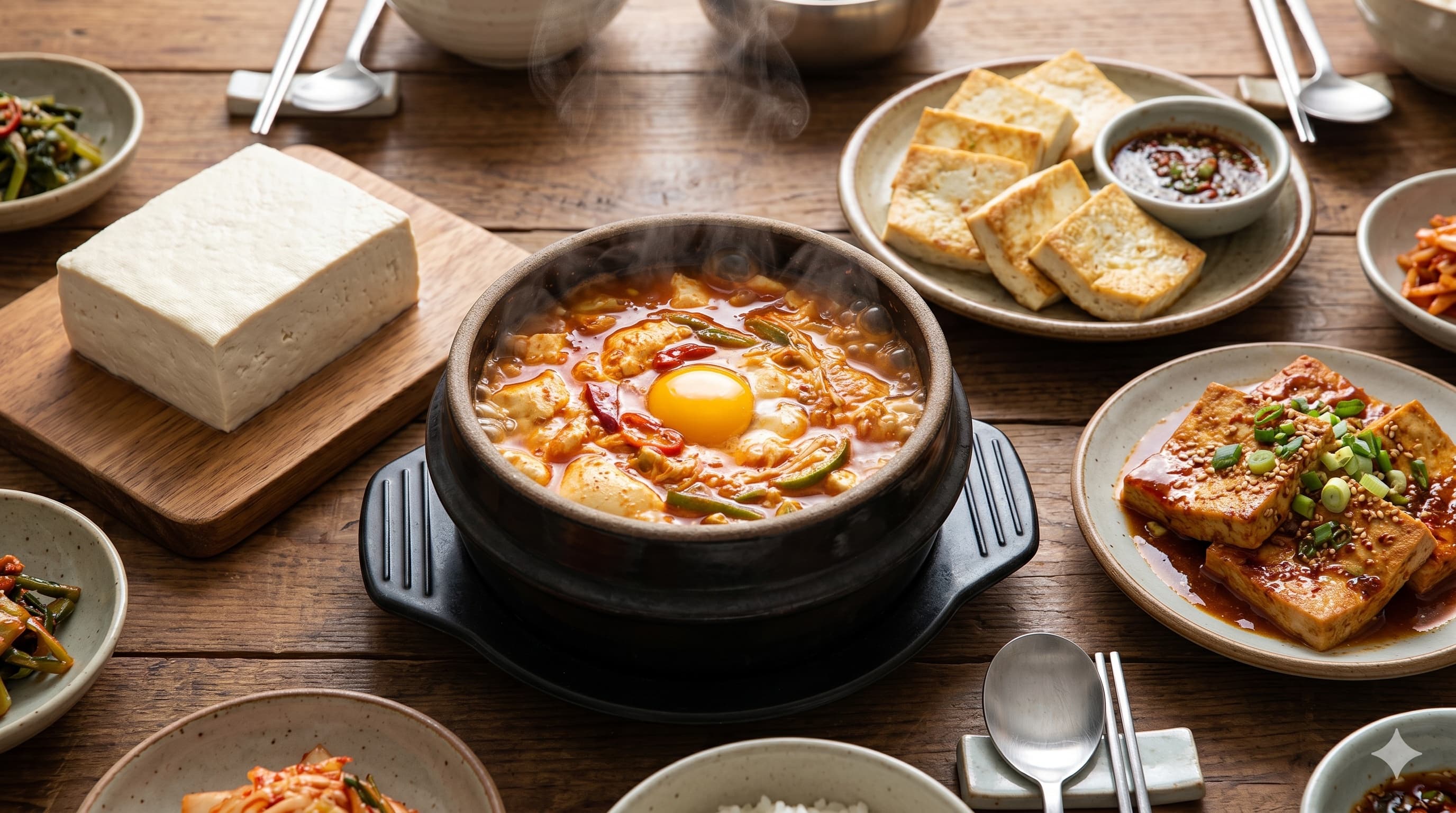
Tofu in Korean Cooking: From Sundubu to Dubu-Jorim
Tofu is a cornerstone of Korean plant-based cuisine, appearing in silky stews, crispy pan-fried slices, and hearty braises. Master the many ways Koreans transform this versatile ingredient.
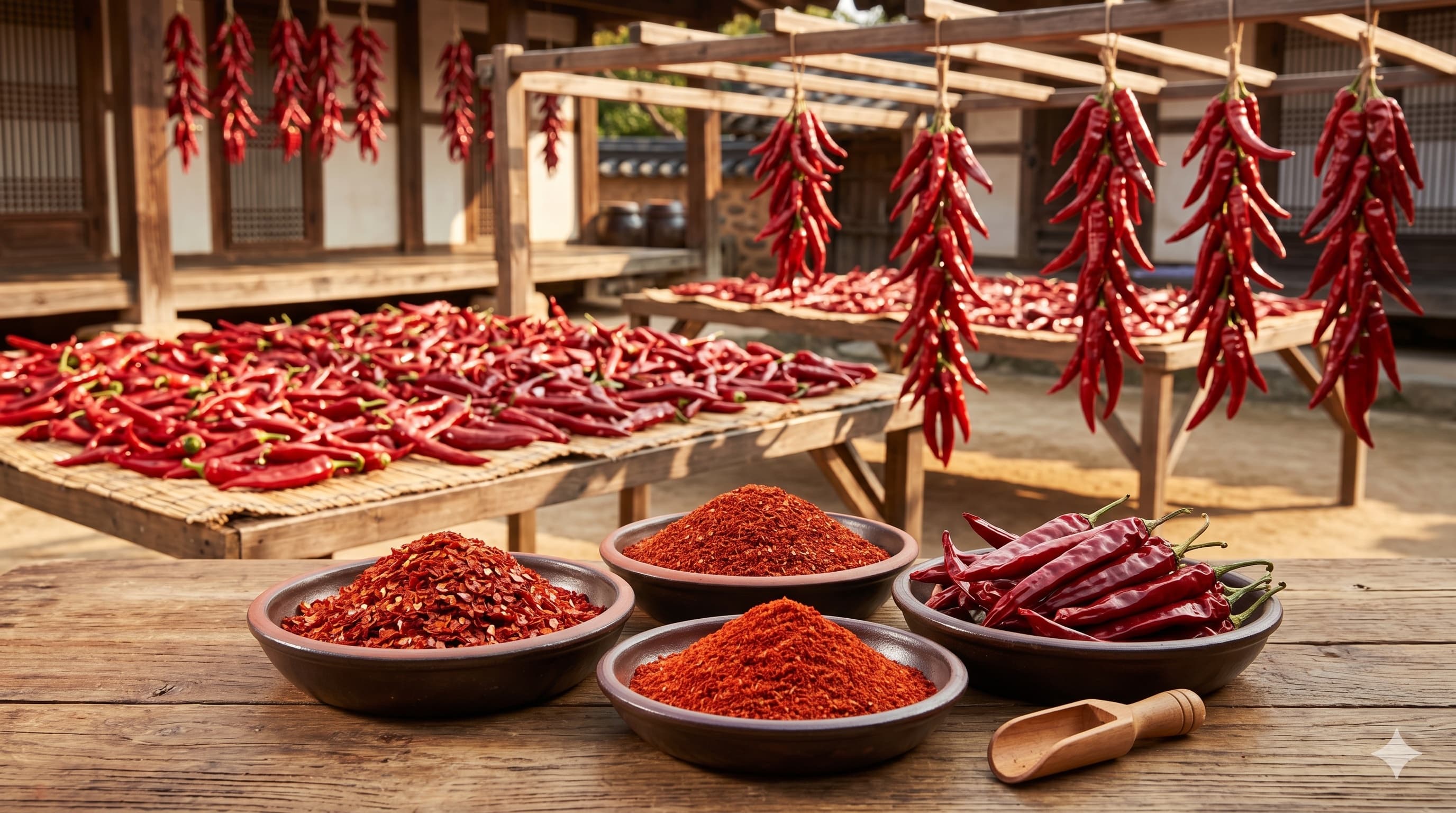
Gochugaru Guide: Understanding Korean Chili Flakes
Gochugaru is the vibrant red soul of Korean cooking — used in kimchi, stews, and banchan. Learn what makes it unique, how to choose the best quality, and how to use it properly.
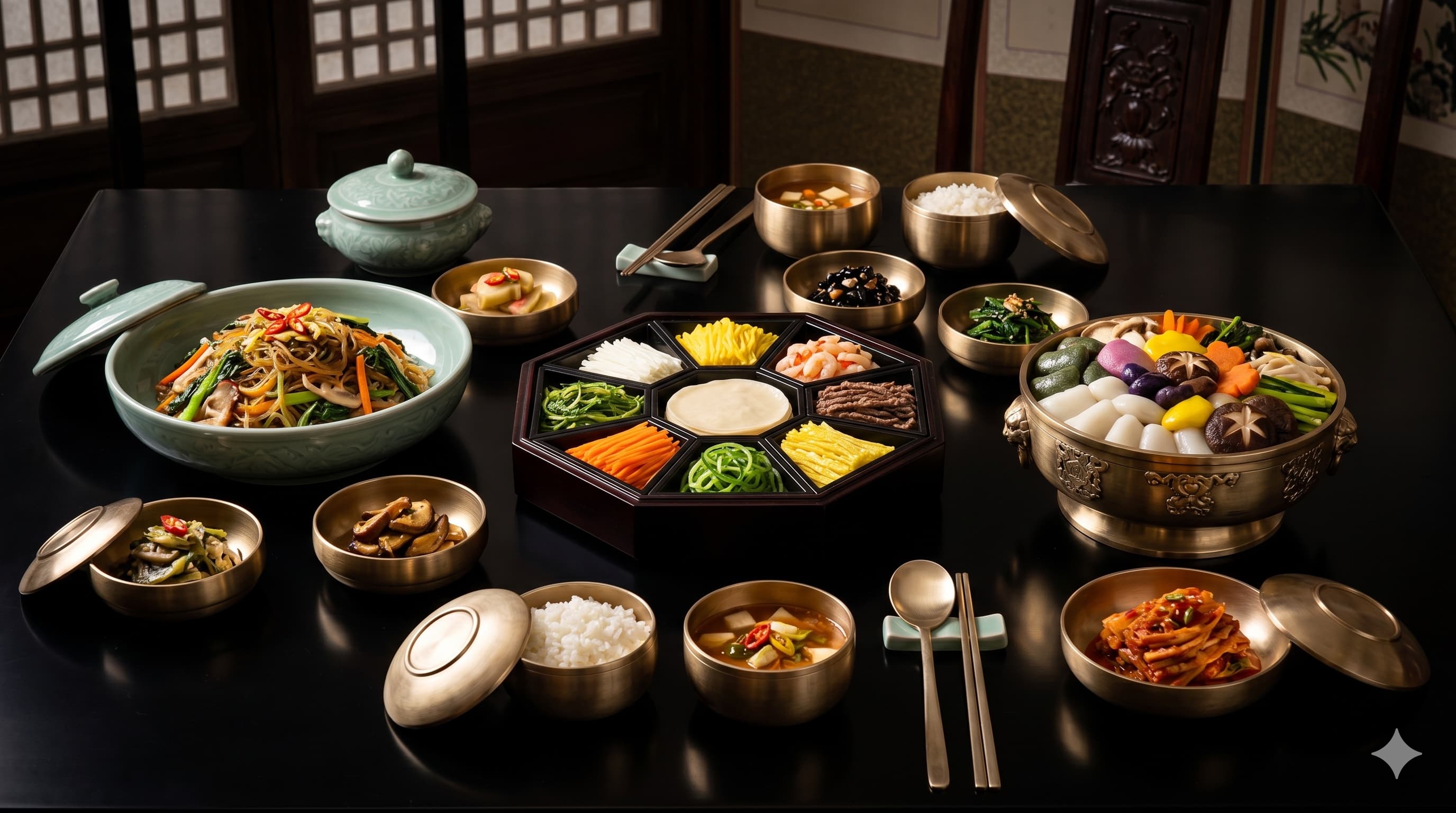
Korean Royal Court Cuisine Adapted for Vegans
The elaborate feasts of Korea's Joseon dynasty set the standard for Korean fine dining. Discover how these regal dishes can be reimagined as stunning plant-based creations.
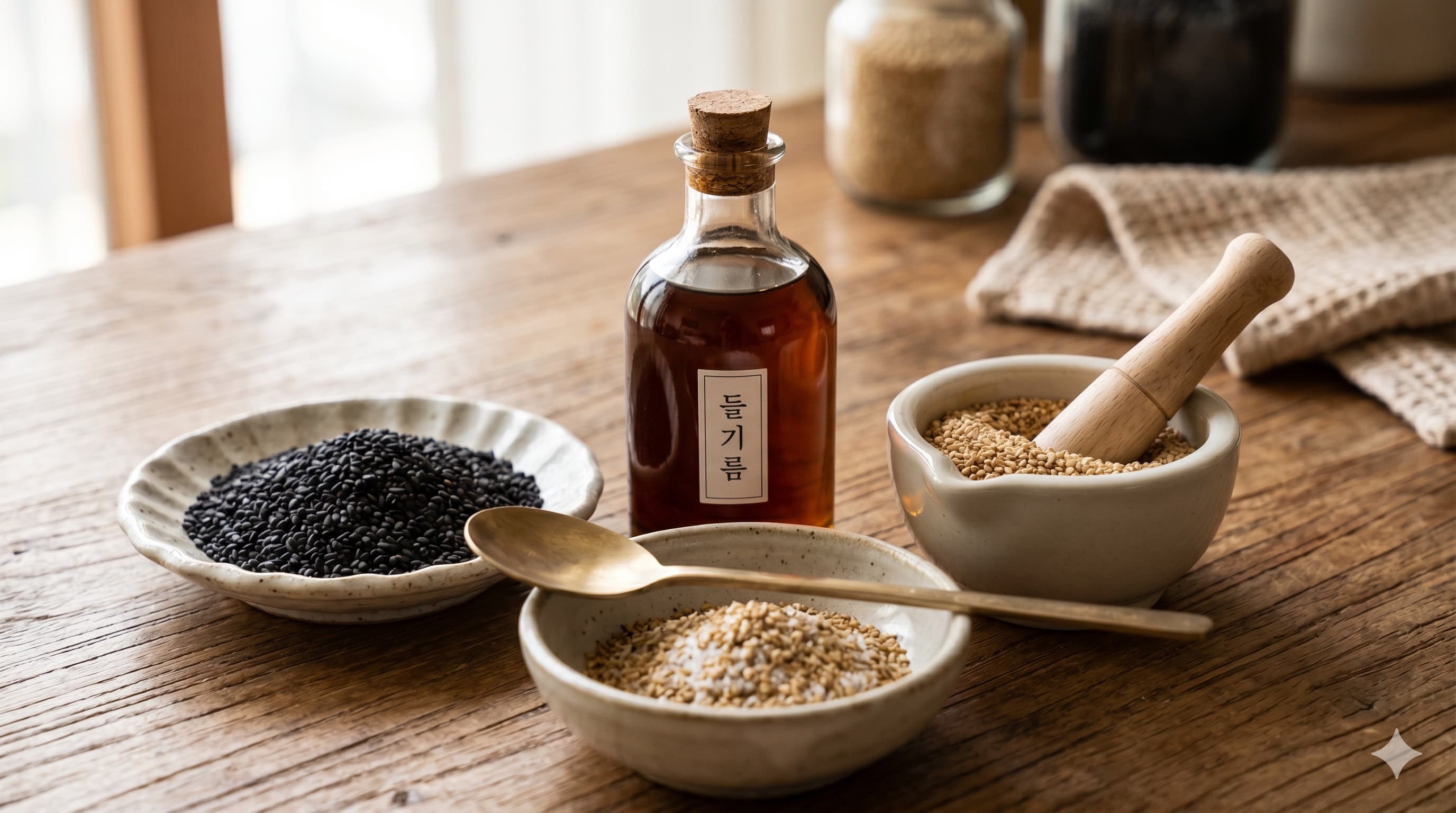
The Role of Sesame in Korean Nutrition and Medicine
Sesame oil, seeds, and salt — these humble ingredients are the aromatic backbone of Korean cuisine. Discover why the Donguibogam considers sesame one of the most important medicinal foods.
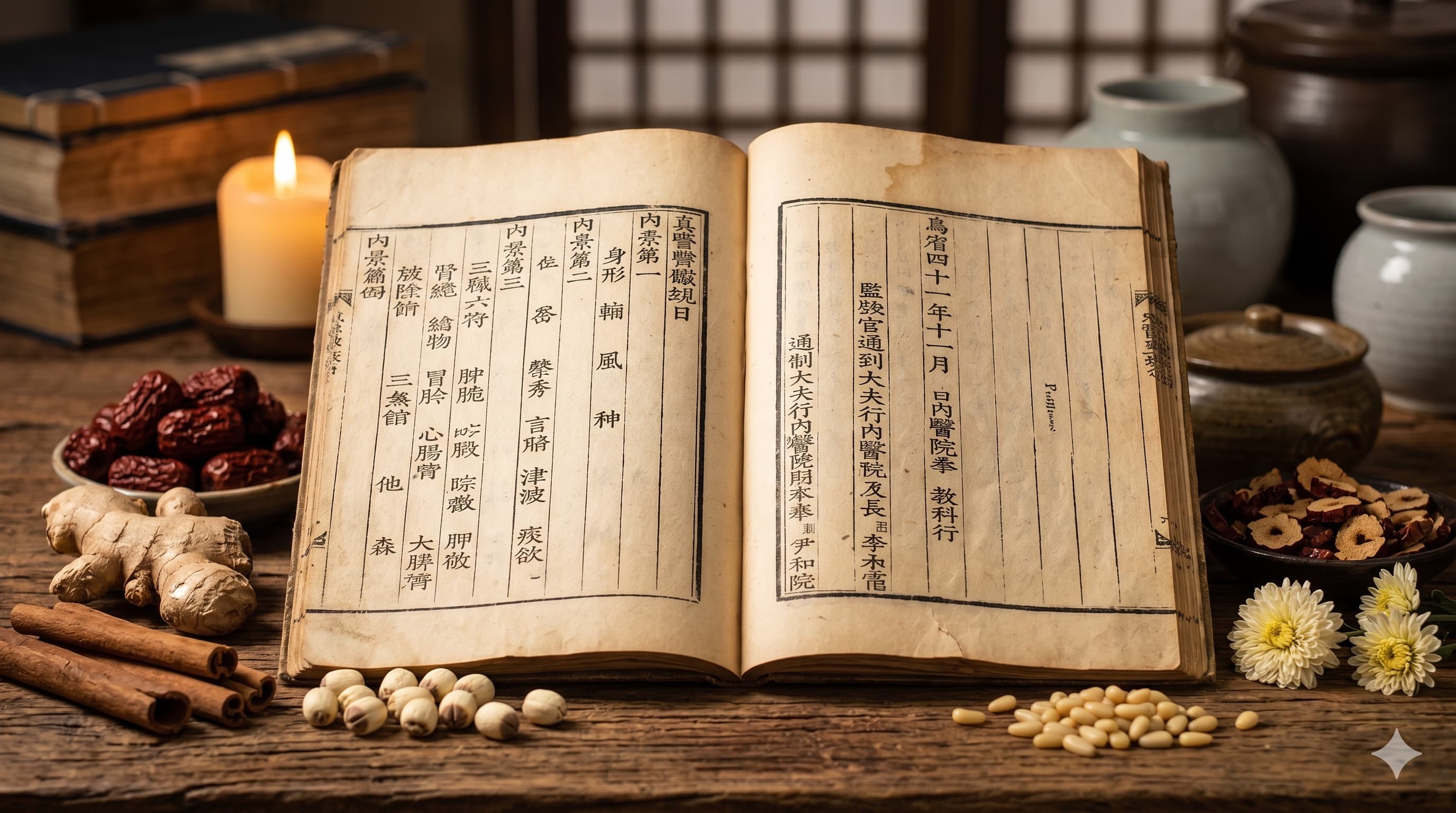
Donguibogam Food Therapy: Eating for Your Constitution
Korea's foundational medical text, the Donguibogam, teaches that food is medicine. Discover how this 400-year-old wisdom guides Korean plant-based eating by body type and season.
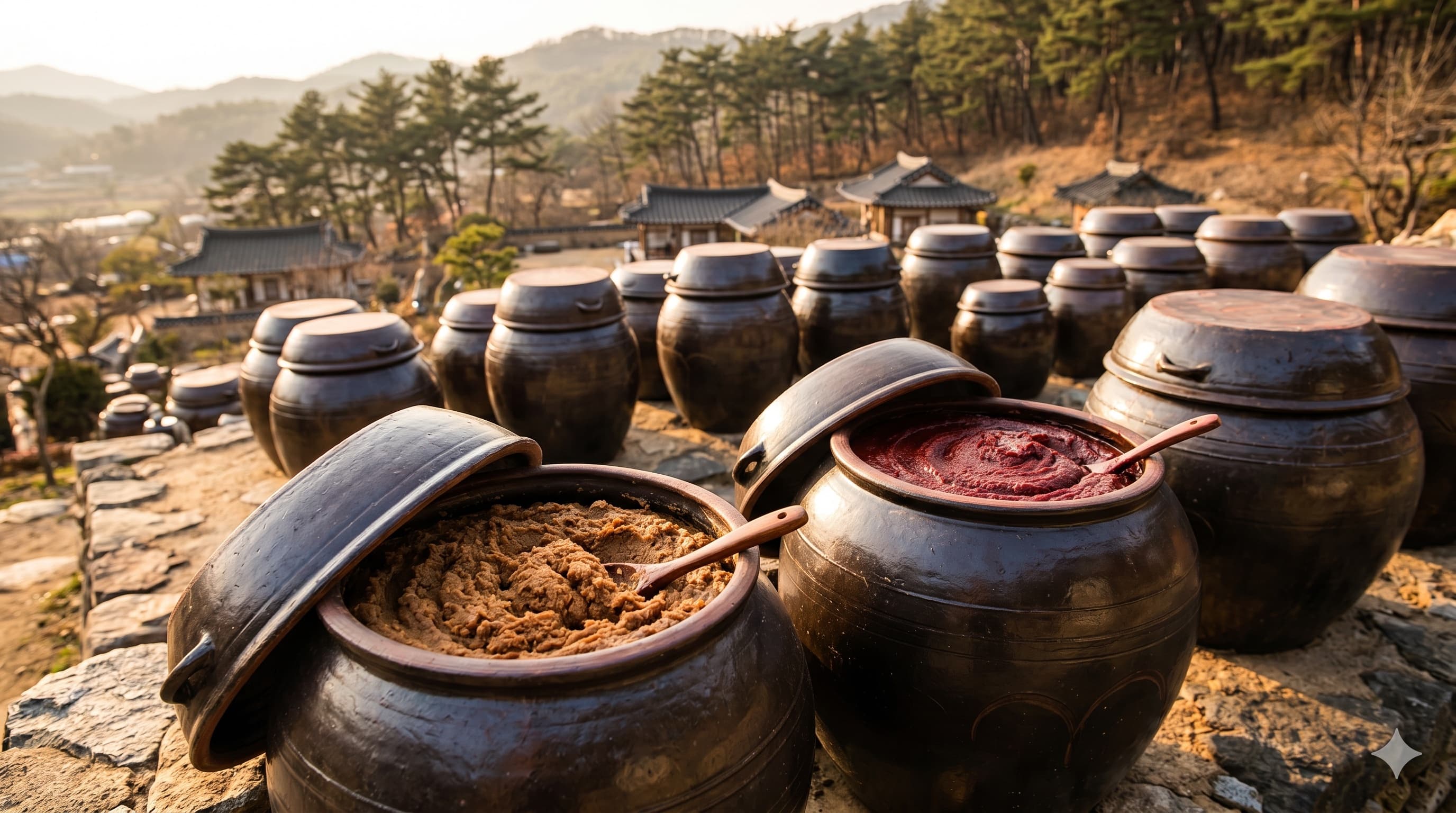
Korean Fermented Foods: A Vegan Guide
Navigate the world of Korean fermentation as a vegan — from fish-sauce-free kimchi to plant-based doenjang and beyond.
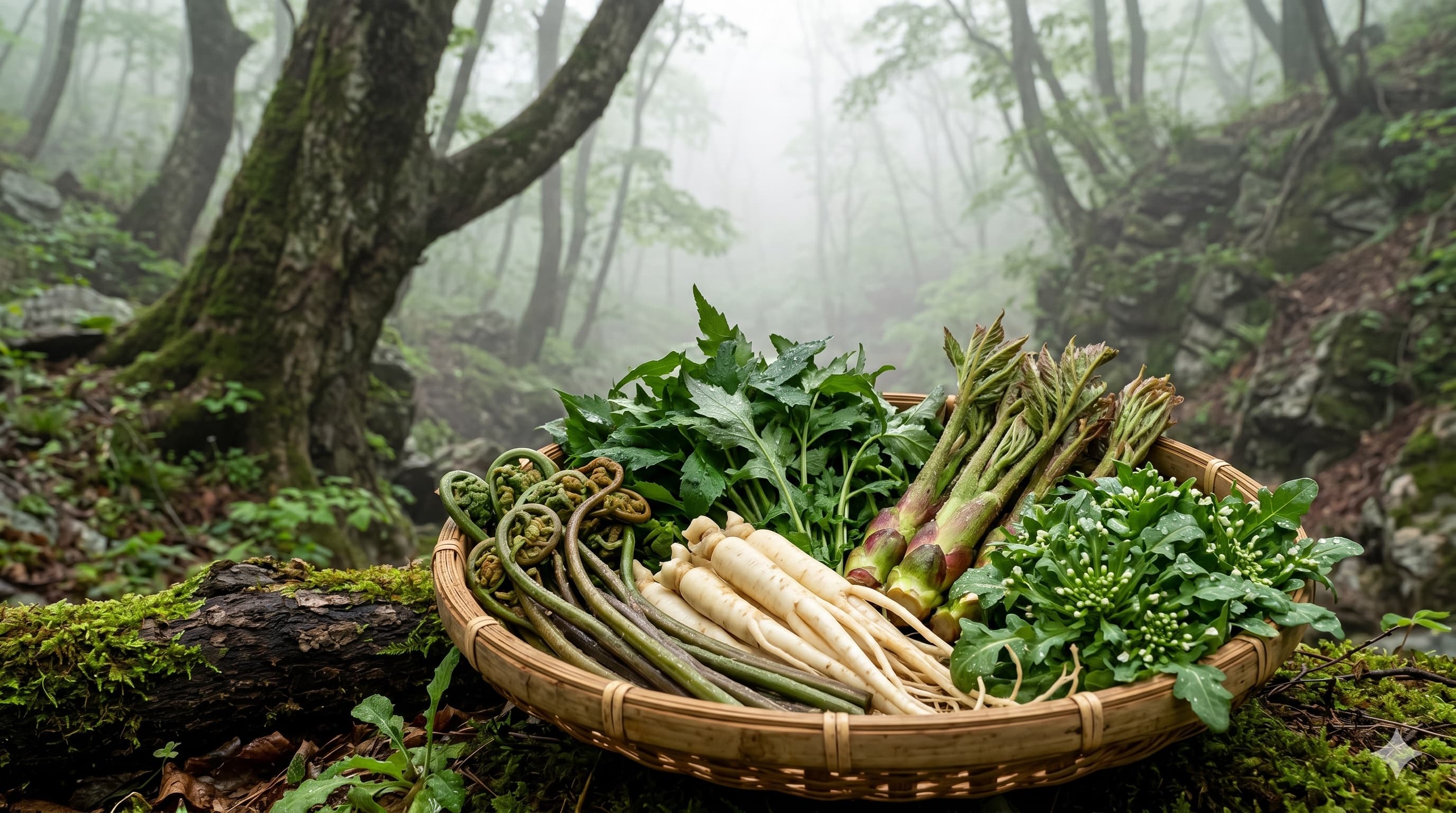
Korean Mountain Vegetables: A Guide to Sanyae Namul
Explore the wild mountain greens central to Korean cuisine — from fernbrake and balloon flower root to water parsley and shepherd's purse — and learn how they connect to seasonal wellness.
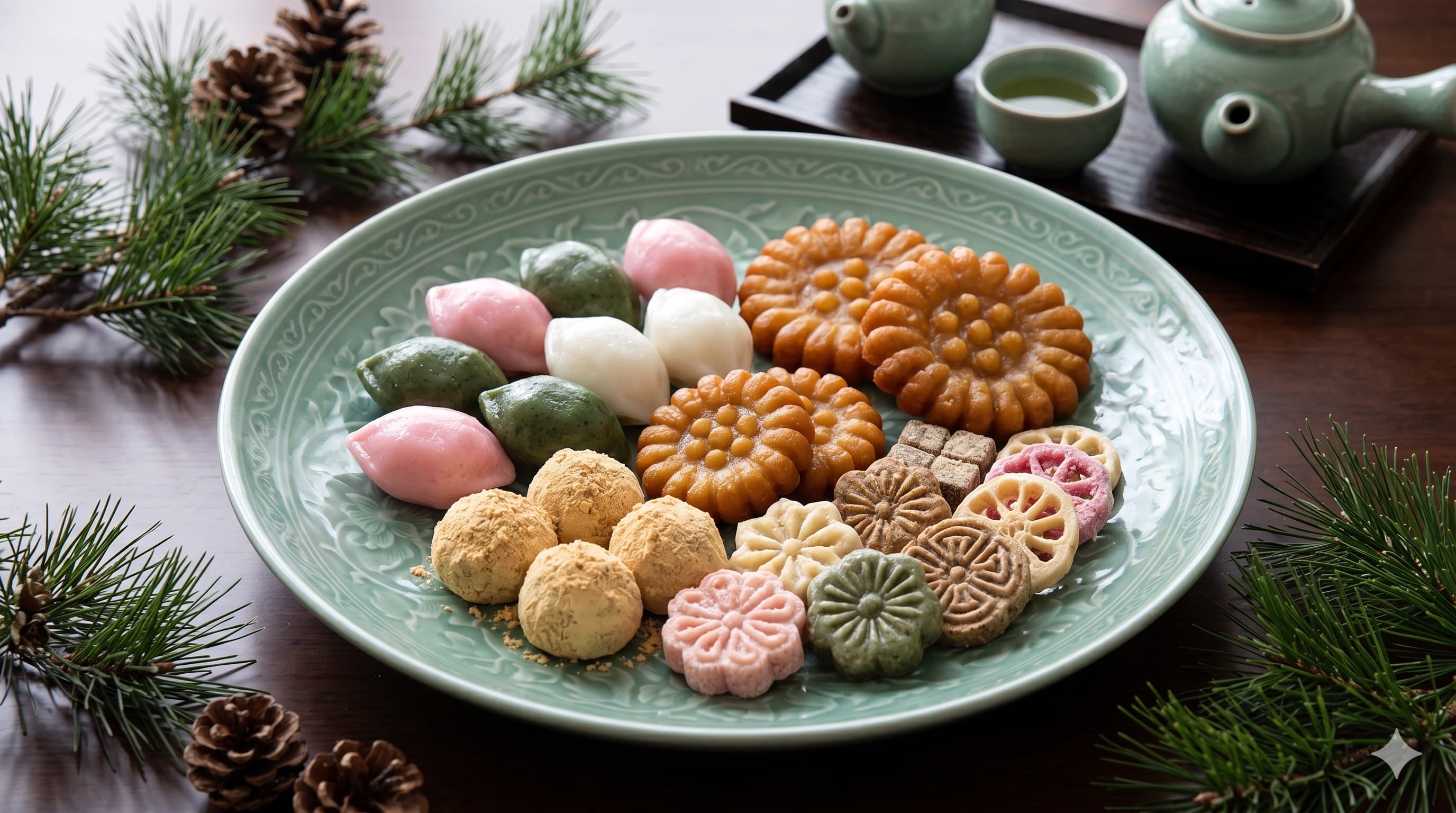
Korean Vegan Desserts: Tteok, Yakgwa, and Beyond
Korean traditional sweets are naturally dairy-free and egg-free. Explore the world of rice cakes, honey pastries, and fruit confections that make Korean dessert culture a vegan paradise.
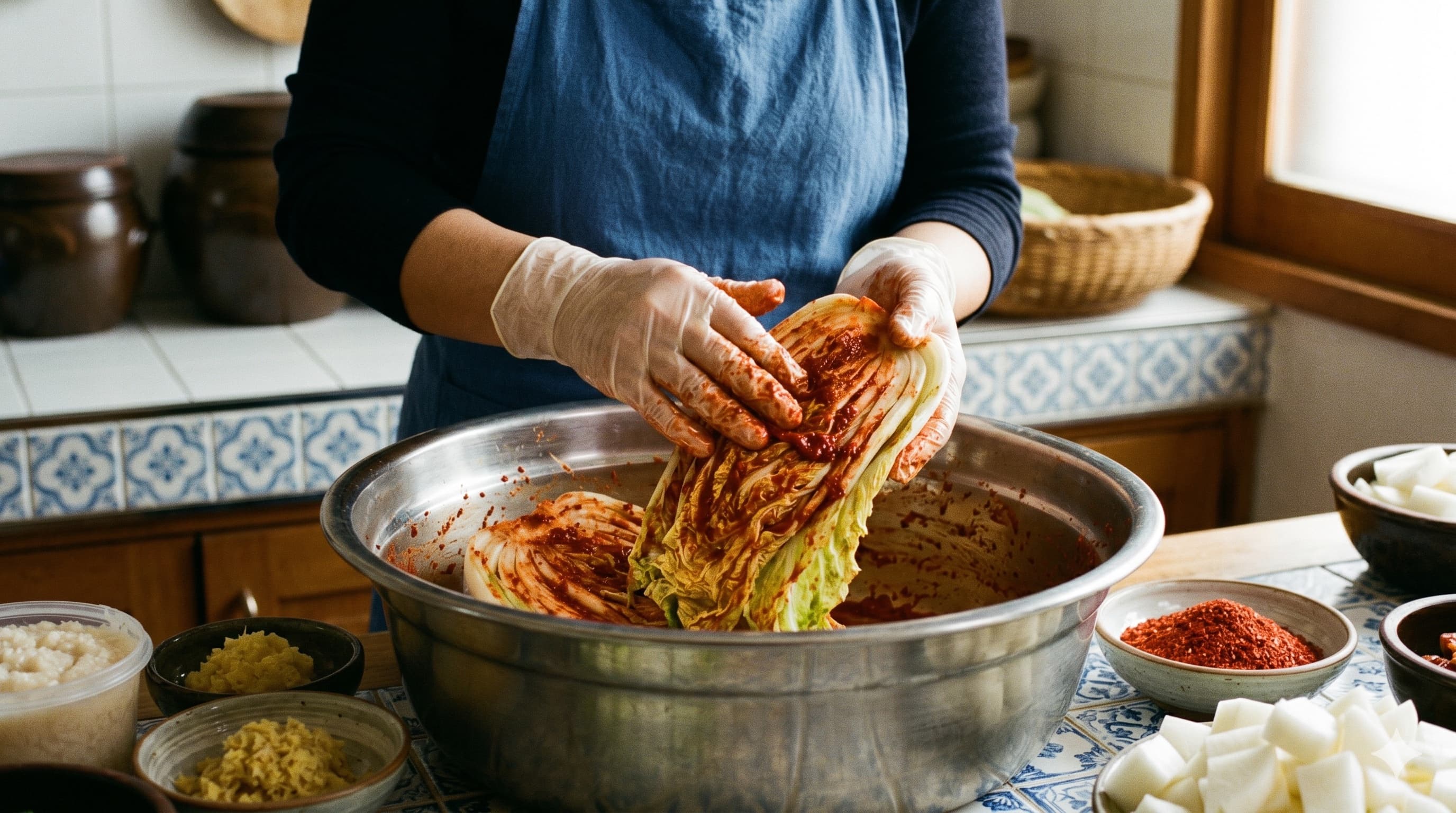
Kimchi Without Fish Sauce: Authentic Vegan Kimchi Making
Traditional kimchi relies on fish sauce and shrimp paste, but the oldest kimchi recipes were entirely plant-based. Learn how to make deeply flavorful vegan kimchi at home.
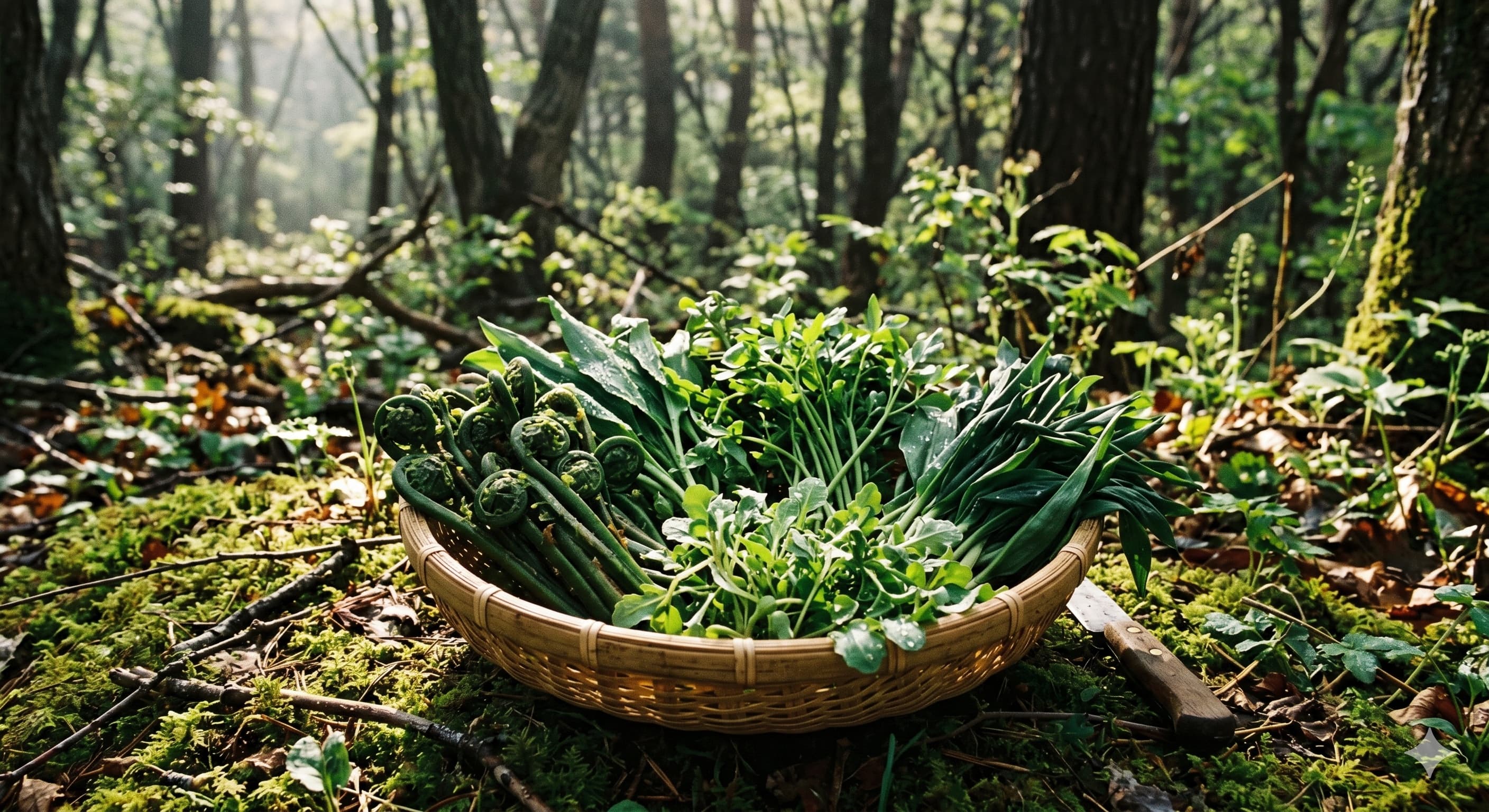
Wild Greens of Korea: A Seasonal Foraging Calendar
Follow the Korean foraging year from the first spring shoots to autumn's mushroom harvests, and discover how wild plants connect Korean cuisine to the rhythms of nature.
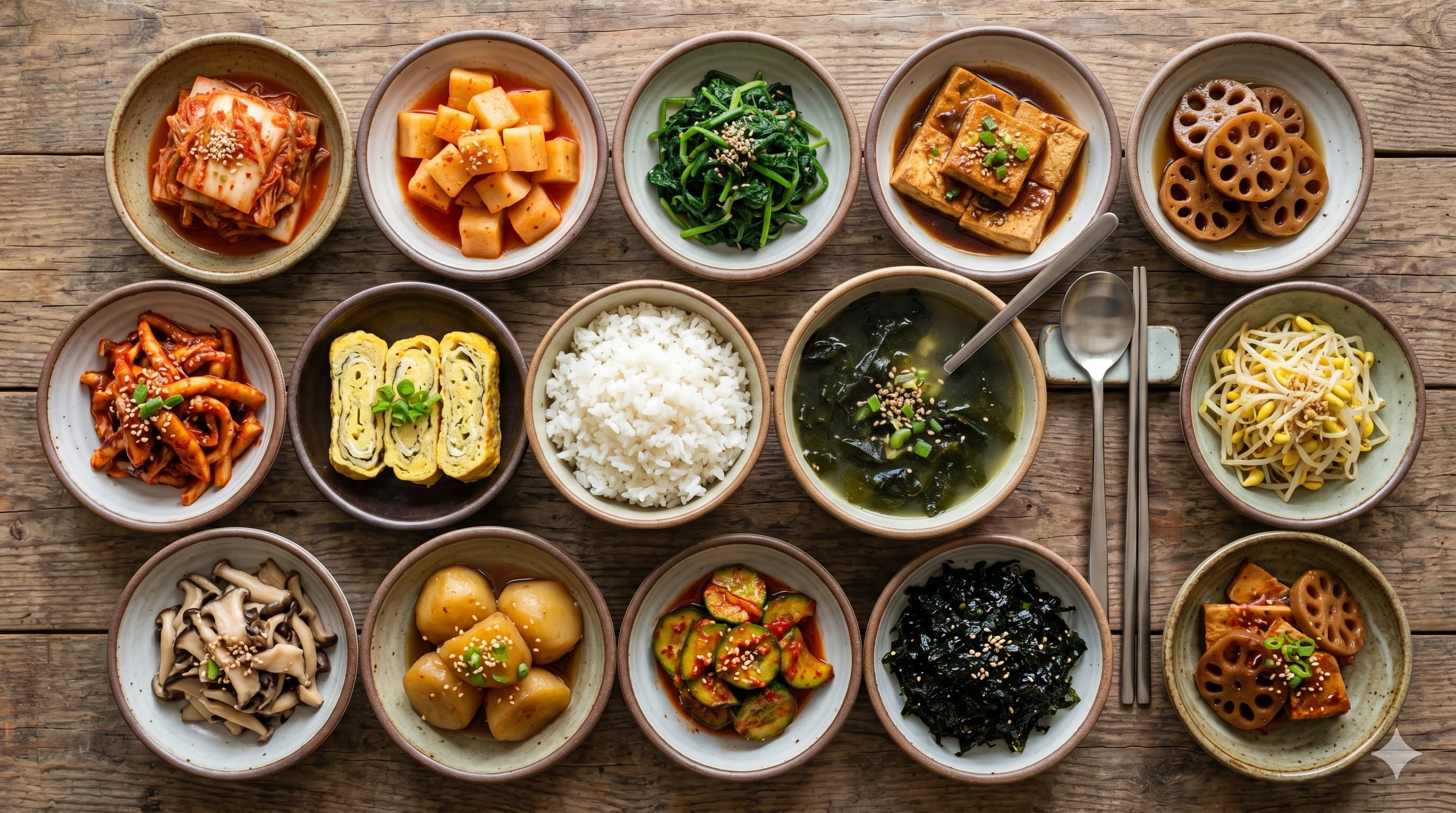
The Art of Korean Banchan: Small Side Dishes Explained
Learn the philosophy behind Korea's beloved banchan tradition — the colorful array of small dishes that transform every meal into a balanced, nourishing feast.
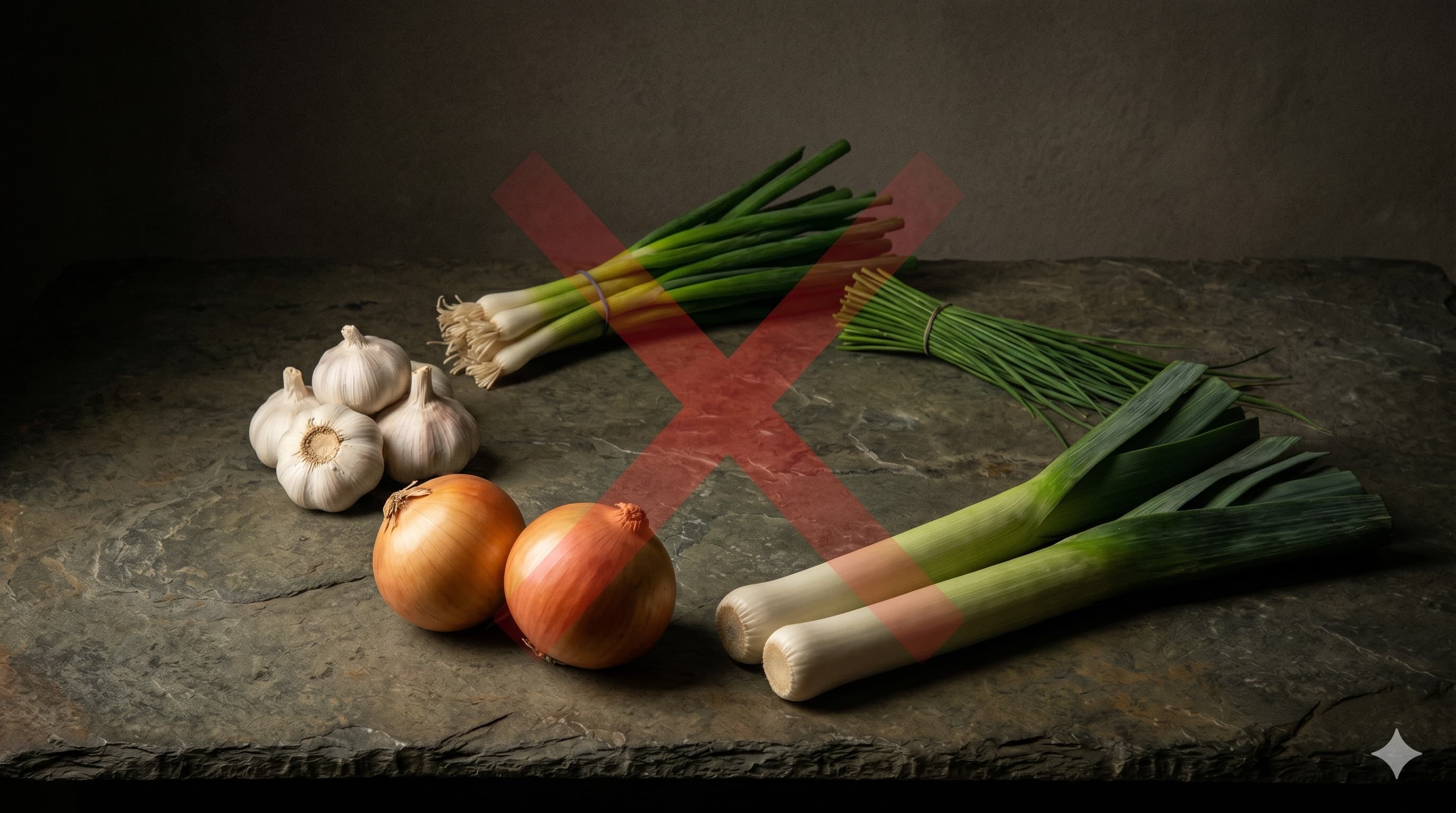
Osinchae Explained: The Five Pungent Vegetables in Buddhism
Learn why Buddhist cuisine avoids garlic, onions, and three other alliums — and discover flavorful alternatives for your cooking.
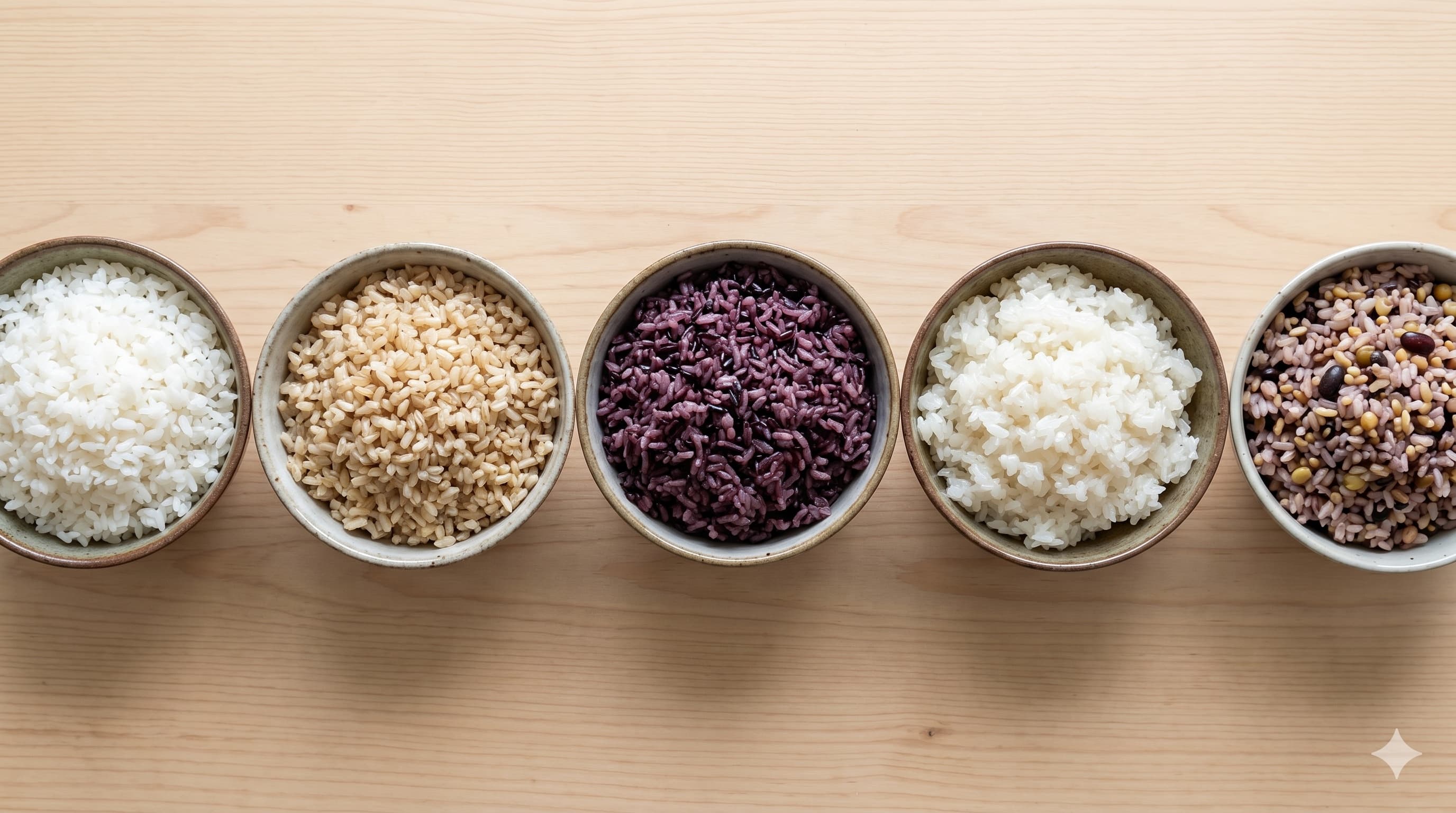
Korean Rice Varieties and Their Health Benefits
From nutty brown rice to antioxidant-rich black rice, explore the diverse world of Korean rice varieties and how they nourish your body according to traditional food wisdom.
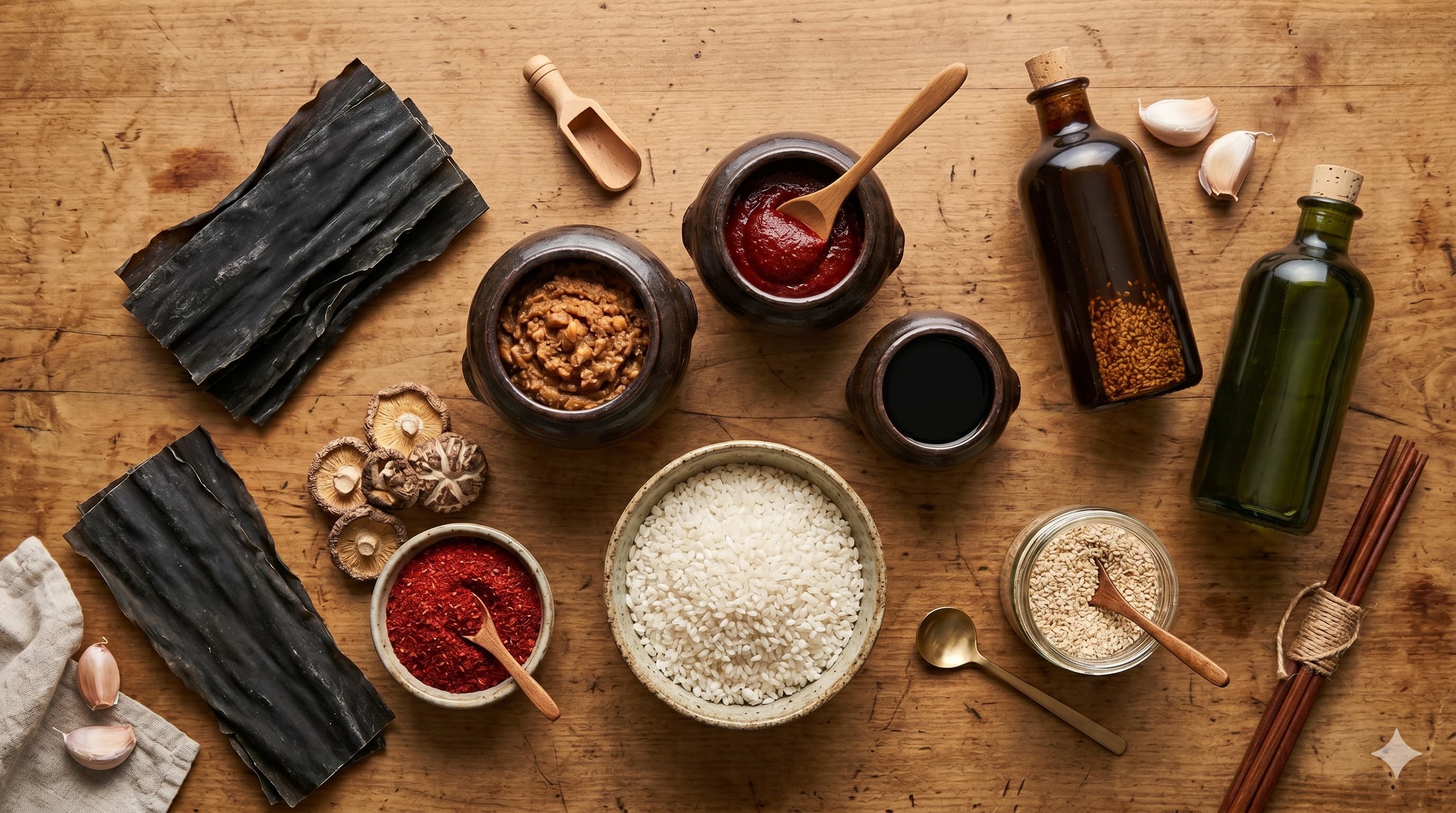
Essential Korean Vegan Pantry: 10 Ingredients You Need
Stock these 10 foundational ingredients to cook authentic Korean plant-based dishes at home, from fermented pastes to aromatic oils.
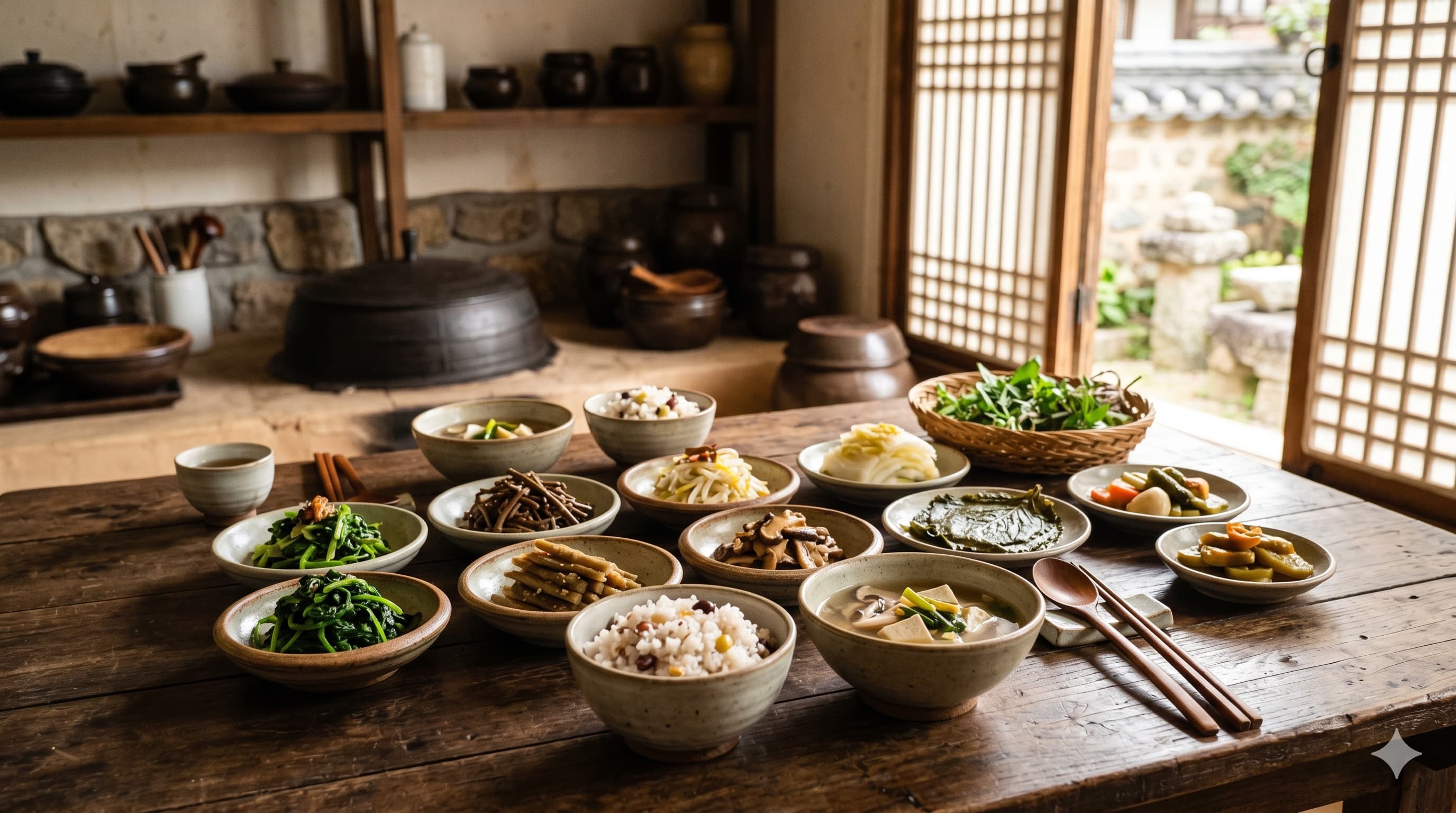
What is Korean Temple Food? A Complete Guide
Discover the centuries-old tradition of Korean Buddhist temple cuisine — a mindful, plant-based culinary practice that nourishes body and spirit.