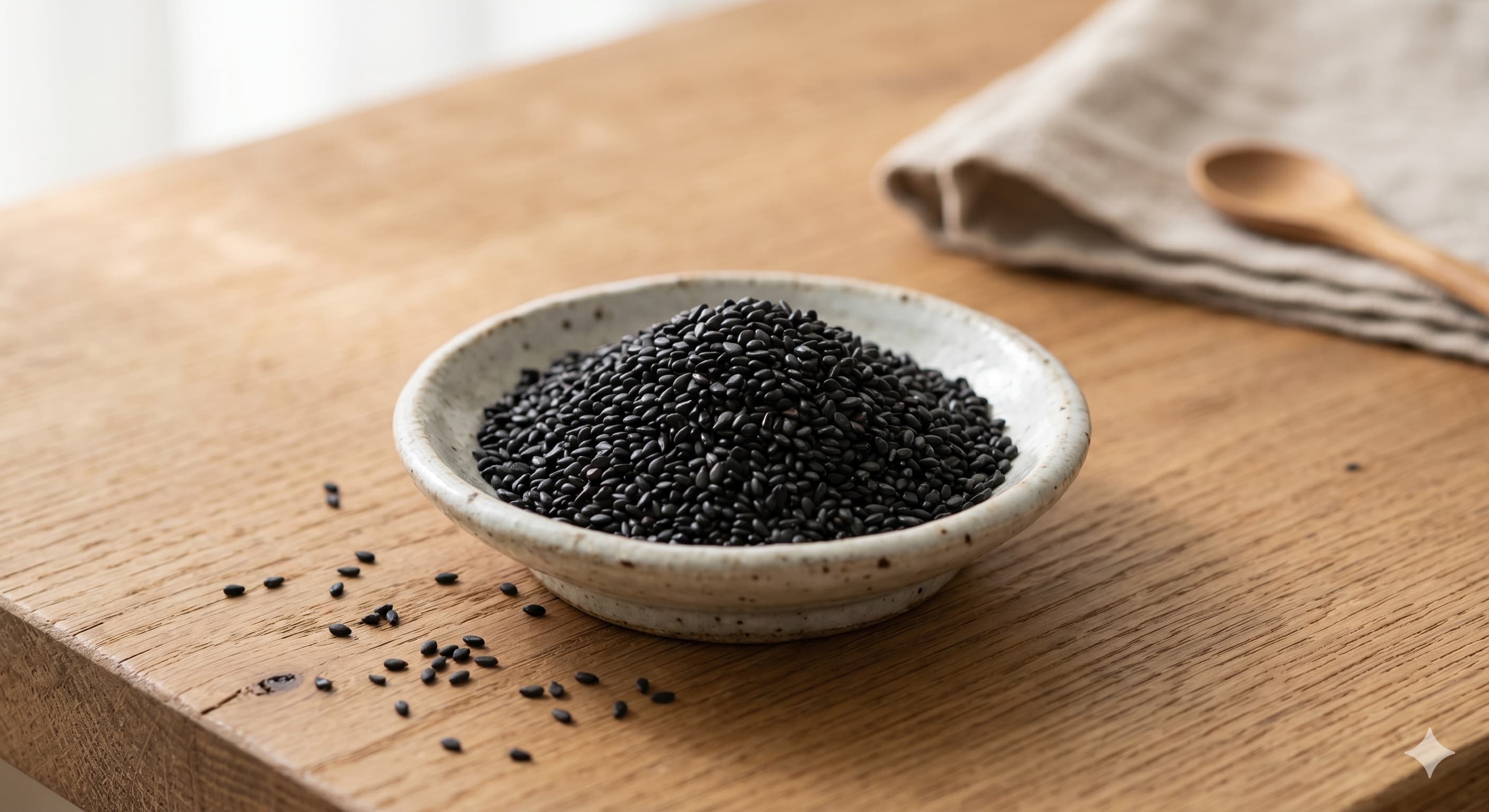
Black Sesame
검정 참깨
Geomjeong Chamkkae
🍂AutumnYear-round
Deep, rich nuttiness with earthy, slightly bittersweet undertones — more complex and intense than white sesame with a roasted, almost coffee-like depth
neutral nature|Kidney, Liver, Spleen
Discover Asian ingredients with their traditional medicine properties and seasonal availability
123 ingredient(s) found
검정 참깨
Geomjeong Chamkkae
Deep, rich nuttiness with earthy, slightly bittersweet undertones — more complex and intense than white sesame with a roasted, almost coffee-like depth
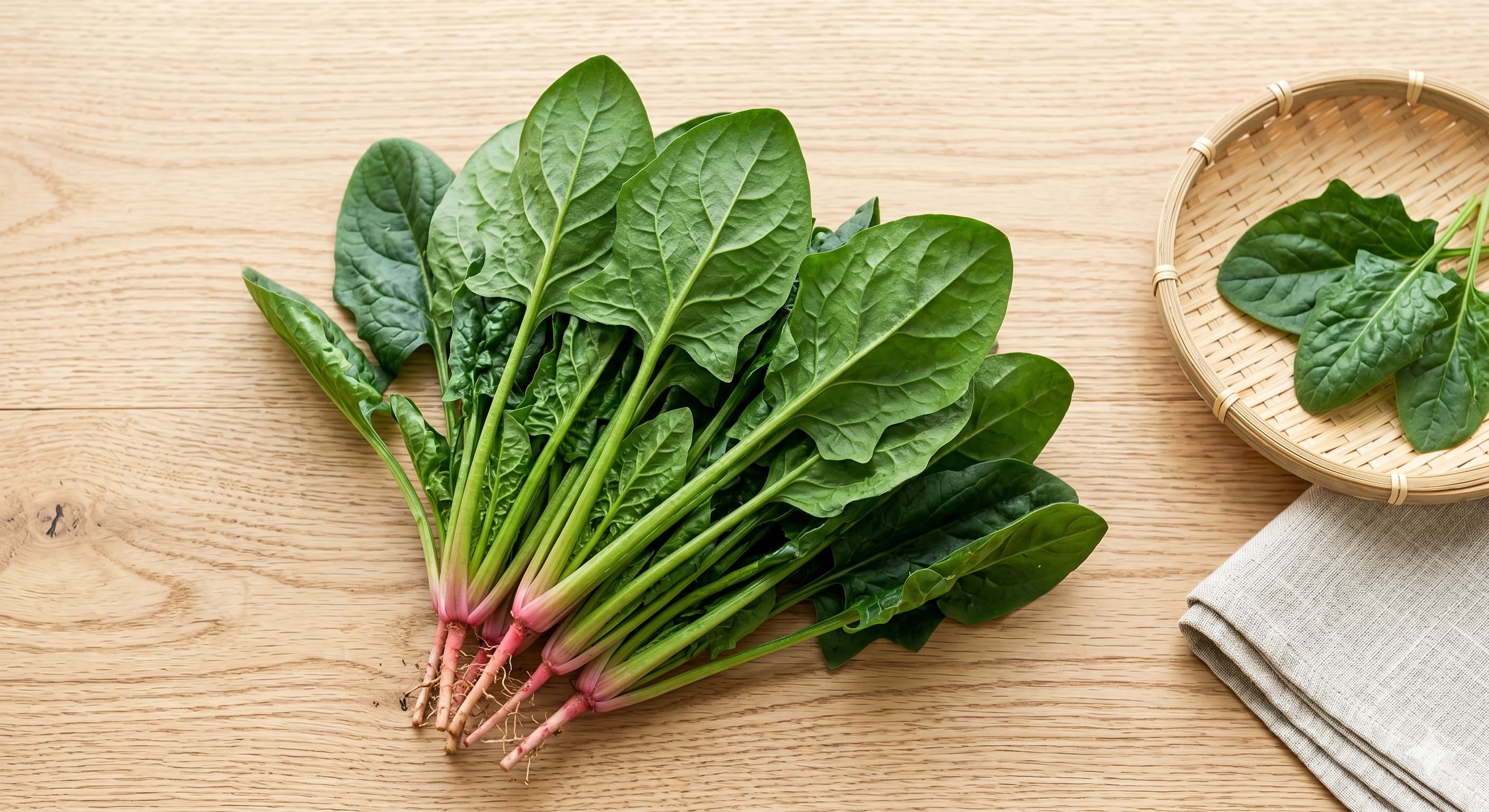
시금치
Sigeumchi
Mild, slightly sweet with gentle earthy undertones; Korean spinach tends to be more tender and sweeter than Western varieties, especially the spring harvest
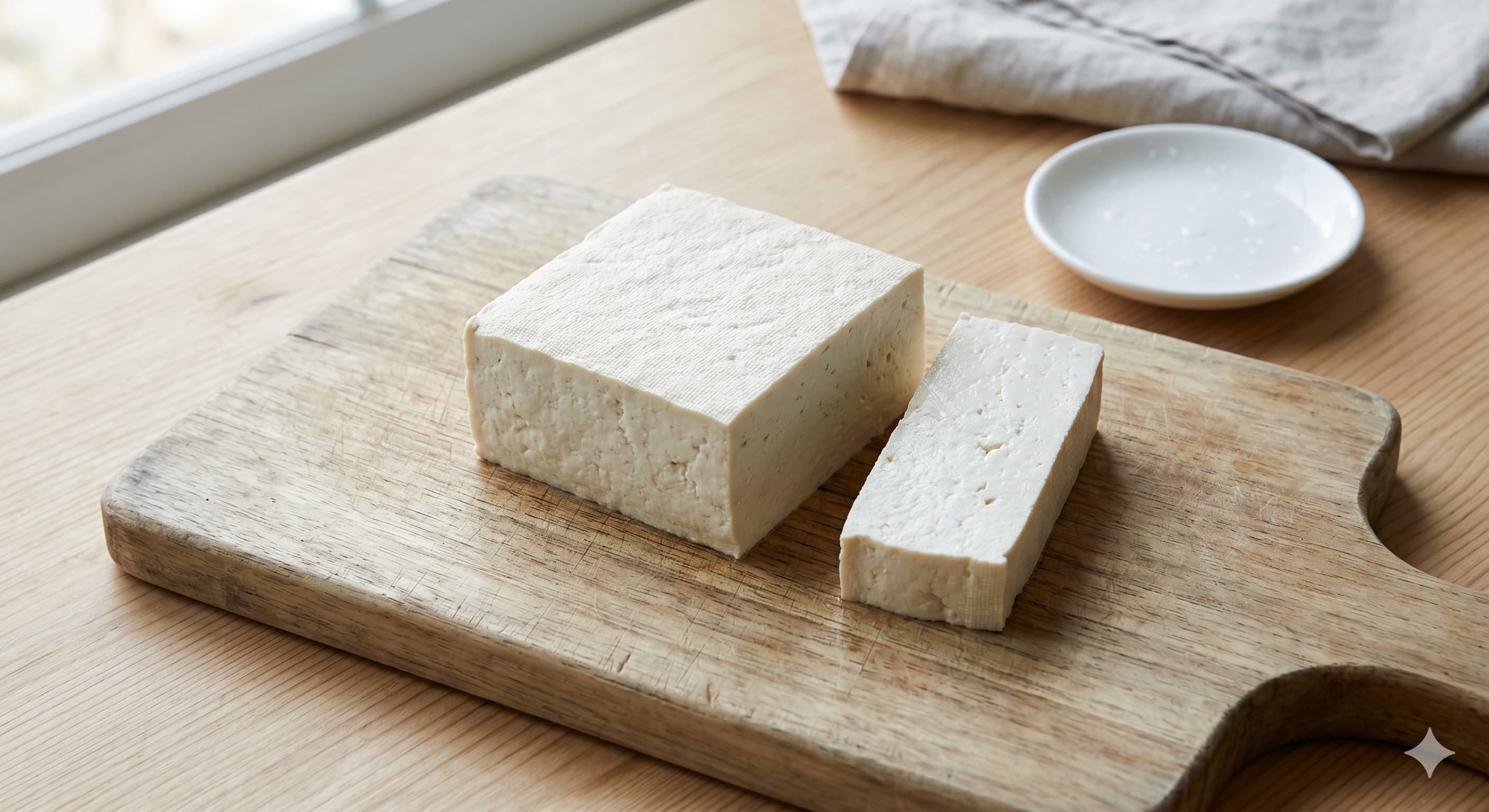
두부
Dubu
Subtle, clean, and faintly sweet with a delicate soy milk essence; acts as a flavor sponge that absorbs sauces and seasonings beautifully
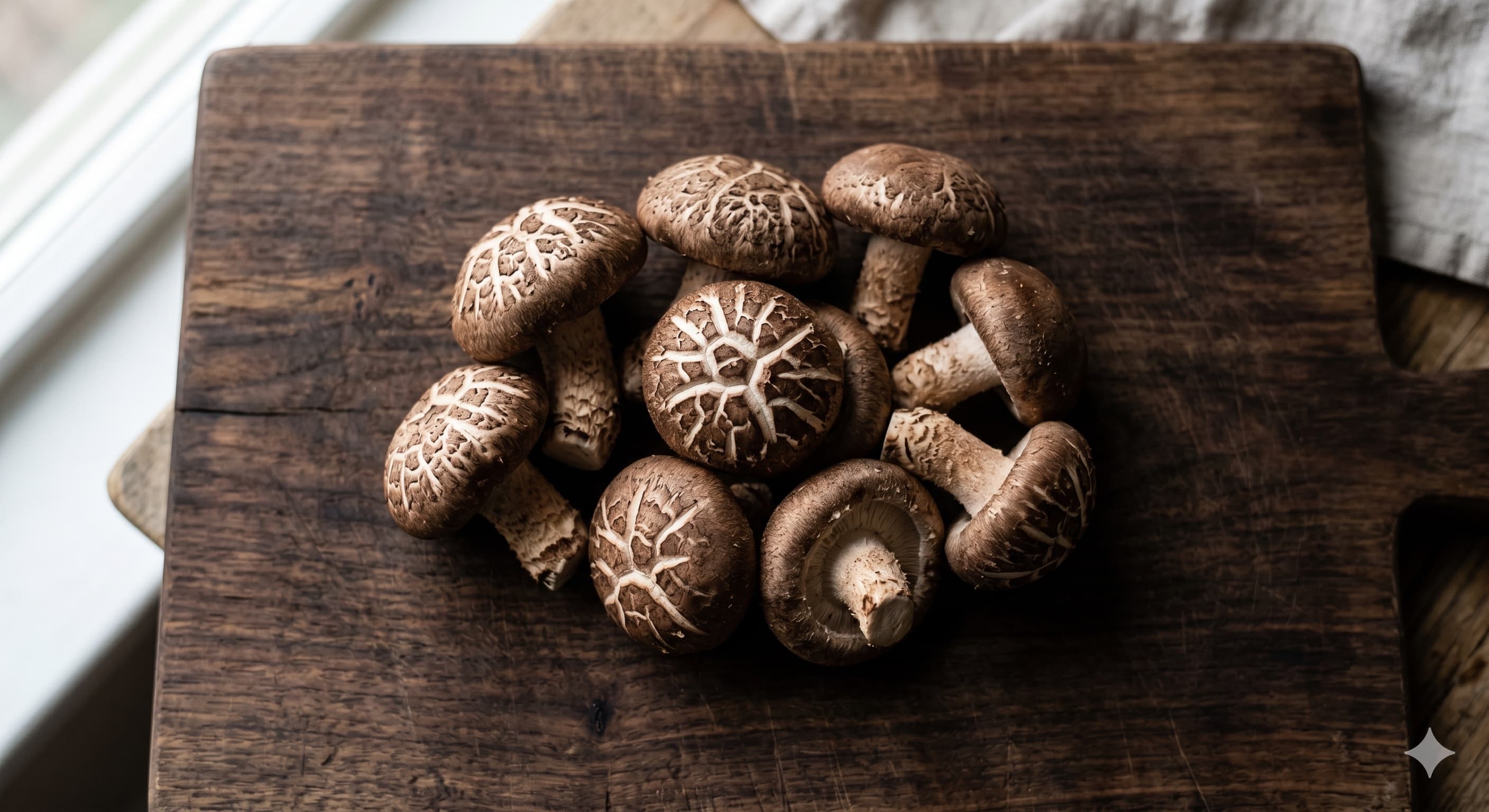
표고버섯
Pyogo-beoseot
Deep, savory umami with a woodsy, smoky quality; dried shiitake has an intensely concentrated flavor that serves as a natural MSG — a cornerstone of Korean vegetarian cooking
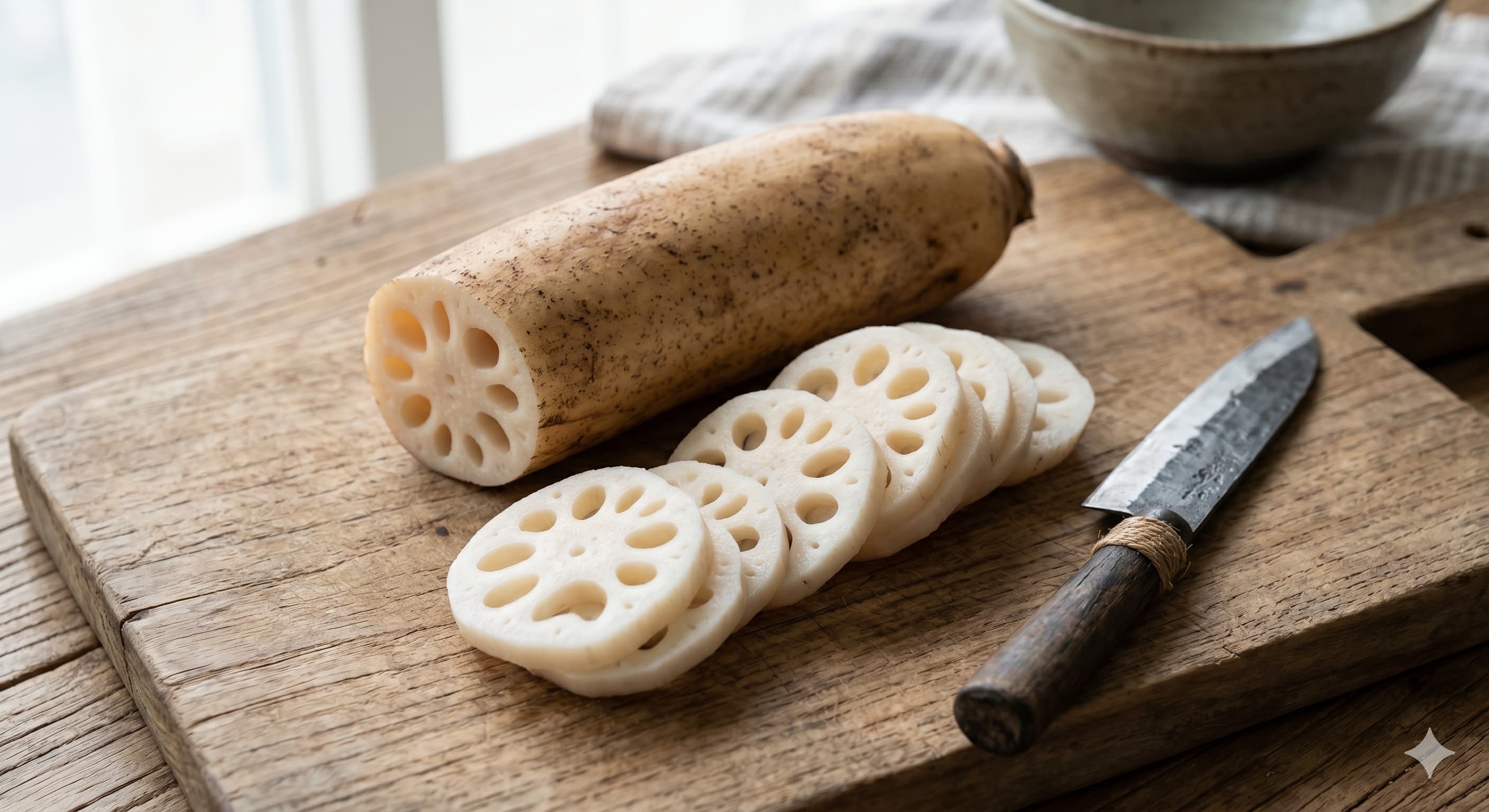
연근
Yeongeun
Mildly sweet and starchy with a clean, almost floral freshness; when braised in soy-sweet sauce, it develops a caramel-like richness
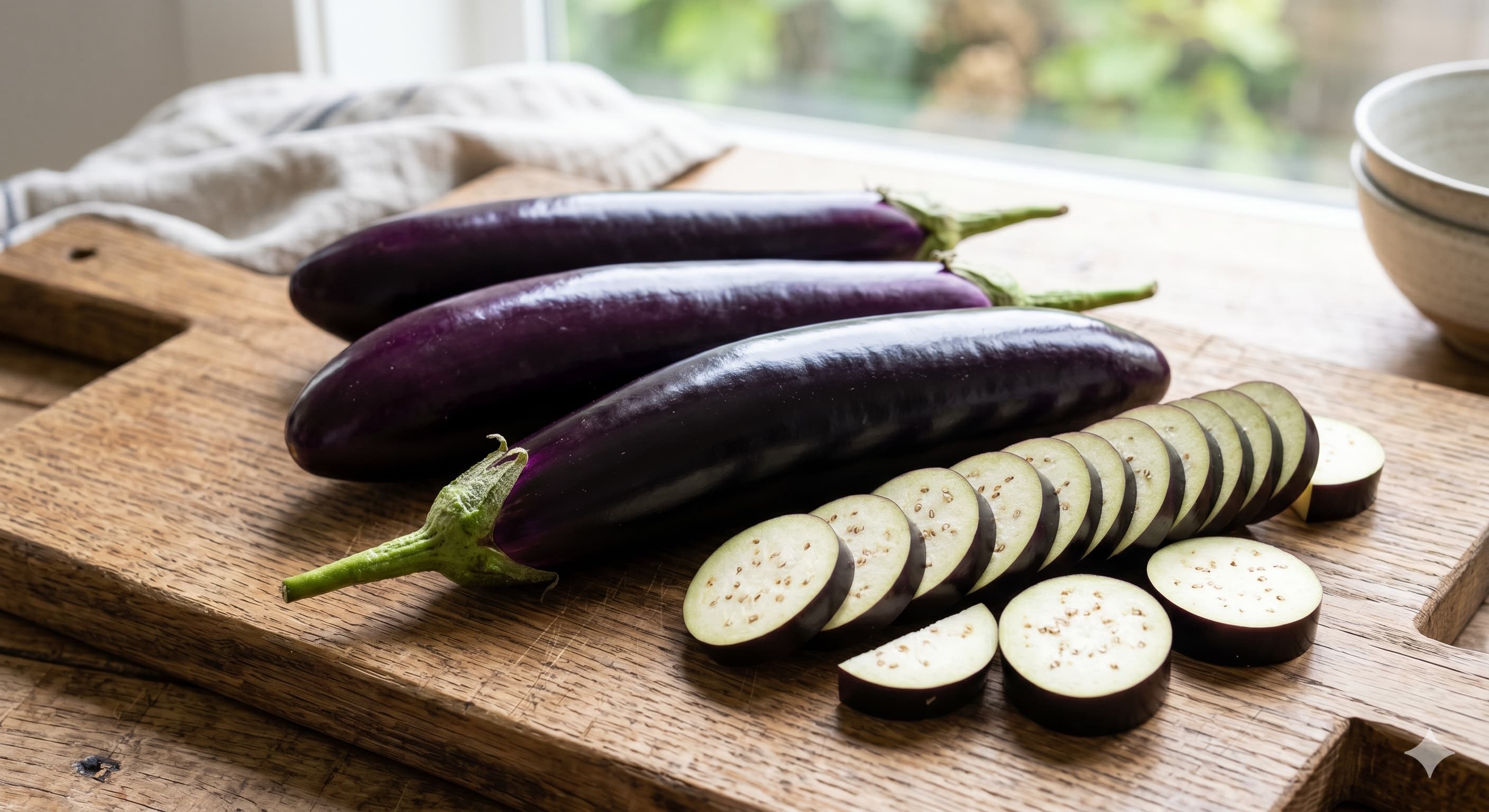
가지
Gaji
Delicate, mildly sweet with a subtle earthy quality; Korean eggplant is less bitter than Western globe varieties and has a more refined, gentle flavor that lends itself to simple preparations
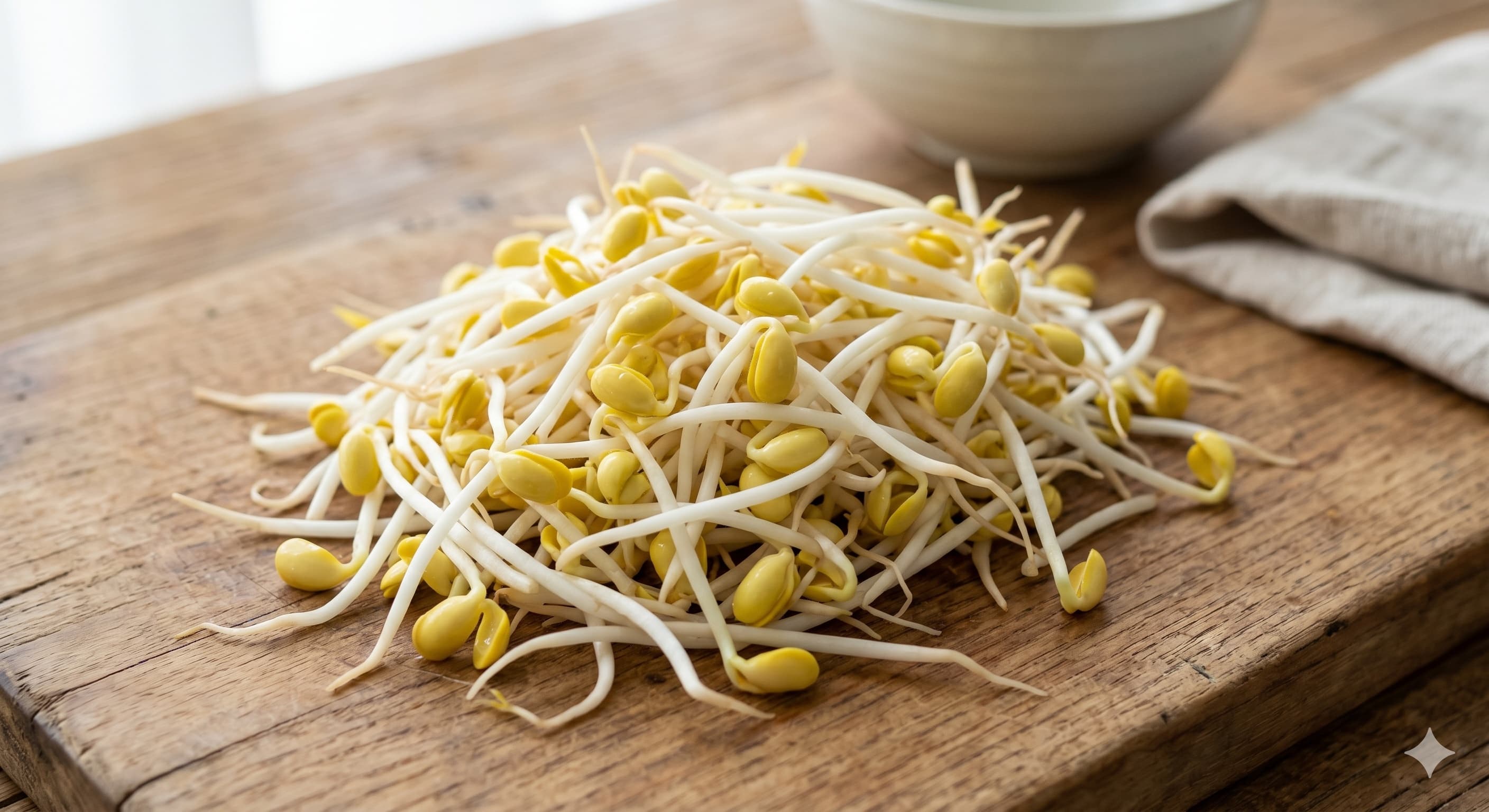
콩나물
Kongnamul
Clean, nutty, and slightly sweet with a fresh bean flavor; the yellow soybean heads have a richer, nuttier taste than the white stems

들기름
Deulgireum
Distinctively herbaceous, grassy, and deeply nutty — quite different from sesame oil. Has an earthy, almost wild quality with subtle minty-herbal undertones that evoke the Korean countryside
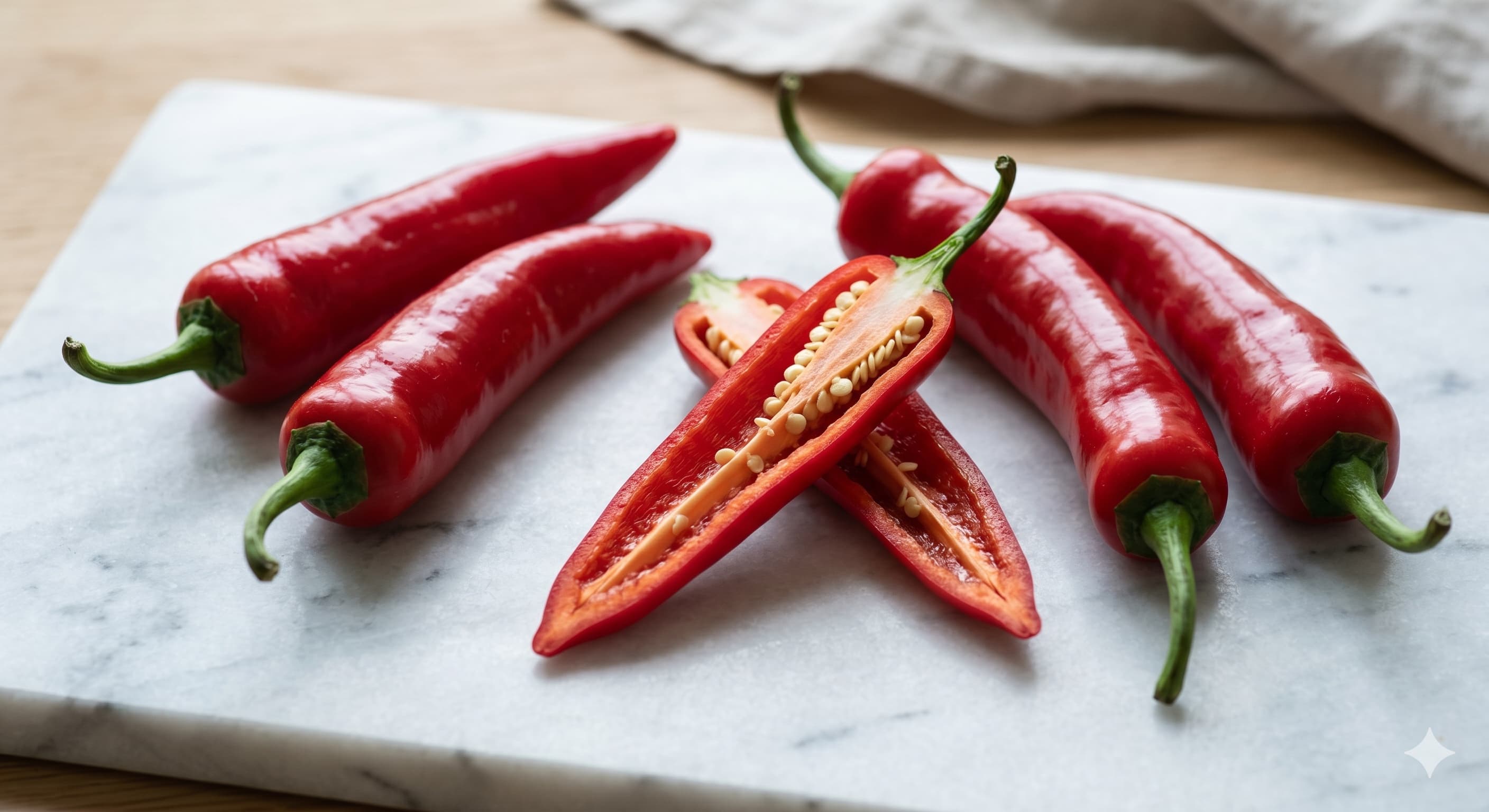
고추
Gochu
Korean gochugaru is uniquely different from other chili flakes — it has a smoky, slightly sweet, fruity heat with sun-dried complexity. The heat builds gradually and lingers warmly rather than attacking sharply. This is what gives Korean food its signature red color and gentle fire.
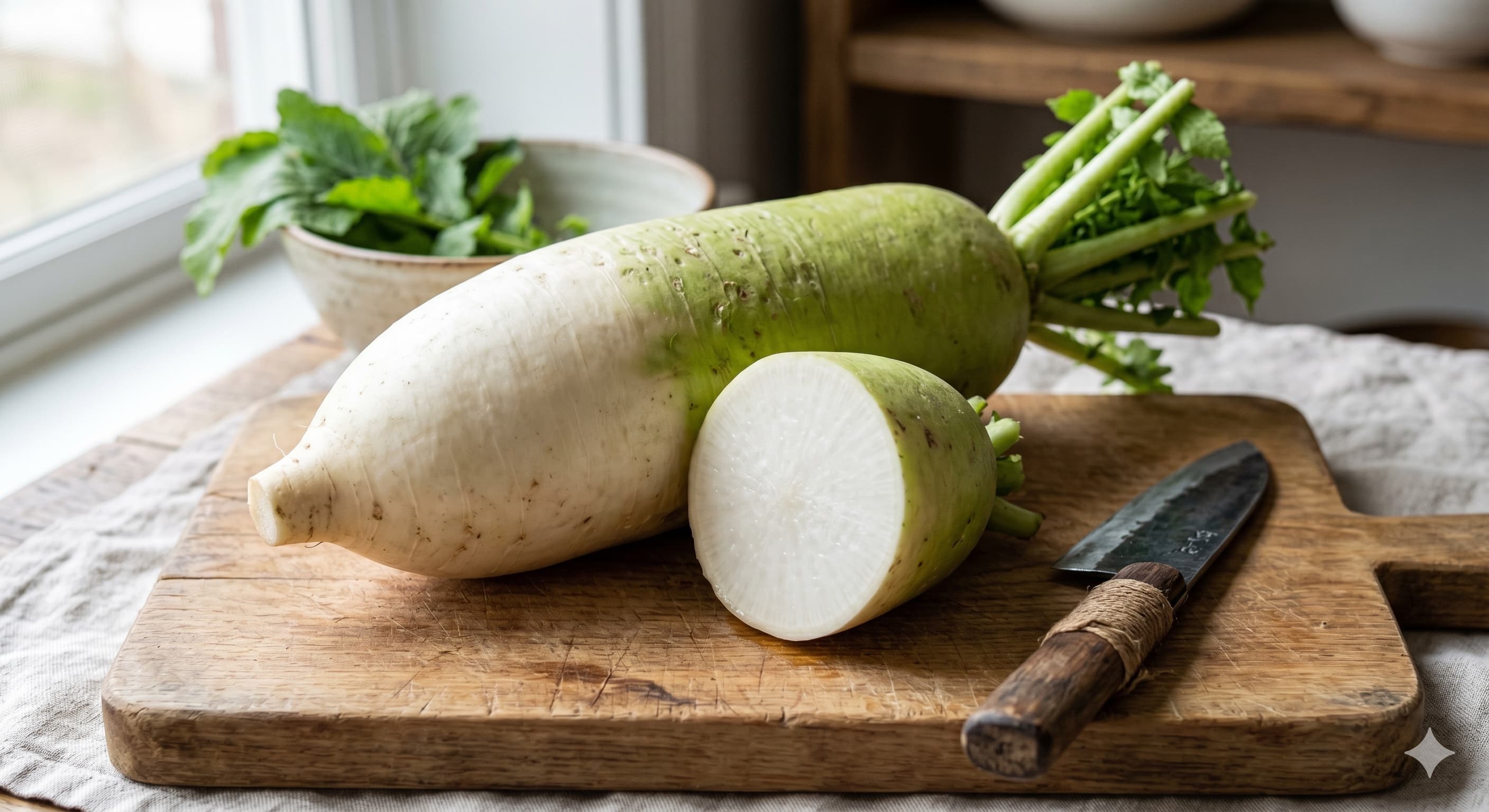
무
Mu
Crisp, juicy, and refreshingly sweet with a mild peppery bite that fades when cooked. Korean radish (무) is denser, sweeter, and less watery than Japanese daikon, with a more concentrated flavor that holds up beautifully in long-cooked soups and stews.
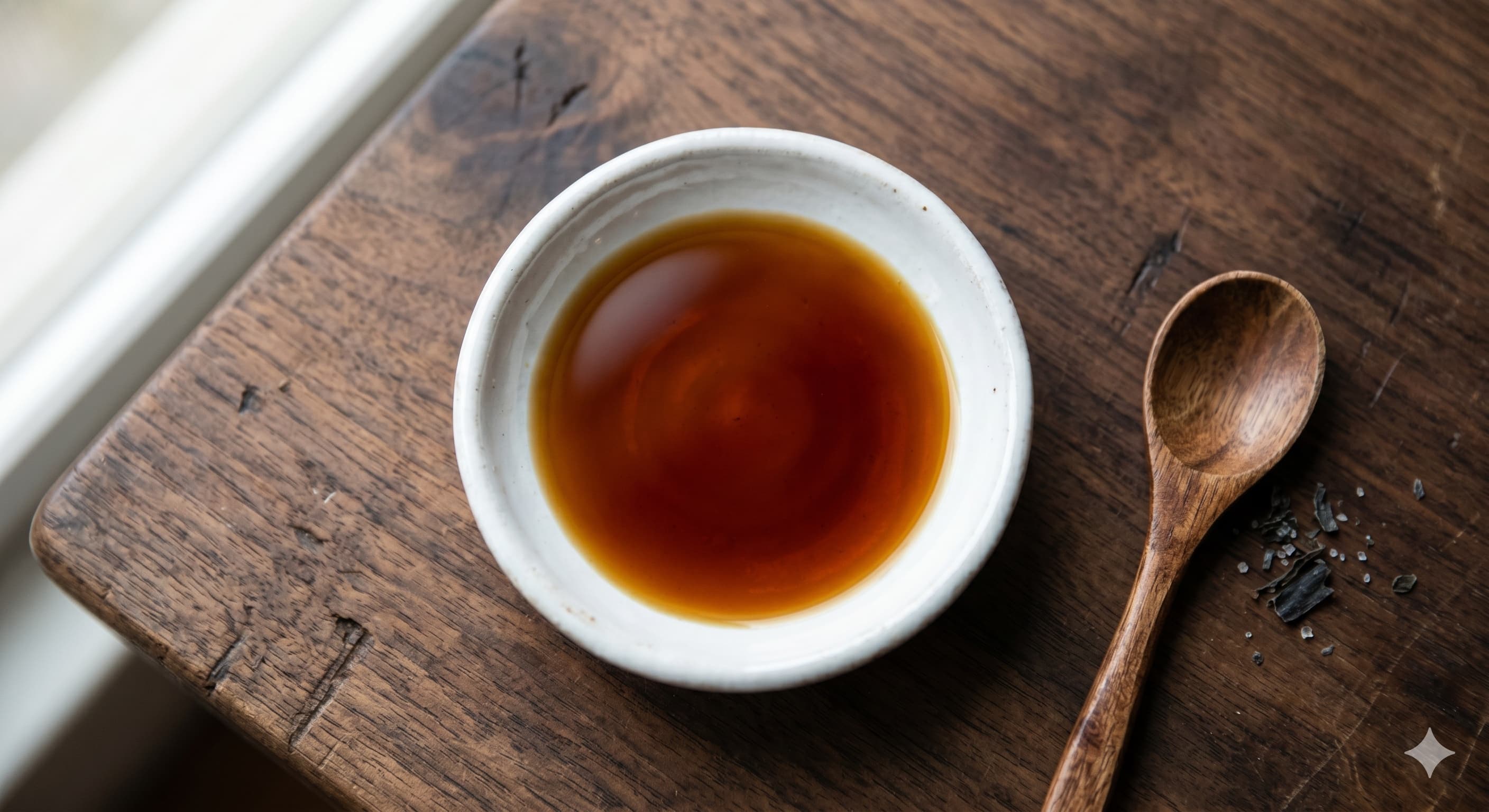
간장
Ganjang
Deep umami with complex salty-sweet notes; aged varieties develop a rich, almost wine-like depth
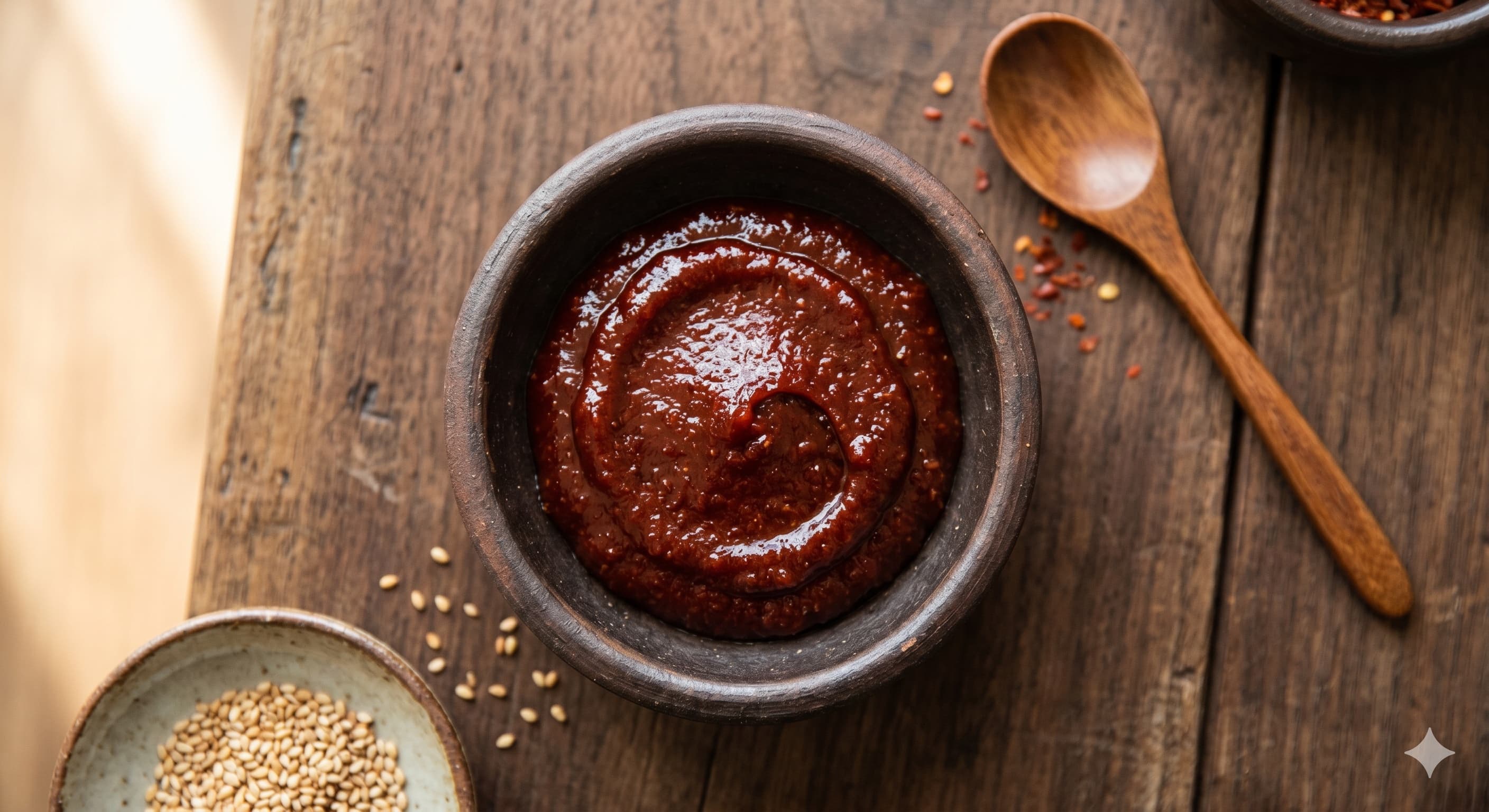
고추장
Gochujang
Complex interplay of sweet, spicy, and savory with deep fermented umami; the heat builds gradually rather than hitting sharply
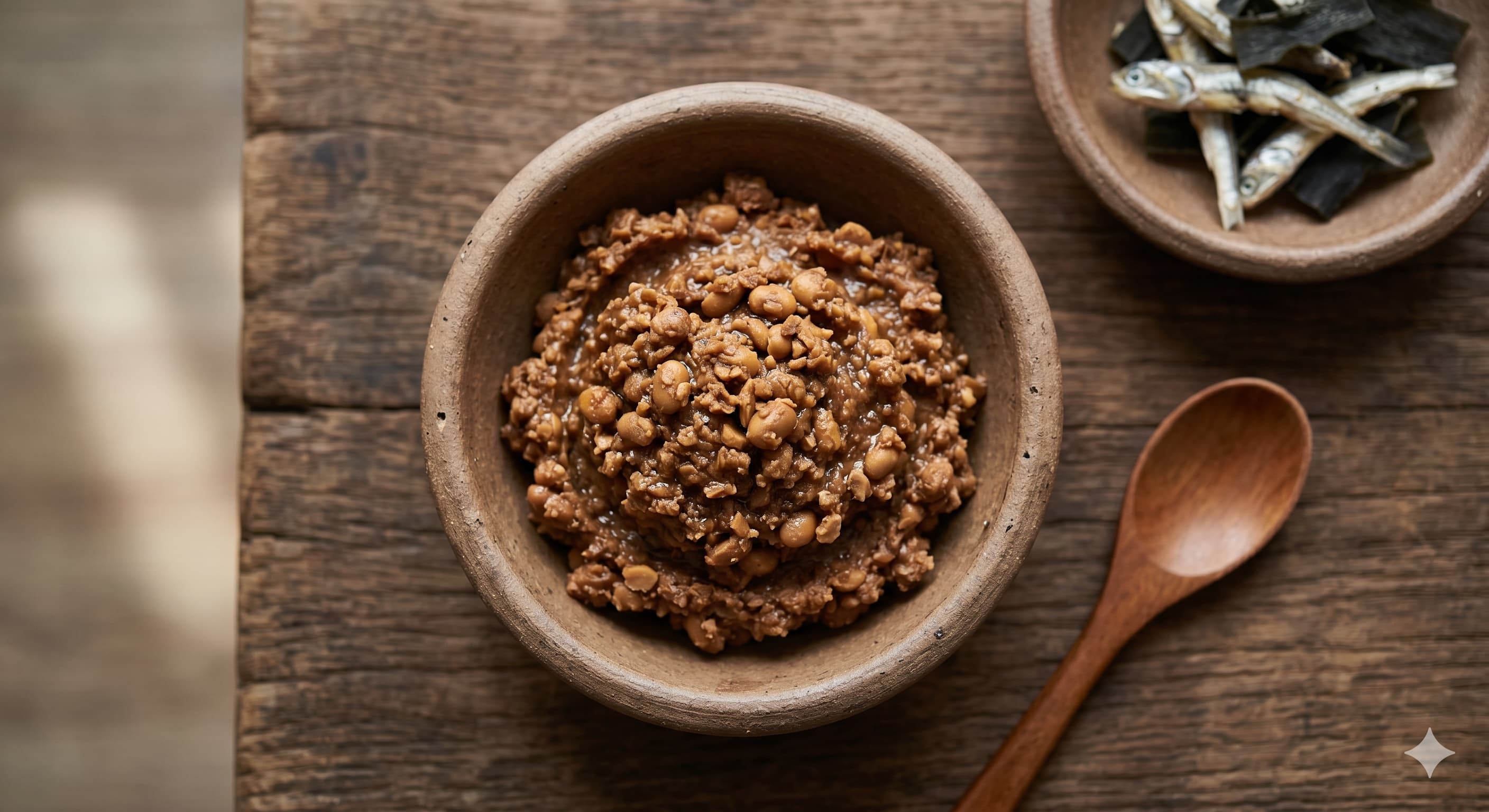
된장
Doenjang
Intensely savory and earthy with funky, complex umami; aged varieties develop almost cheese-like depth
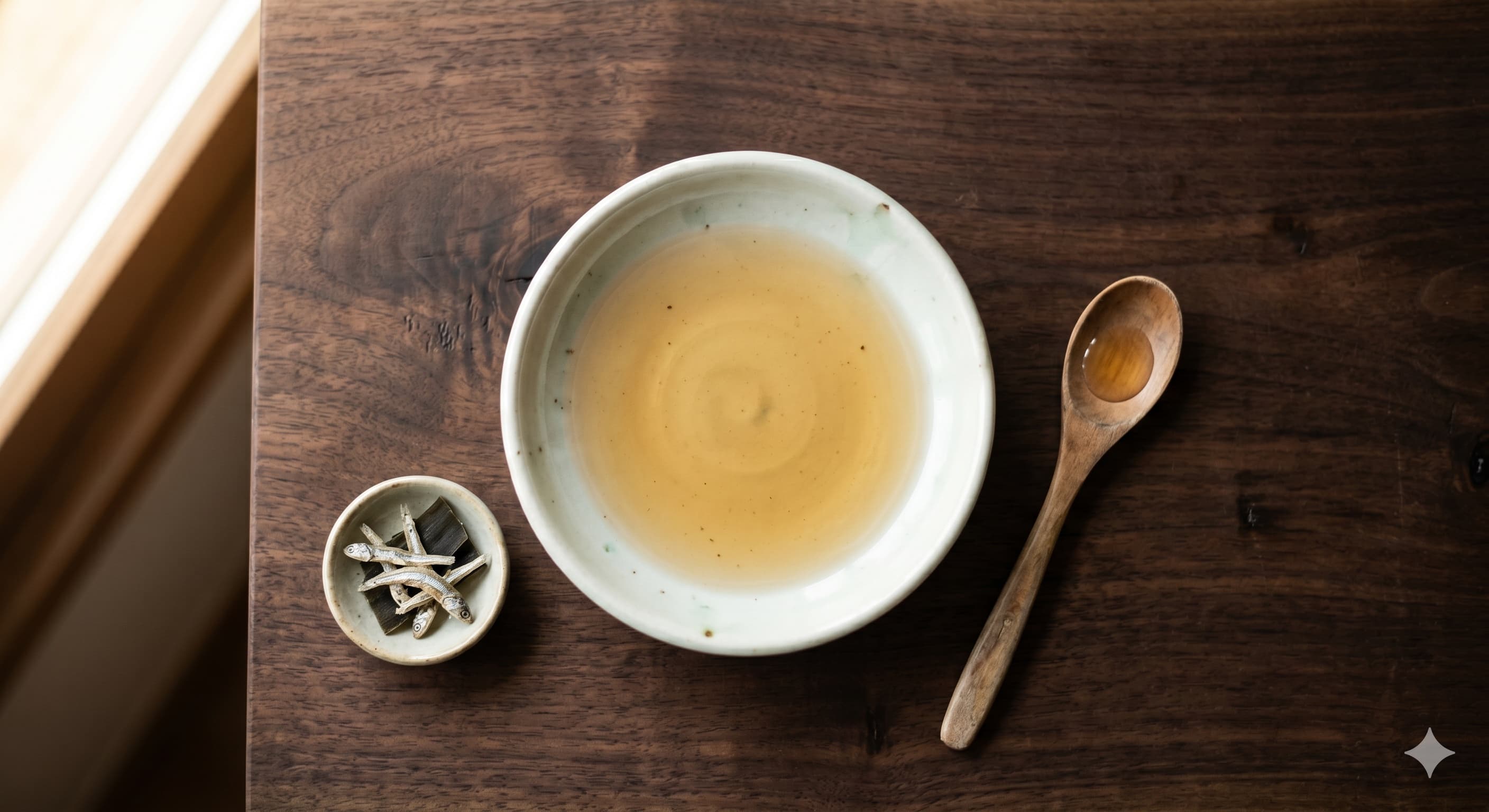
국간장
Gukganjang
Intensely salty with clean umami; lighter and more straightforward than regular ganjang
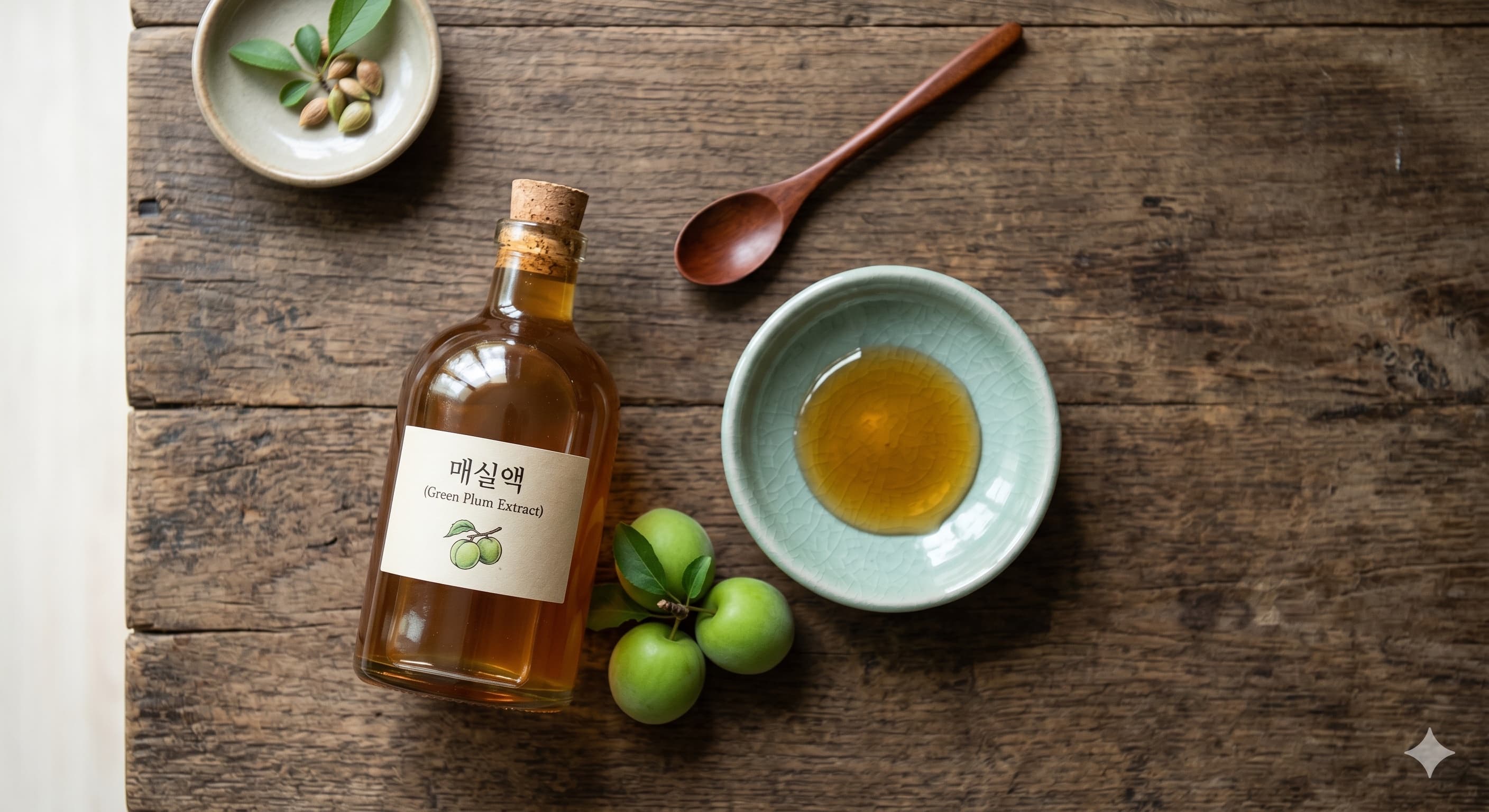
매실액
Maesilak
Bright, fruity sourness balanced with sweetness; complex fermented plum aroma
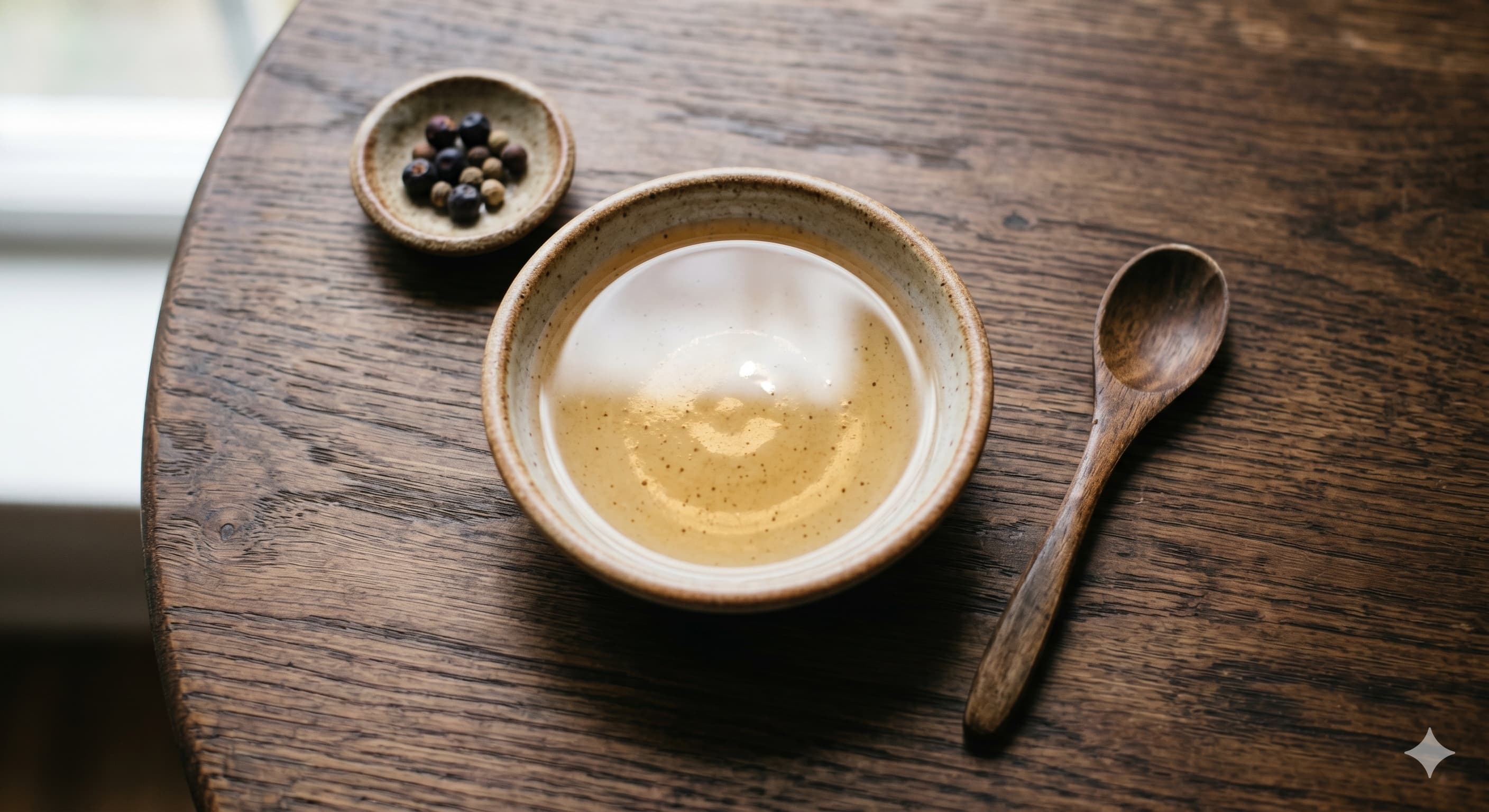
식초
Sikcho
Sharp, clean acidity; rice vinegar is mild, while persimmon vinegar has fruity depth
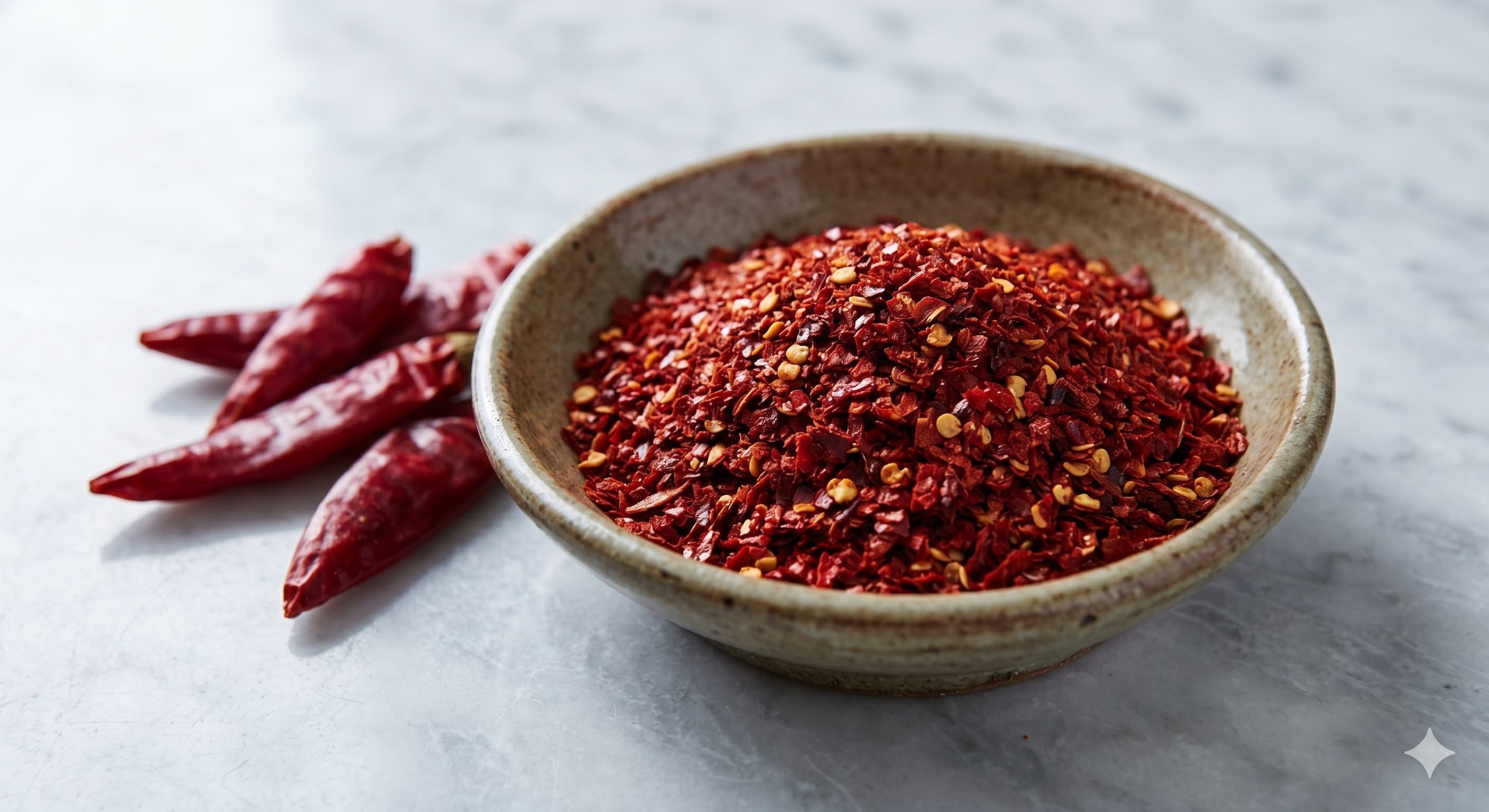
고추가루
Gochugaru
Fruity, mildly sweet heat with smoky sun-dried depth; Korean gochugaru is less sharp than most chili flakes, with more complexity
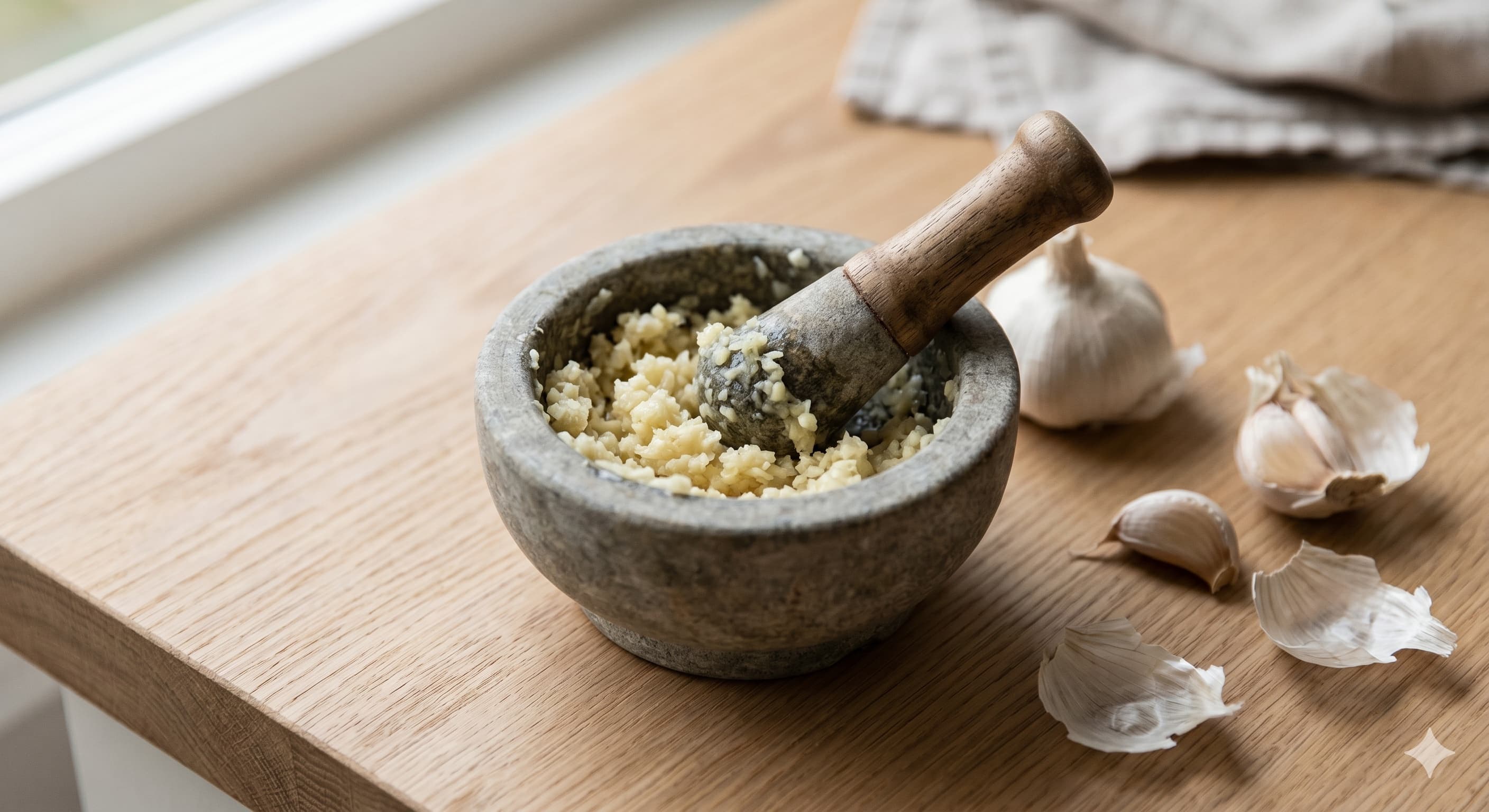
다진 마늘
Dajin Maneul
Pungent and spicy raw; sweet, nutty, and mellow when cooked; foundational aromatic in virtually all Korean savory dishes
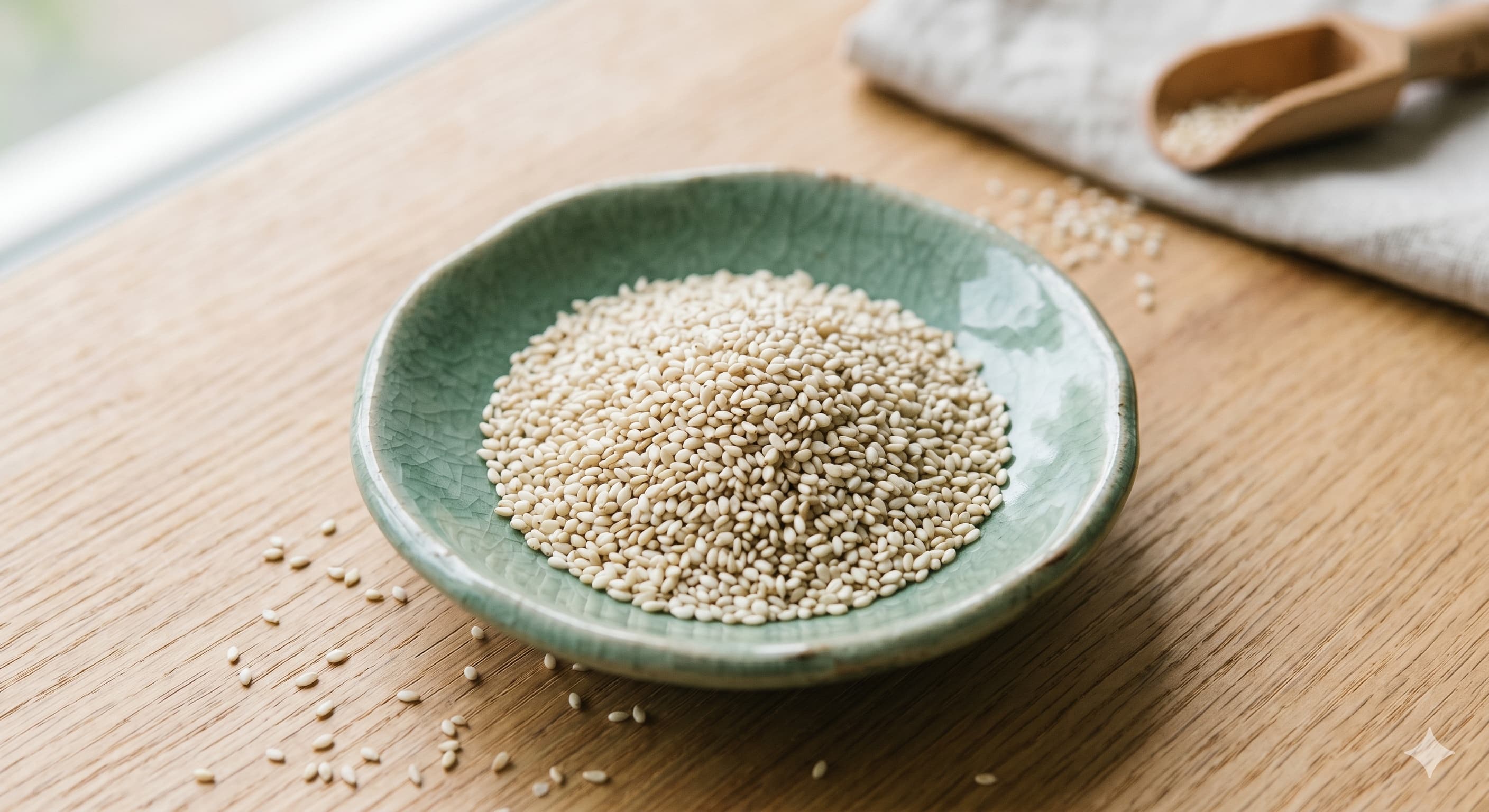
통깨
Tongkkae
Delicate nuttiness with subtle sweetness; lighter and more fragrant than black sesame
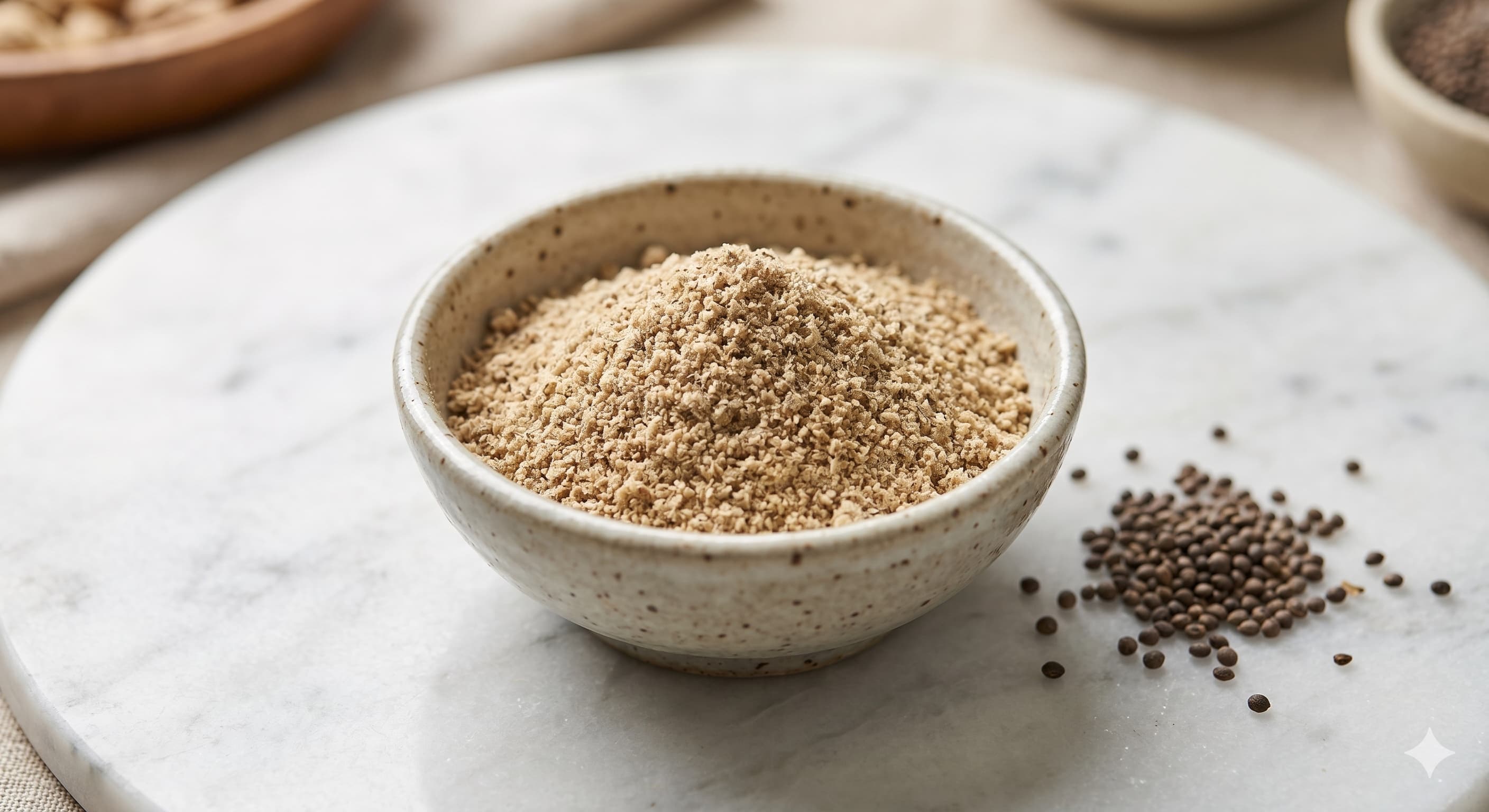
들깨가루
Deulkkaegaru
Distinctively earthy, nutty, with a unique grassy undertone; richer and more complex than sesame
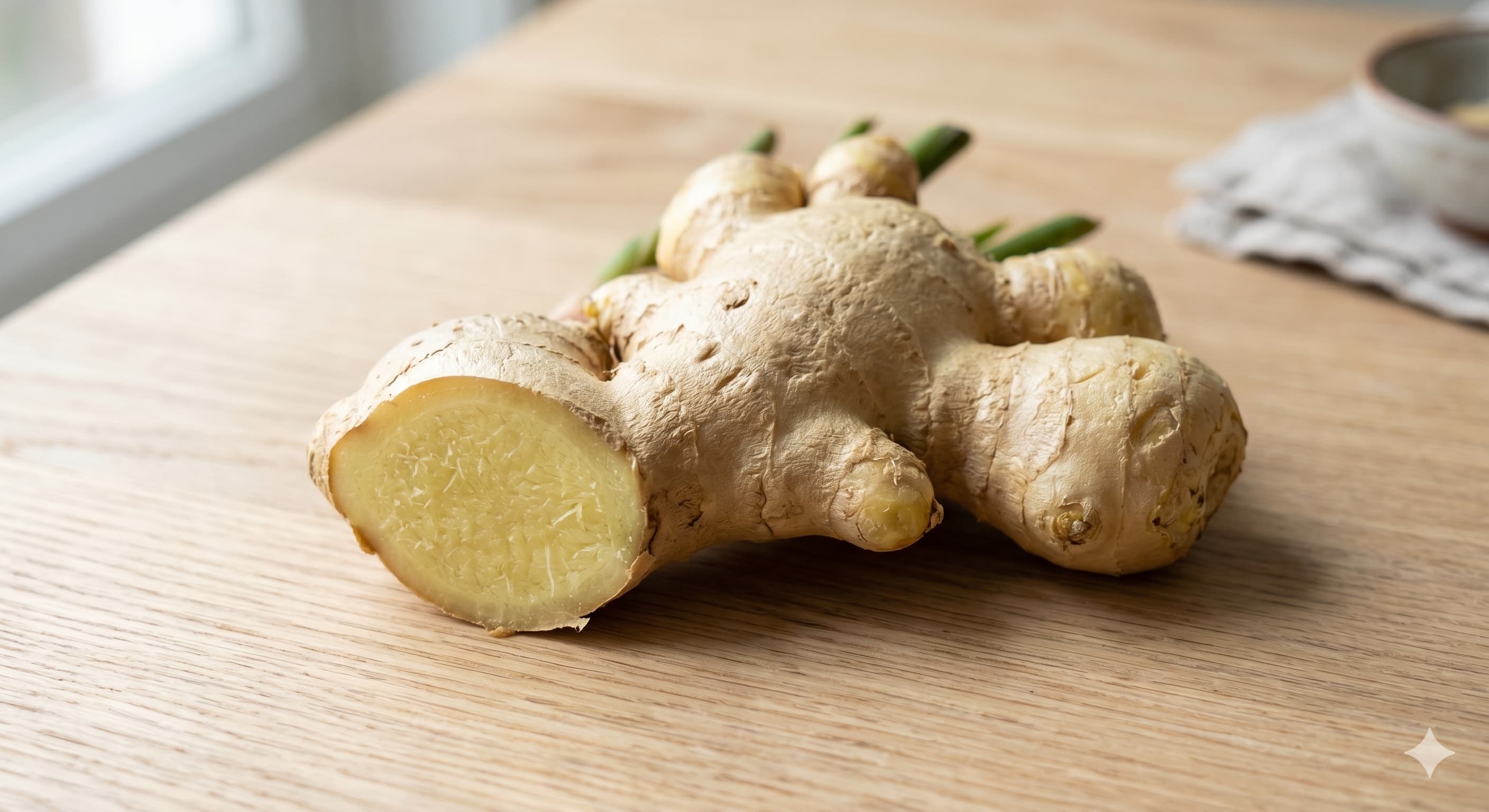
생강
Saenggang
Sharp, warming spiciness with citrusy brightness; fresh ginger is more aromatic while dried is hotter
소금
Sogeum
굵은소금
Gulgeun Sogeum
설탕
Seoltang
참기름
Chamgireum
Intensely nutty, toasty, and aromatic; Korean sesame oil is darker and more robustly flavored than most Asian sesame oils due to heavier roasting
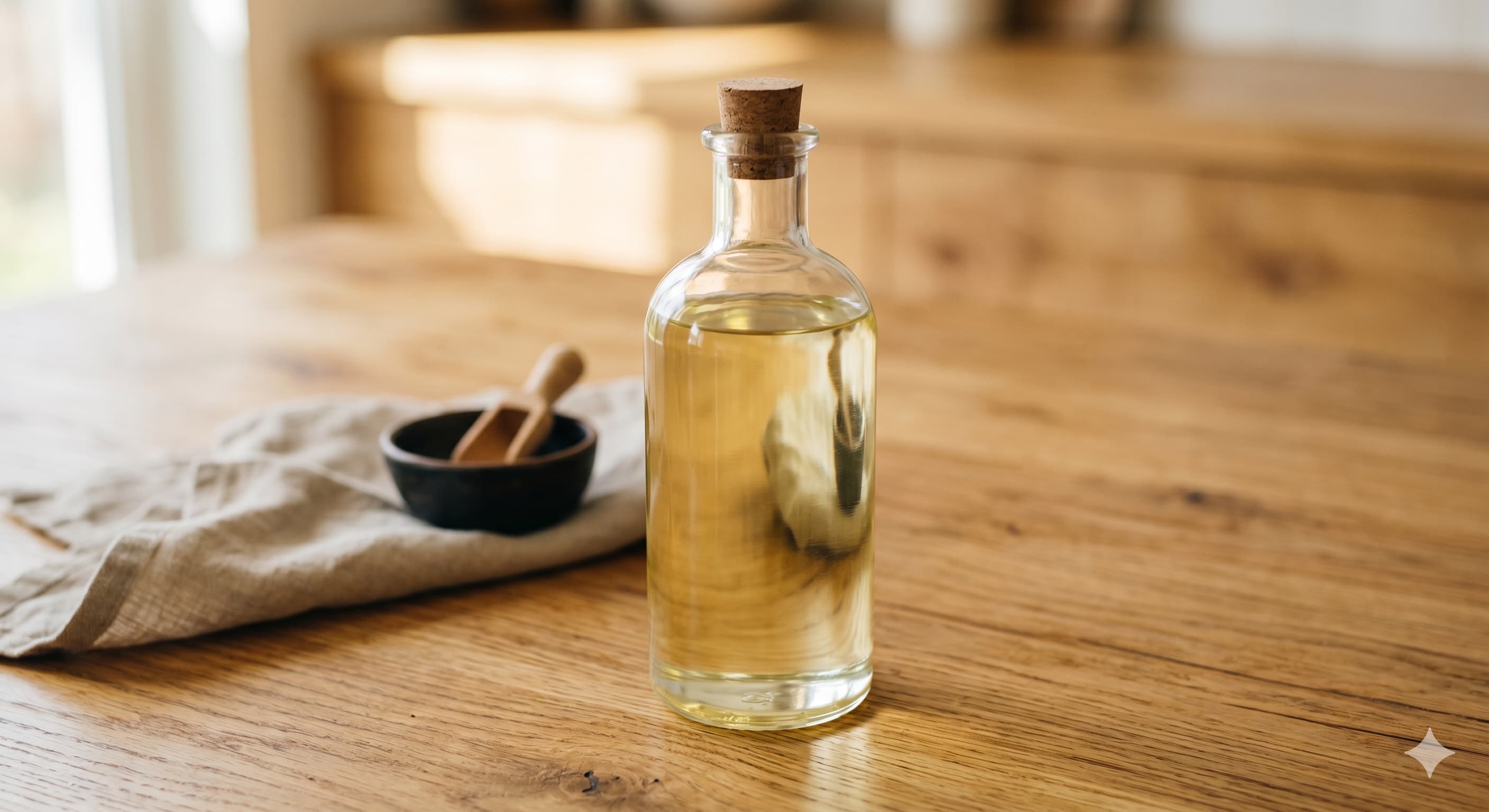
식용유
Sigyongyu
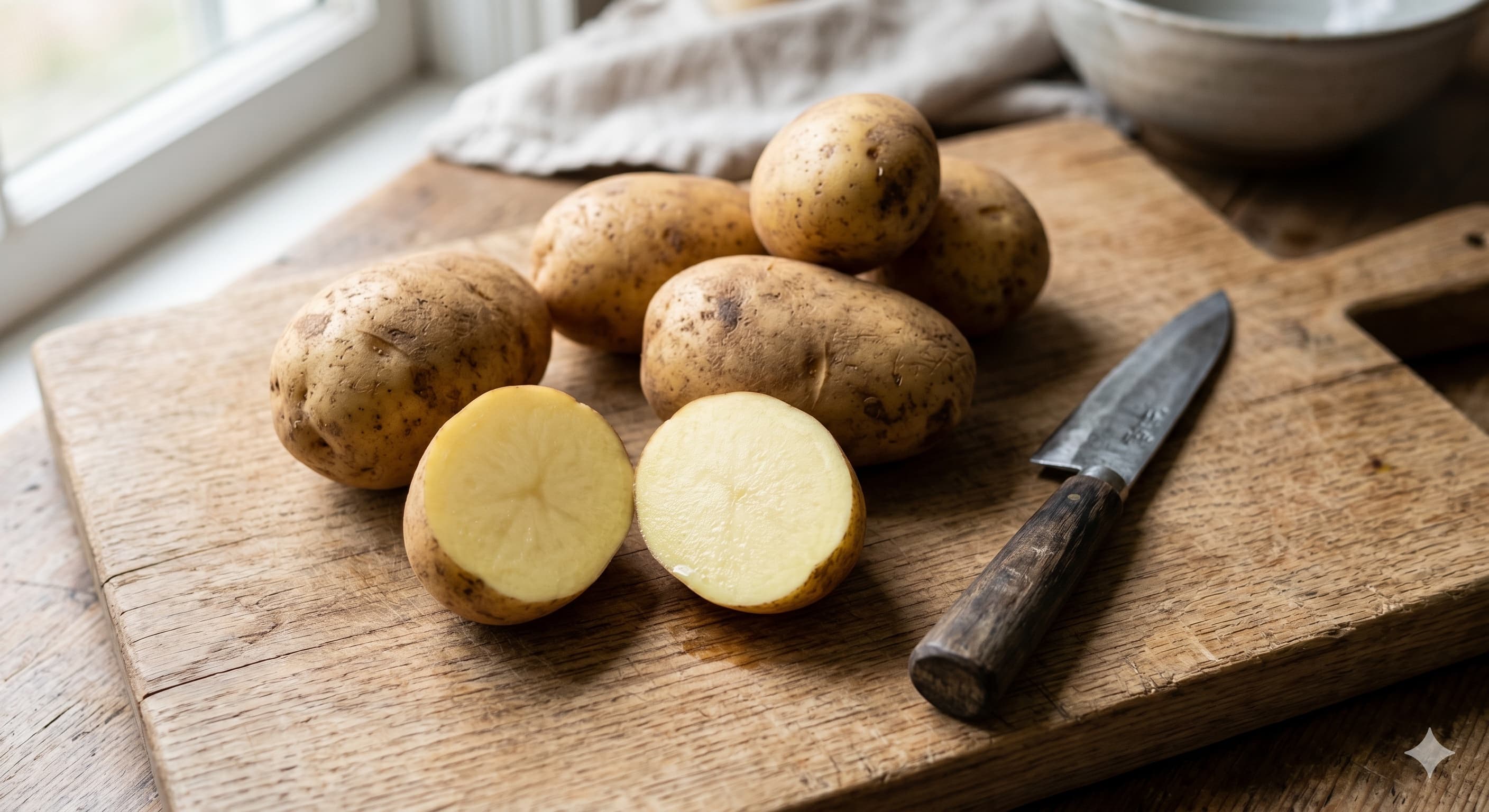
감자
Gamja
Mild, earthy sweetness; Korean varieties tend to be waxier and hold shape better in braising

당근
Danggeun
Sweet and earthy; becomes sweeter with cooking; Korean recipes typically julienne for even cooking
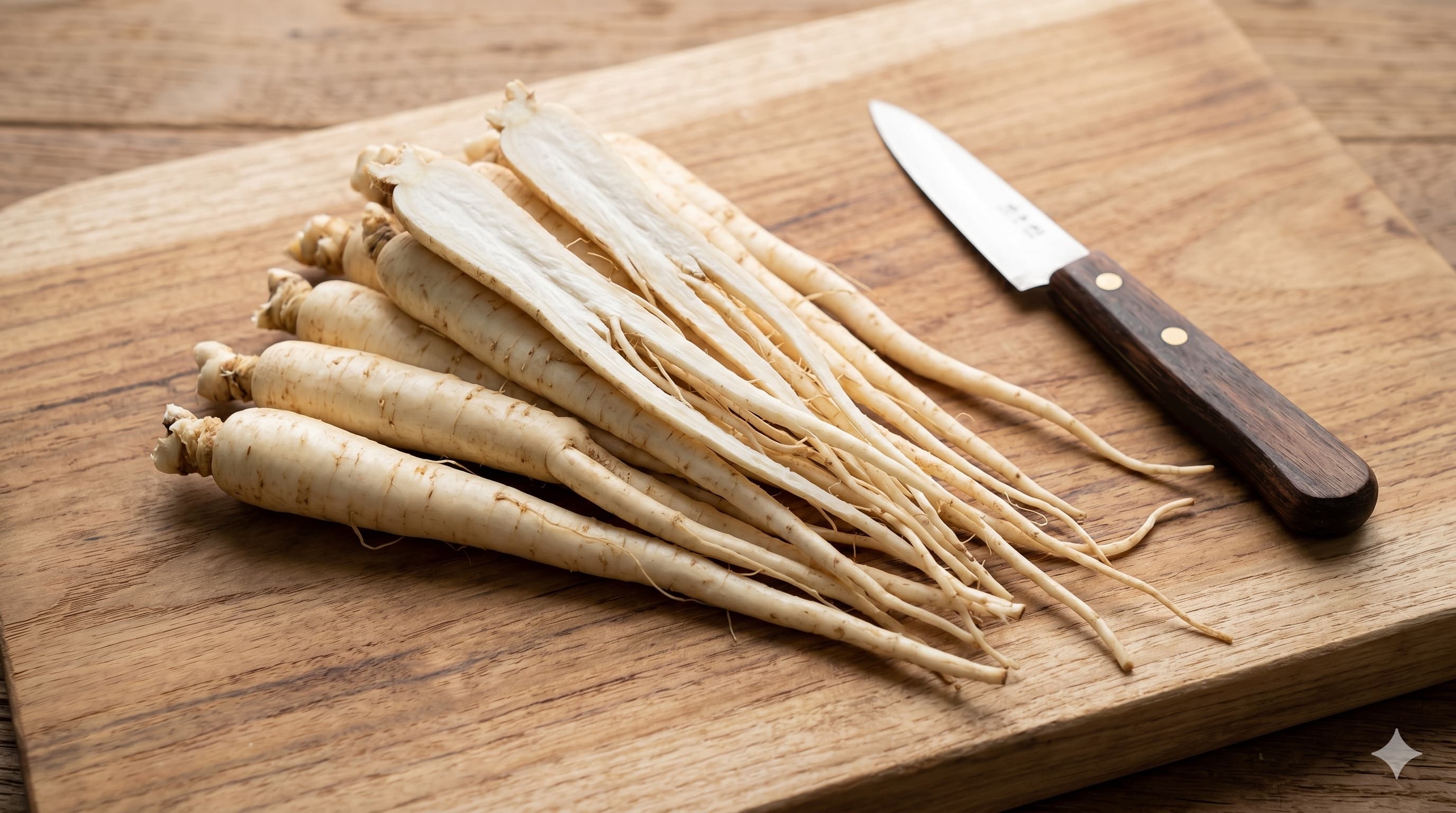
도라지
Doraji
Distinctive bitter-sweet flavor with slight spiciness; pleasantly crunchy; the bitterness mellows significantly with proper preparation
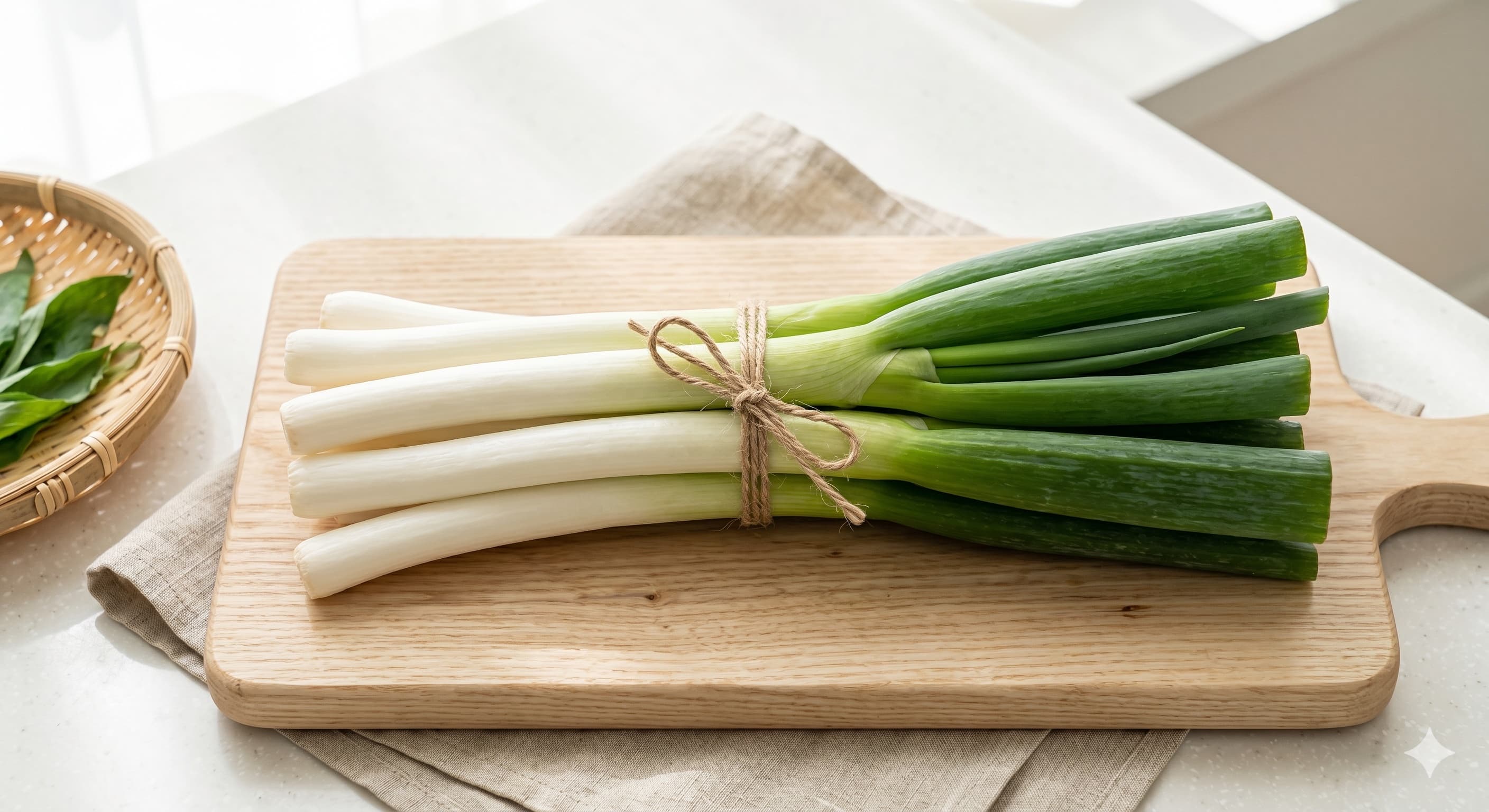
대파
Daepa
White base is sweet and pungent; green tops are milder and grassy; becomes deeply sweet when caramelized
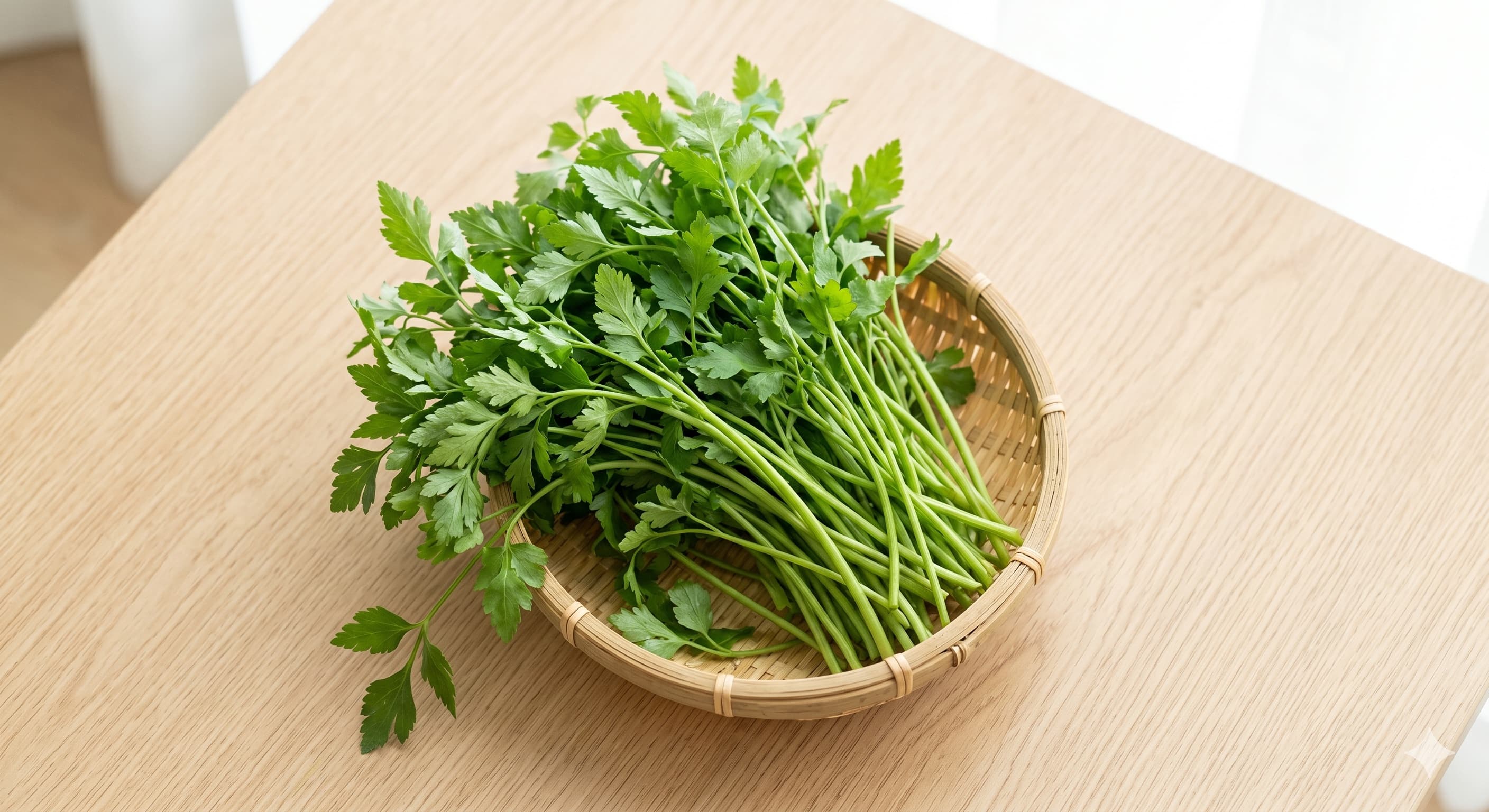
미나리
Minari
Bright, herbal freshness with celery-like crispness and a distinctive clean, slightly peppery aroma
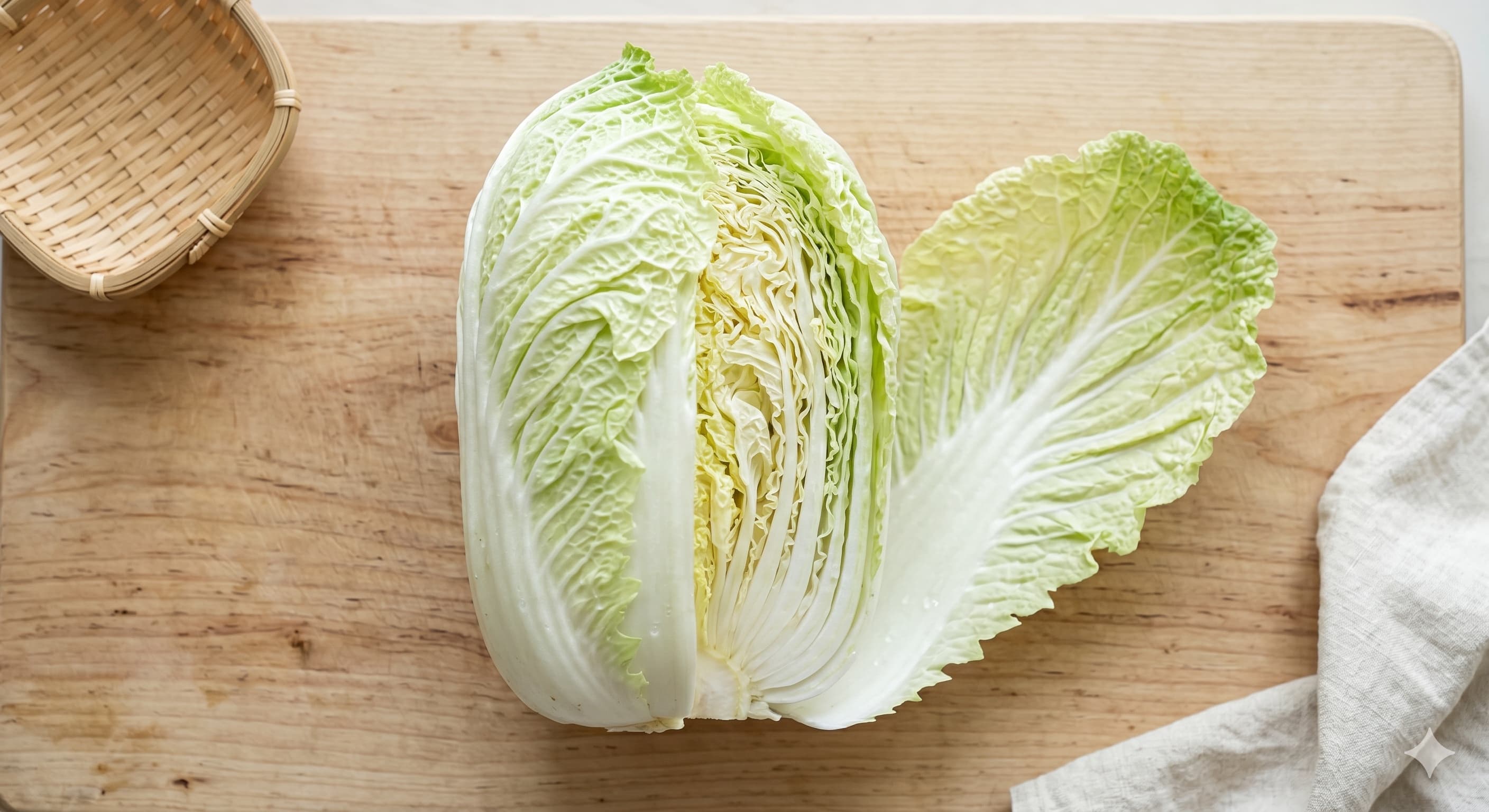
배추
Baechu
Mild, sweet, and slightly mustardy when raw; becomes soft and savory in soups; develops complex umami through kimchi fermentation
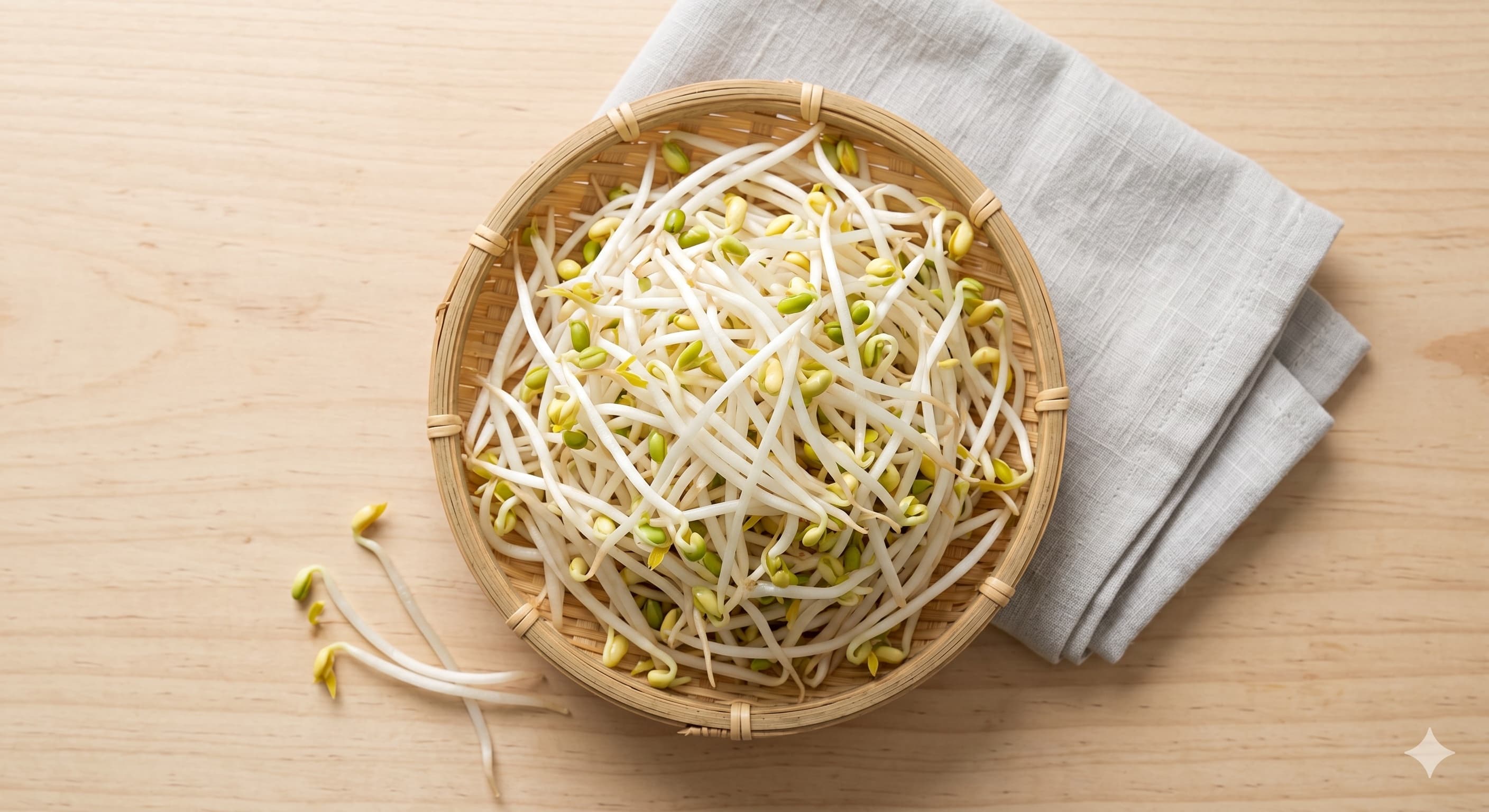
숙주나물
Sukjunamul
Clean, fresh, mildly sweet with a neutral bean flavor; very delicate
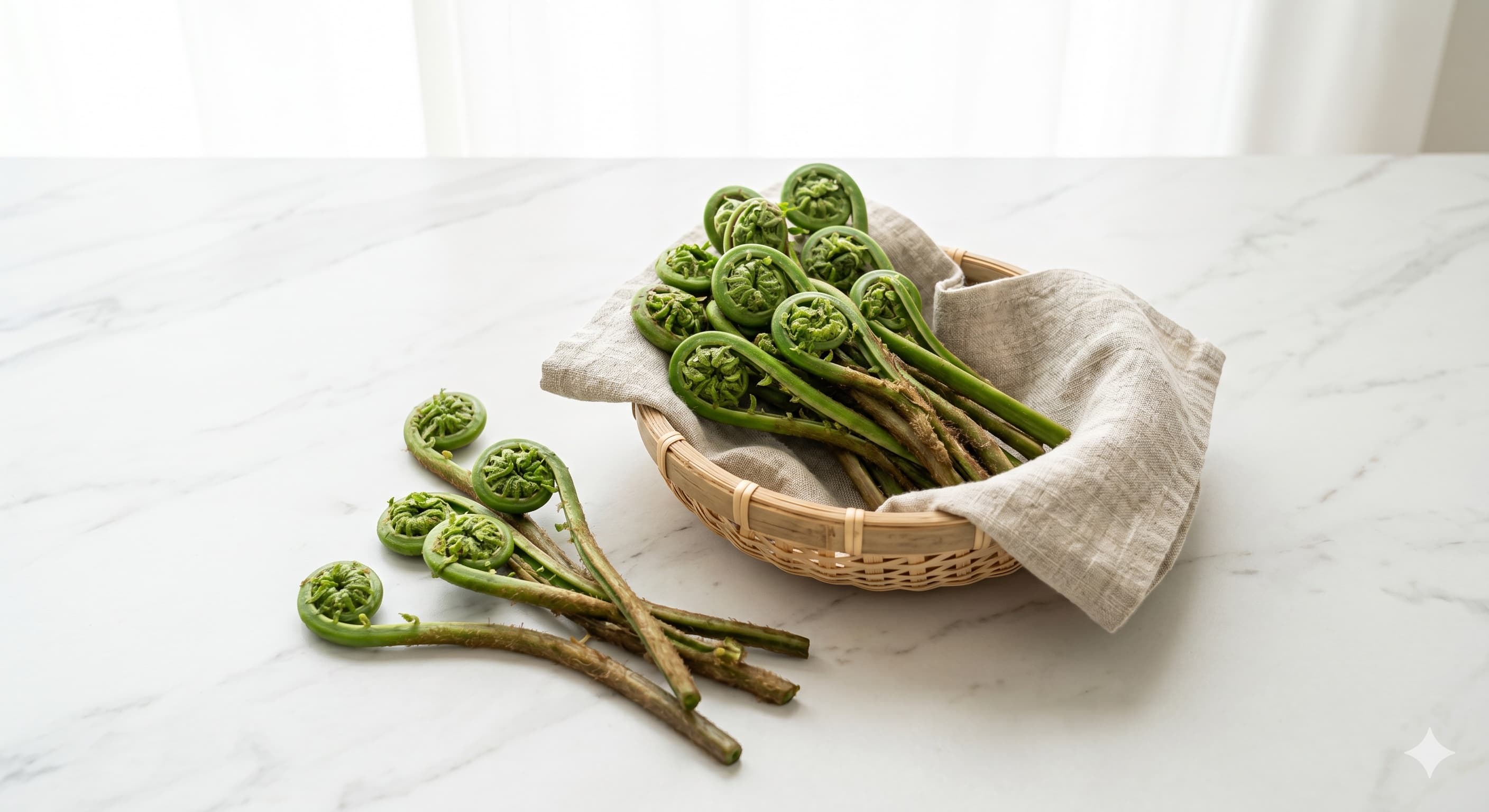
고사리
Gosari
Earthy, slightly nutty, with a distinctive 'mountain' flavor; rich and savory when properly seasoned
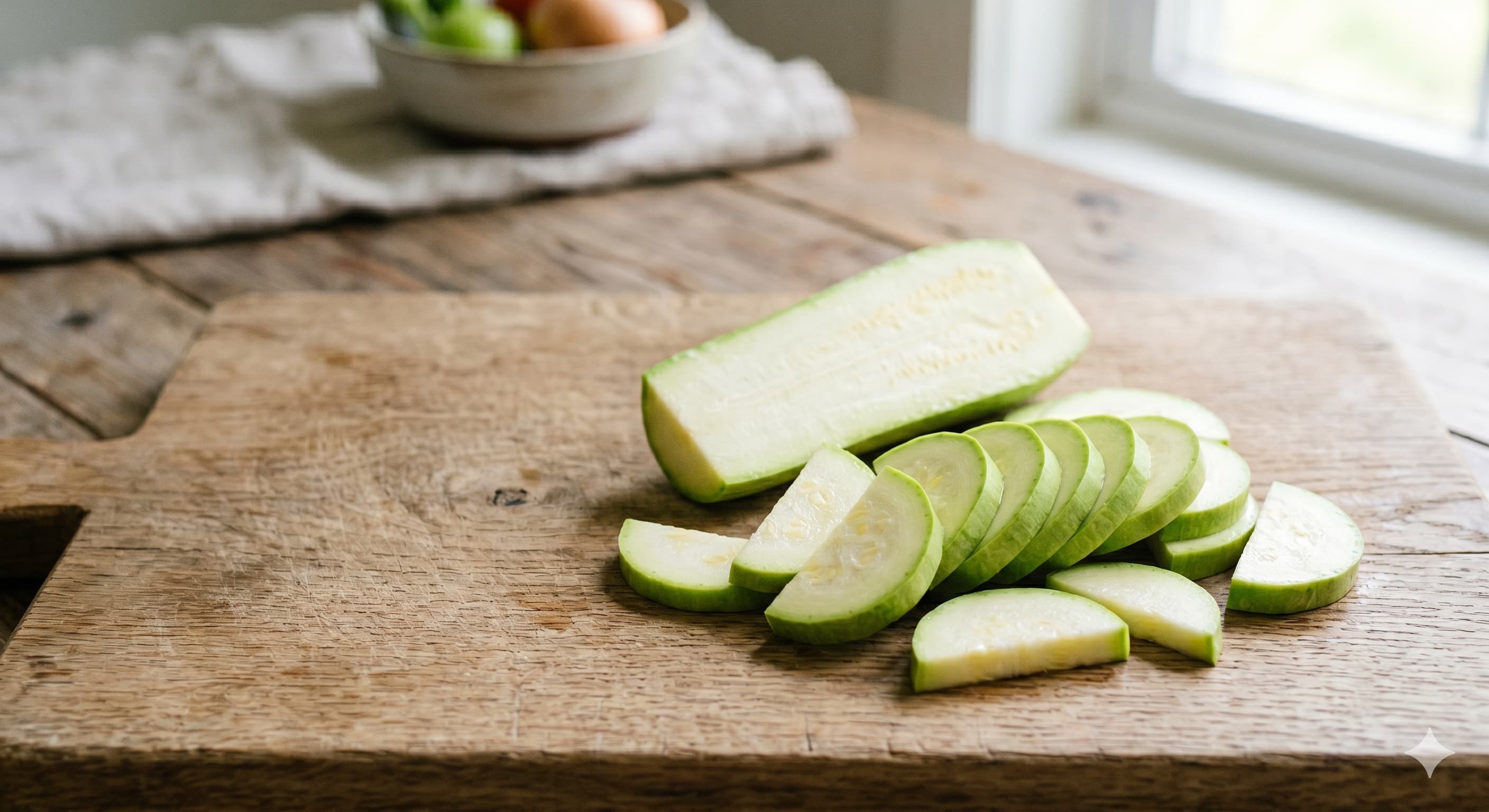
애호박
Aehobak
Mild, sweet, and delicate; more tender and sweeter than Western zucchini; slightly nutty when pan-fried
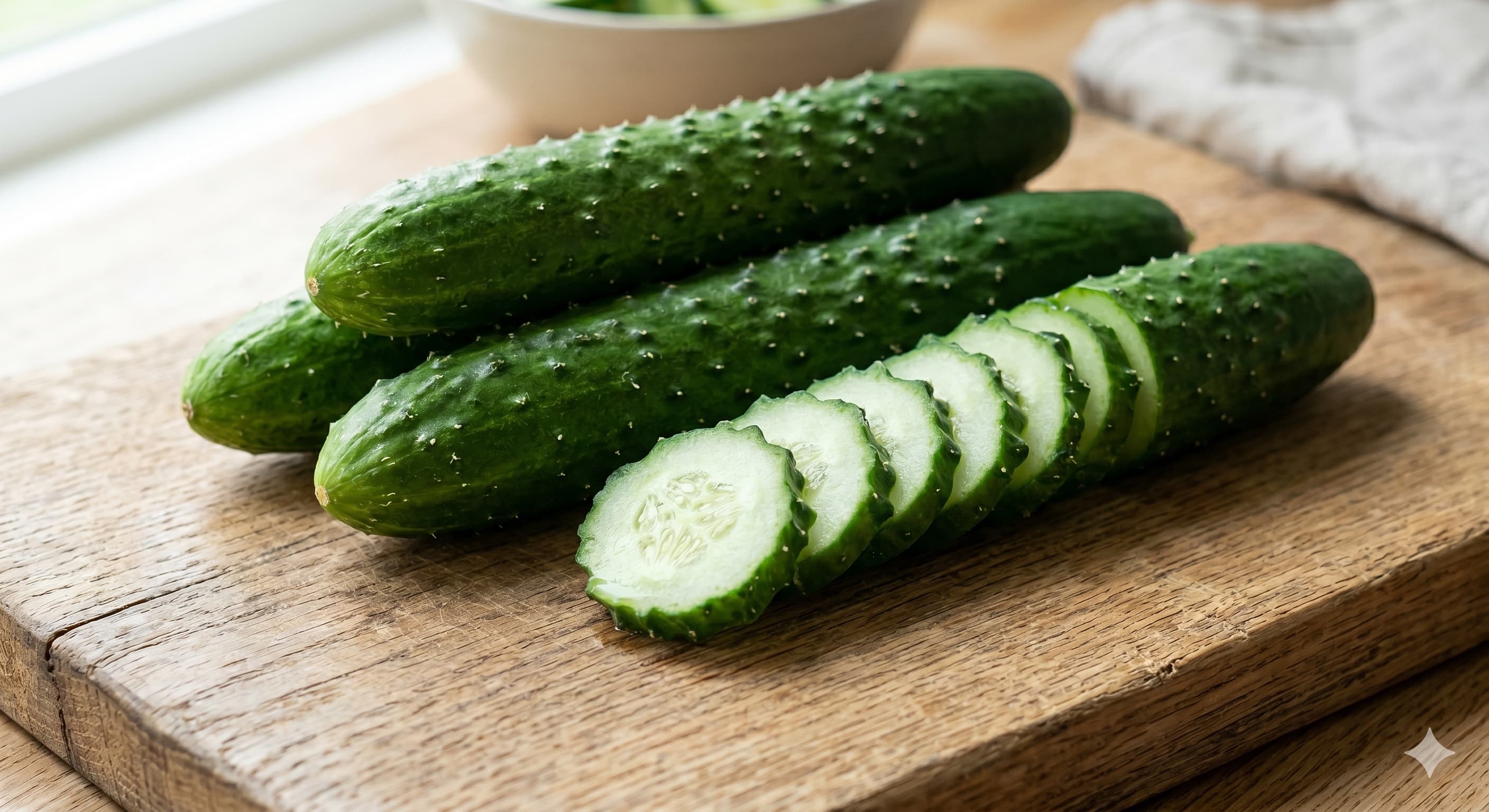
오이
Oi
Crisp, refreshing, mildly sweet; Korean cucumbers have more concentrated flavor than English cucumbers
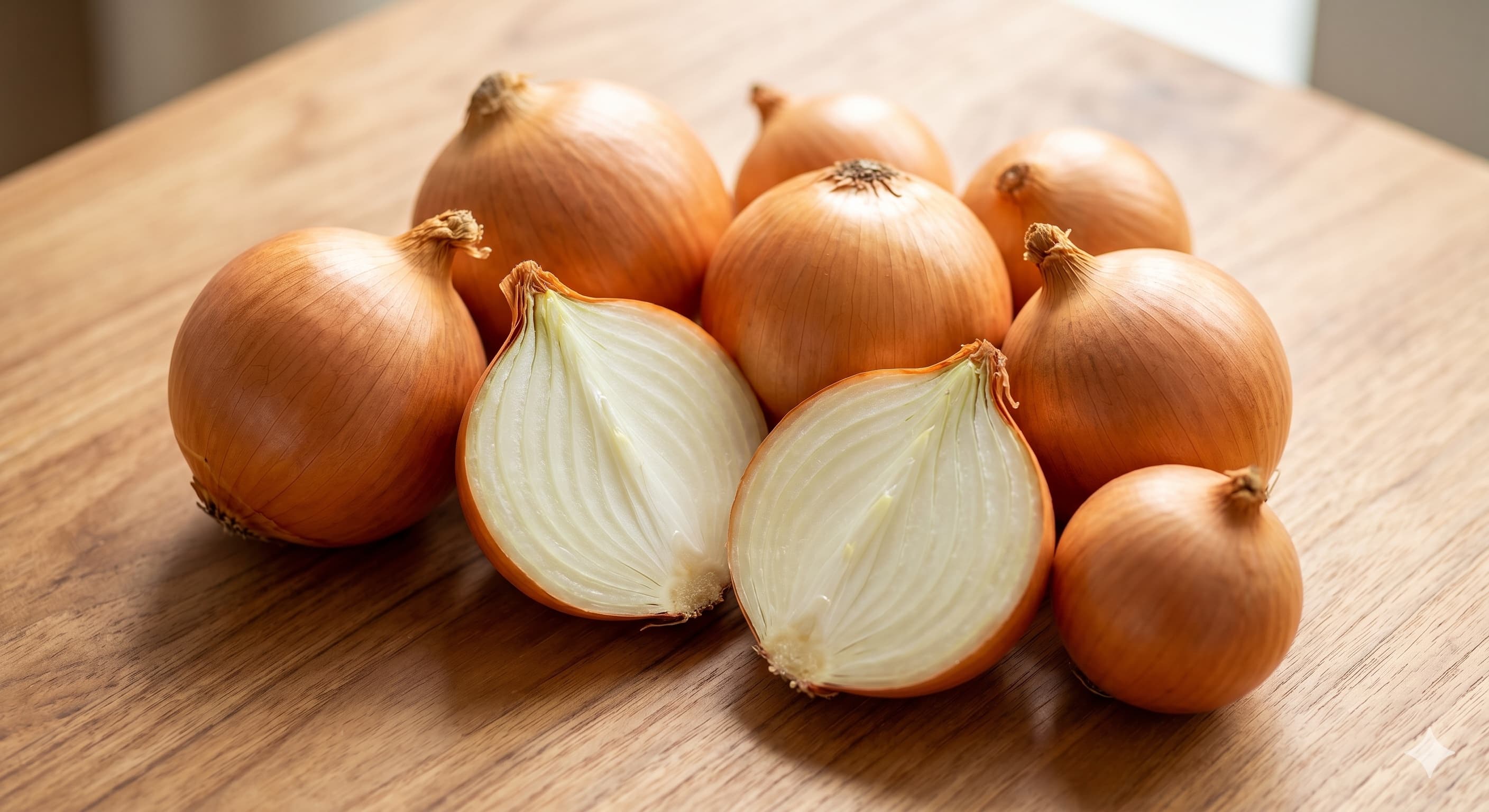
양파
Yangpa
Sharp and pungent raw; deeply sweet and savory when caramelized; fundamental aromatic base
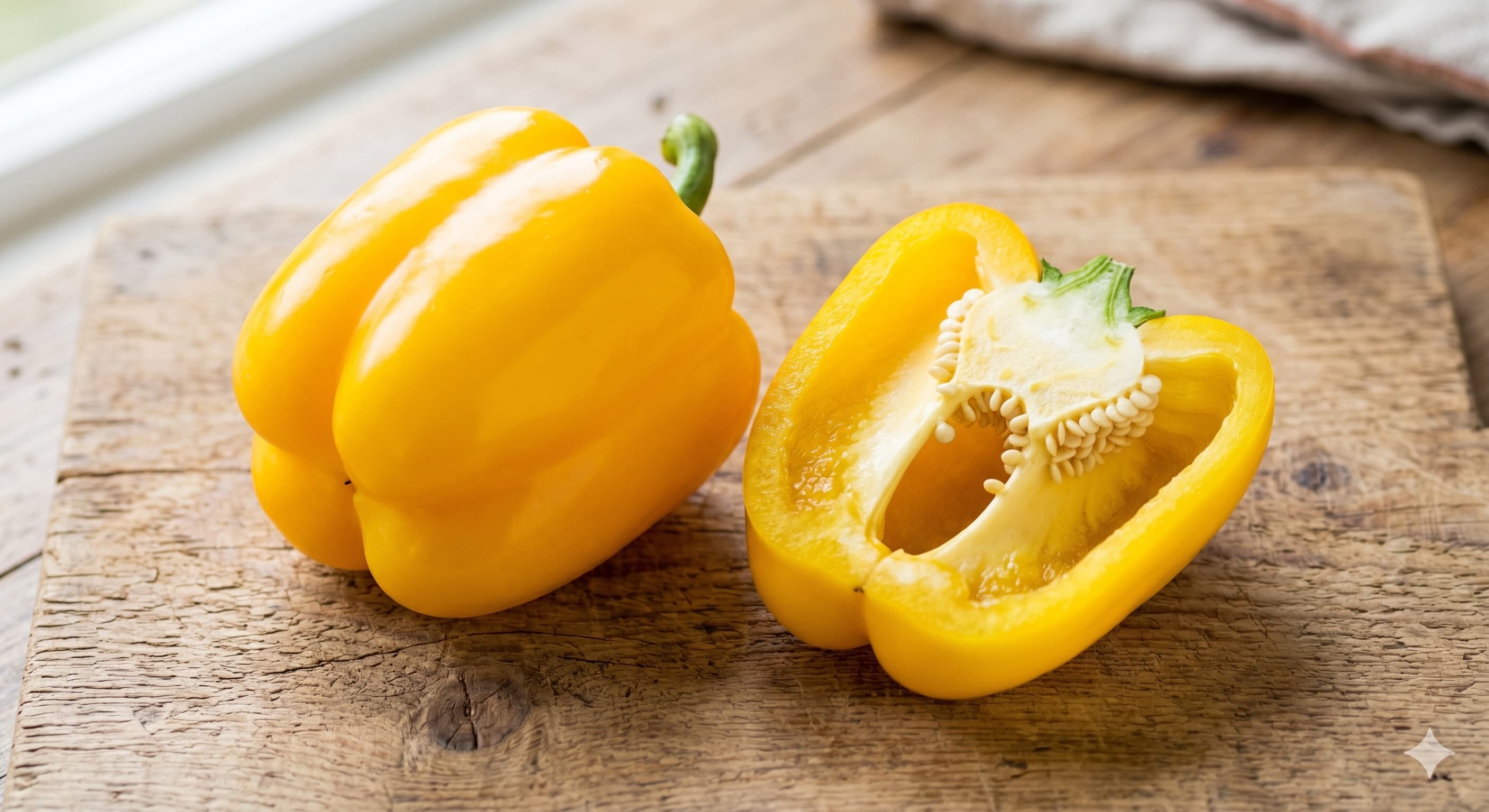
노란 파프리카
Noran Papeurika
Sweet, crisp, and mildly fruity; no heat
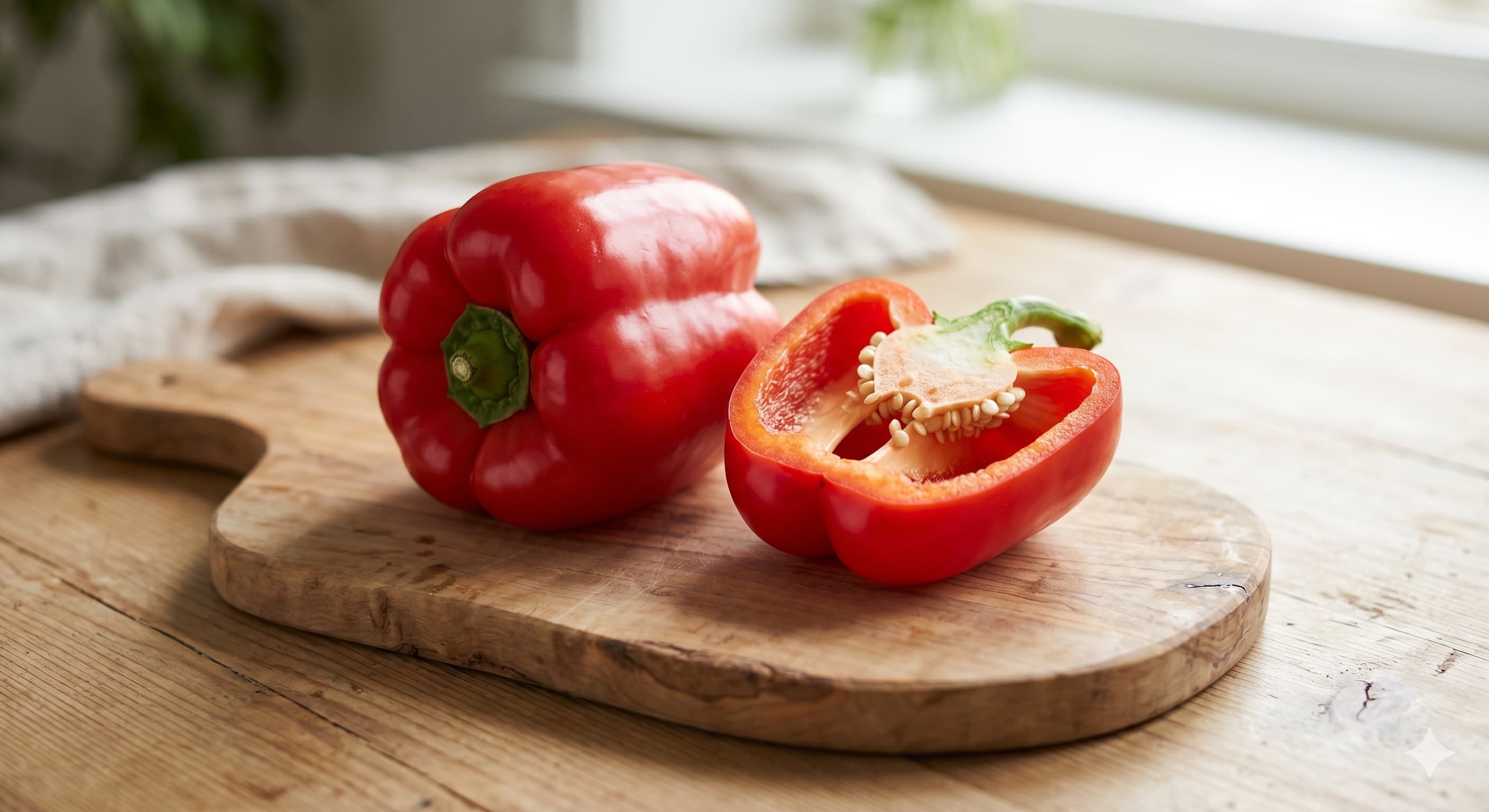
빨간 파프리카
Ppalgan Papeurika
Sweeter than green or yellow peppers; fruity and rich; no heat
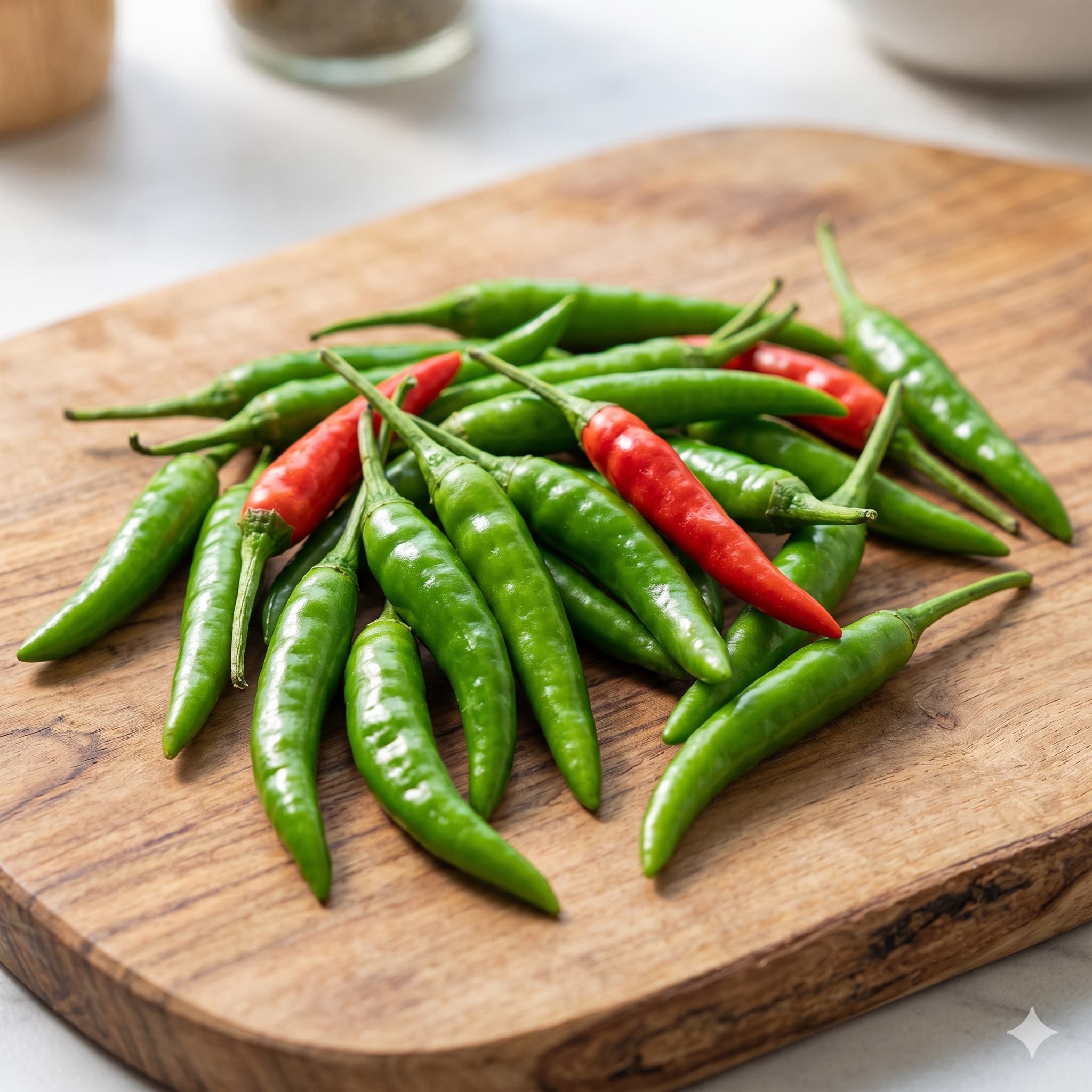
청양고추
Cheongyang Gochu
Intensely hot with bright, sharp heat; more concentrated spiciness than regular Korean peppers
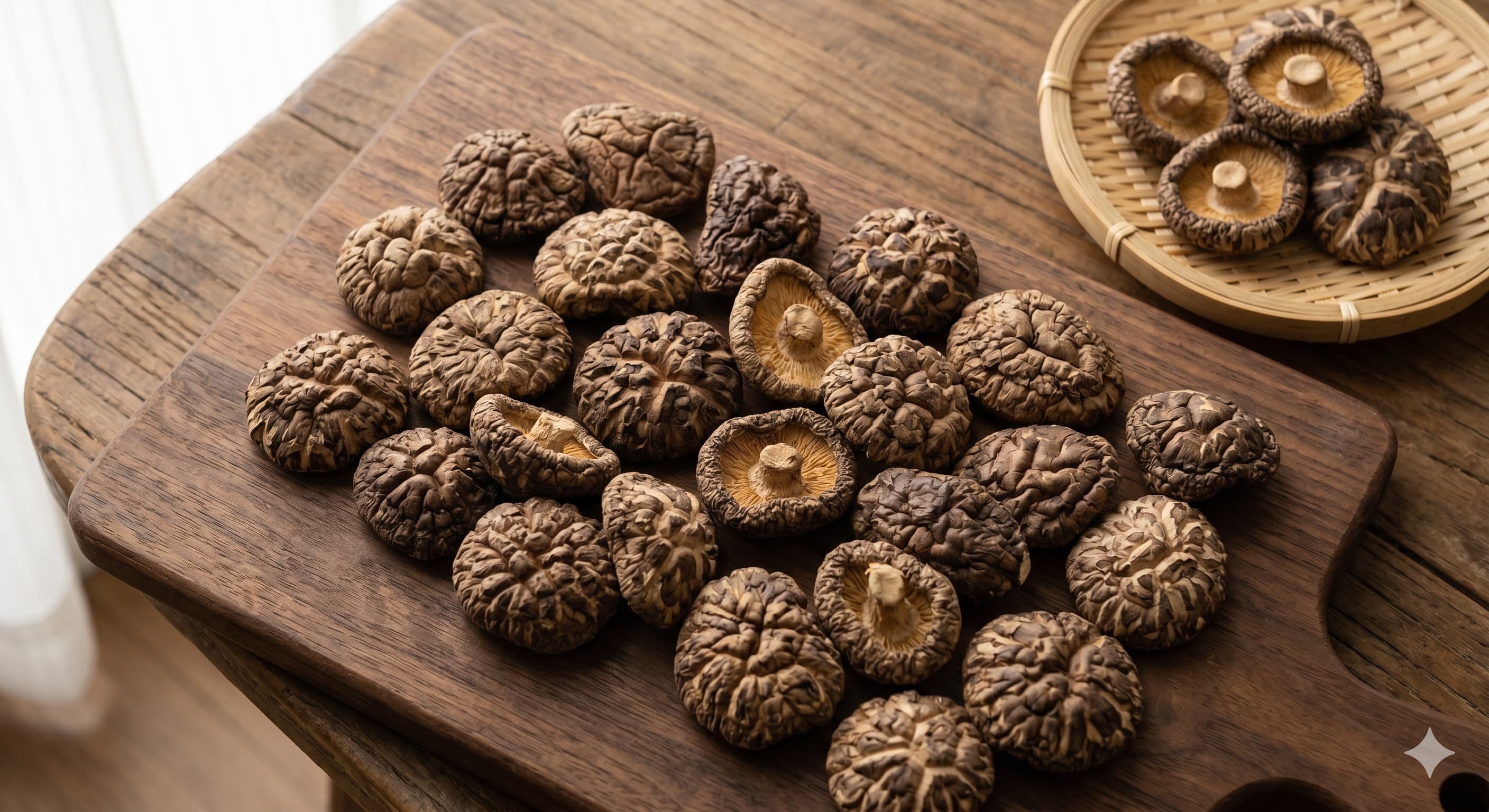
건표고버섯
Geon Pyogo Beoseot
Intensely savory, smoky, and meaty; drying concentrates umami to extraordinary levels; the soaking liquid is liquid gold for vegan cooking
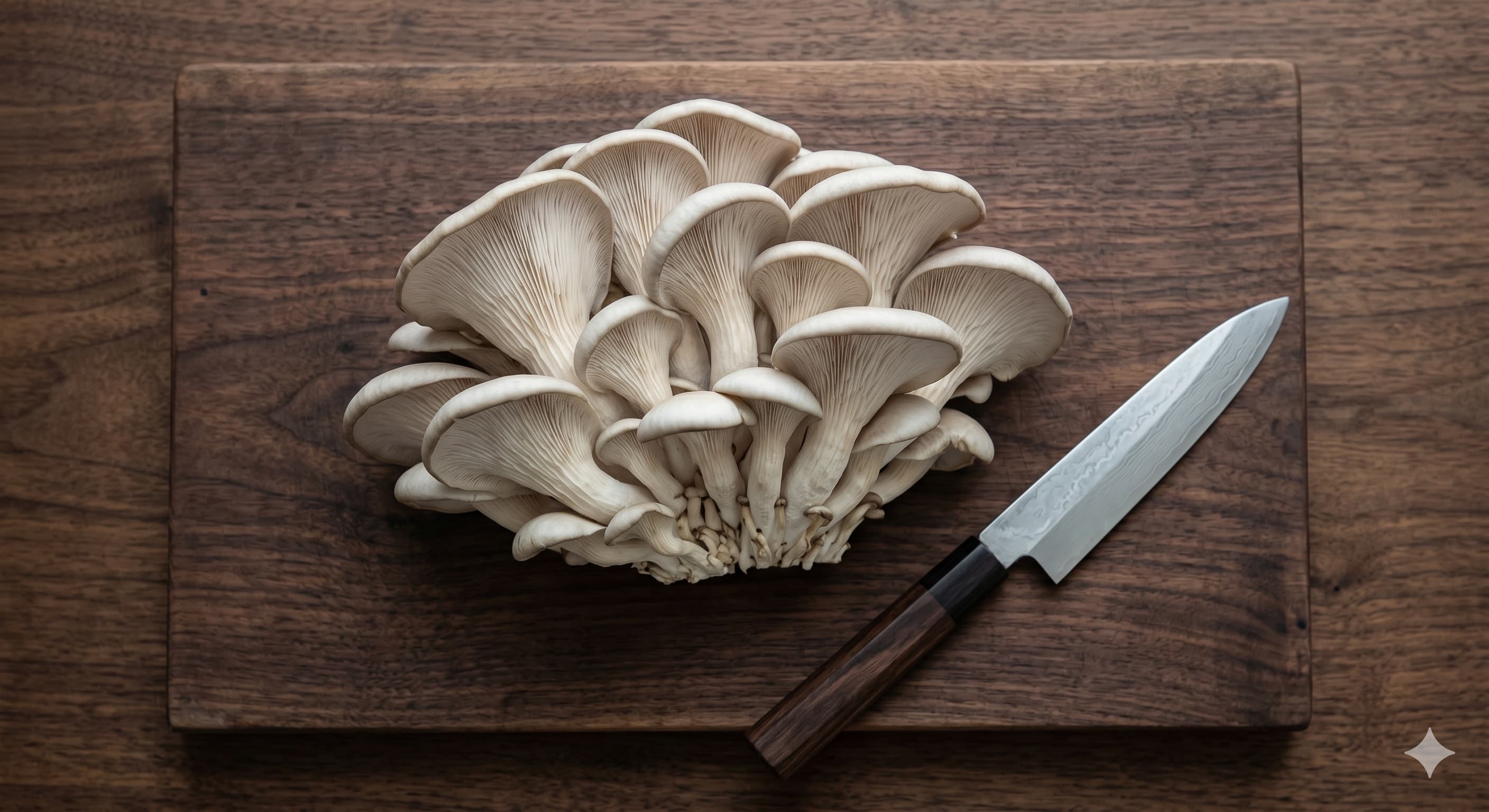
느타리버섯
Neutari Beoseot
Delicate, mildly savory with a subtle anise note; absorbs surrounding flavors beautifully
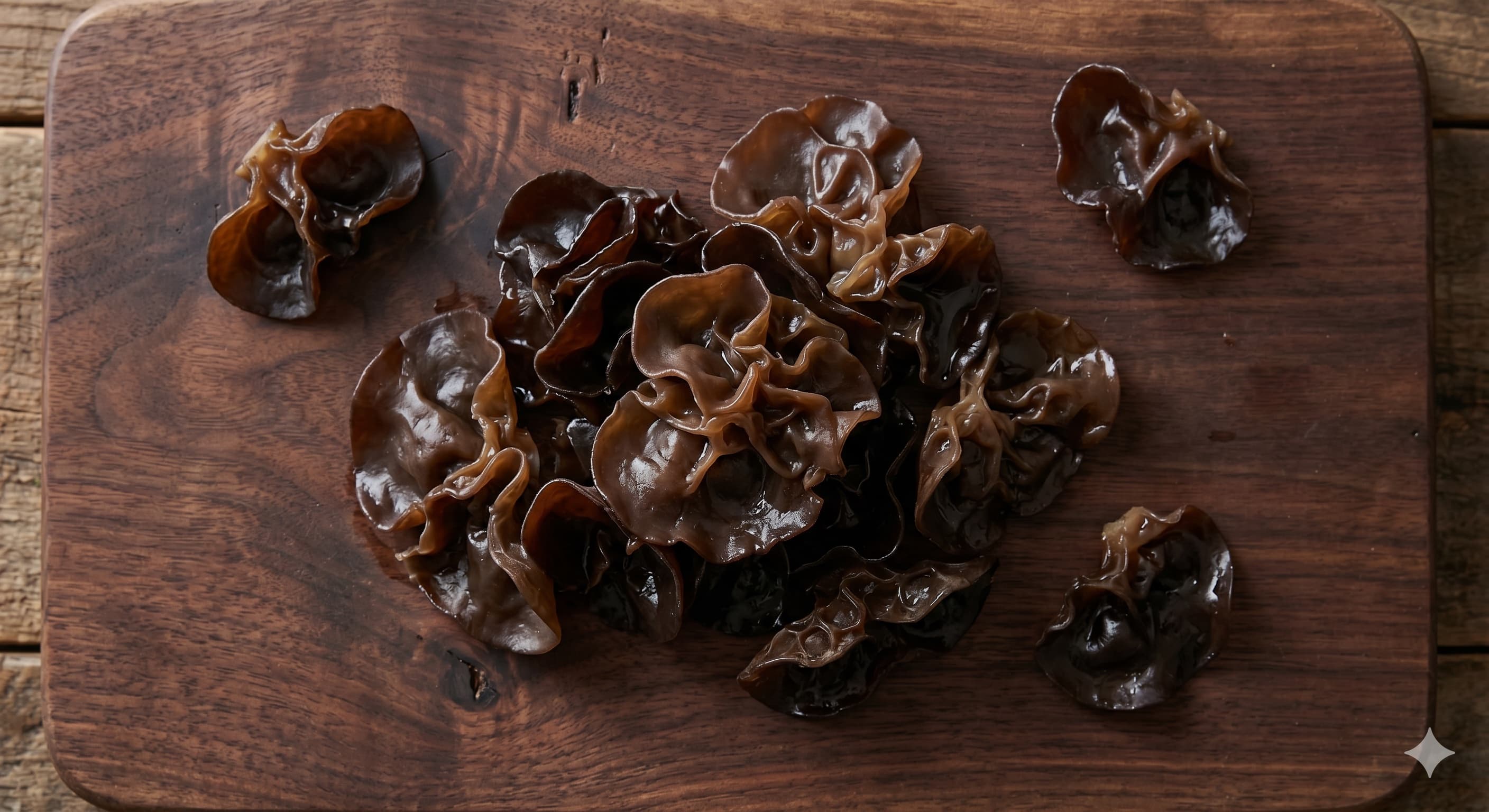
목이버섯
Mogi Beoseot
Very mild, almost flavorless; prized for texture rather than taste; absorbs surrounding flavors
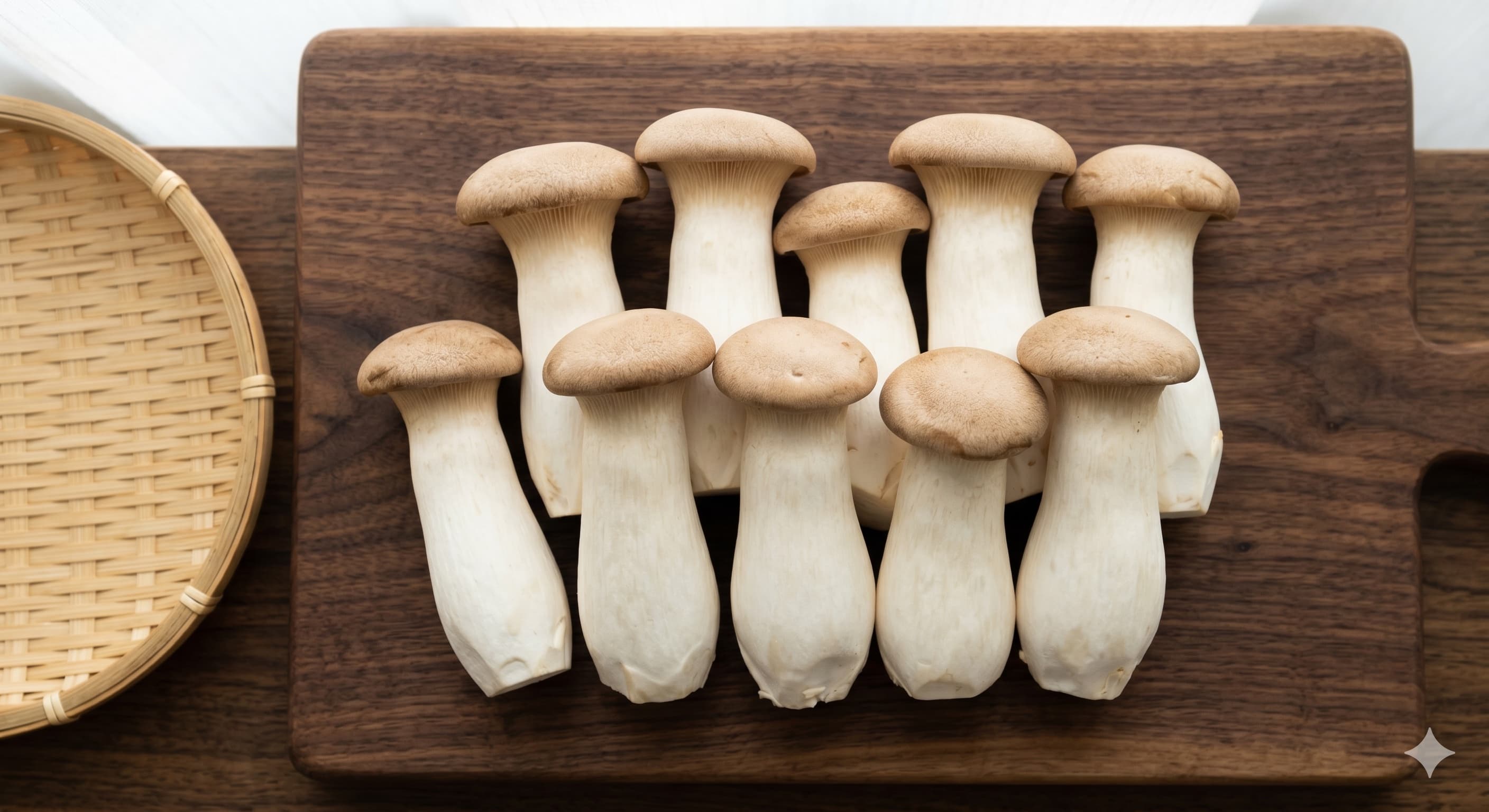
새송이버섯
Saesongi Beoseot
Mild, savory, with subtle umami; develops deep, meaty flavor when grilled or pan-fried; absorbs marinades well
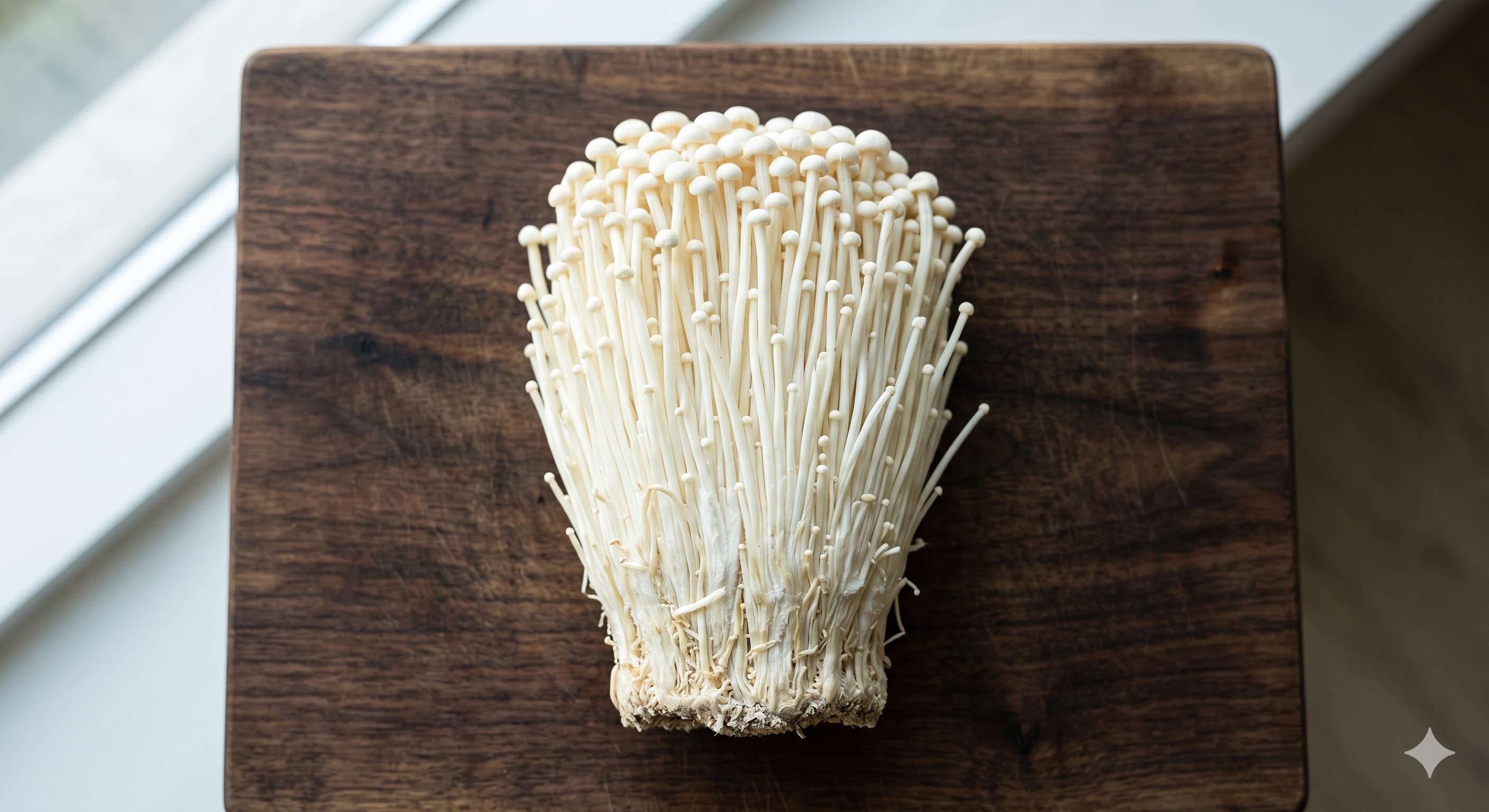
팽이버섯
Paengi Beoseot
Mild, slightly fruity and sweet; very delicate flavor; provides textural interest rather than strong taste
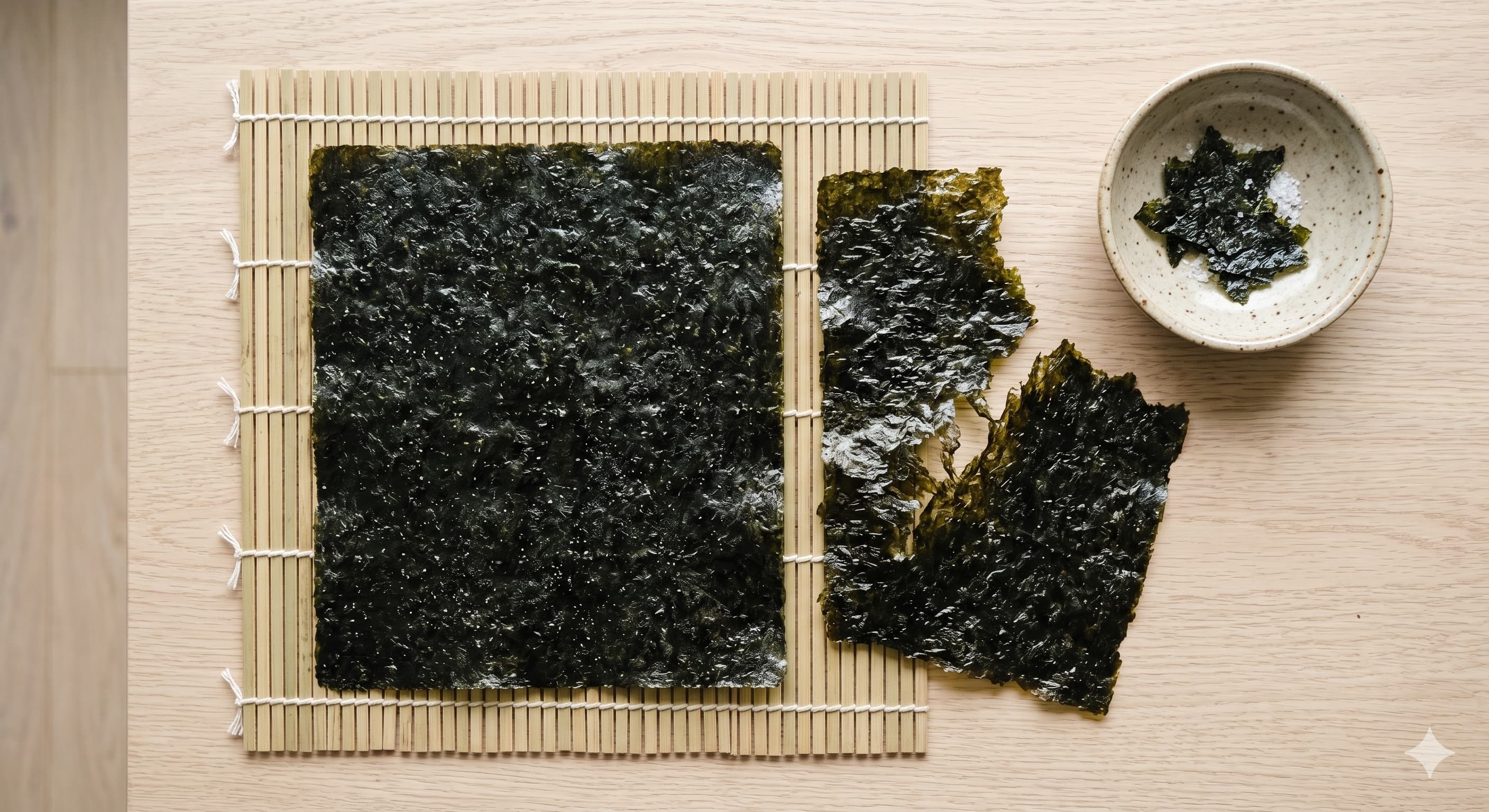
김
Gim
Savory, slightly sweet ocean flavor with roasted nuttiness; umami-rich
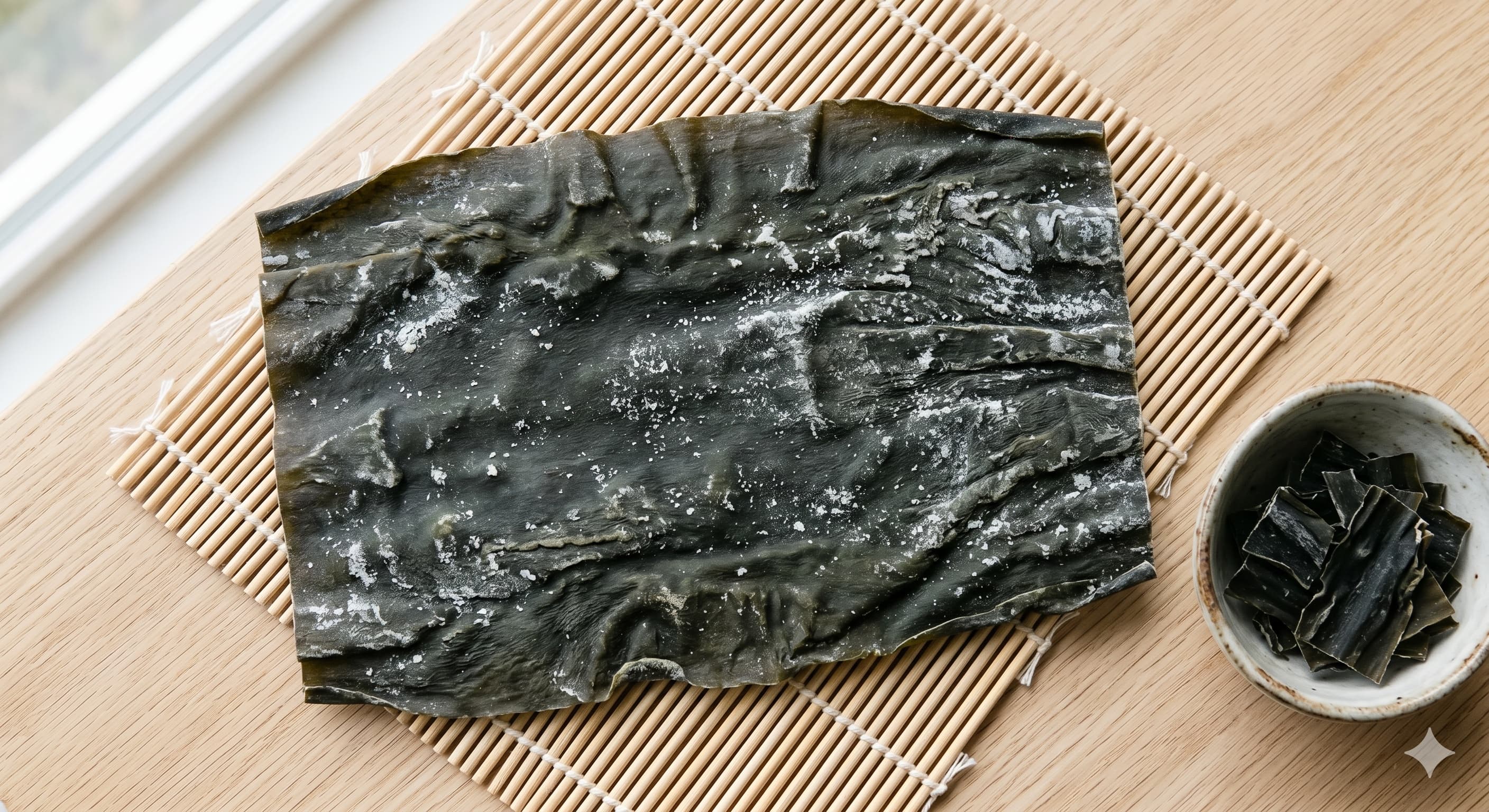
다시마
Dasima
Clean oceanic umami; natural glutamic acid provides savory depth without any fishiness; slightly sweet
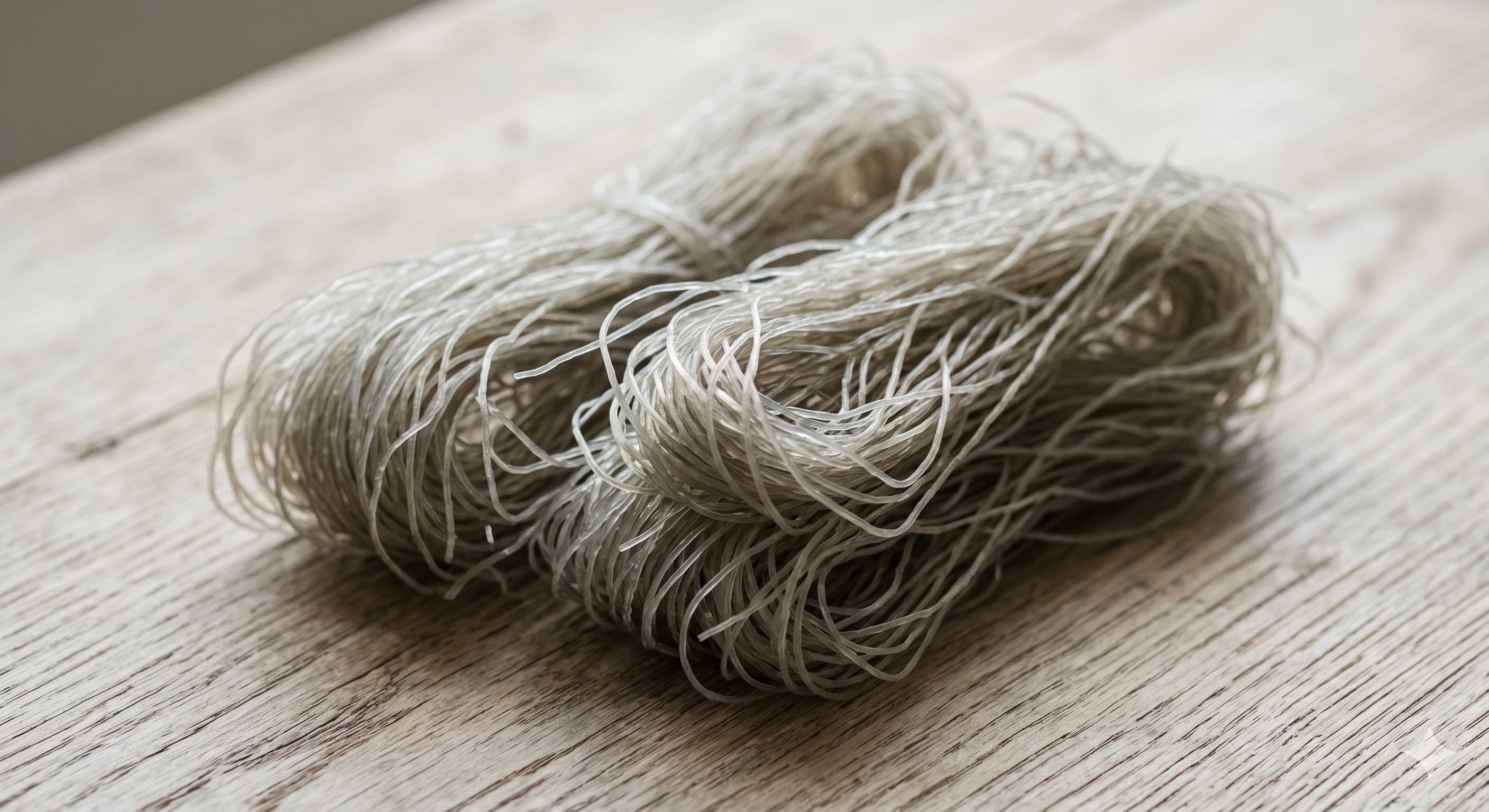
당면
Dangmyeon
Neutral, mildly sweet; excellent at absorbing surrounding sauce flavors; the appeal is texture rather than taste
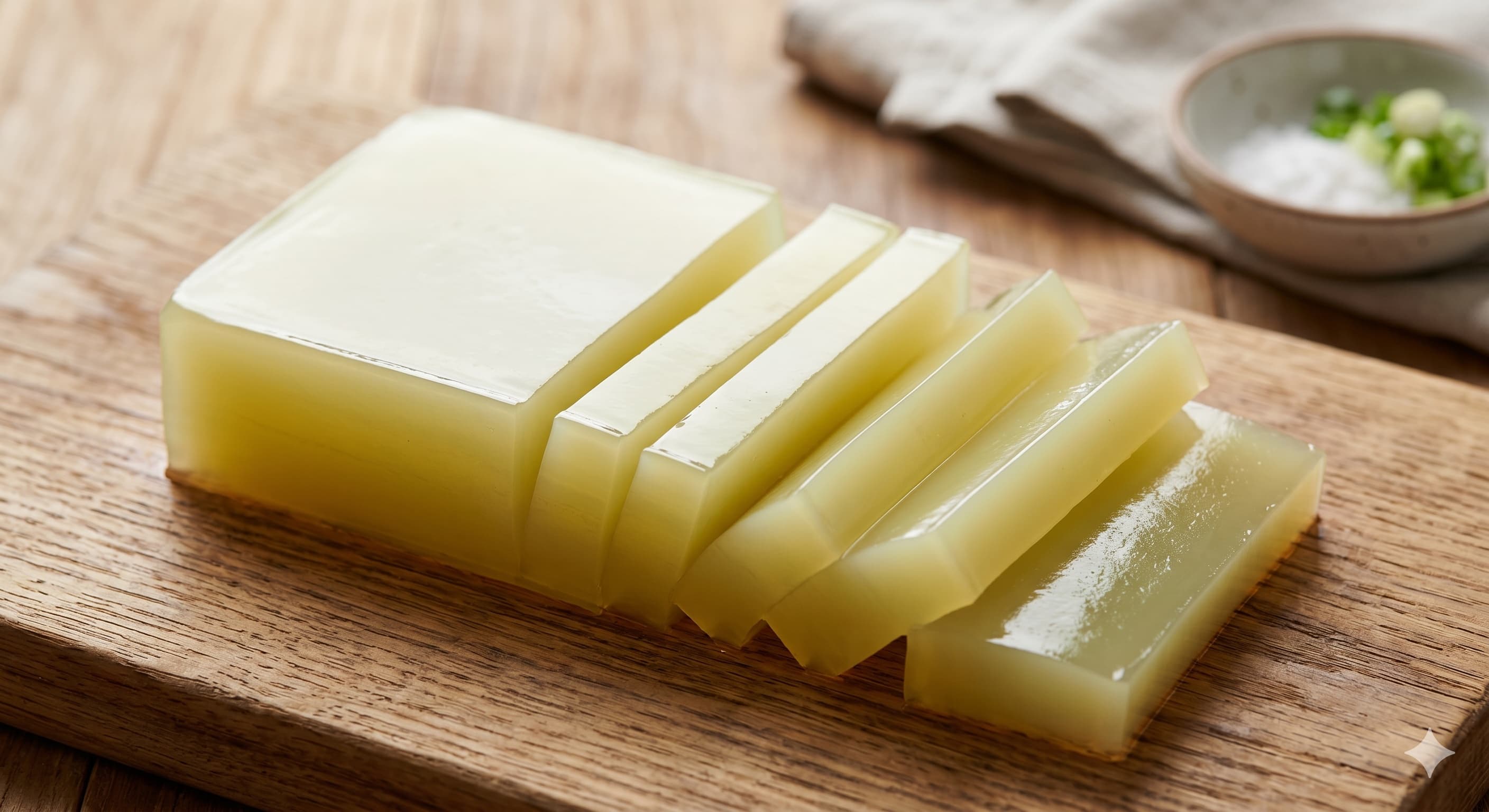
청포묵
Cheongpomuk
Very mild, almost neutral; slightly starchy; valued entirely for texture; absorbs dressing flavors
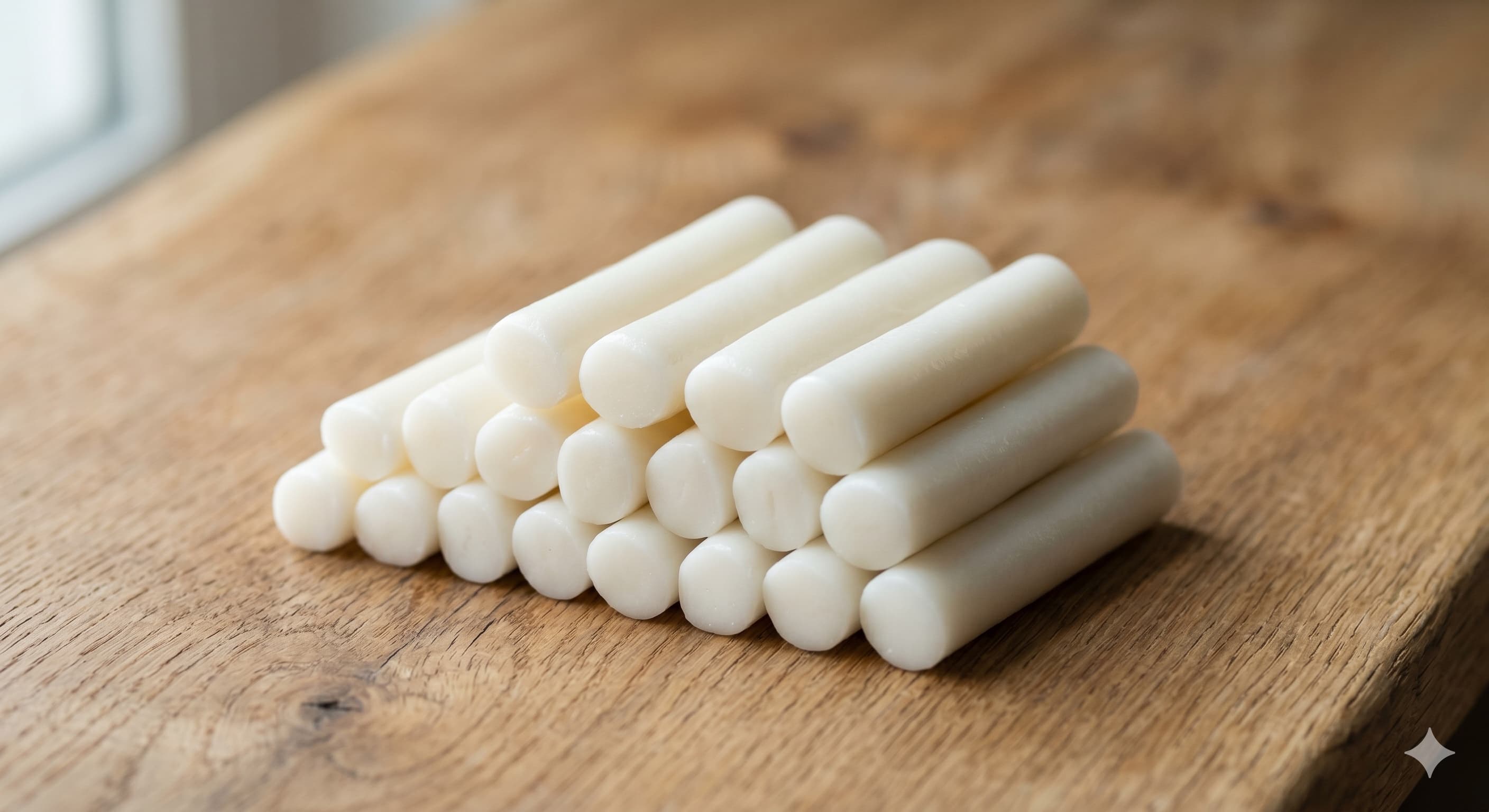
떡볶이 떡
Tteokbokki Tteok
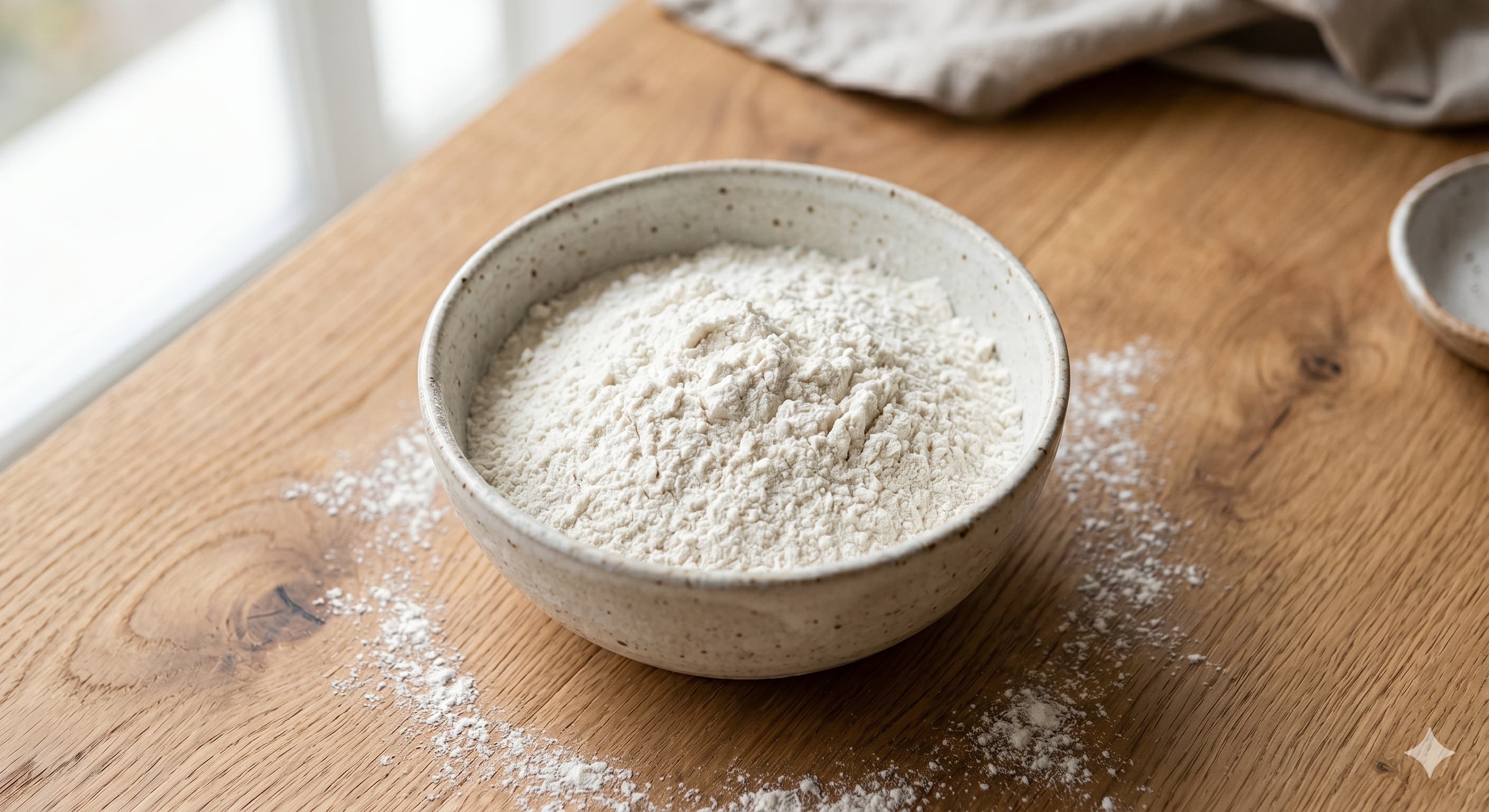
밀가루
Milgaru
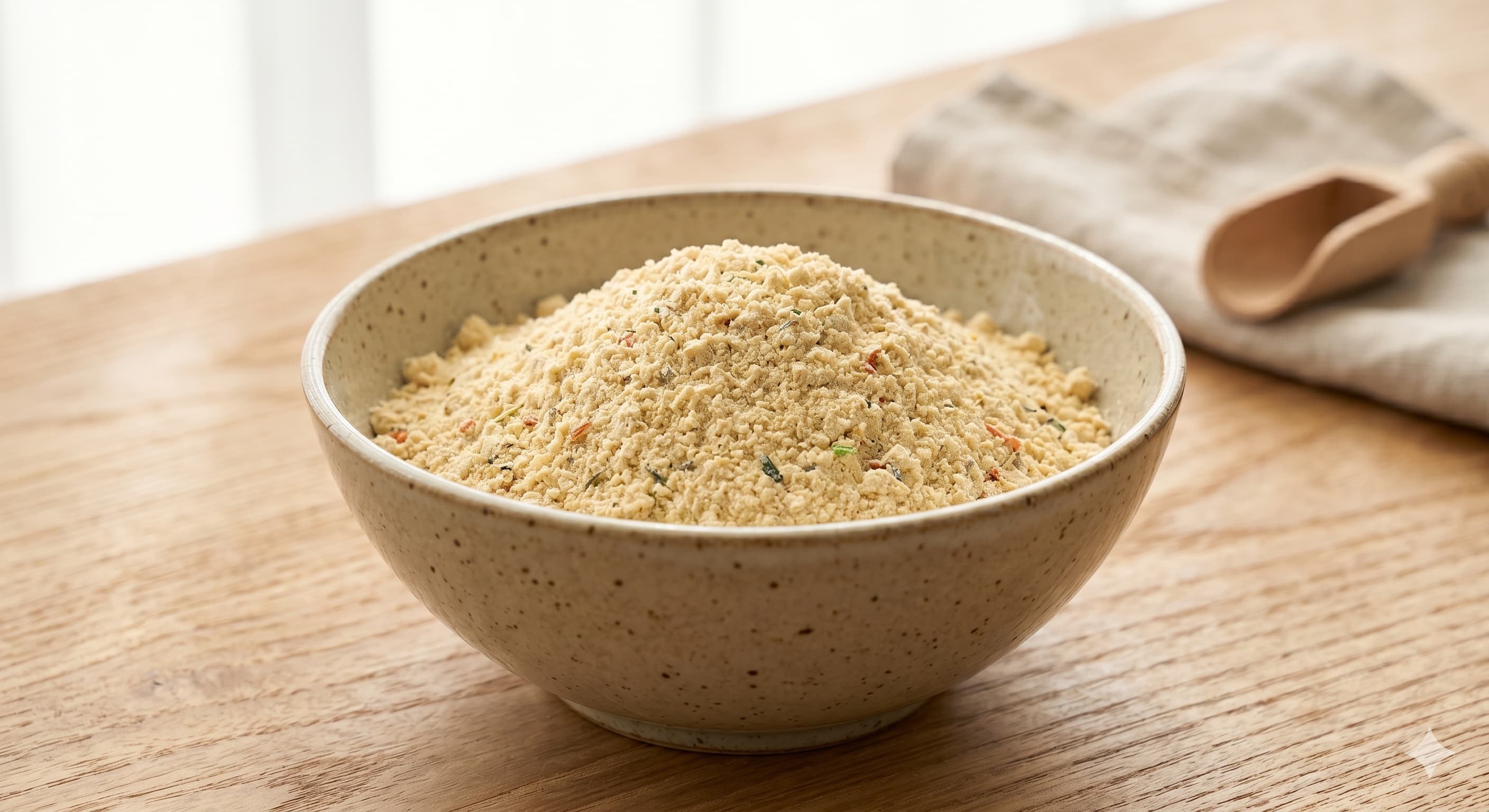
부침가루
Buchimgaru
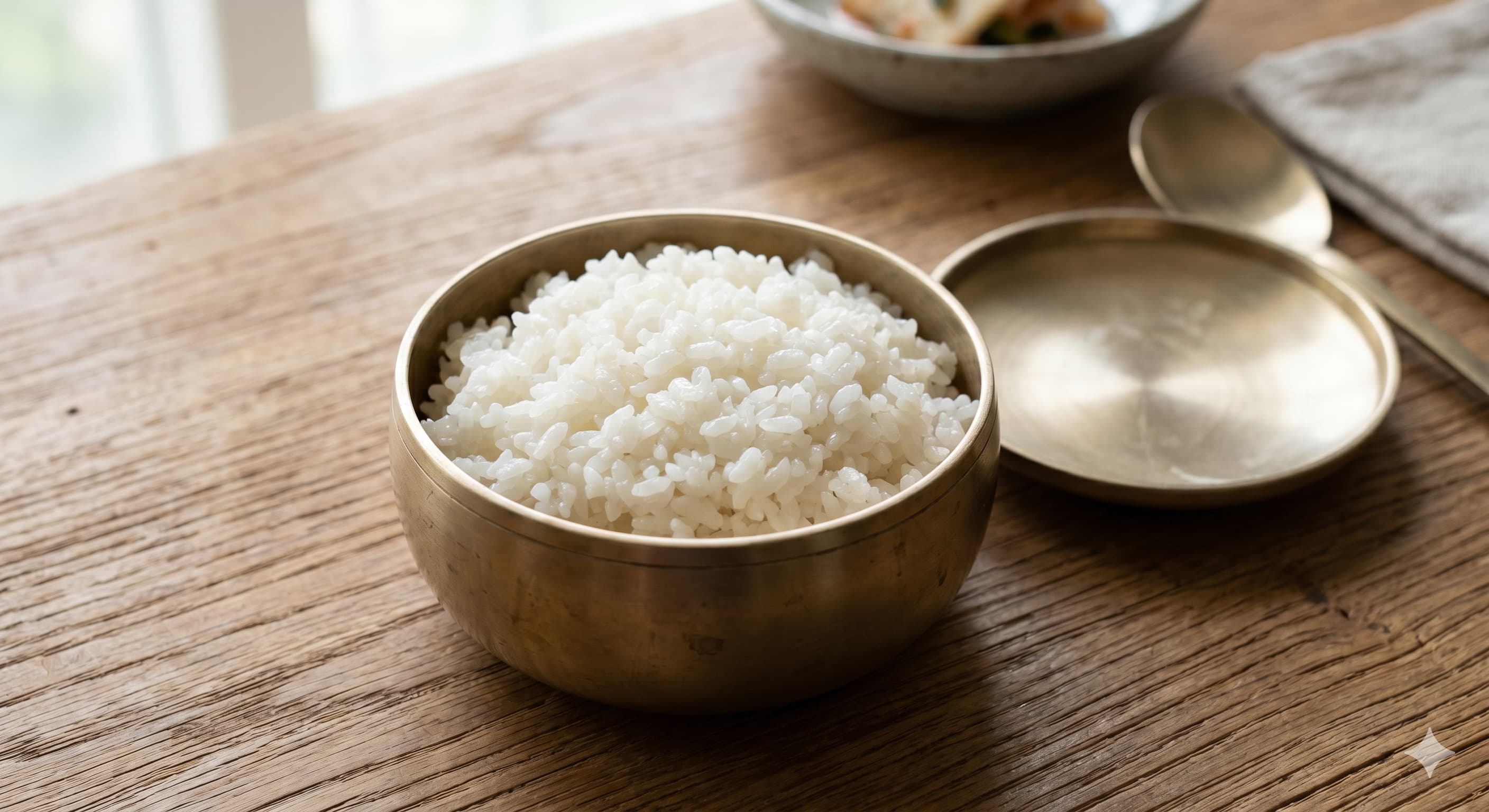
밥
Bap
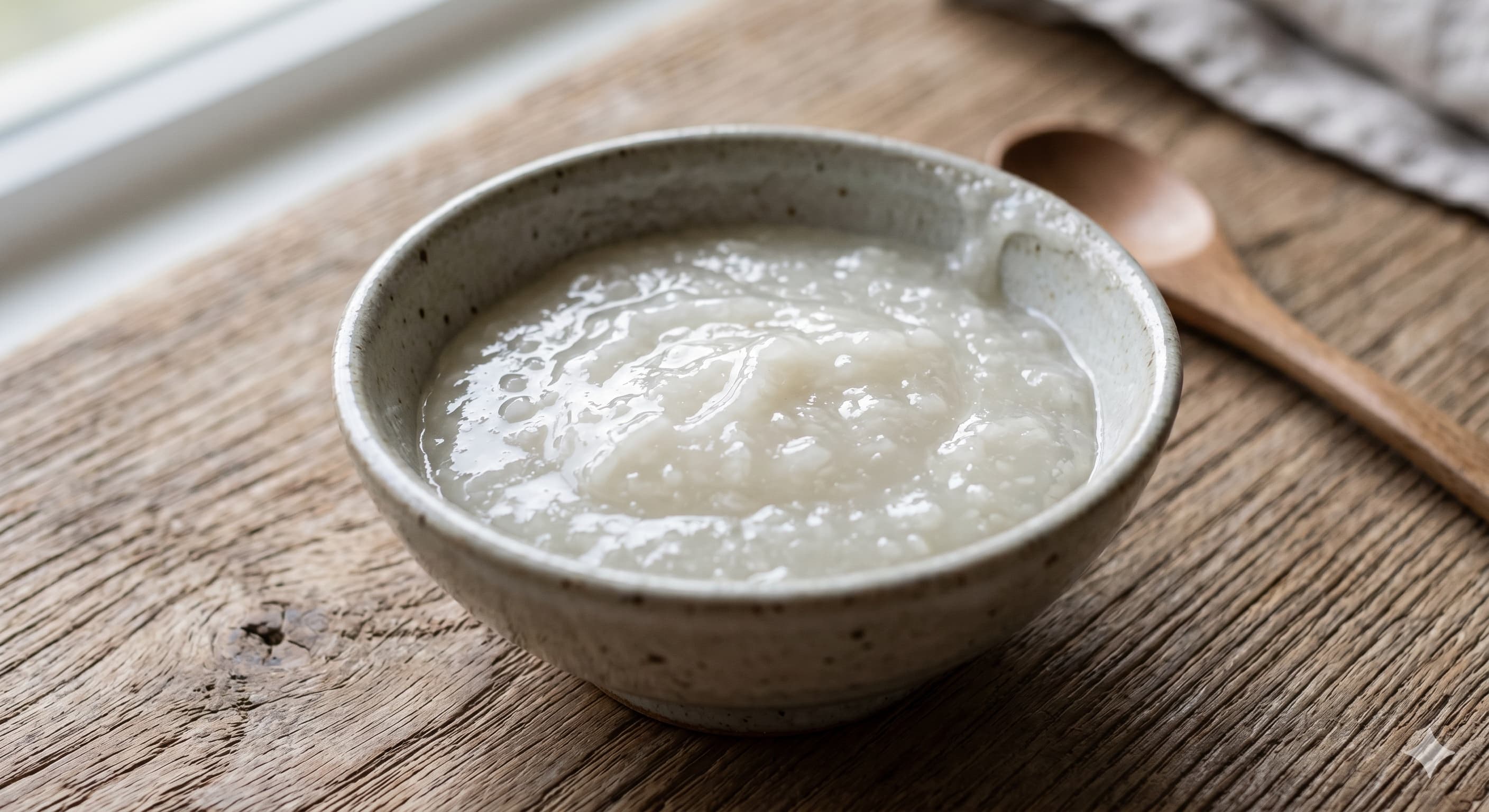
찹쌀풀
Chapssalpul
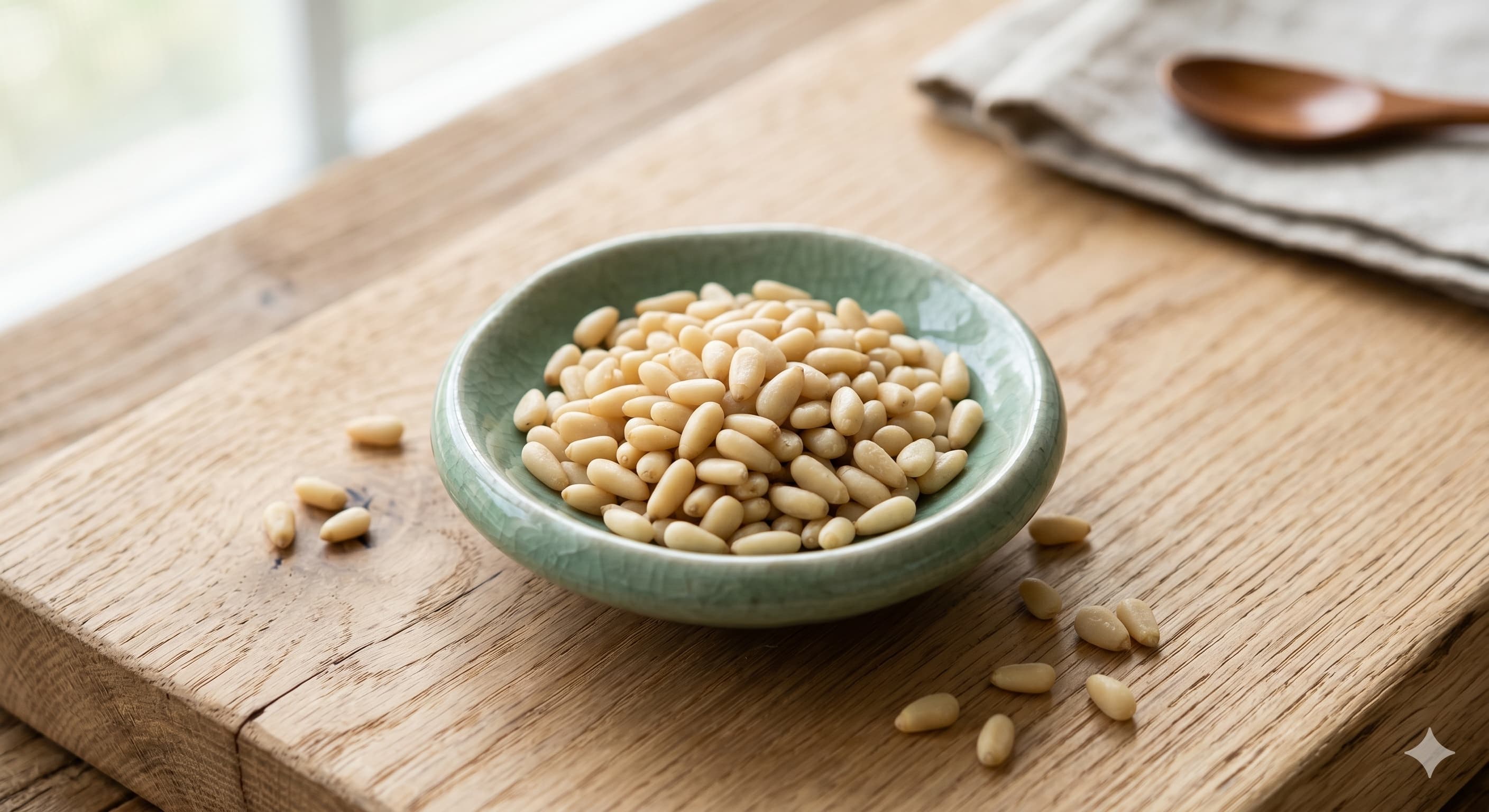
잣
Jat
Delicate, buttery, with subtle pine-resin sweetness; softer and more refined than Mediterranean pine nuts
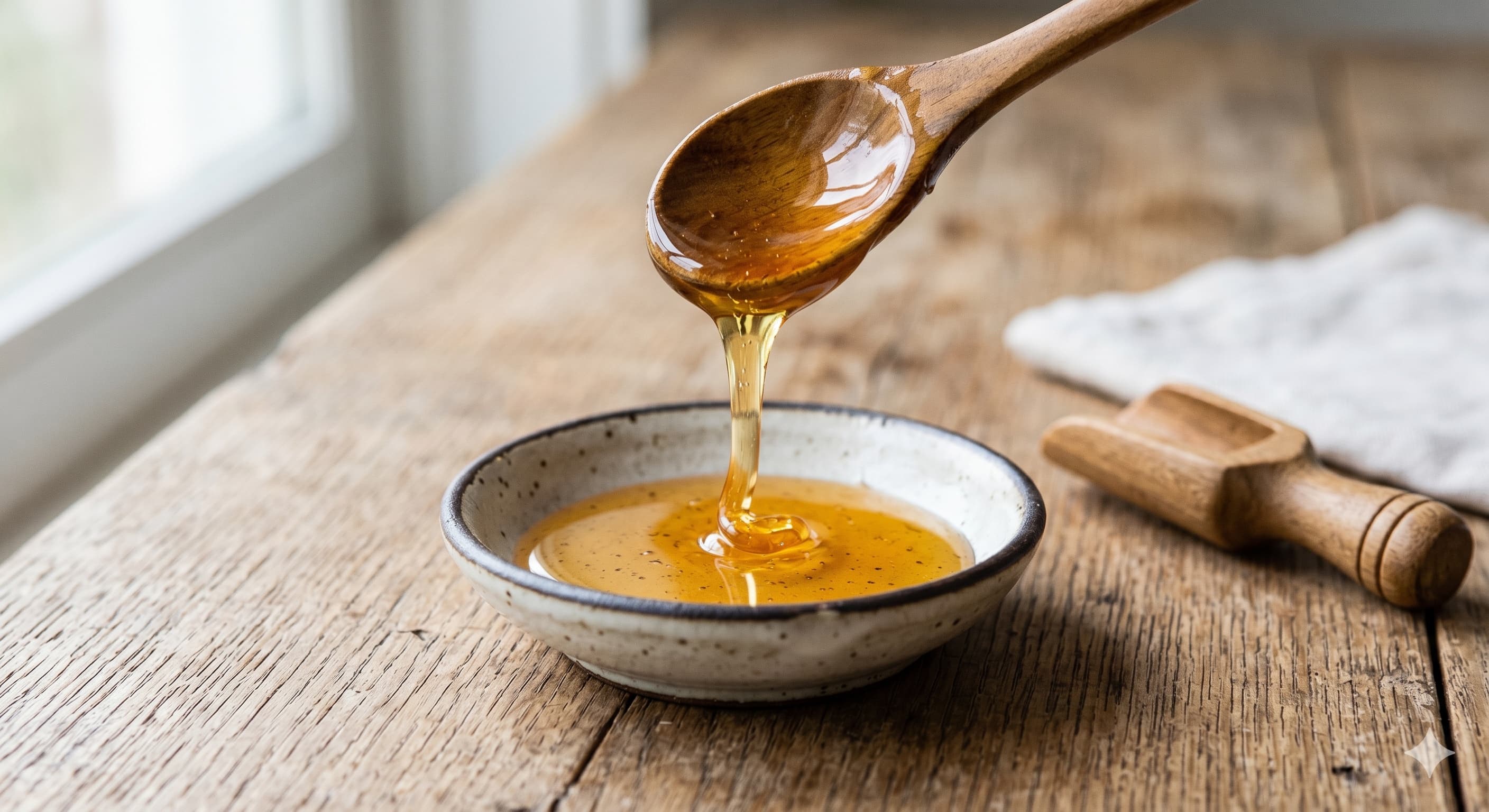
물엿
Mulyeot
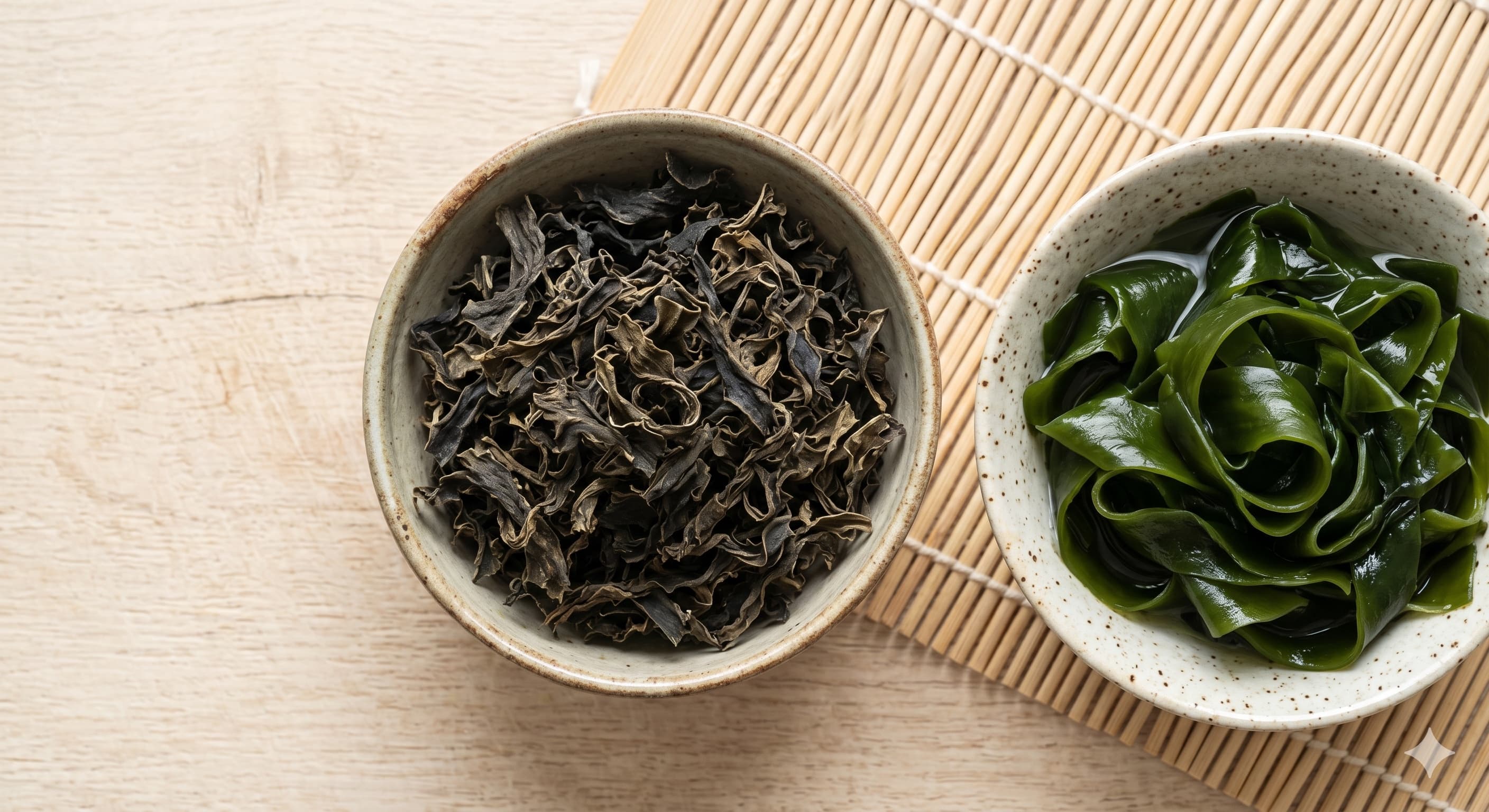
건미역
Miyeok
Mild oceanic, slightly sweet
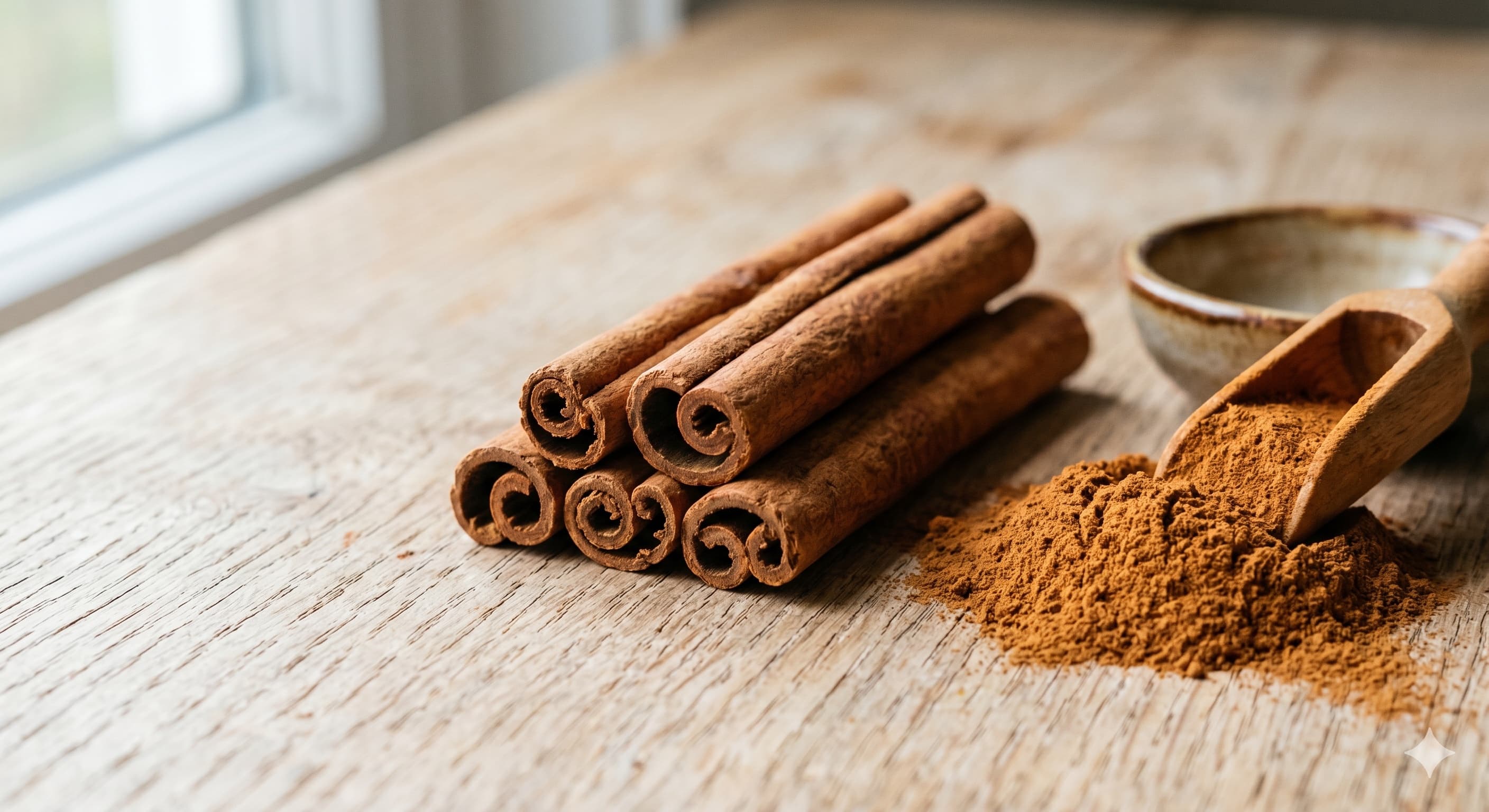
계피
Gyepi
Warm, sweet, woody, slightly spicy
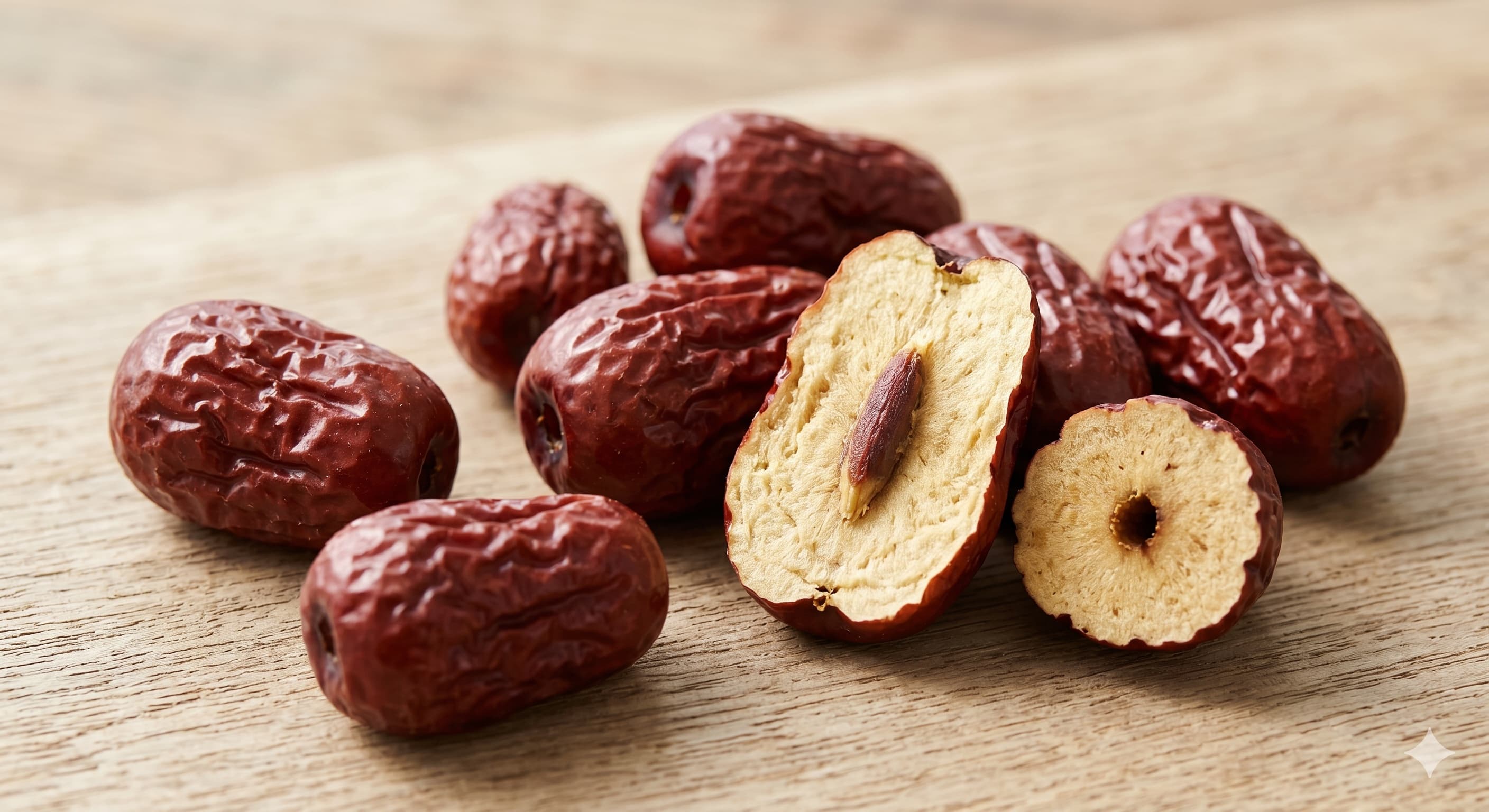
대추
Daechu
Sweet, chewy, slightly caramel-like when dried
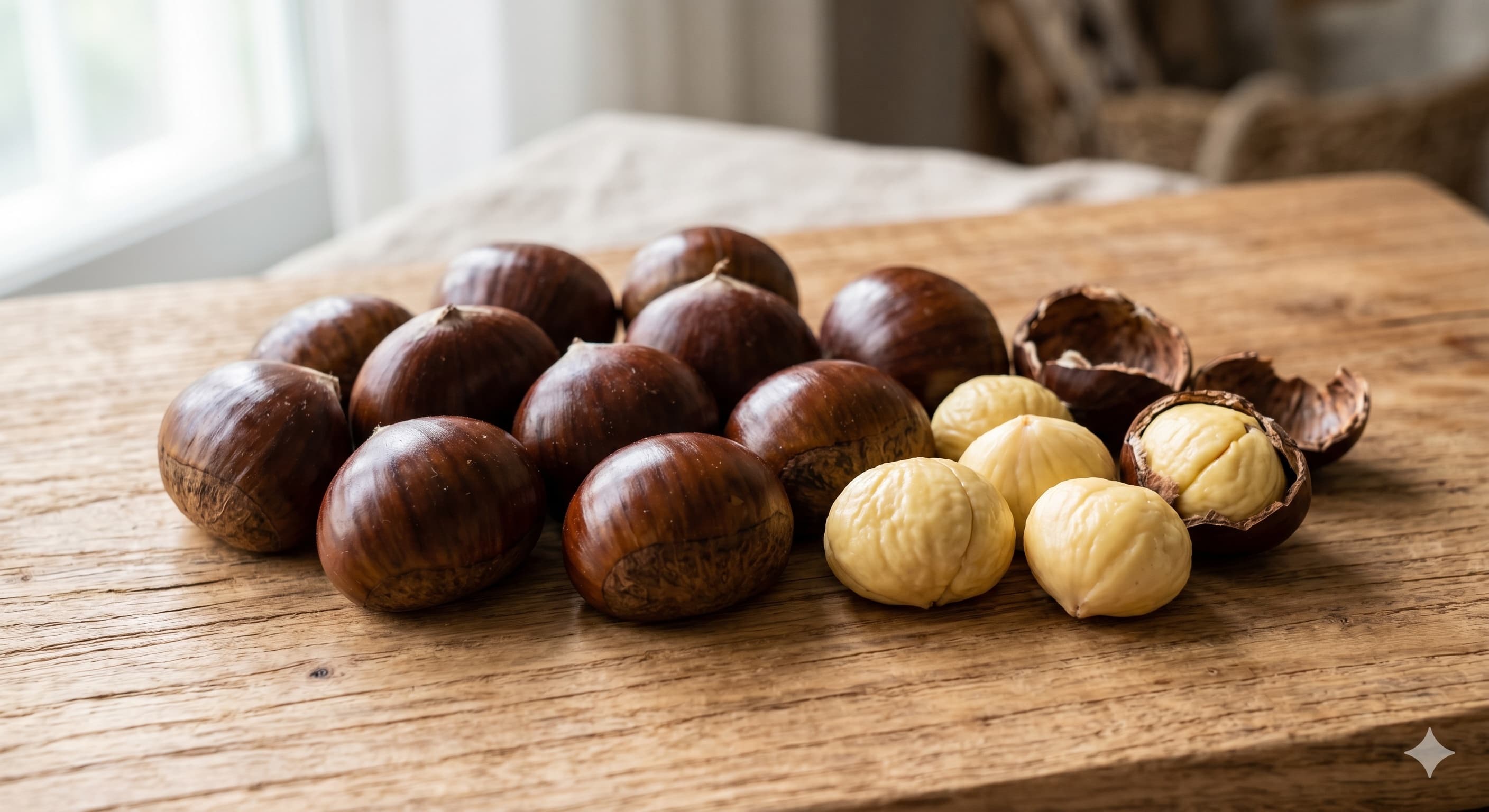
밤
Bam
Sweet, starchy, nutty
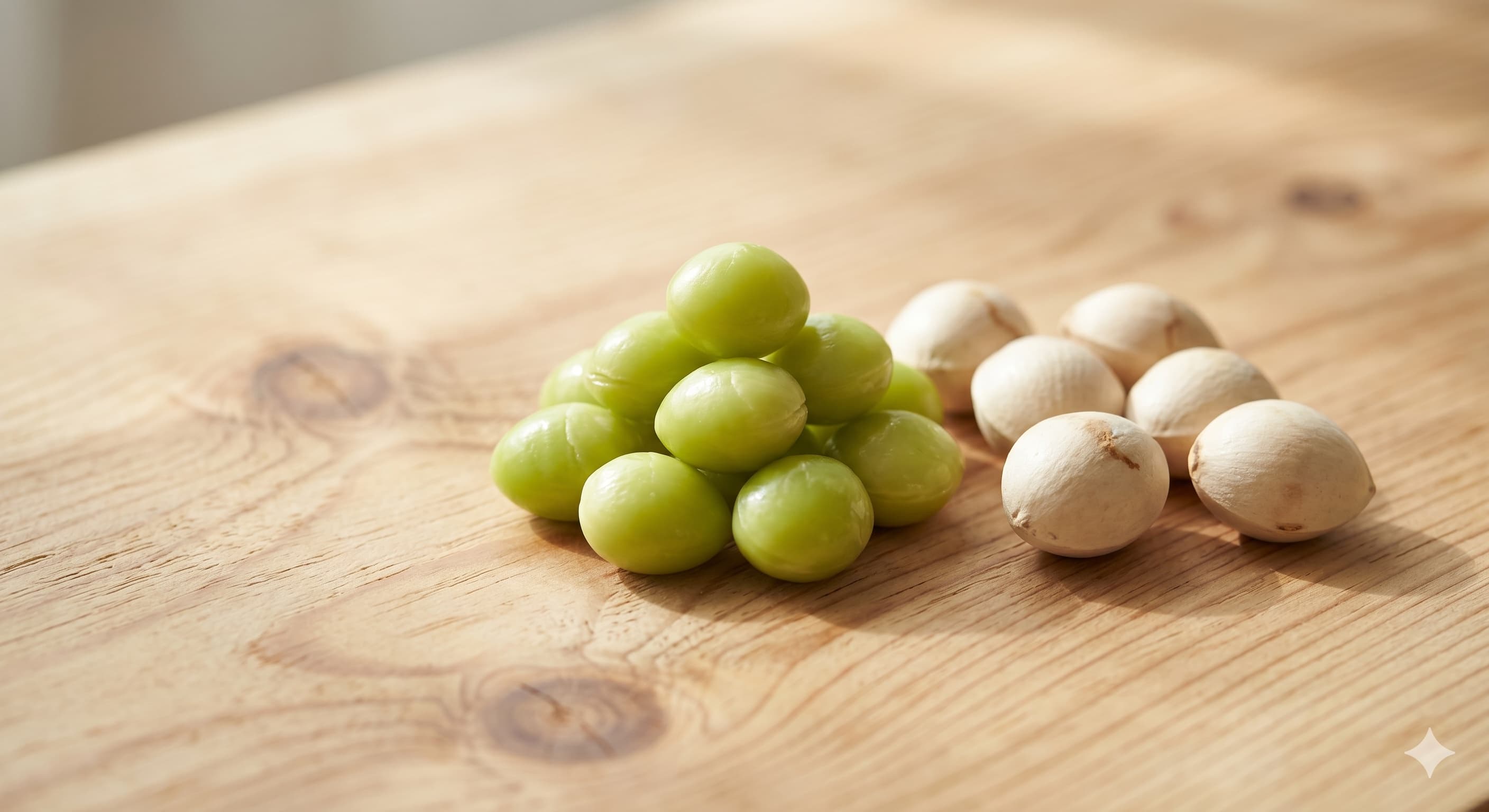
은행
Eunhaeng
Mildly bitter, nutty, slightly sweet
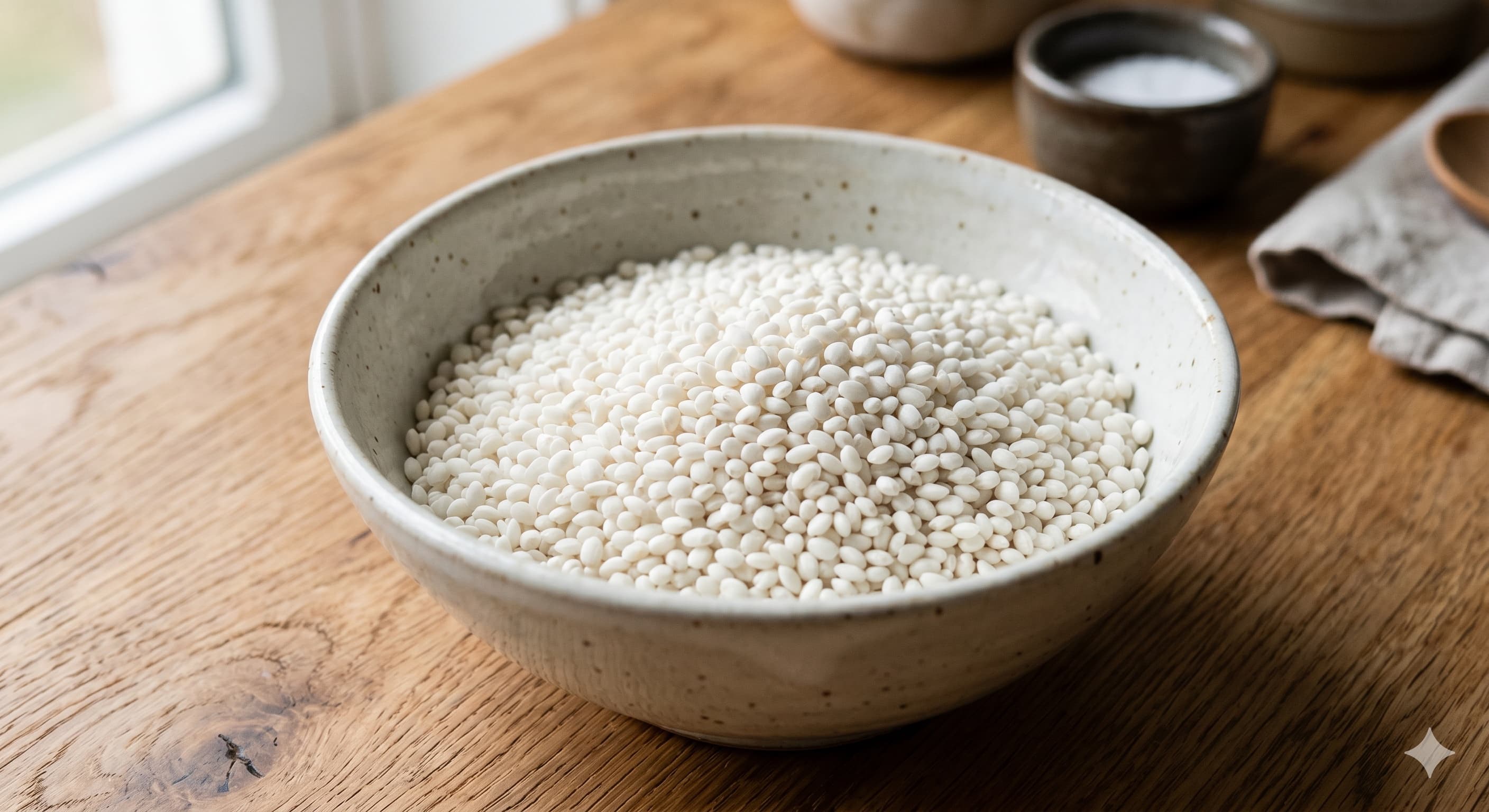
찹쌀
Chapssal
Subtly sweet, sticky
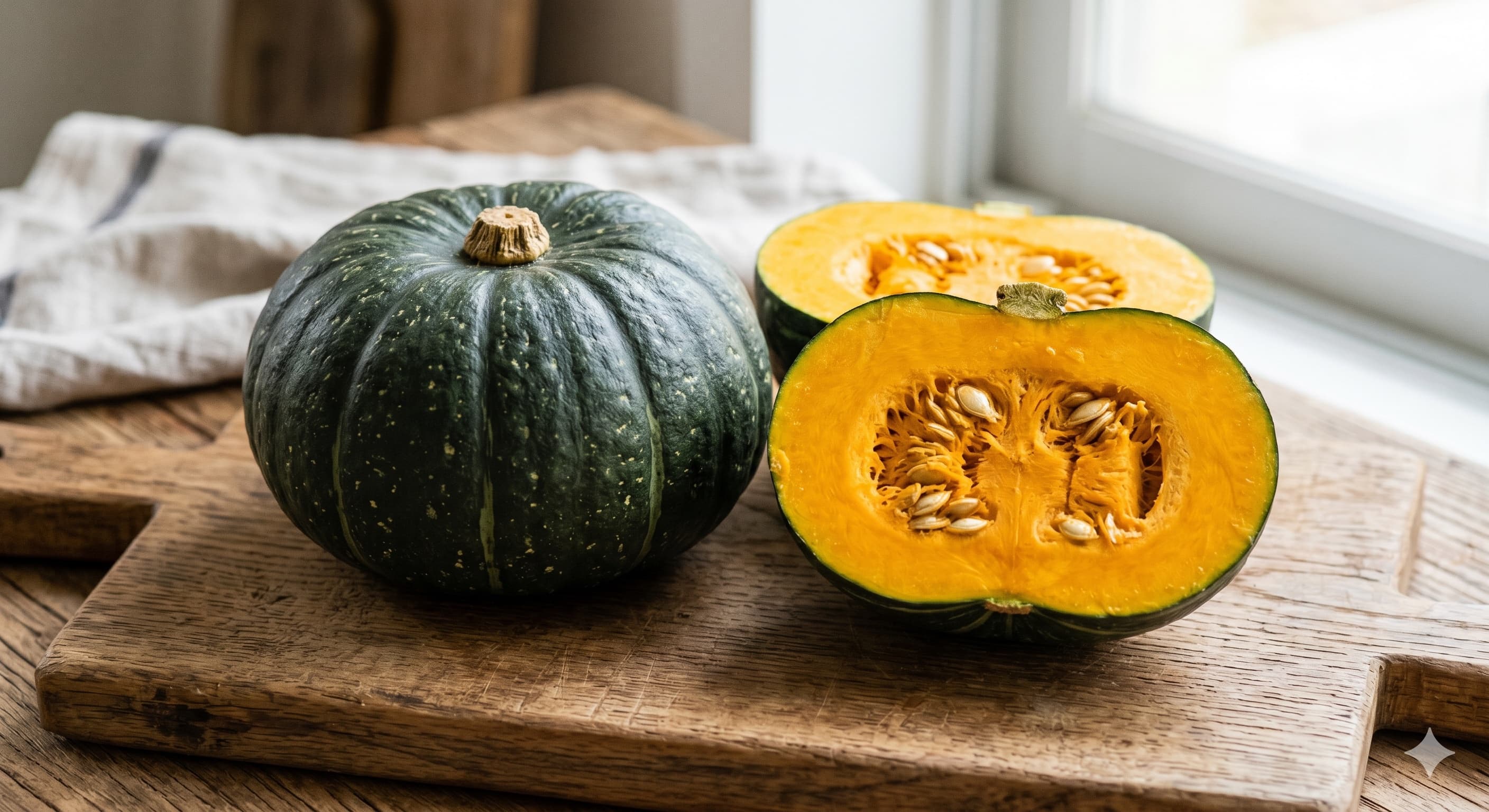
단호박
Danhobak
Very sweet, dense, chestnut-like
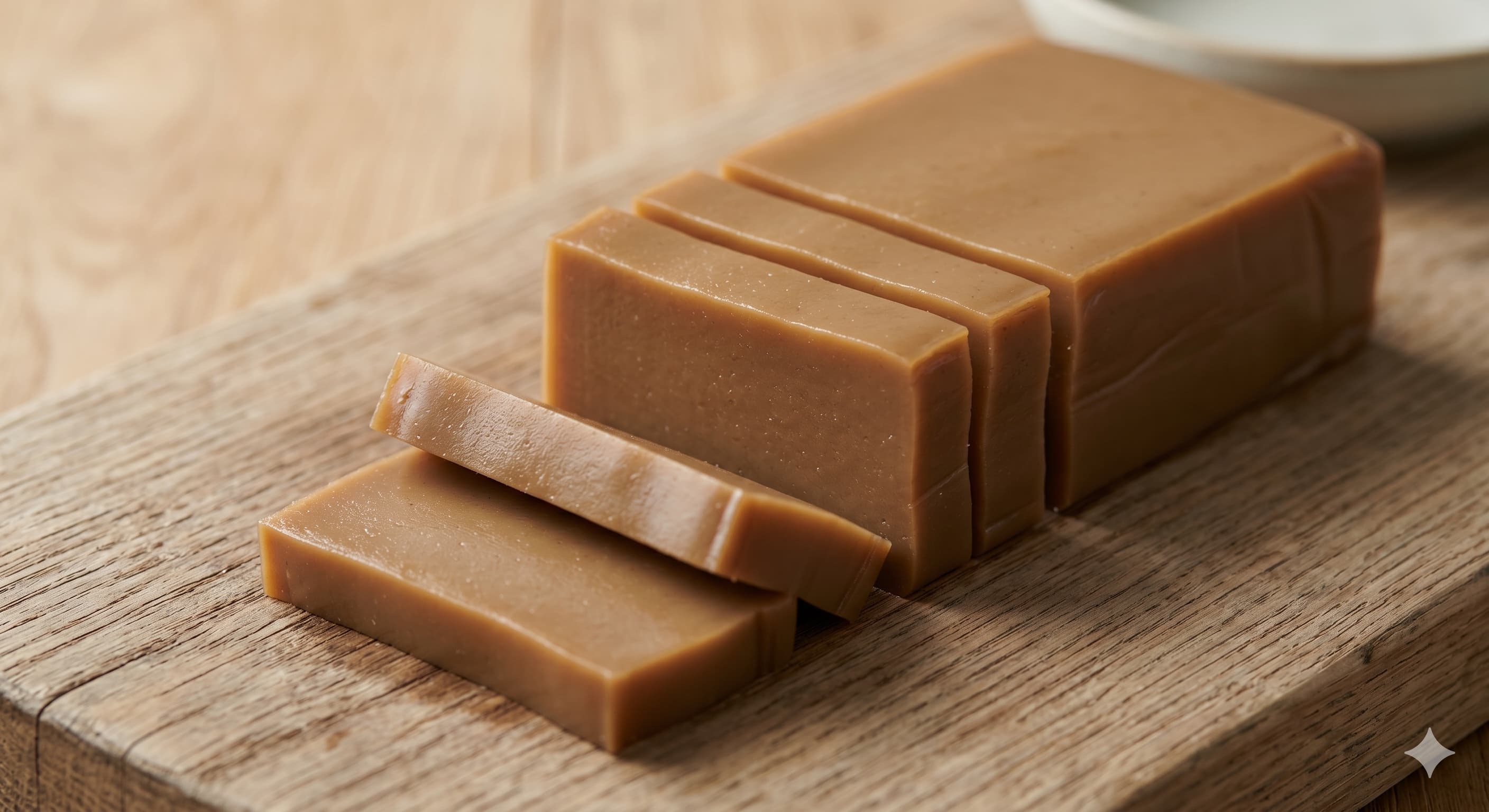
도토리묵
Dotorimuk
Earthy, mildly nutty, slightly astringent

곶감
Gotgam
Intensely sweet, caramel-like, honeyed
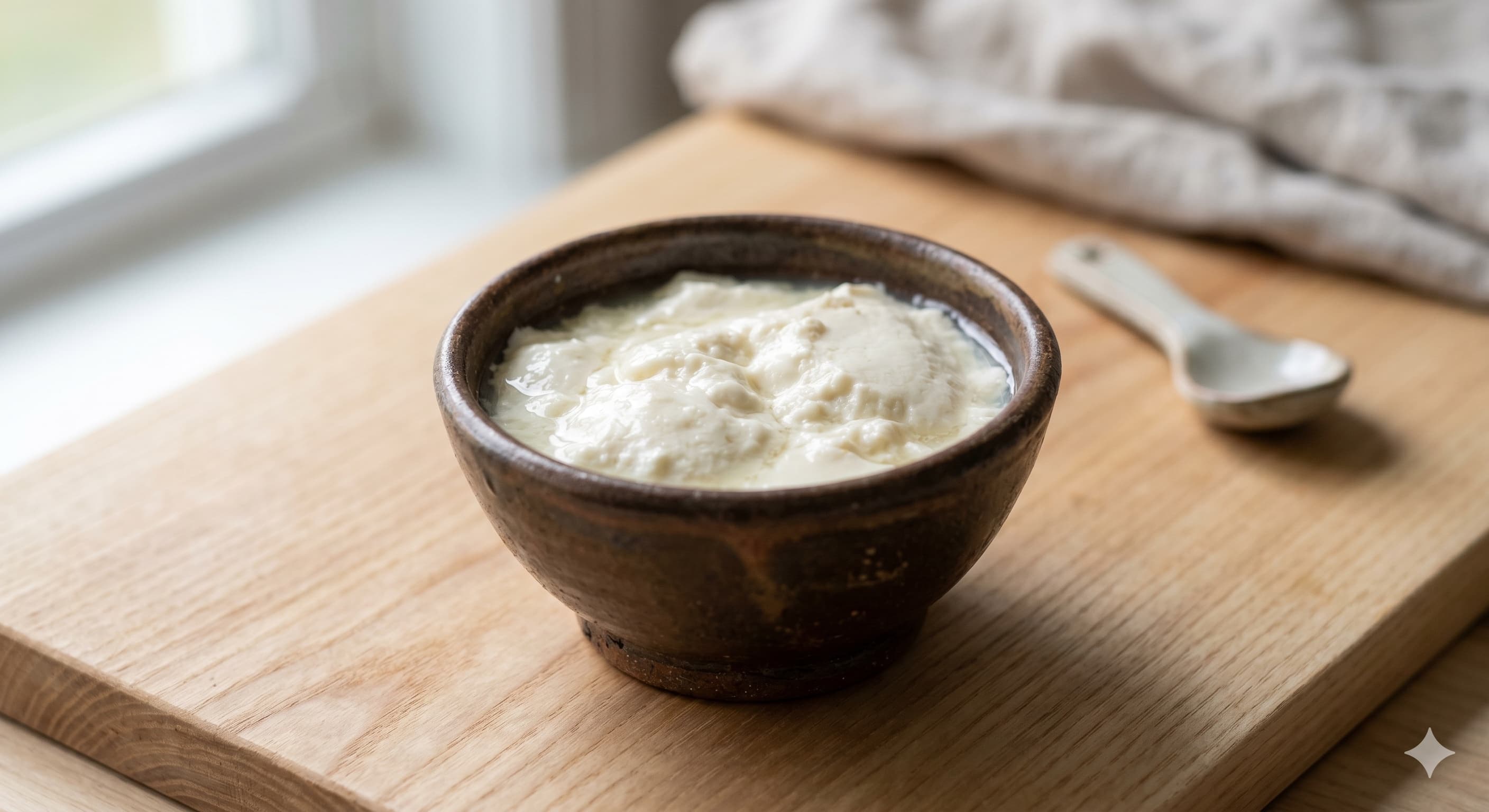
순두부
Sundubu
Delicate, milky, custard-like
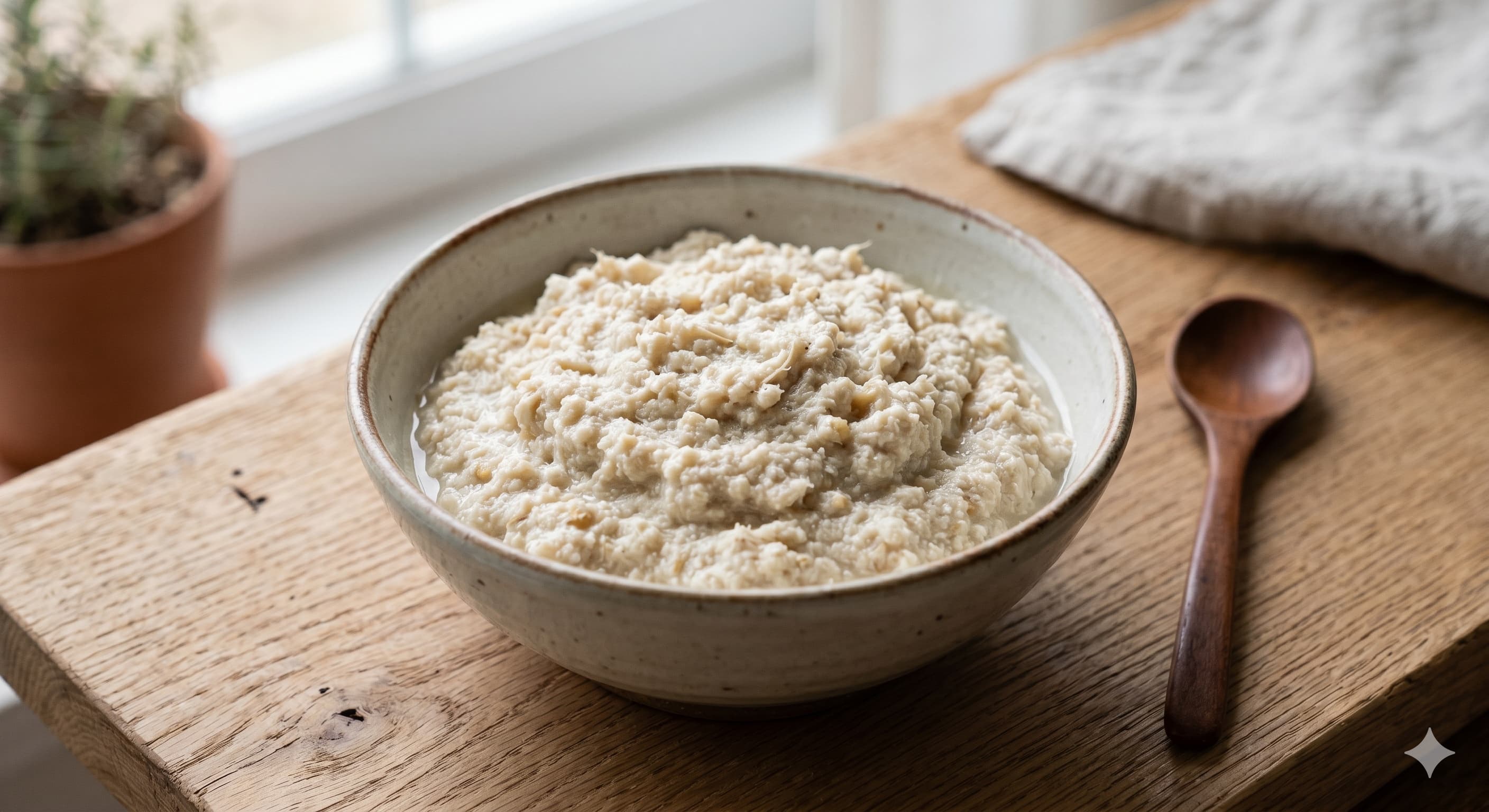
콩비지
Kongbiji
Mild, beany, slightly grainy

팥
Pat
Sweet, earthy, slightly starchy
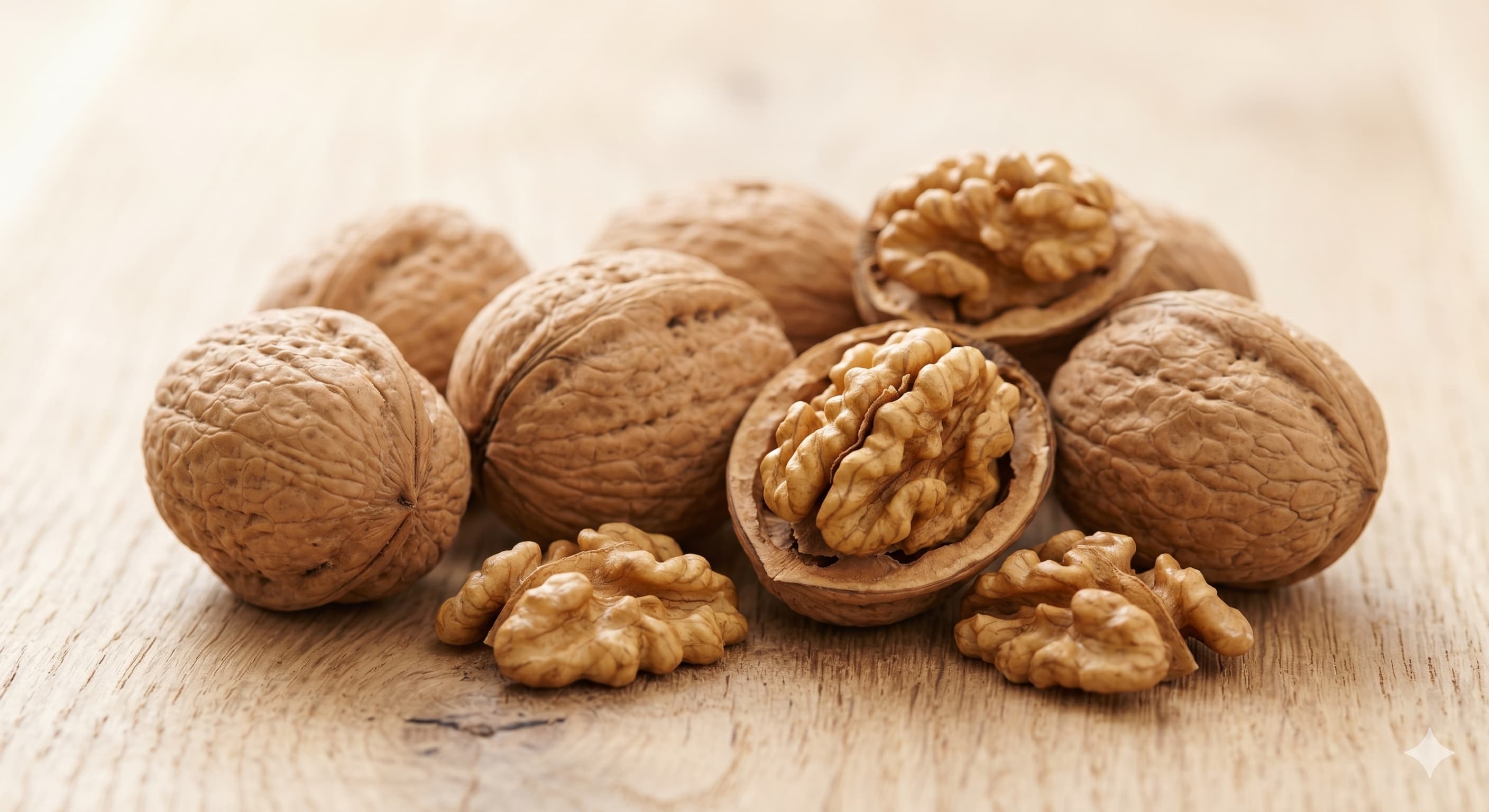
호두
Hodu
Rich, buttery, mildly bitter
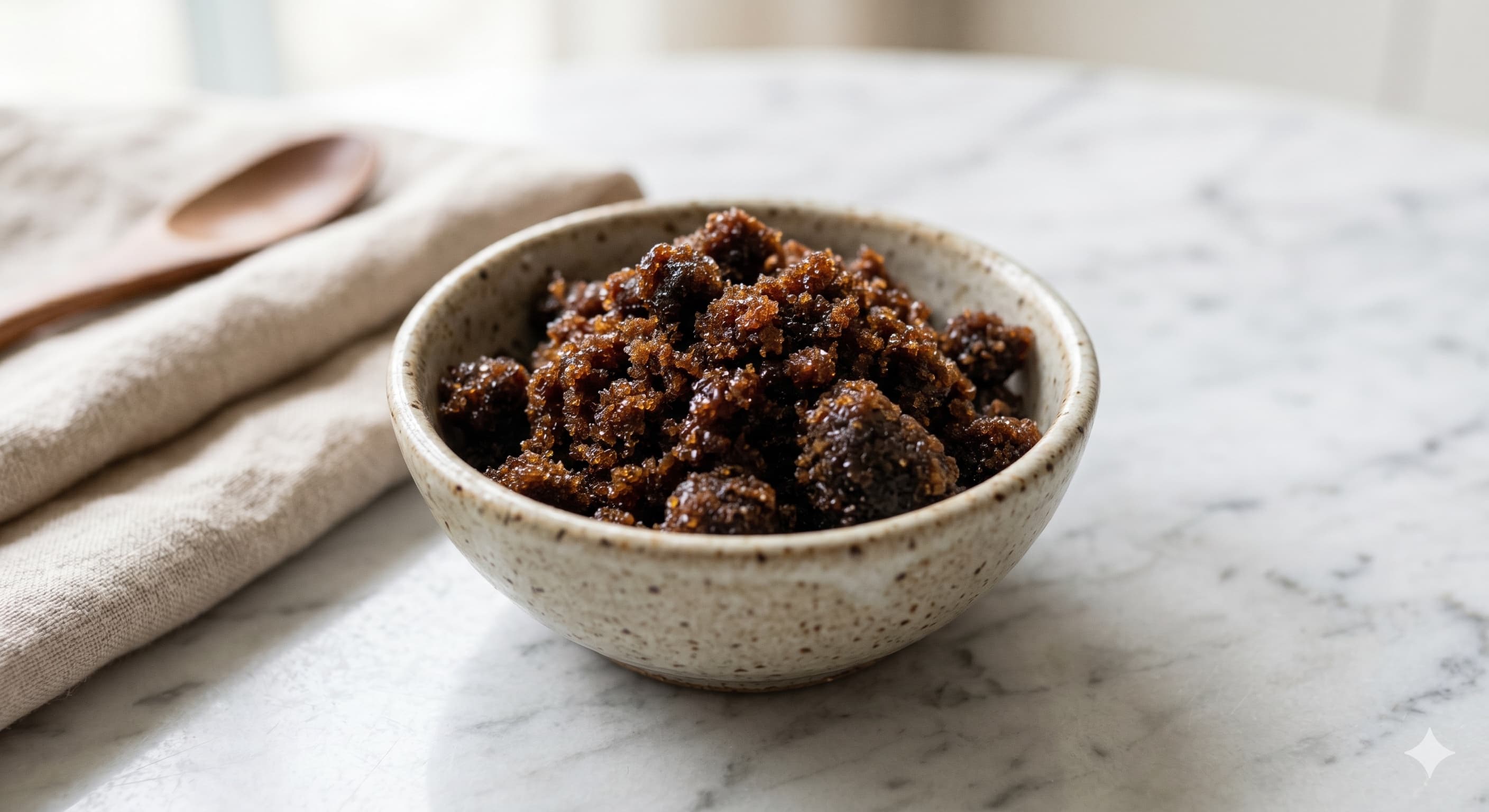
흑설탕
Heukseltang
Deep, caramel, molasses-like
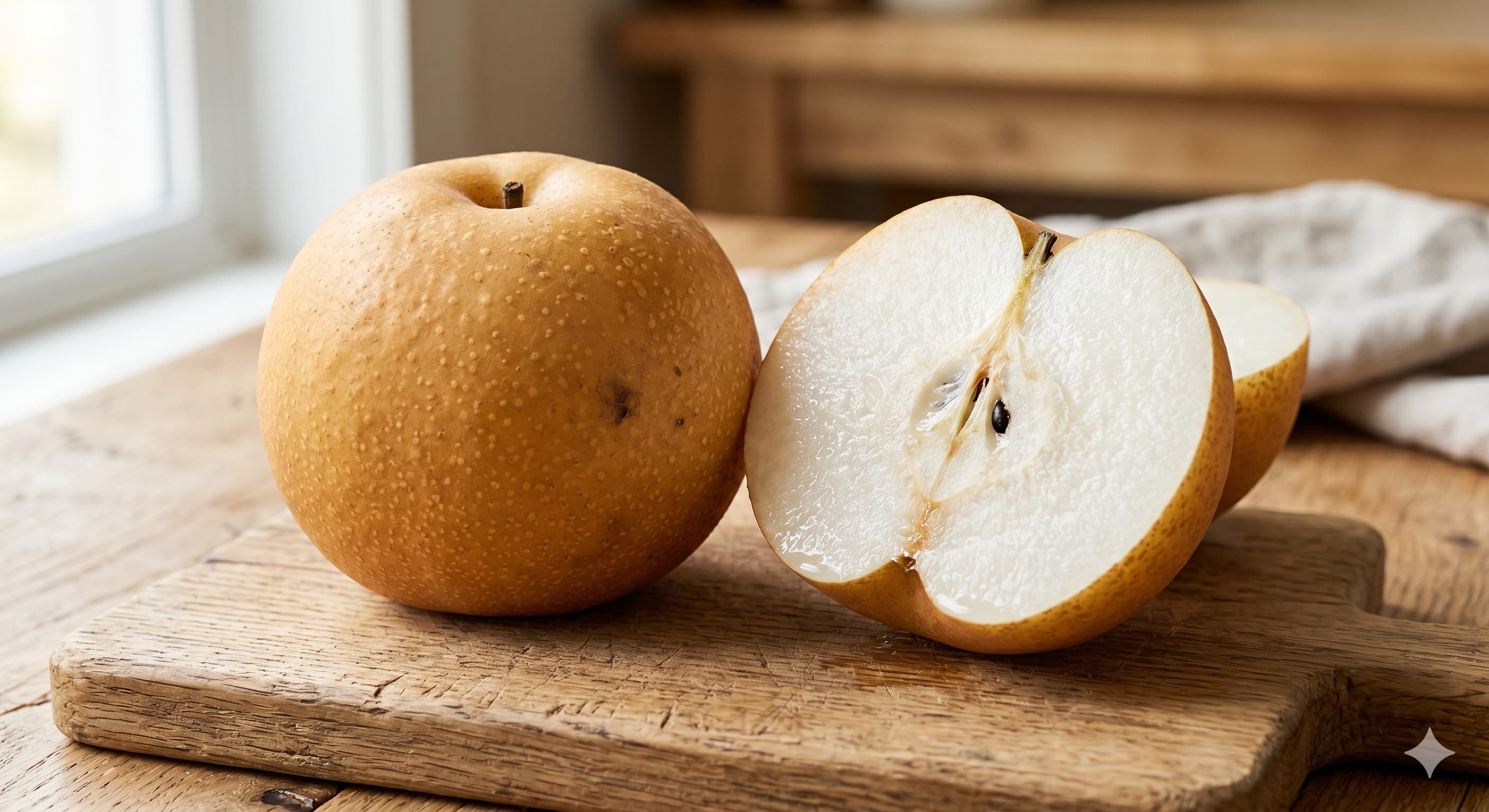
배
Bae
Crisp, juicy, refreshing sweetness
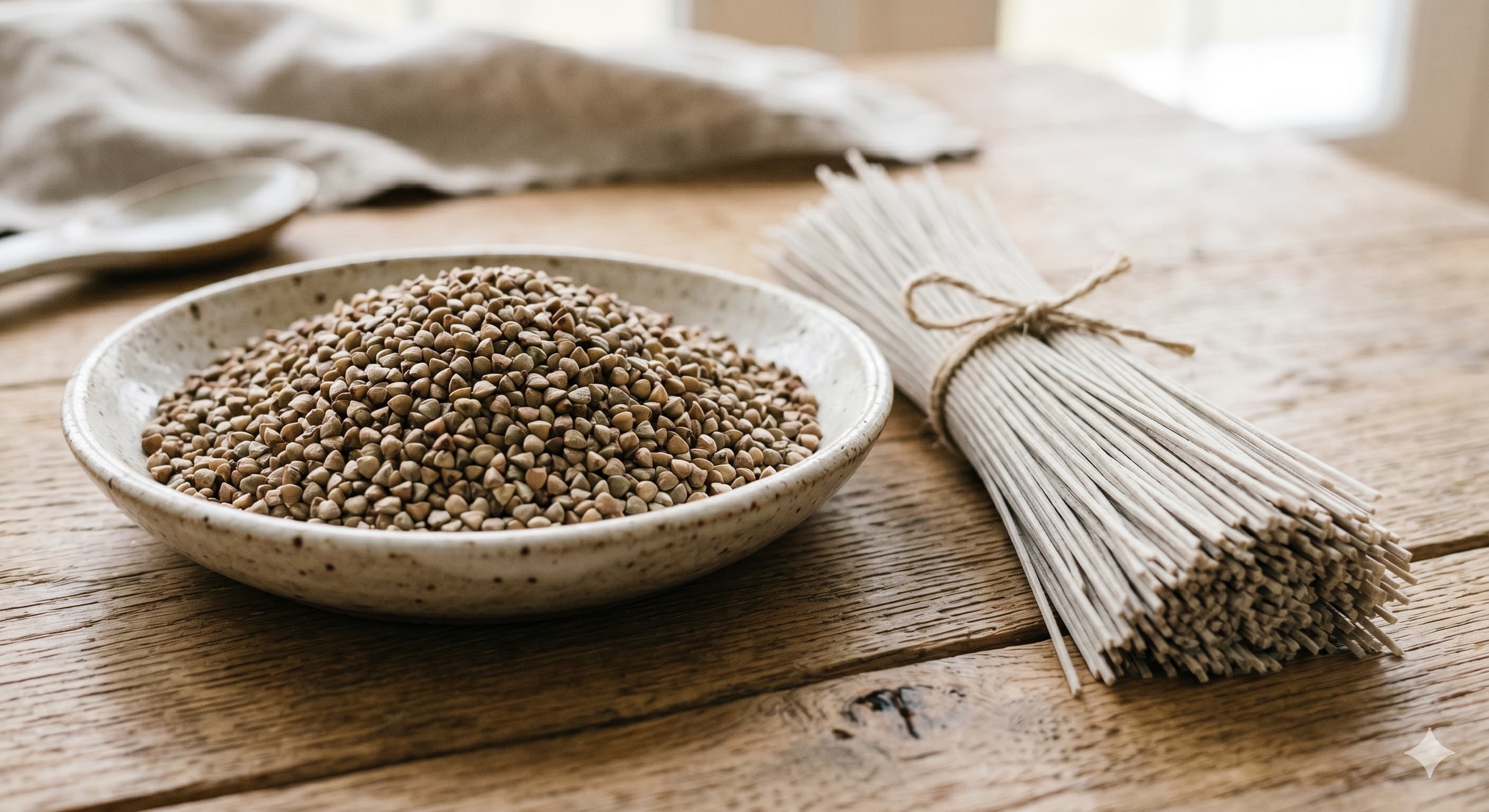
메밀
Memil
Earthy, nutty, slightly bitter
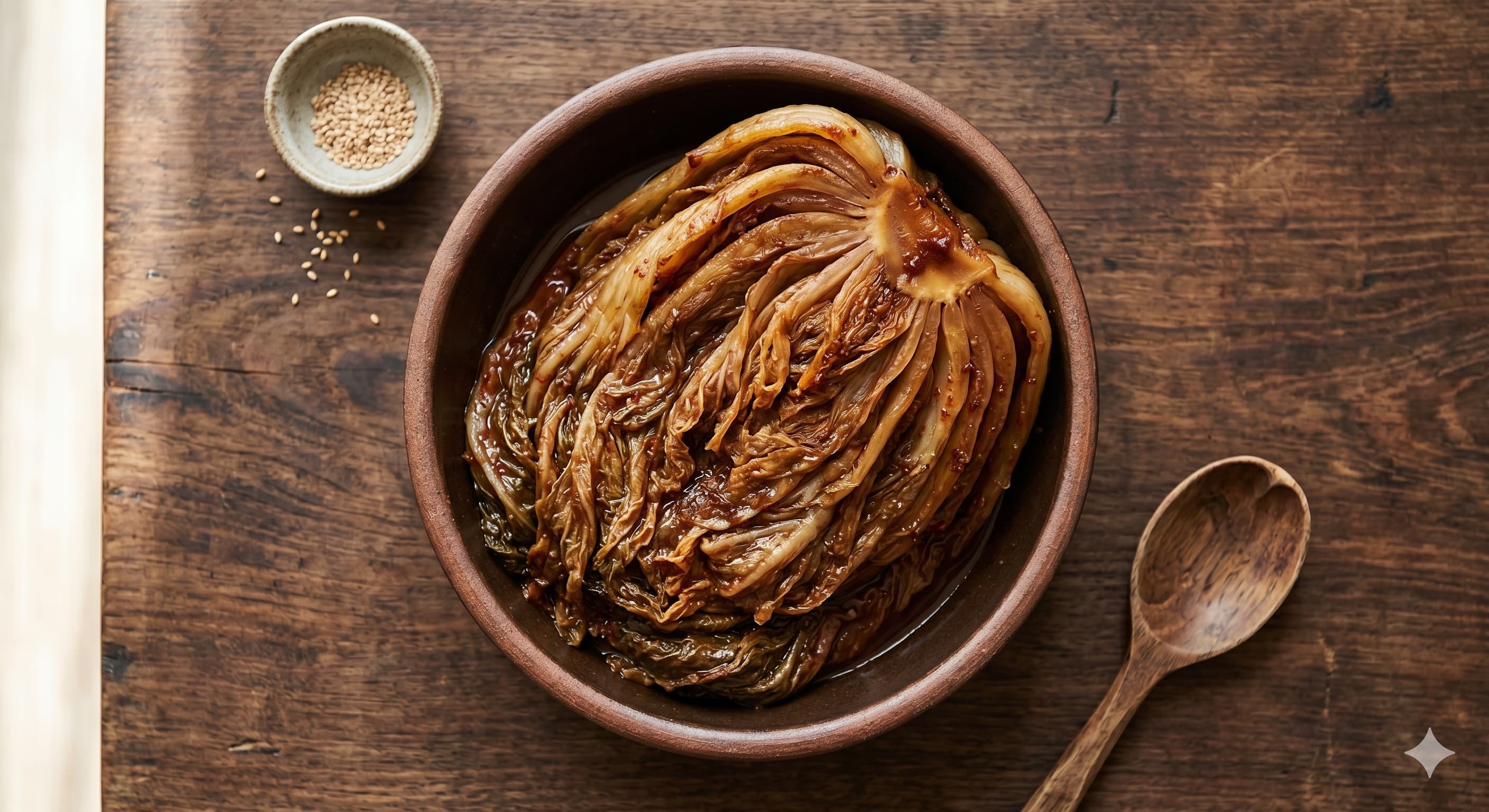
묵은지
Mukeunji
Deeply sour, funky, complex umami

연잎
Yeonip
Subtle floral, tea-like aroma
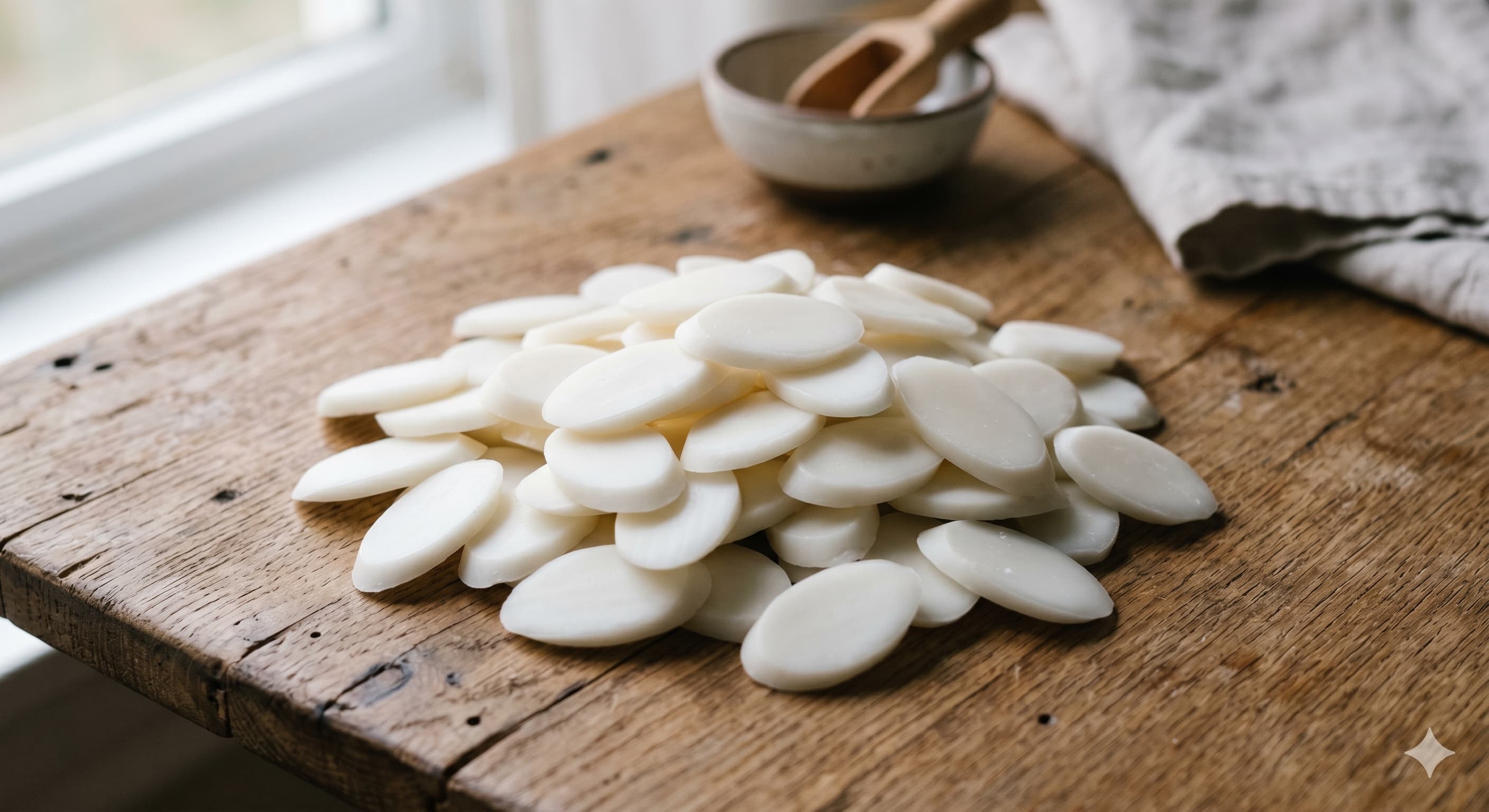
떡국떡
Tteokguk-tteok
Mild, neutral, slightly sweet
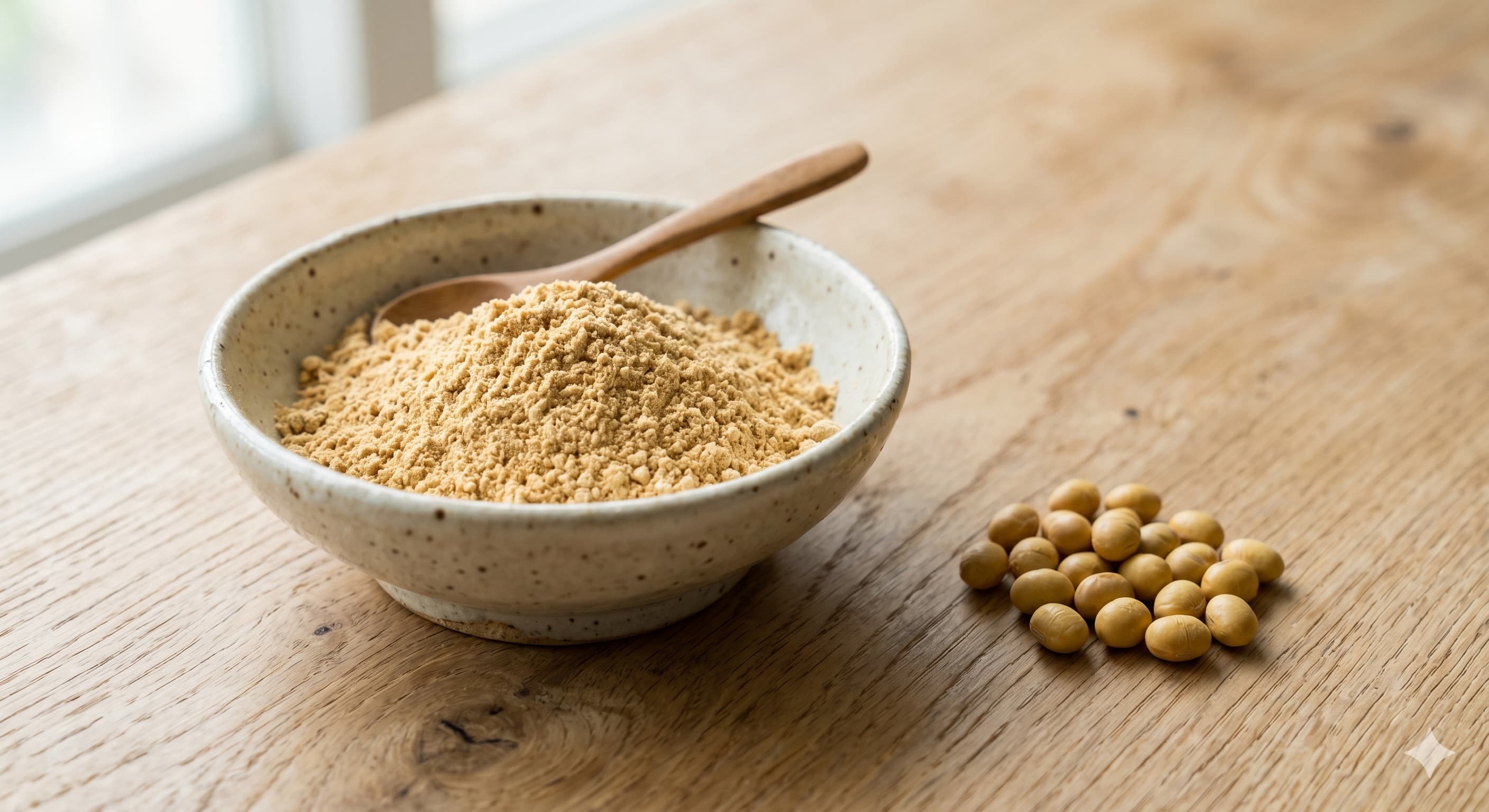
볶은 콩가루
Konggaru
Nutty, toasty, mildly sweet

냉이
Naengi
Mildly bitter, earthy, with a fresh green aroma
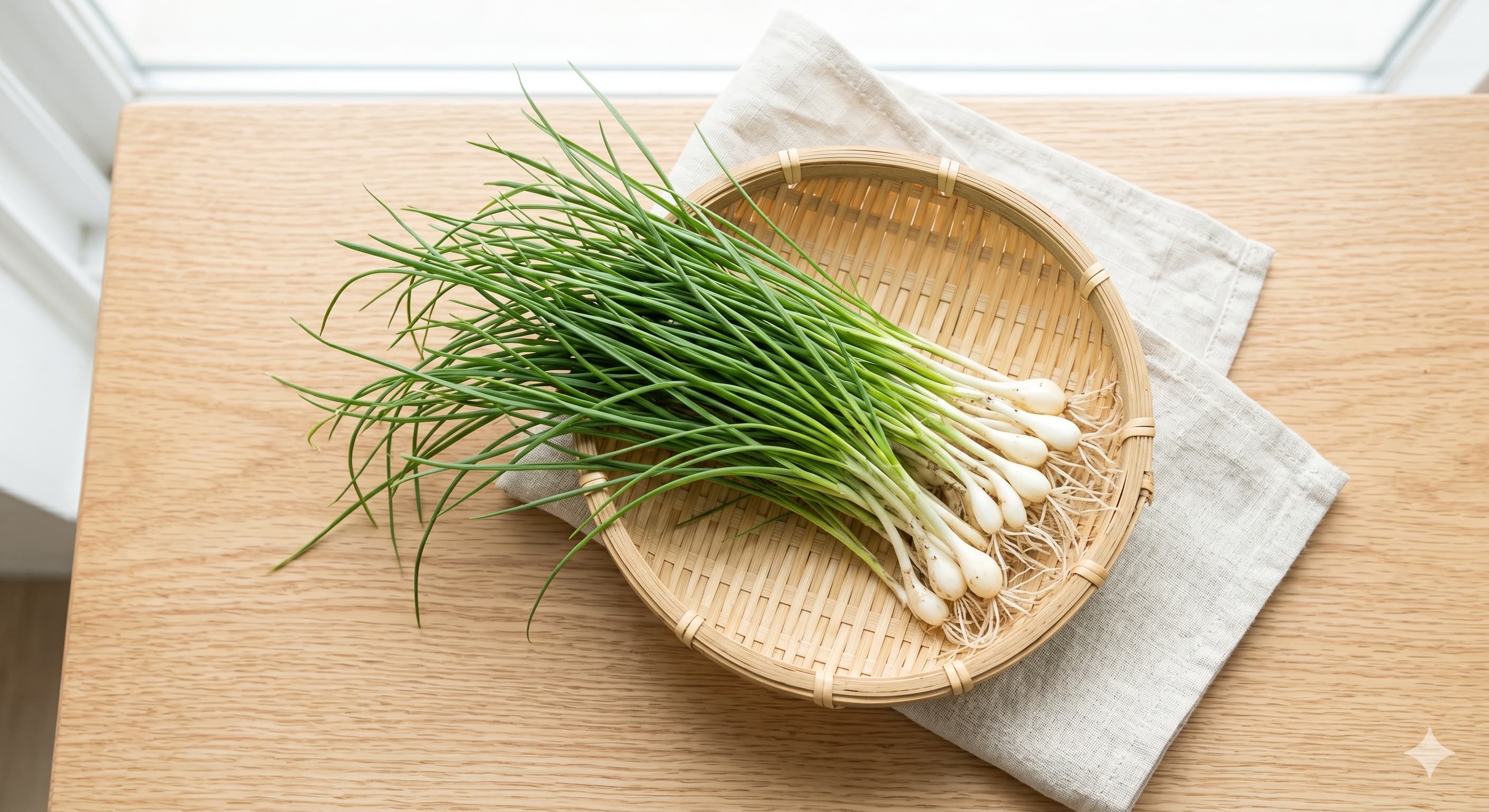
달래
Dallae
Mildly garlicky, fresh, slightly sweet
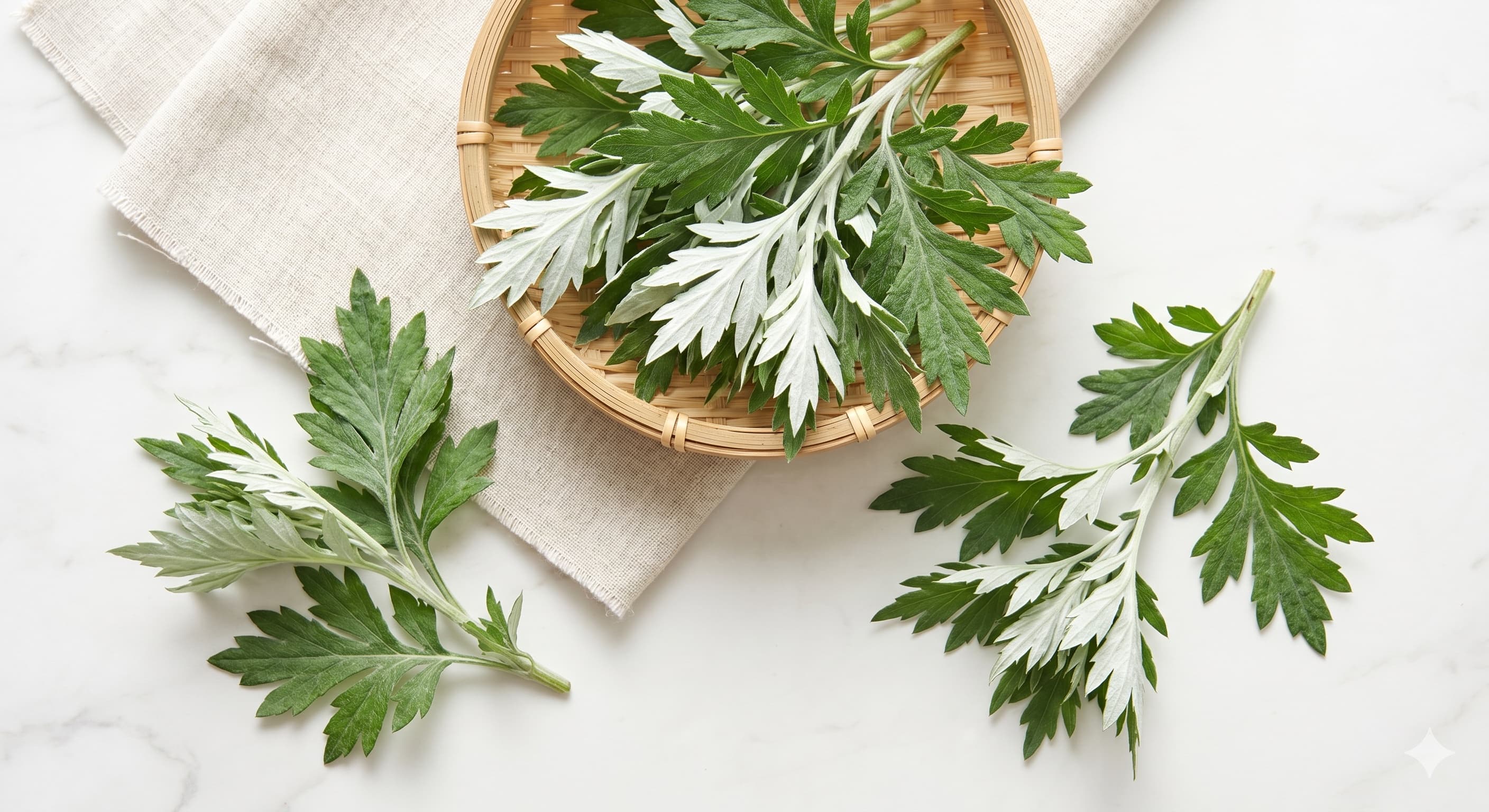
쑥
Ssuk
Distinctly aromatic, slightly bitter, herbaceous
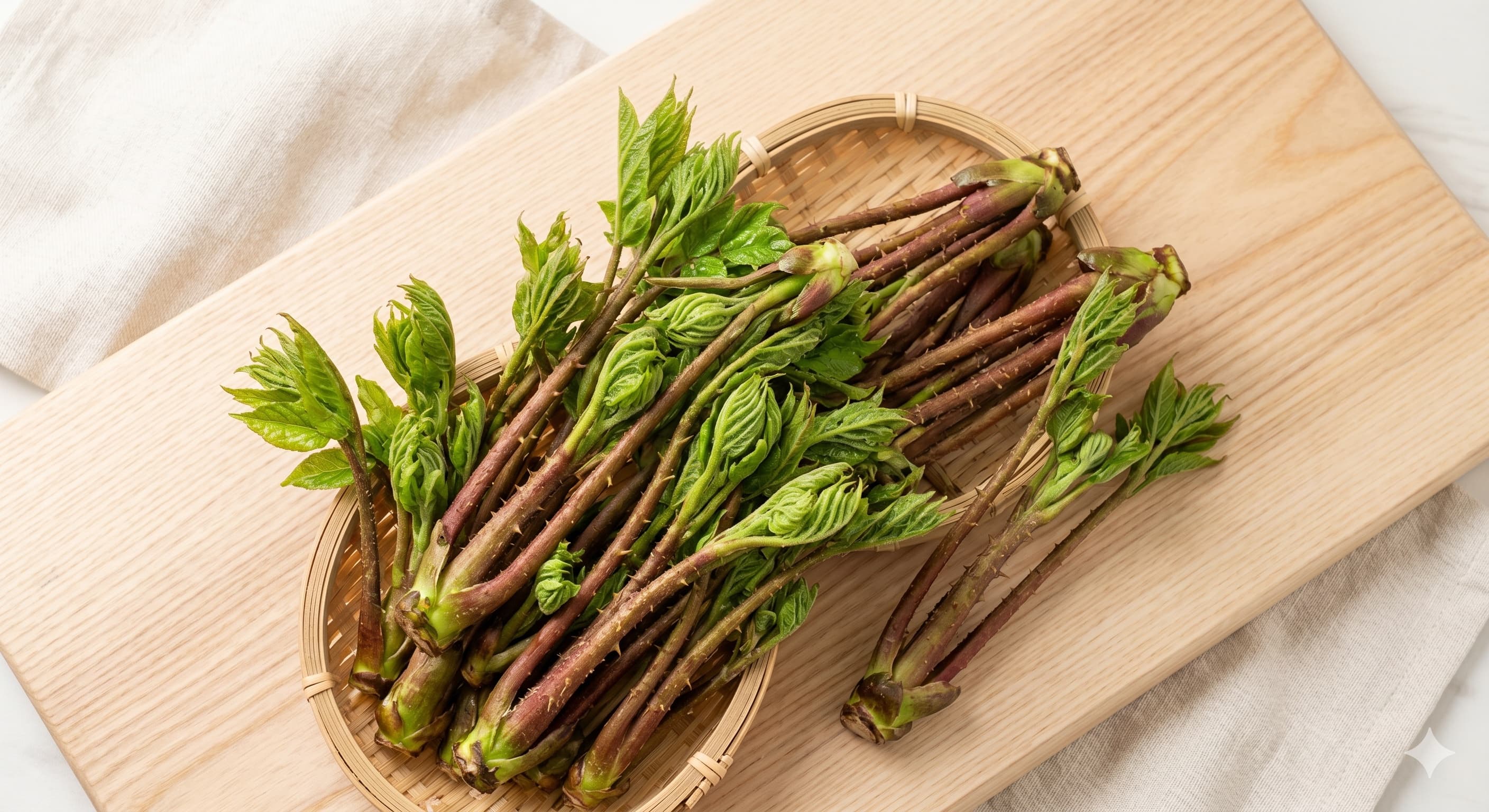
두릅
Dureup
Mildly bitter with a fresh, nutty aftertaste
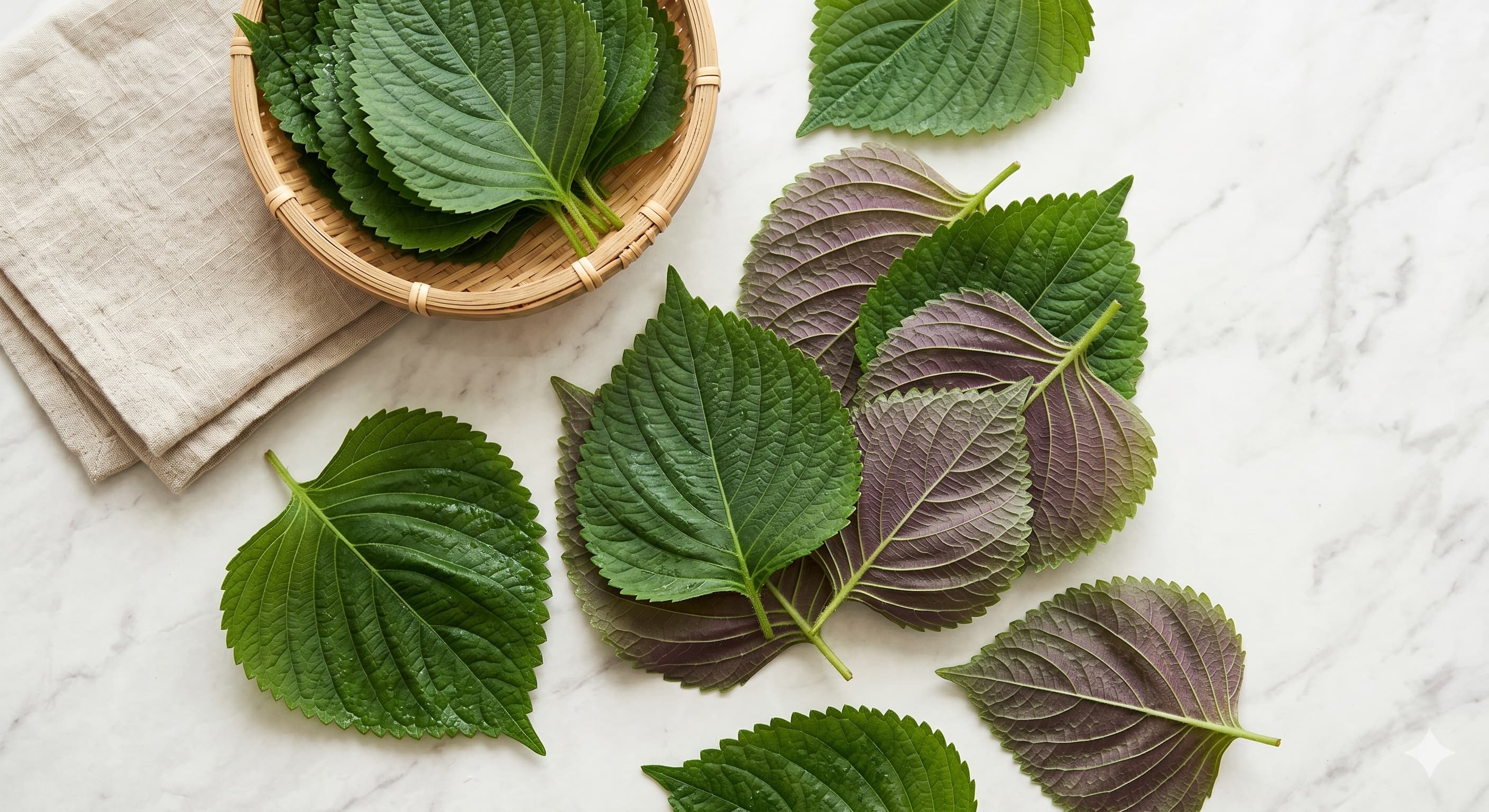
깻잎
Kkaennip
Intensely aromatic, minty-basil-like, slightly anise
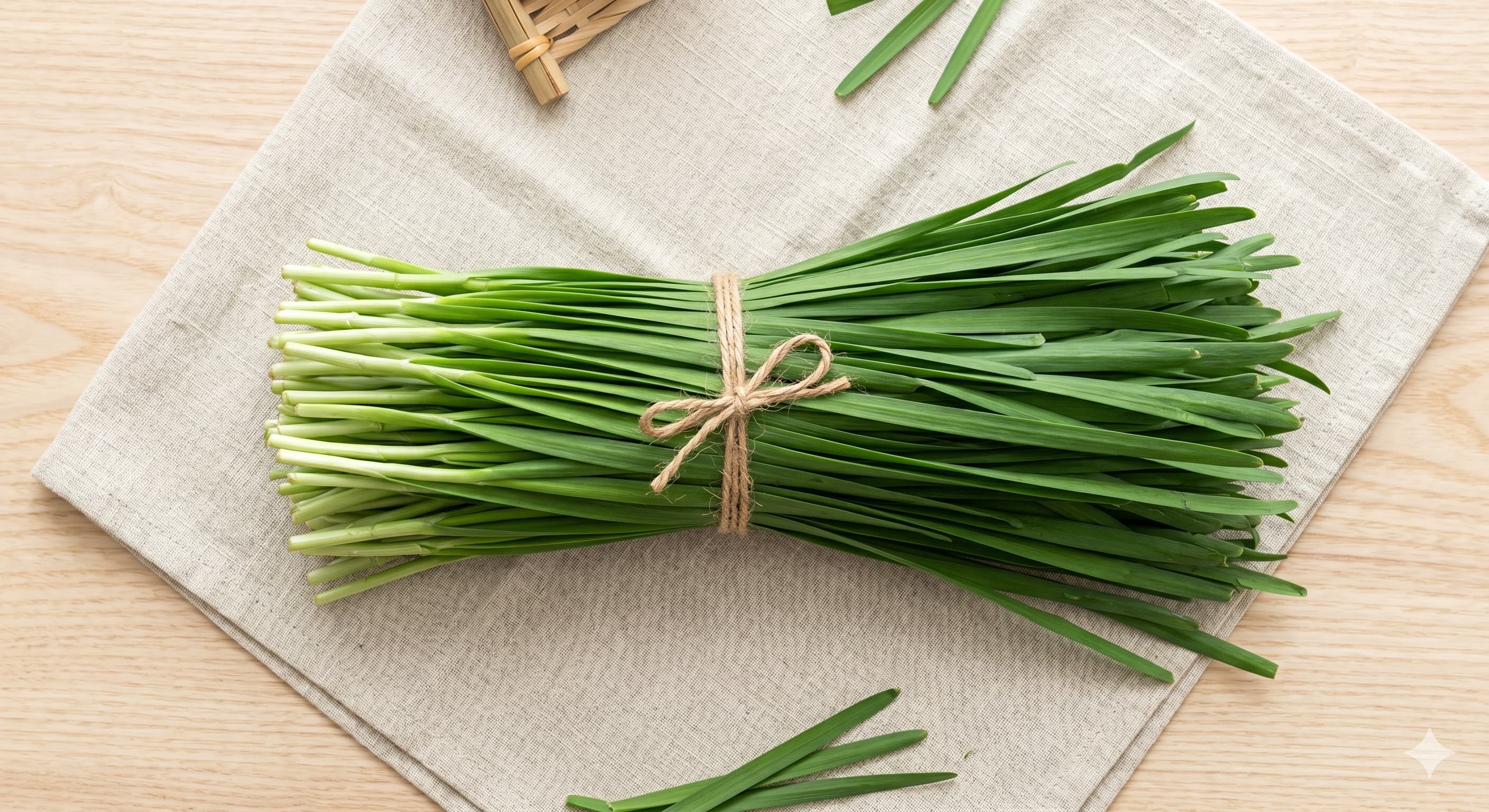
부추
Buchu
Mild garlic-onion flavor, slightly sweet
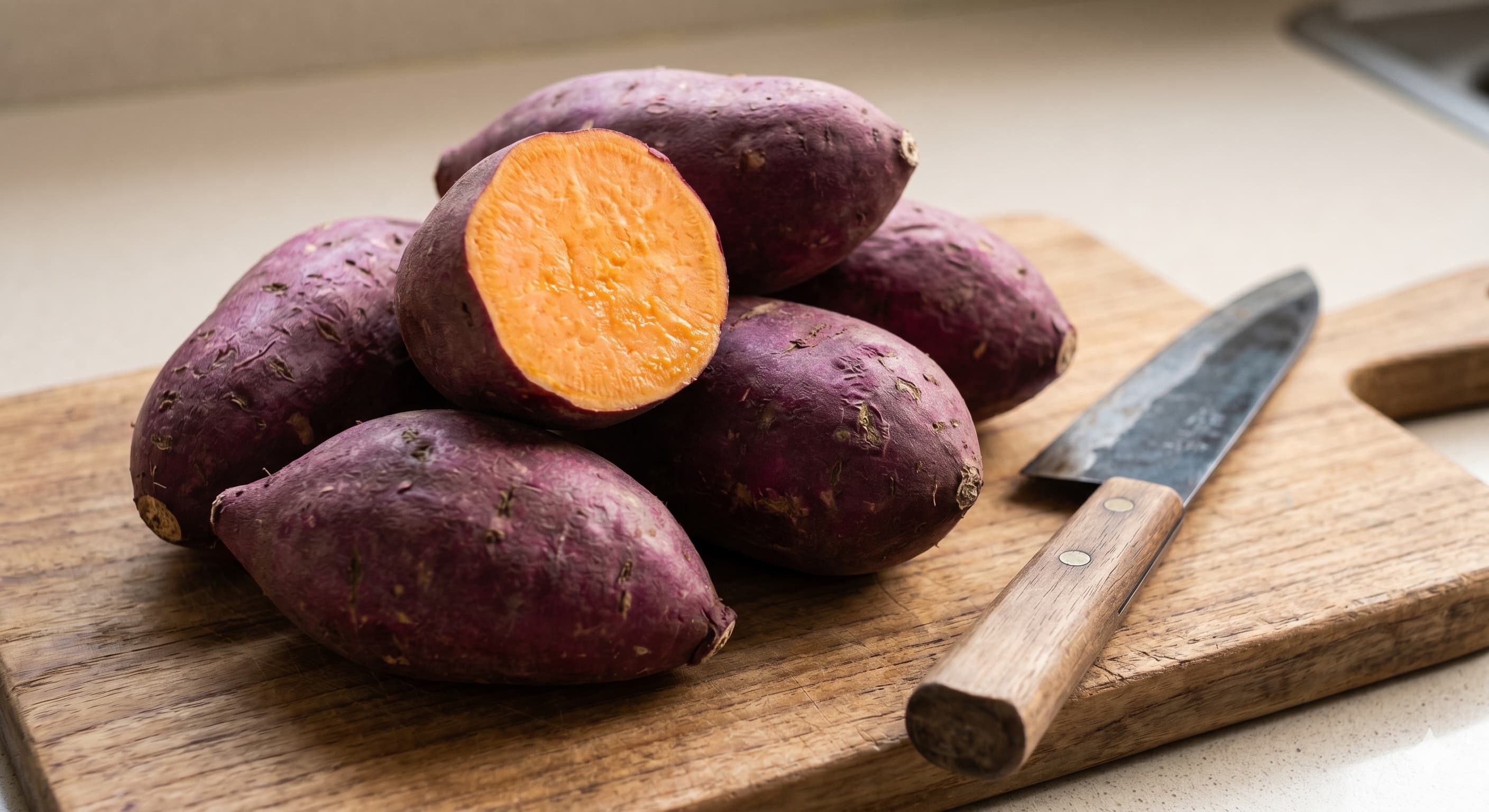
고구마
Goguma
Naturally sweet, starchy, creamy when cooked
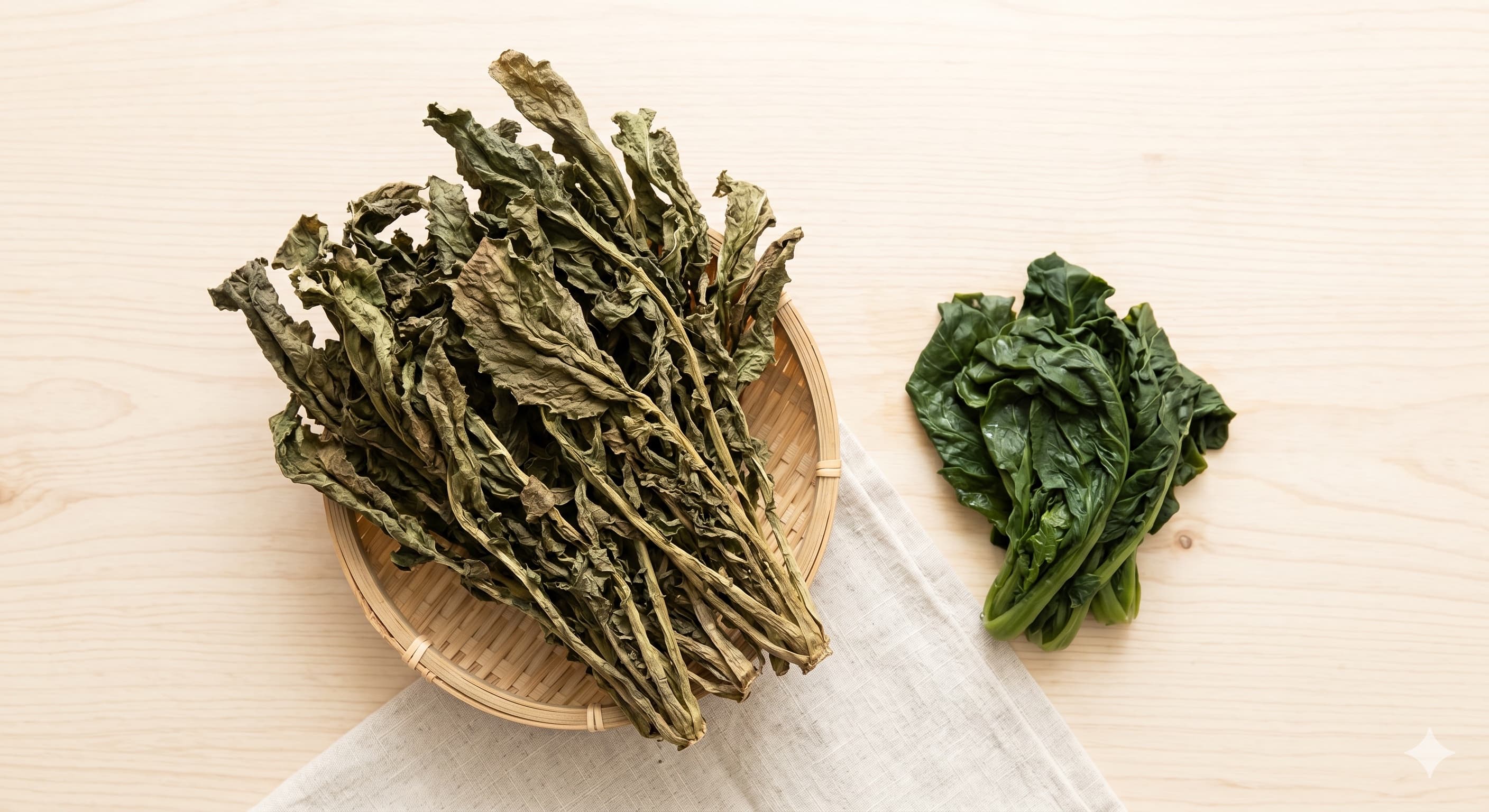
시래기
Siraegi
Earthy, slightly bitter, deeply savory when braised

우엉
Ueong
Earthy, mildly sweet, slightly astringent
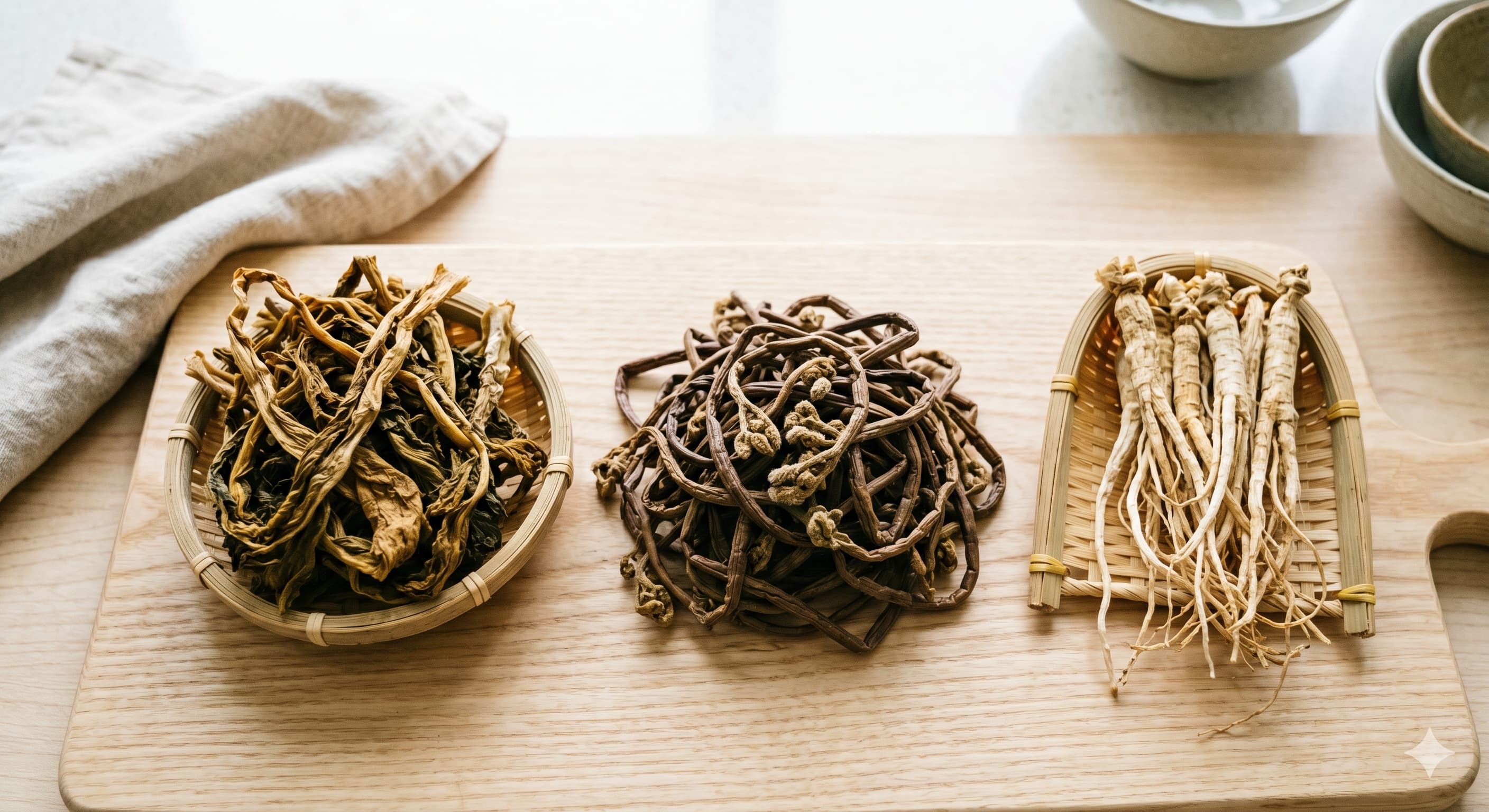
건나물
Geonnamul
Concentrated, earthy, deeply savory after soaking and cooking
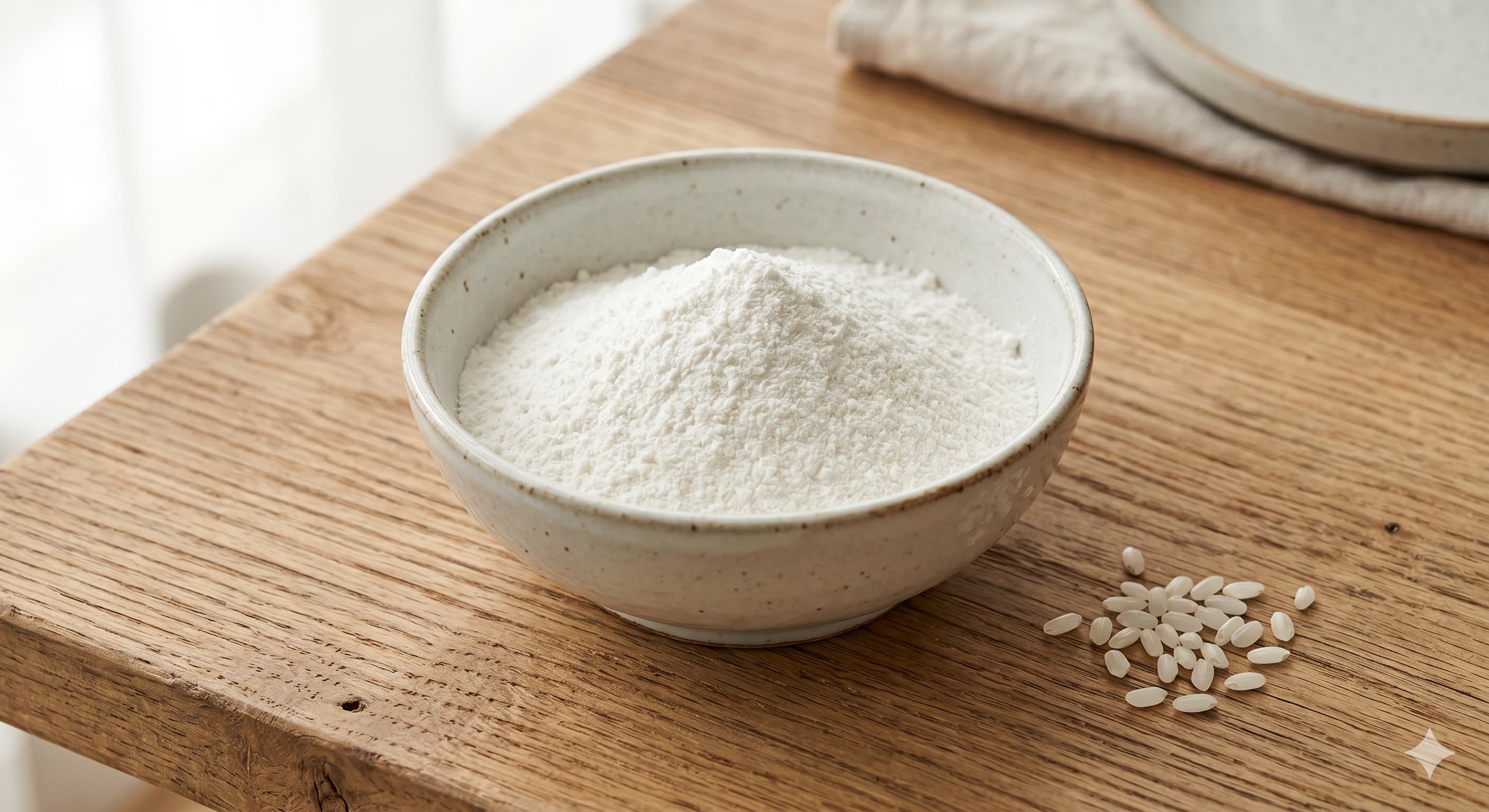
멥쌀가루
Mepssalgaru
Clean, mild, slightly sweet — the neutral canvas for Korean rice cakes
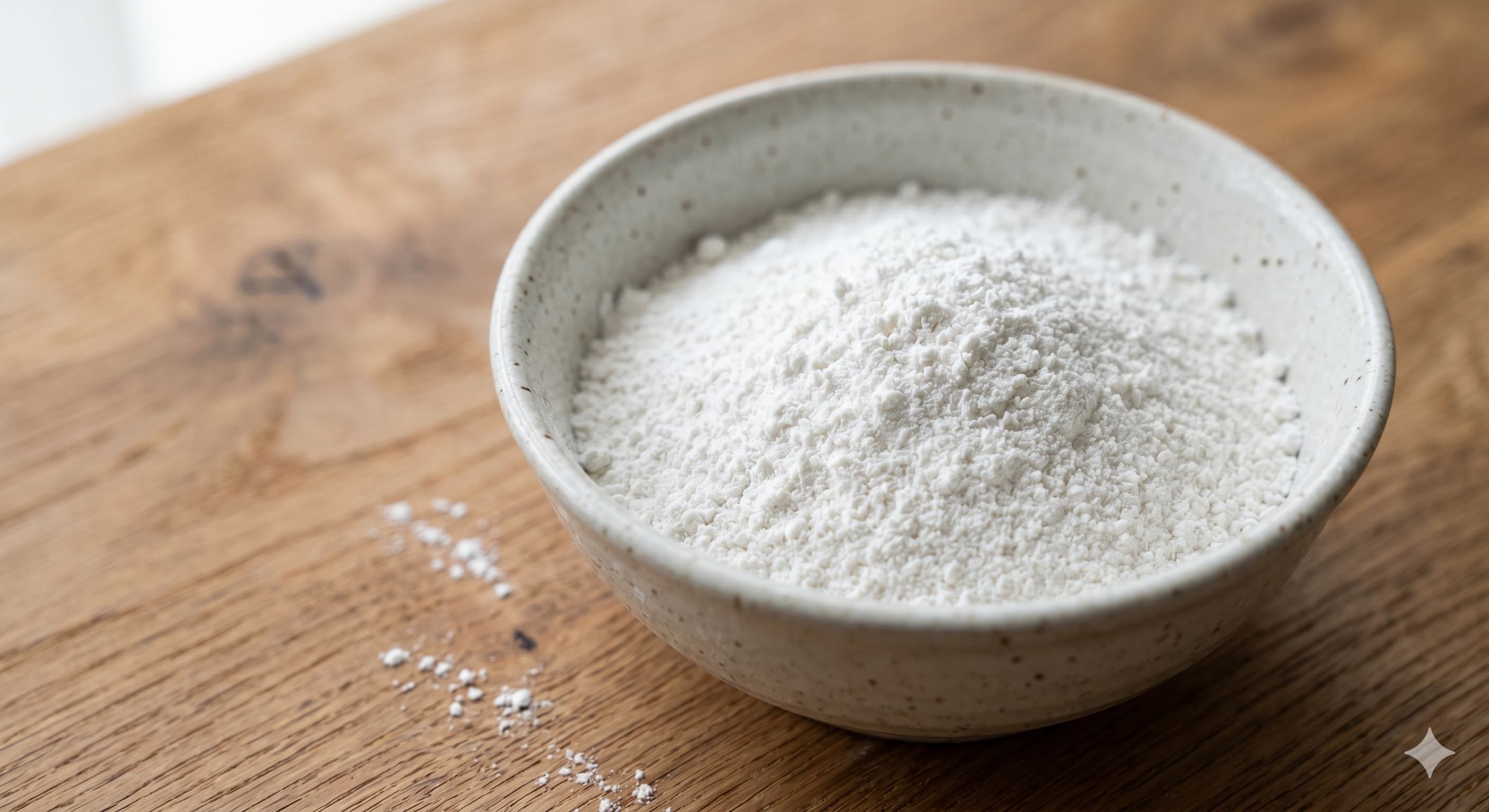
찹쌀가루
Chapssalgaru
Mildly sweet, very subtle — the chewiness is the star, not the flavor
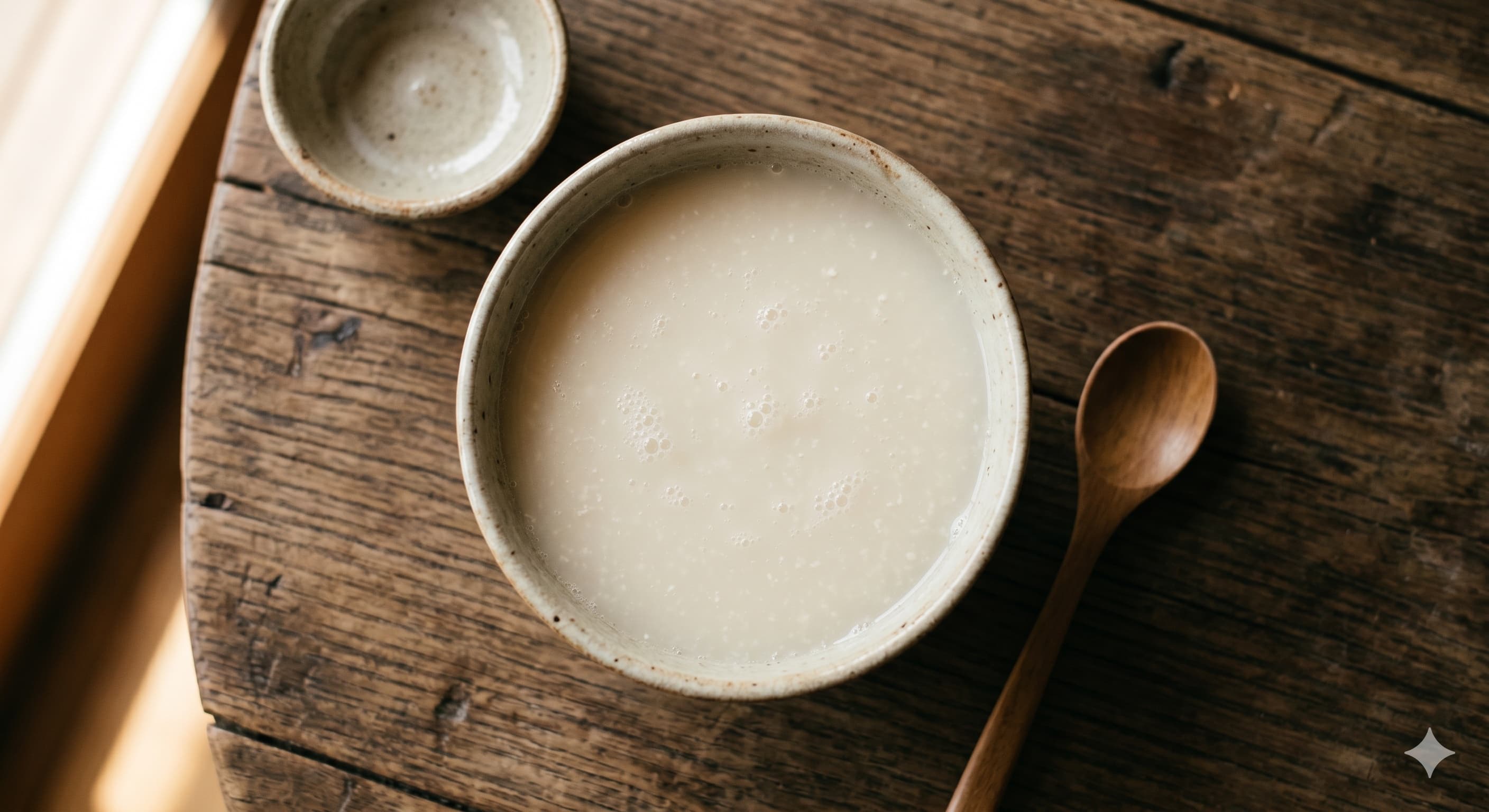
막걸리
Makgeolli
Mildly sweet and tangy with a slightly fizzy, creamy texture — like a drinkable yogurt with a hint of rice
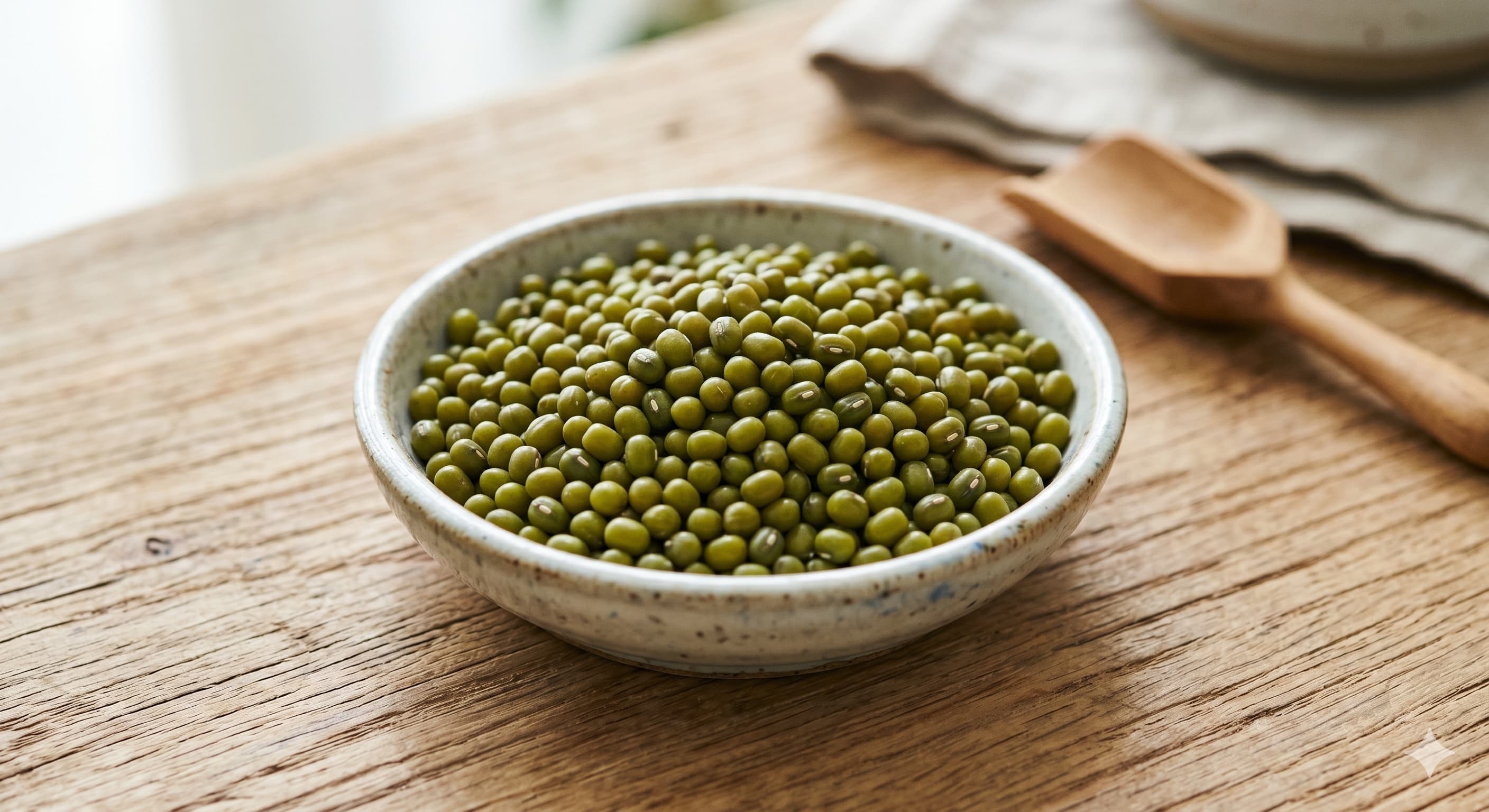
녹두
Nokdu
Mild, slightly sweet, earthy — takes on the flavor of whatever it's cooked with
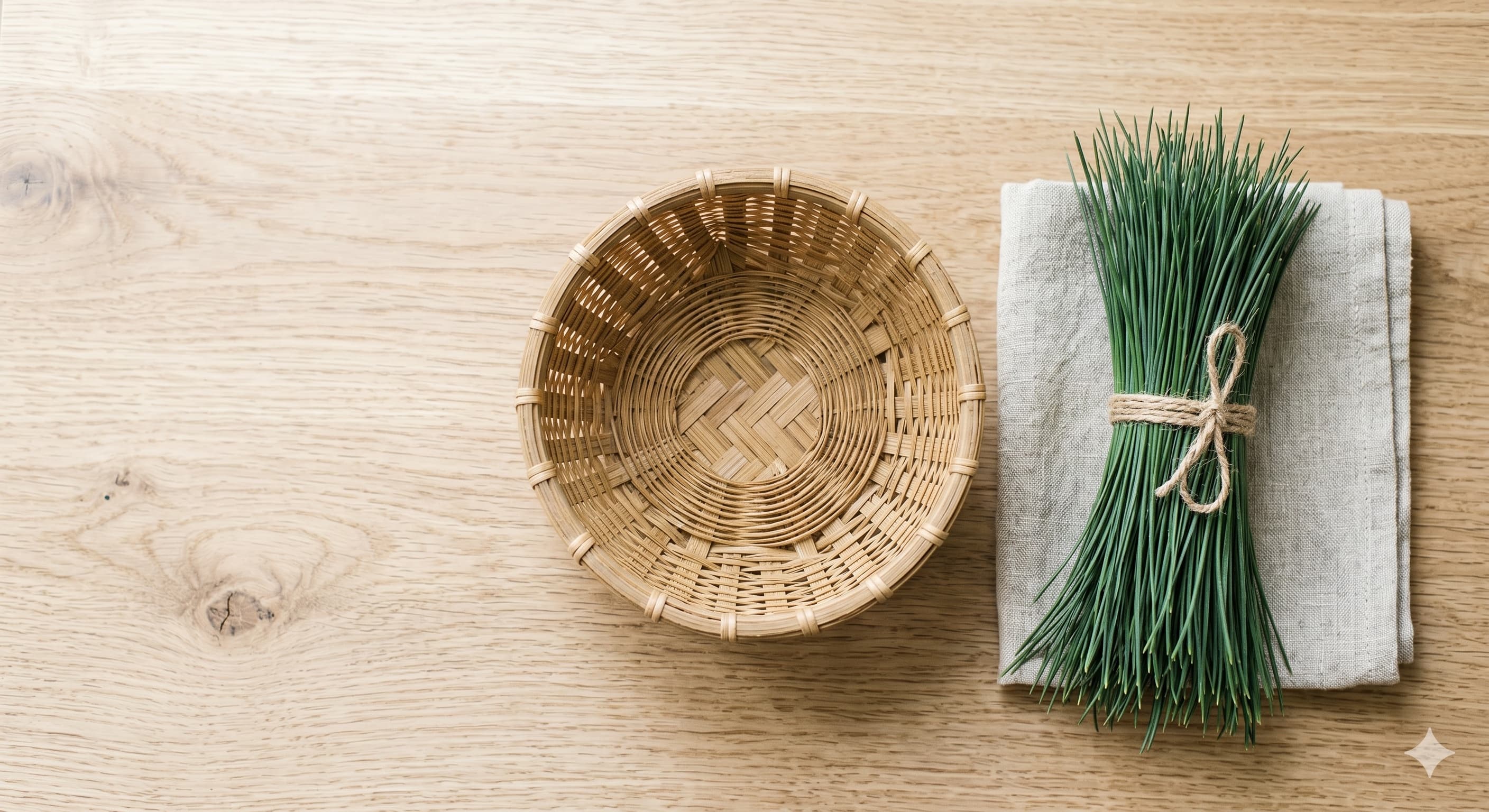
솔잎
Solip
Subtly resinous, fresh, and woodsy — imparts a gentle forest aroma rather than a strong flavor

식용꽃
Sigyong-Kkot
Varies by flower: azalea is slightly sweet, chrysanthemum is mildly bitter and herbal, rose is fragrant and sweet
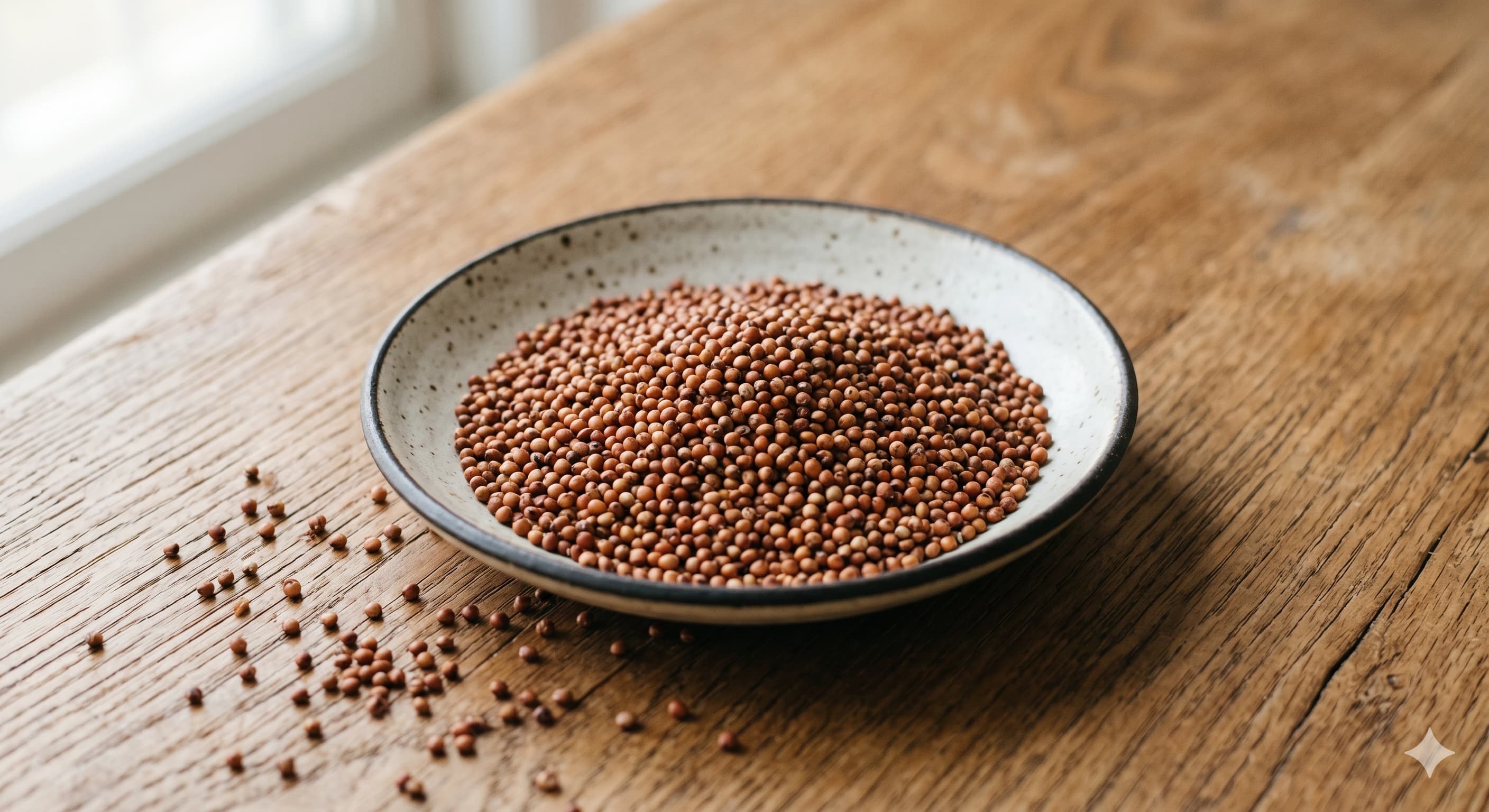
수수
Susu
Mildly sweet and earthy with a slightly tannic, astringent quality from its red pigment
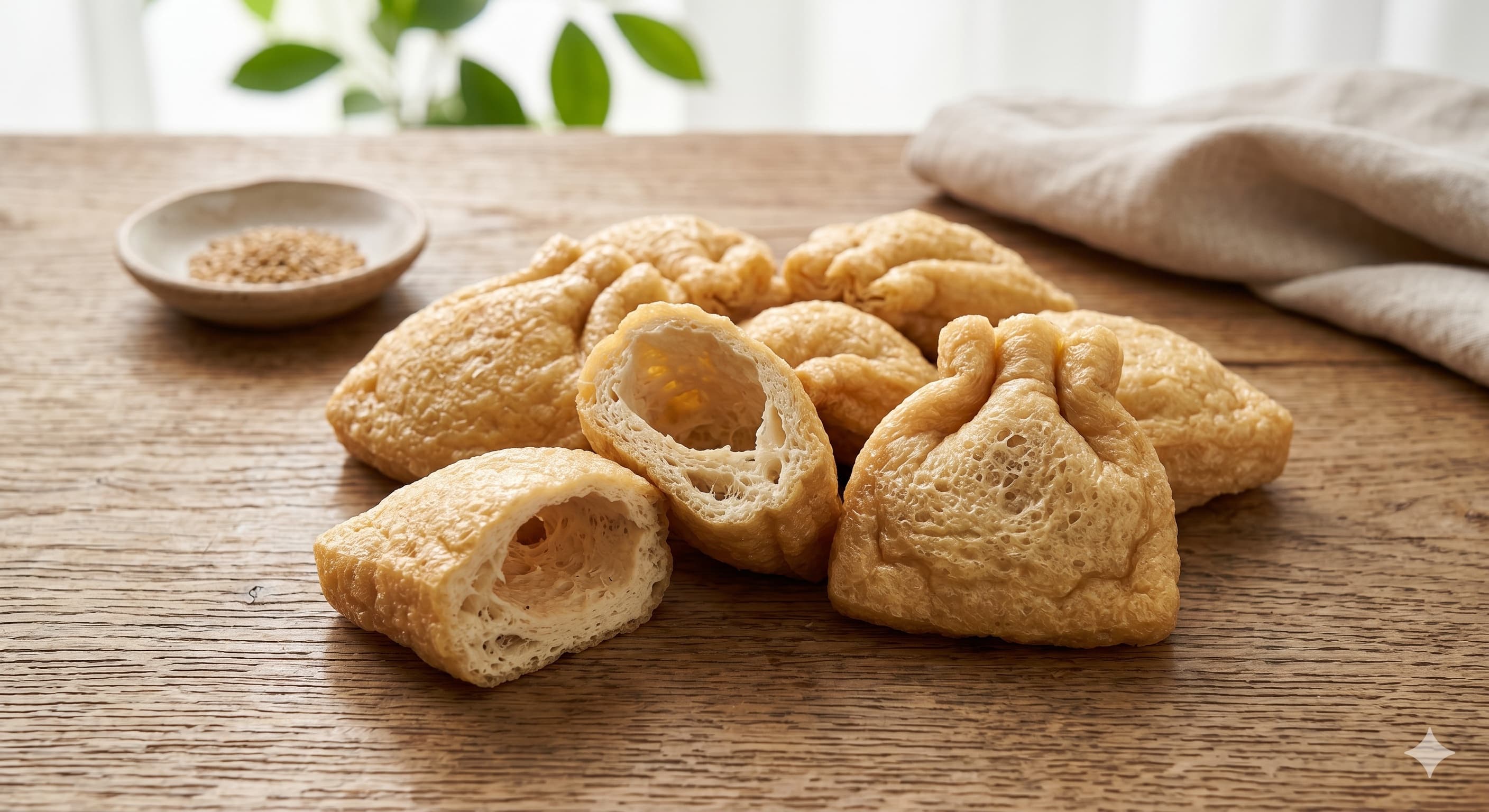
유부
Yubu
Mildly sweet and savory when simmered in seasoned broth — acts as a sponge for sauces
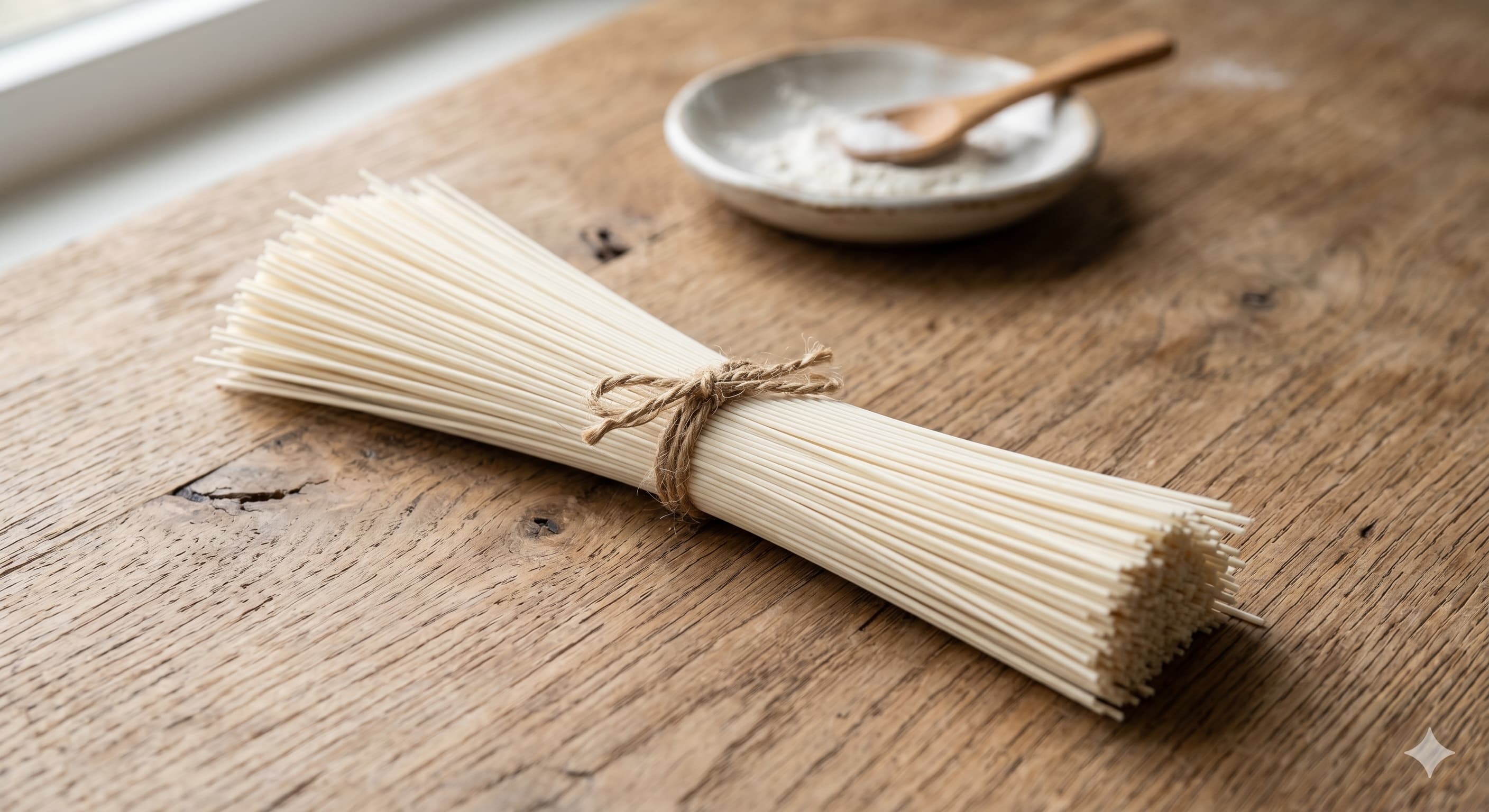
소면
Somyeon
Clean, mild wheat flavor that takes on the character of its broth or sauce
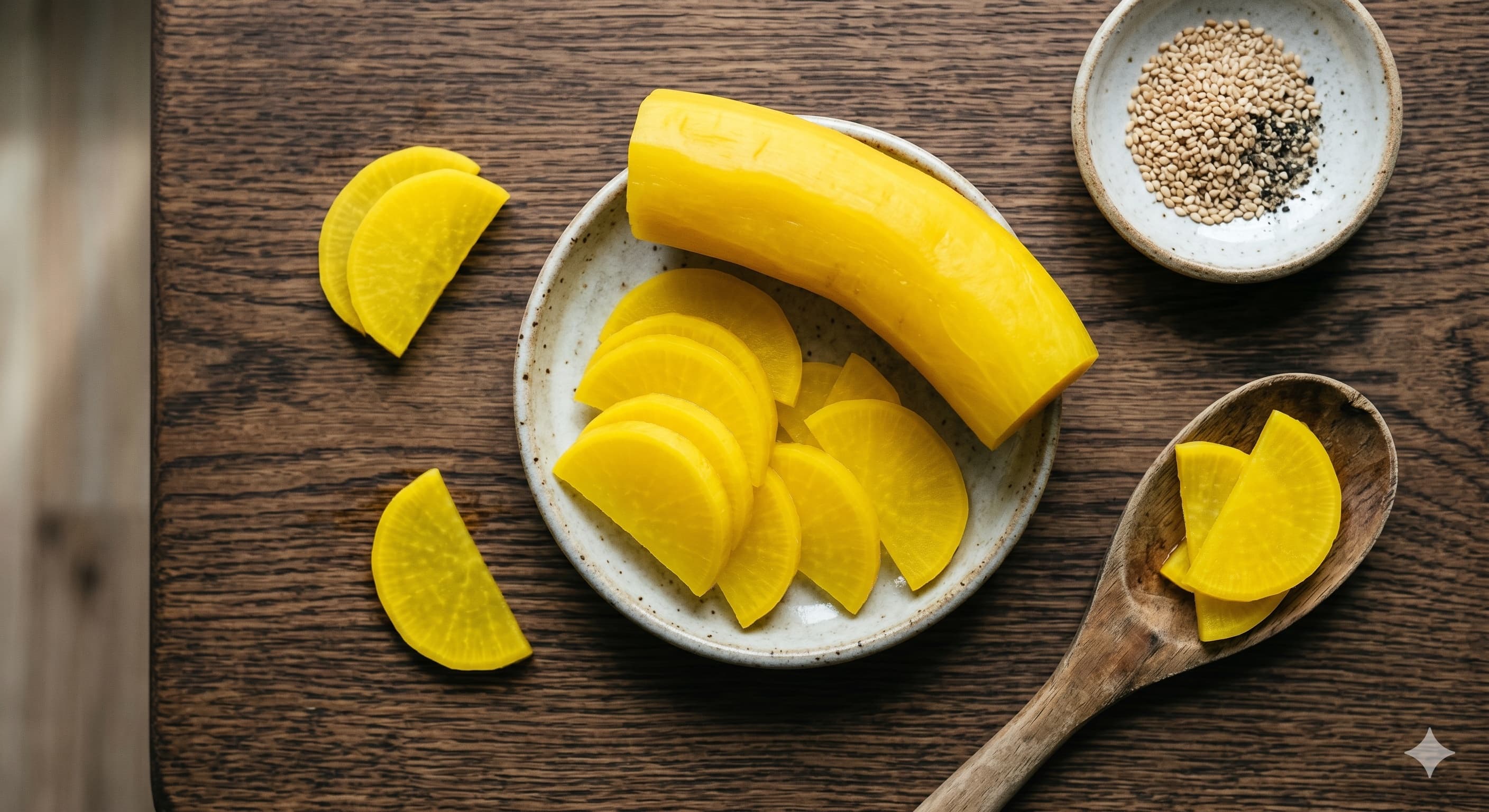
단무지
Danmuji
Sweet, tangy, and crunchy — the bright yellow color and pickled crunch are instantly recognizable
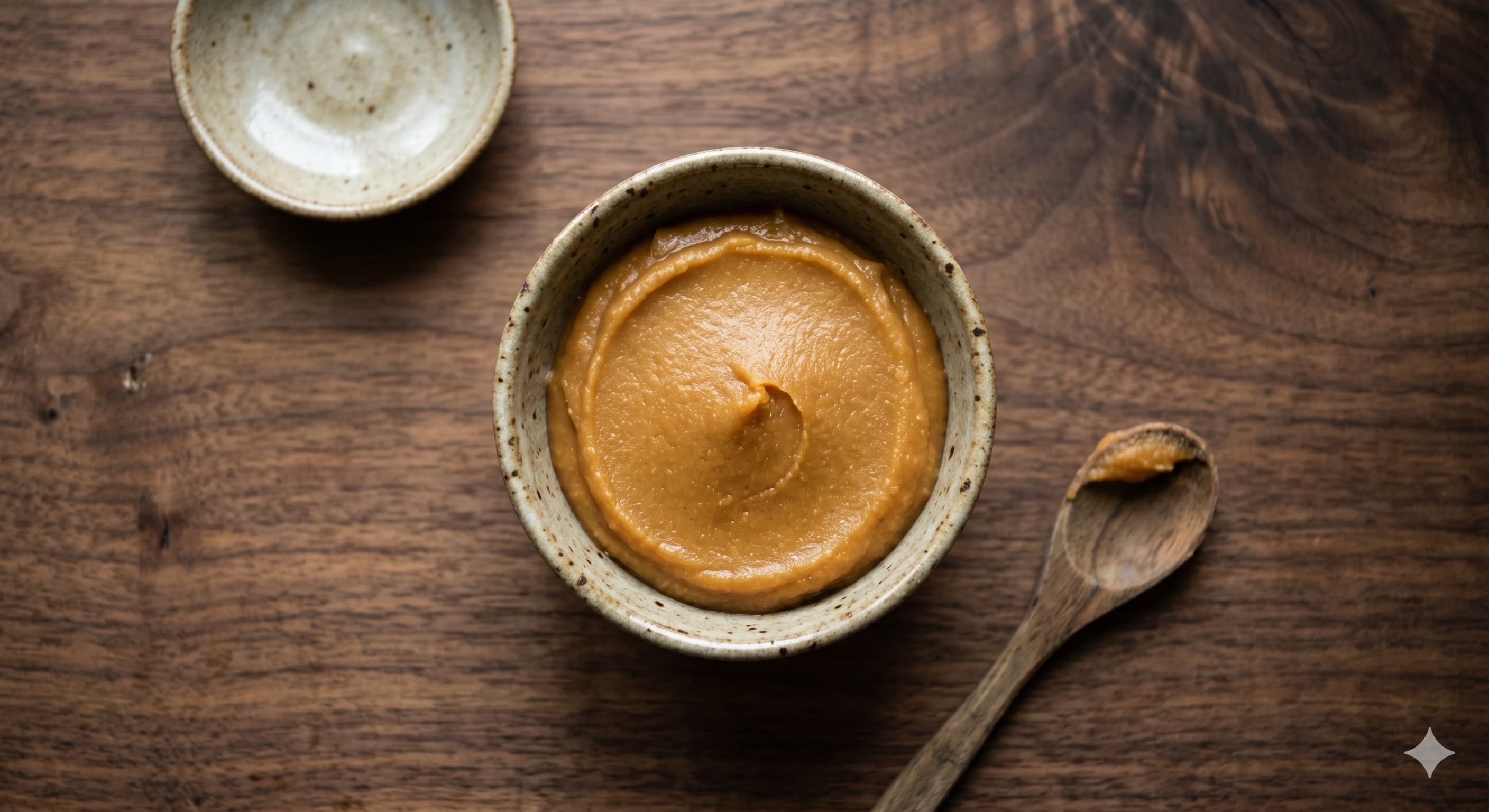
미소
Miso
Deep, savory umami with complex salty-sweet undertones — white miso is mild and sweet, red miso is intense and earthy, hatcho miso is profoundly rich and bitter
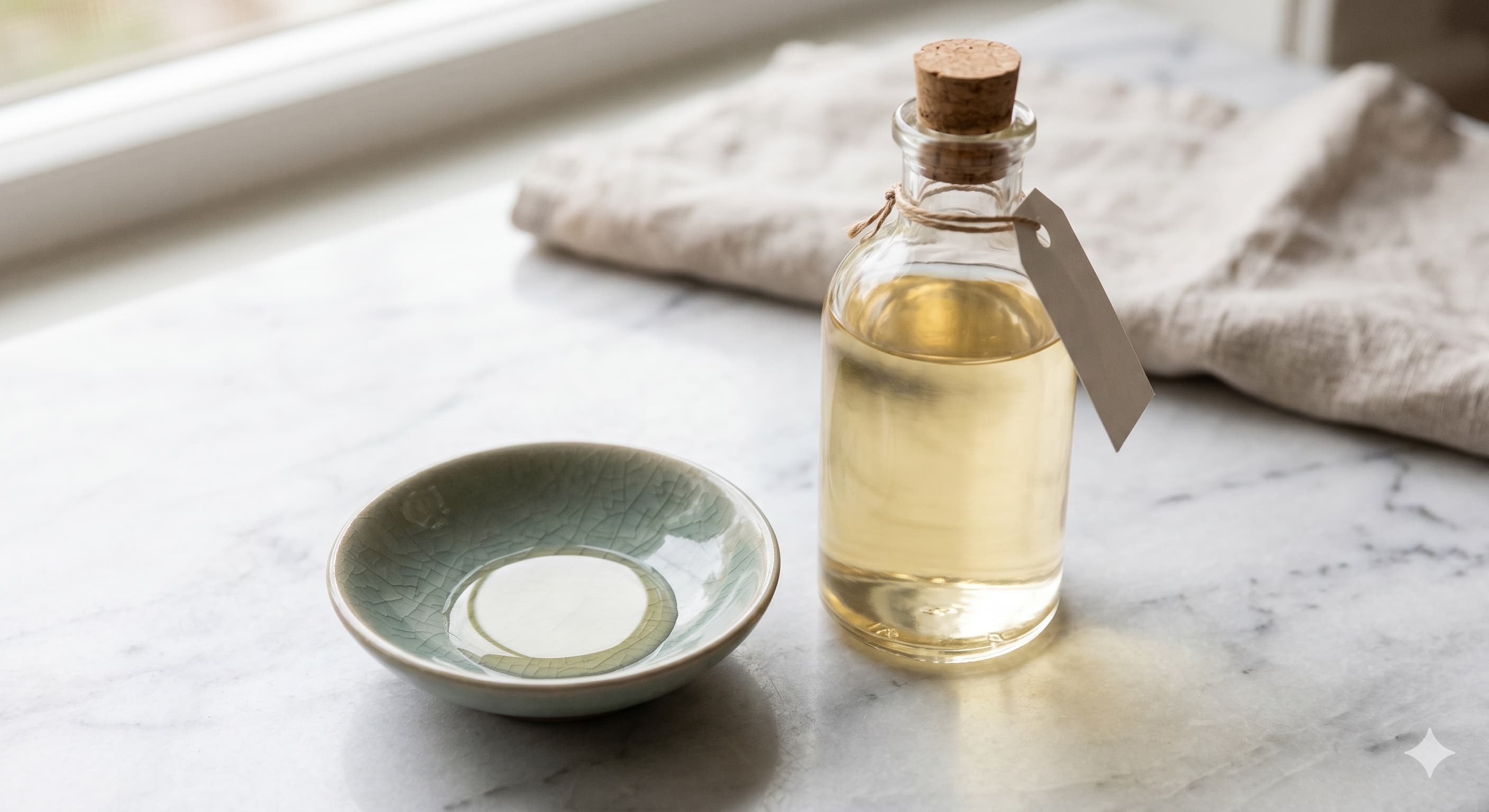
미림
Mirim
Delicately sweet with a subtle wine-like richness — adds glossy sheen and rounded sweetness without the sharpness of sugar
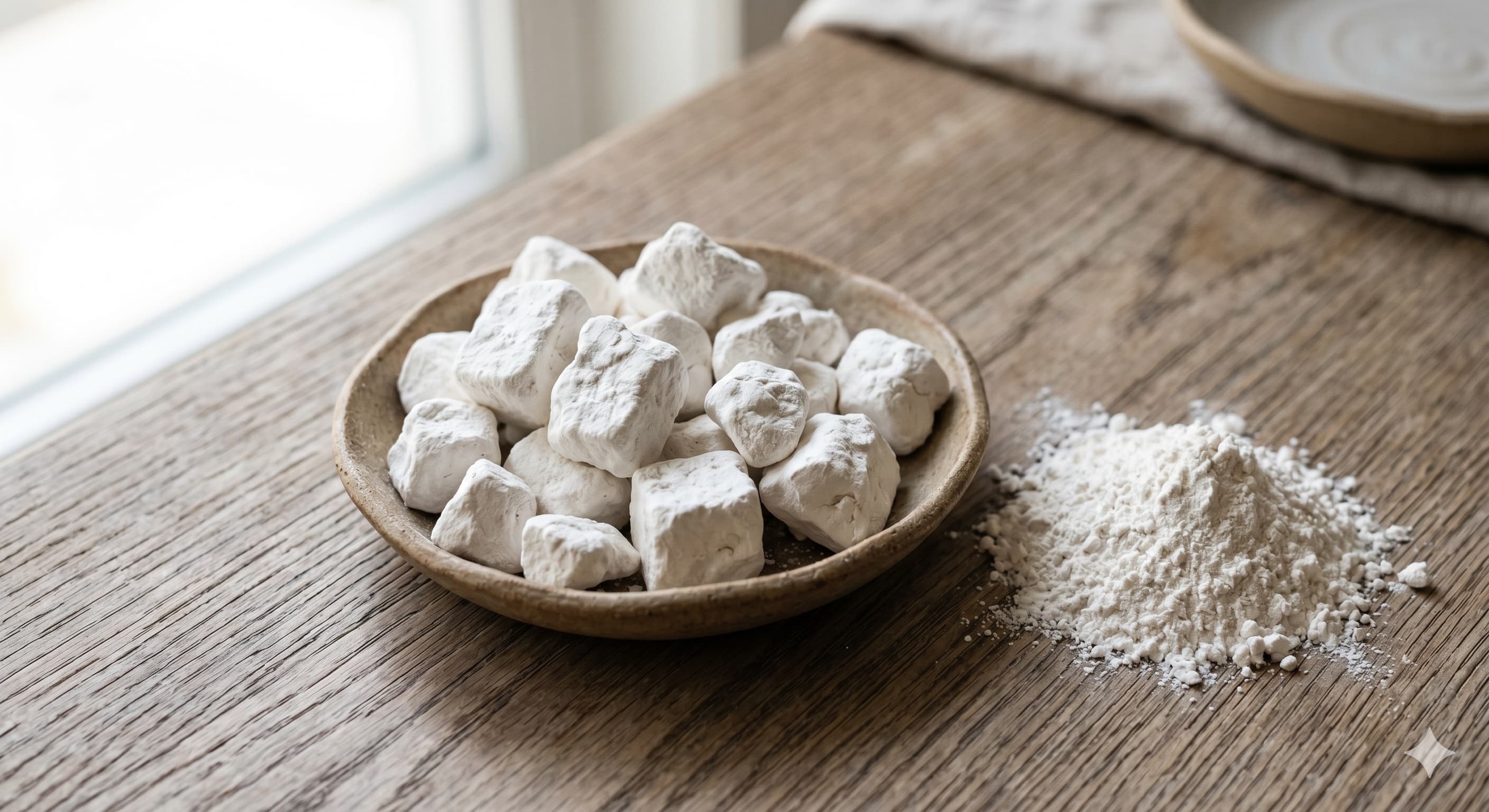
칡
Chik
Nearly flavorless with a clean, neutral taste — prized as a thickener for its pure, transparent finish
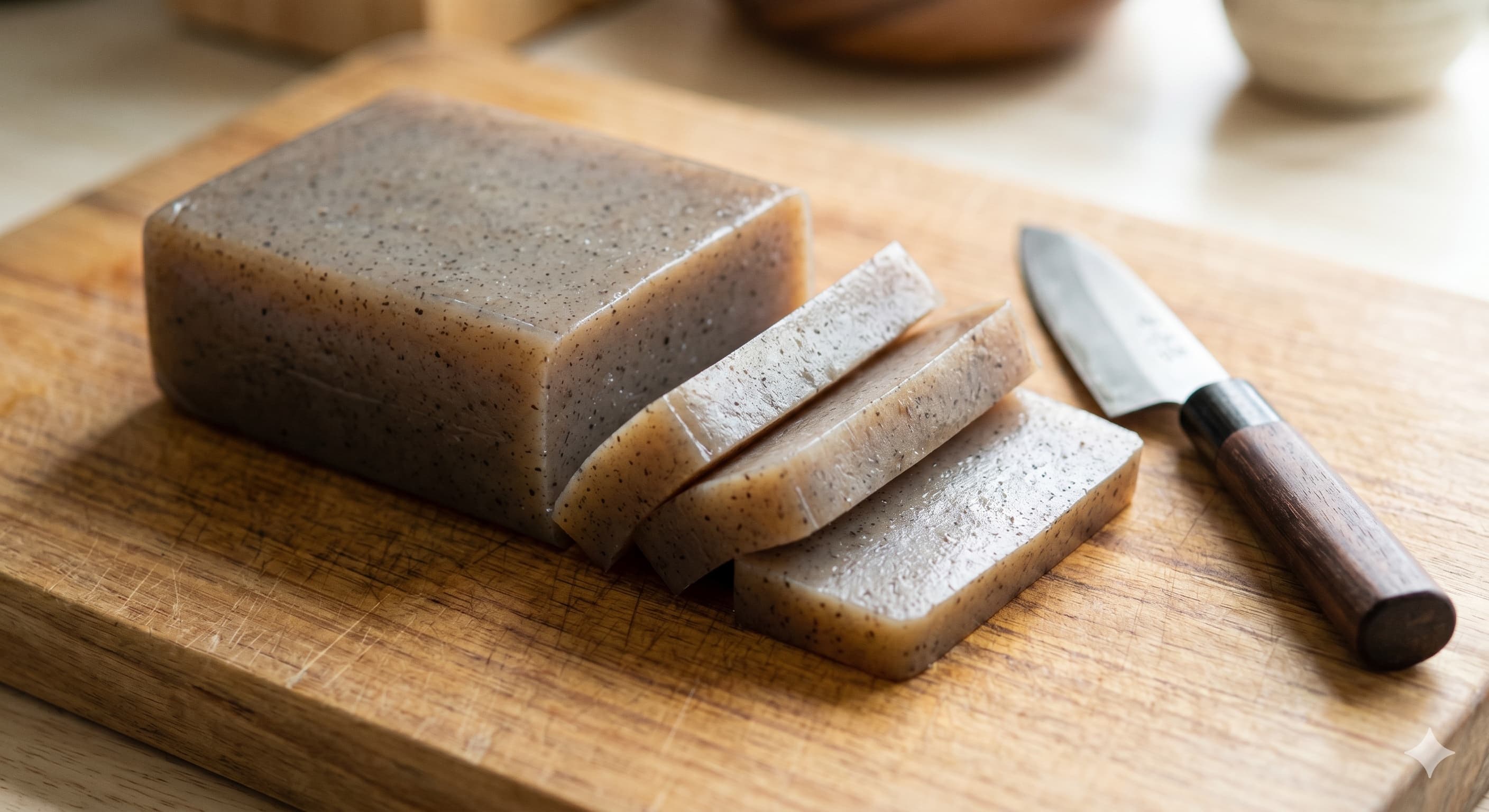
곤약
Gonyak
Essentially flavorless — a neutral canvas that absorbs surrounding flavors from broths and sauces
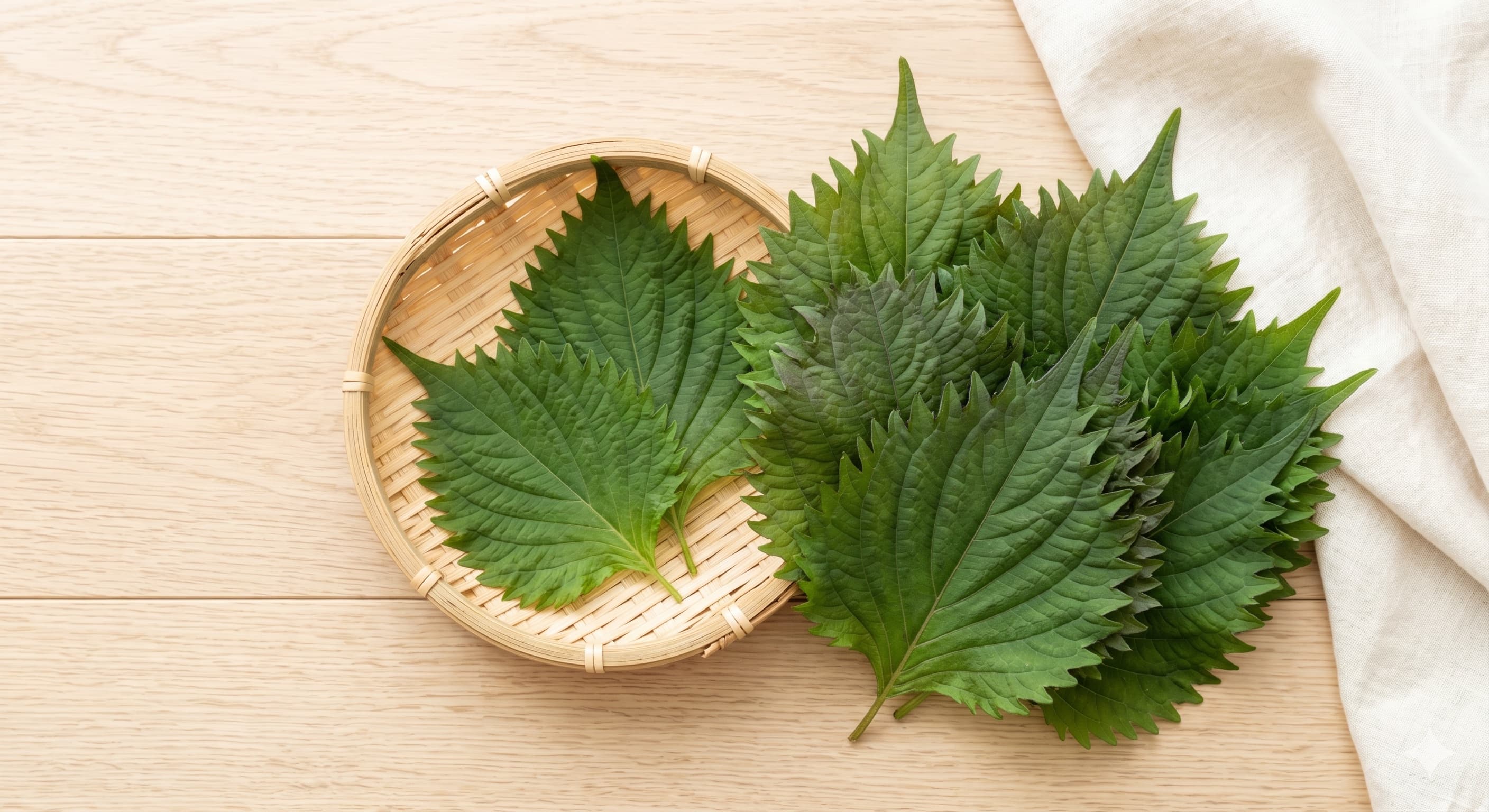
차조기
Chajogi
Bright, herbaceous, and slightly minty with hints of basil, cinnamon, and anise — distinctly aromatic and refreshing
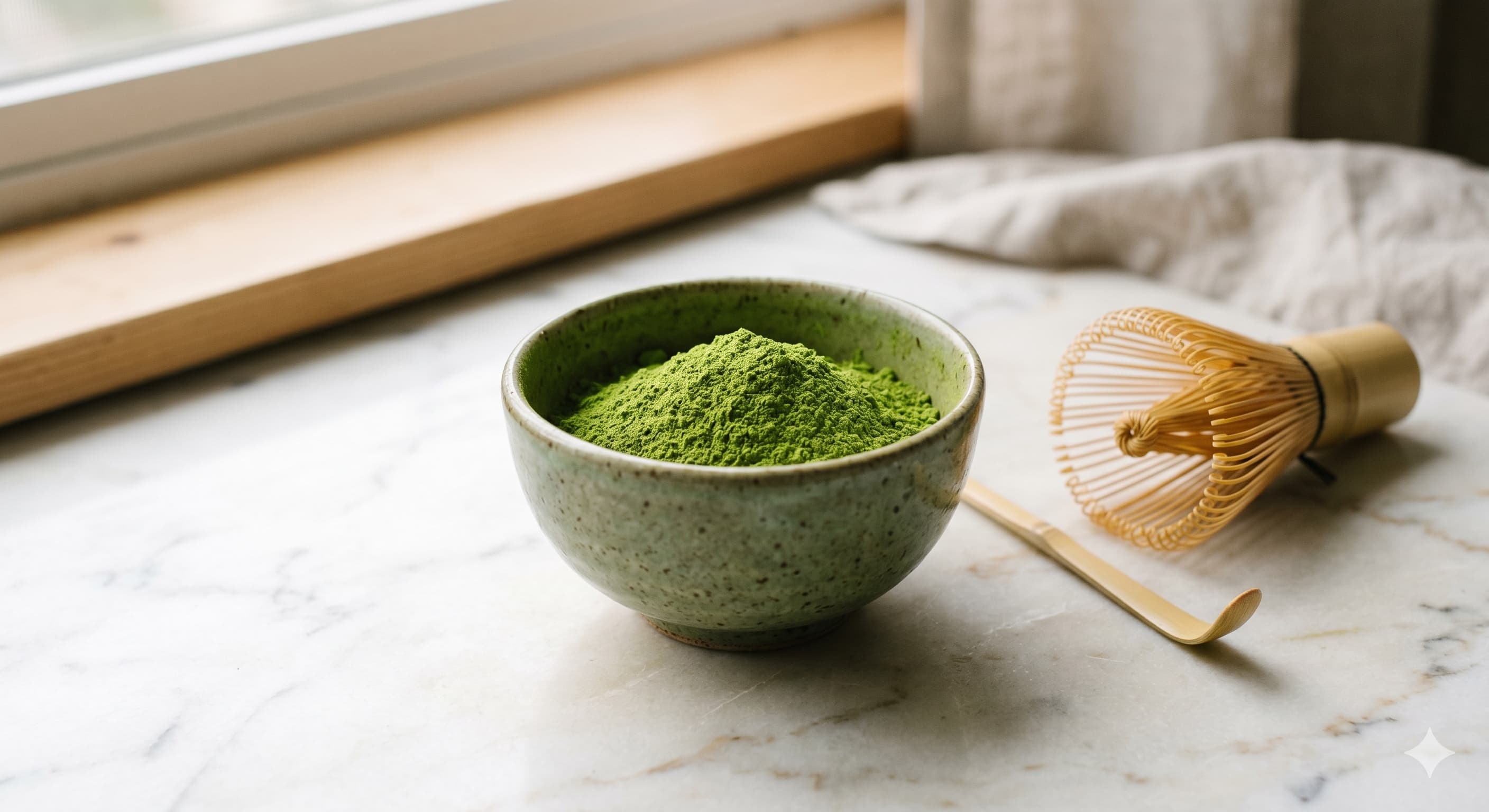
말차
Malcha
Vibrant, vegetal, and complex — a balance of pleasant bitterness, marine sweetness, and creamy umami. Ceremonial grade is smooth and sweet; culinary grade is more robust and bitter
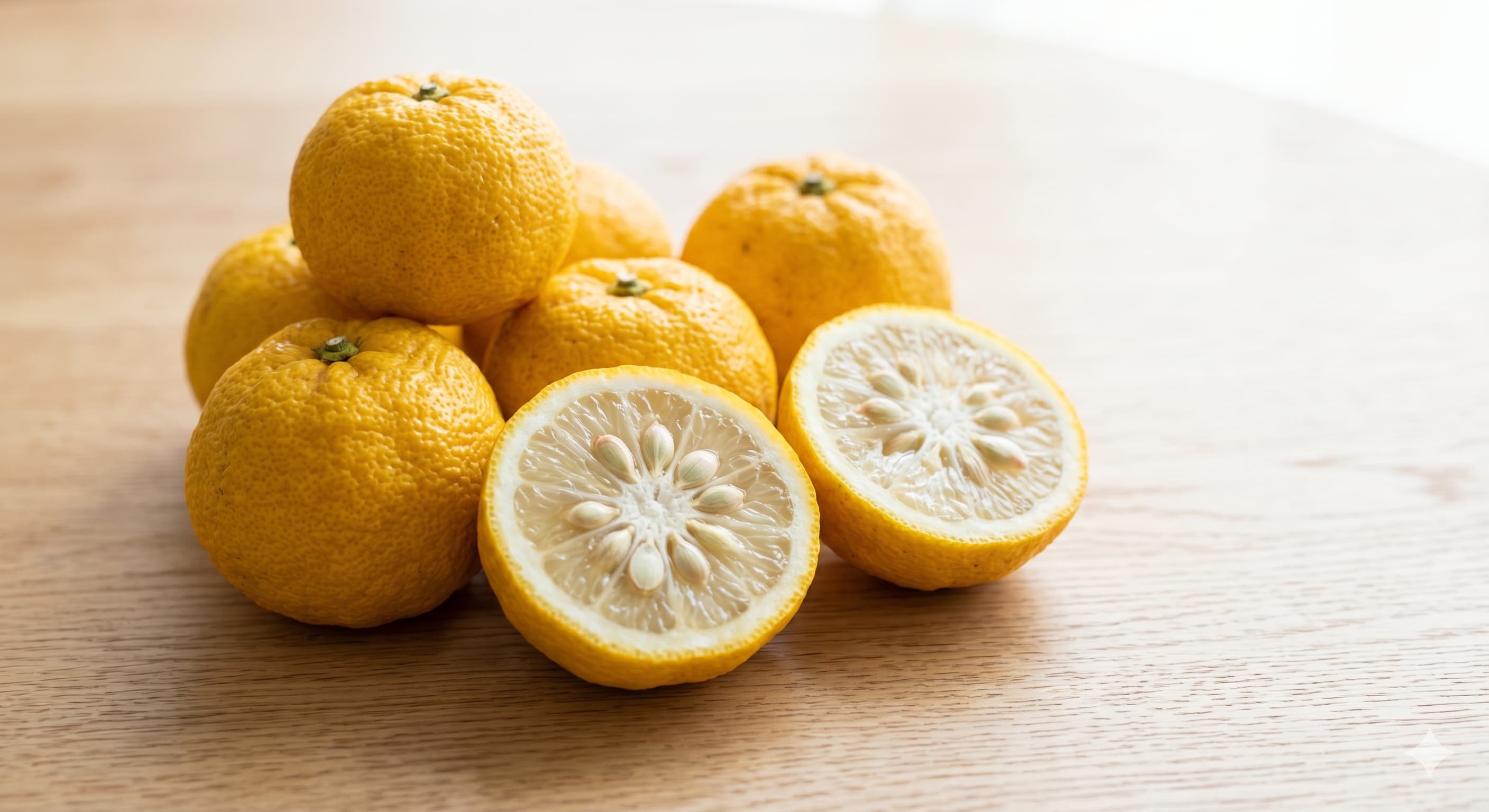
유자
Yuja
Intensely aromatic with a complex citrus bouquet — tart like lemon, floral like grapefruit, with a unique fragrance unlike any Western citrus. The zest is even more prized than the juice
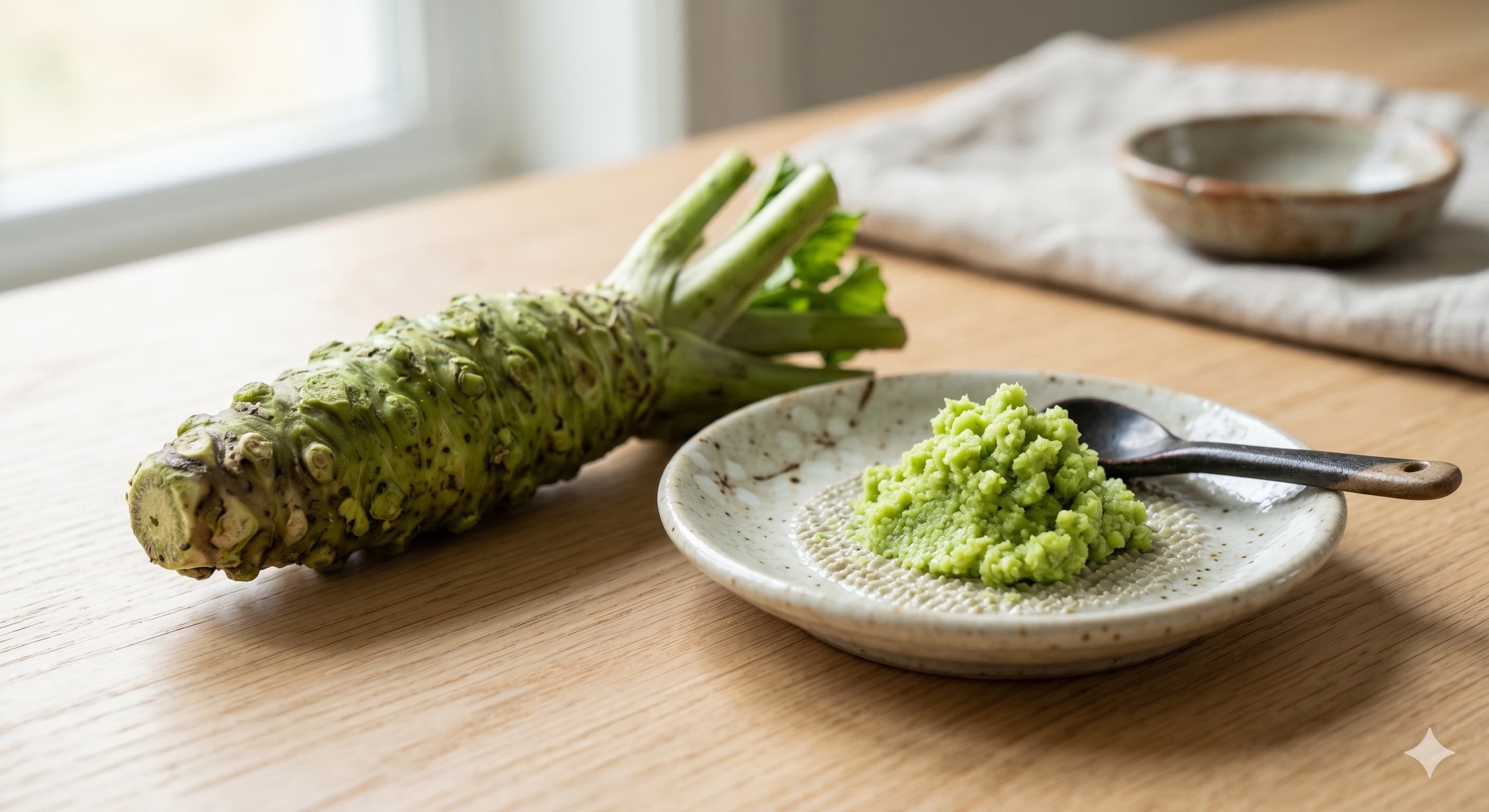
와사비
Wasabi
Sharp, clean heat that rises through the sinuses rather than burning the tongue — real wasabi has a brief, elegant pungency followed by natural sweetness, unlike the harsh, lingering burn of horseradish substitutes
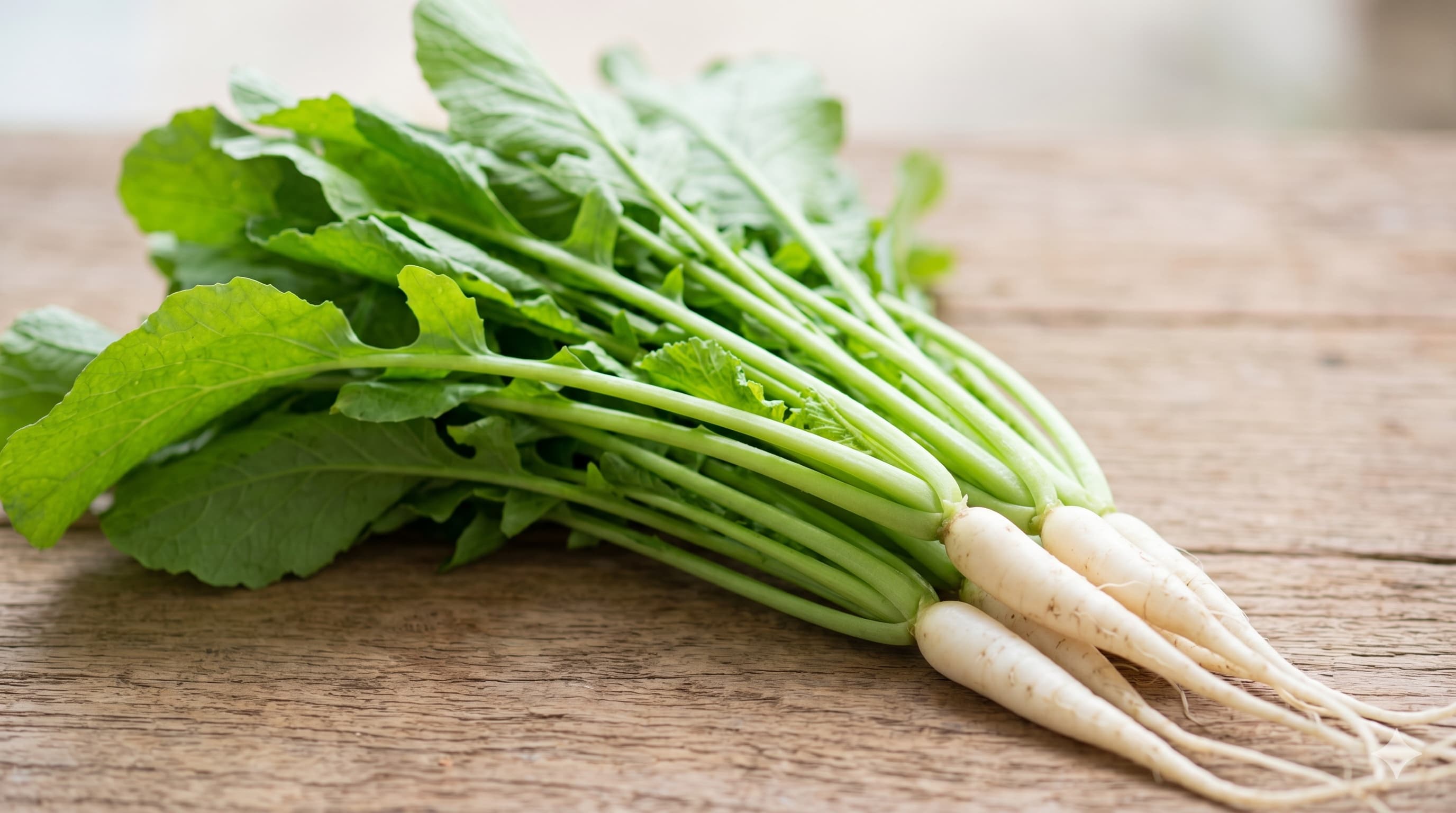
열무
Yeolmu
Mildly pungent with a refreshing sweetness — much more delicate than mature radish. The thin stems are crisp and juicy, the small leaves slightly peppery
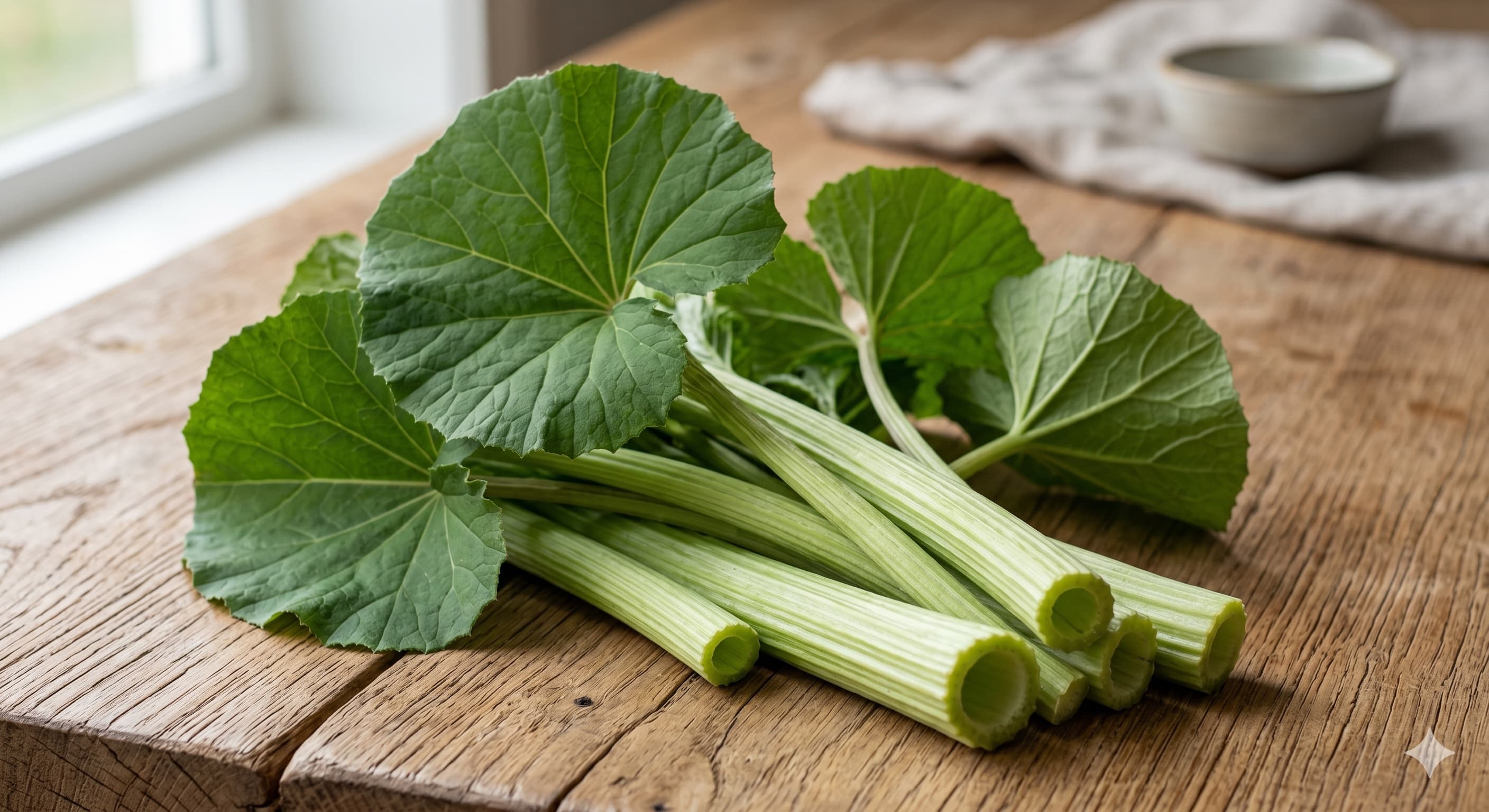
머위
Meowi
Distinctly bitter and herbal when raw, mellowing to a complex, earthy-green flavor after blanching. The bitterness is part of its appeal — Koreans prize this as a cleansing spring taste
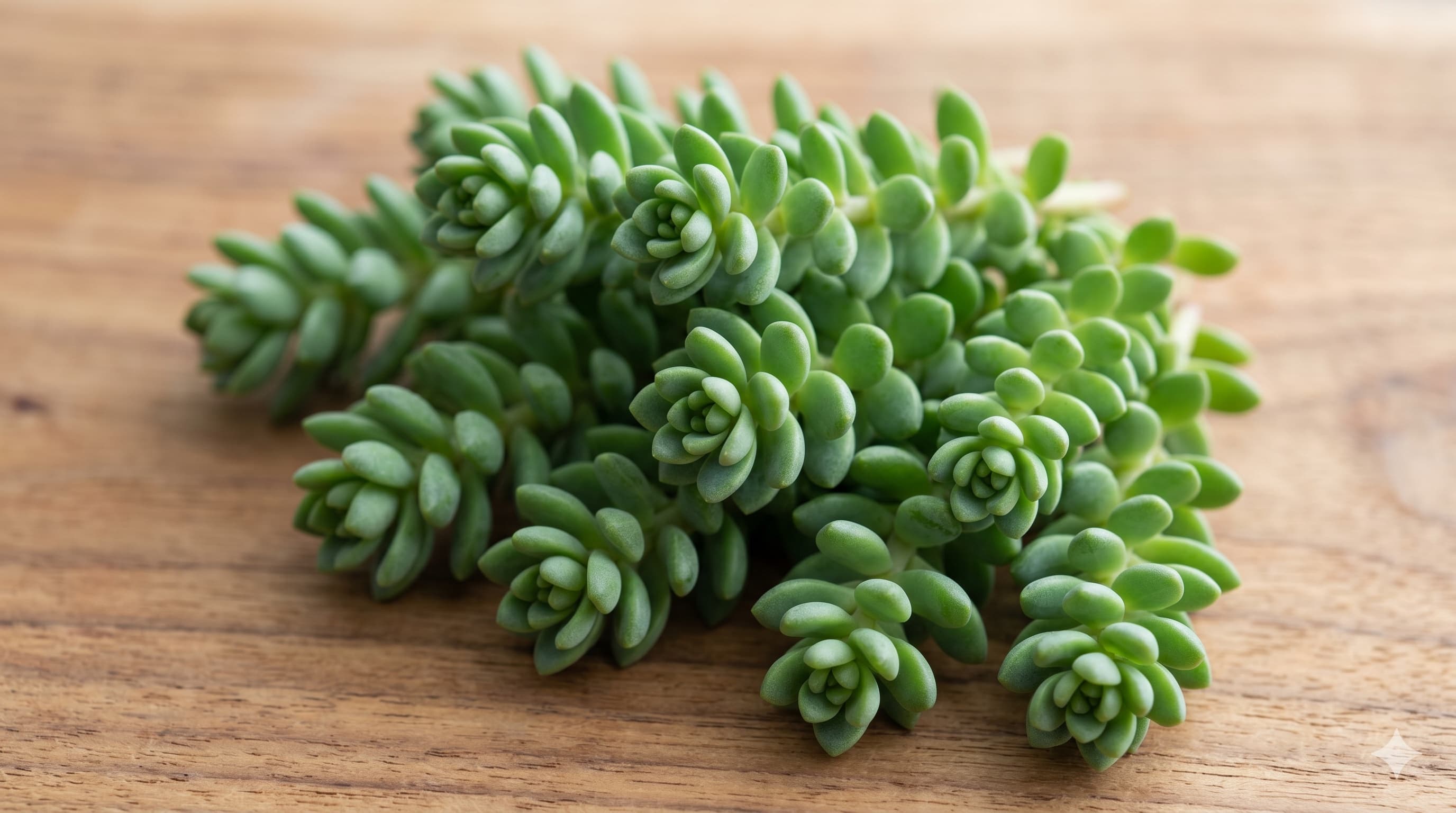
돌나물
Dolnamul
Juicy, mildly sour, and slightly sweet — refreshingly succulent. The flavor is clean and bright, like a cross between purslane and green grape, with a satisfying pop when you bite into the leaves
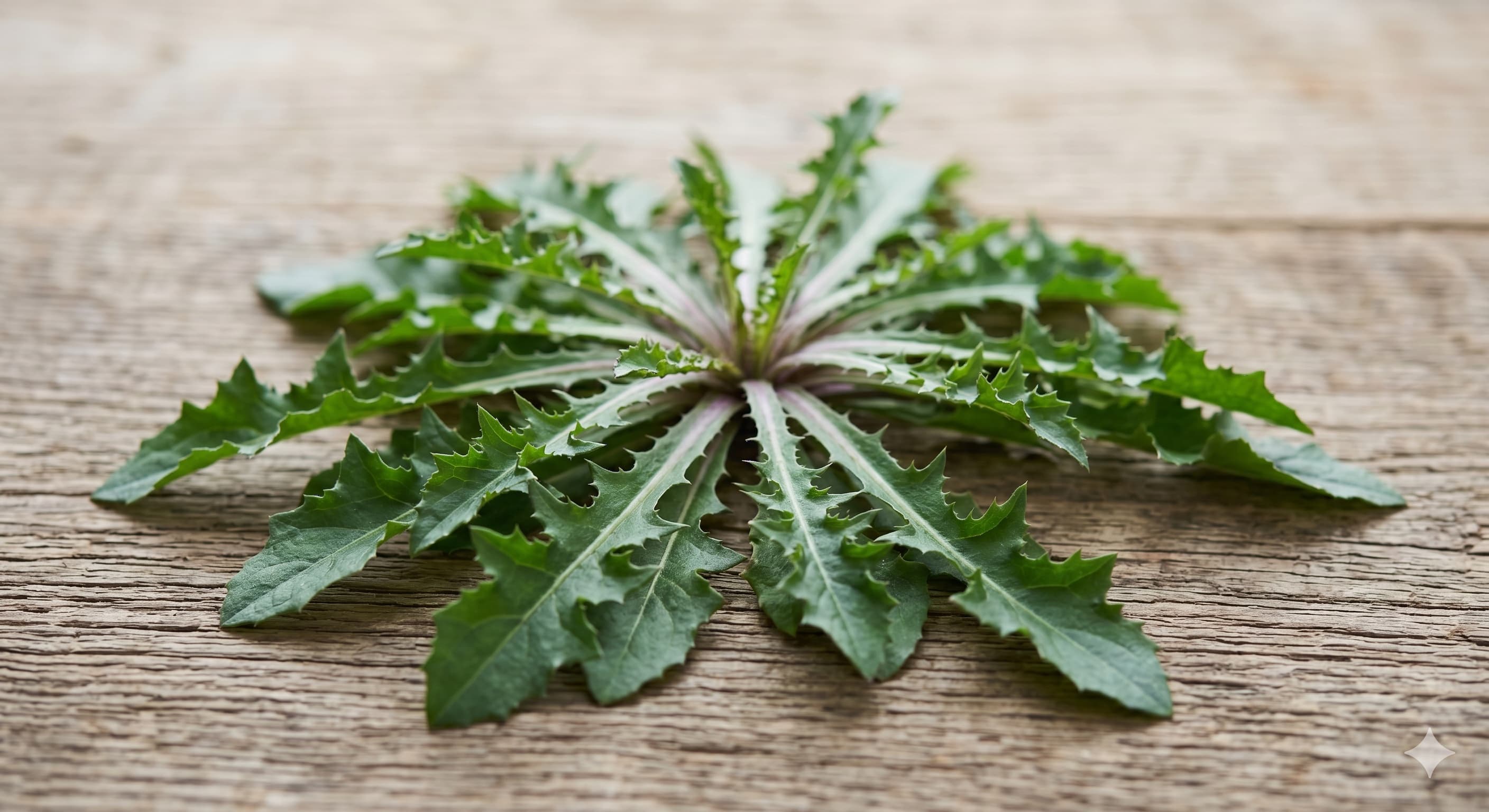
씀바귀
Sseumbagwi
Intensely bitter — the most bitter of the common Korean wild greens. The bitterness is clean and sharp, not unpleasant once you acquire the taste. Traditional Korean palates consider this bitterness cleansing and invigorating
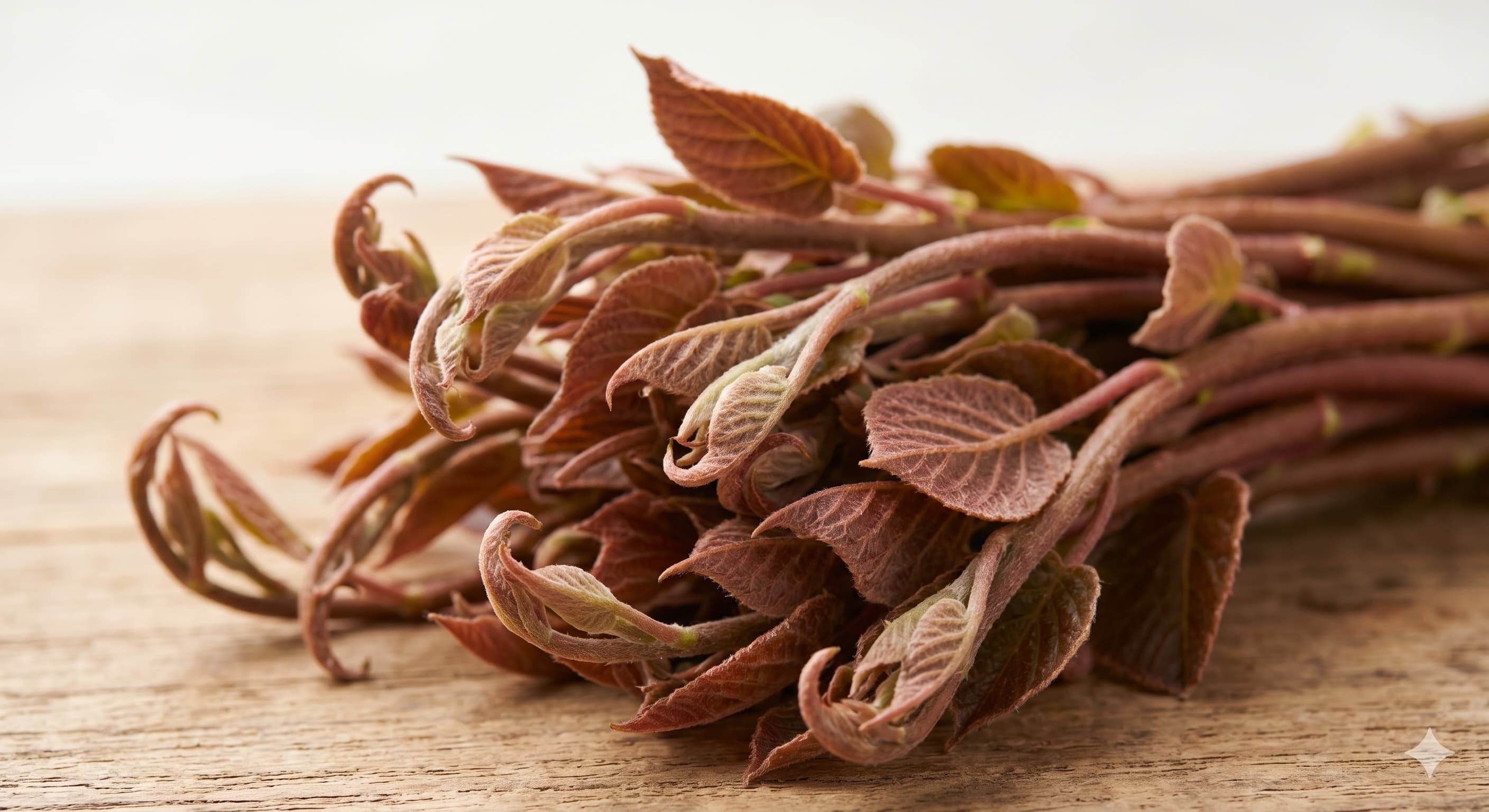
다래순
Daraesun
Delicately sweet with a subtle sour note — reminiscent of the kiwi fruit it eventually produces, but greener and more herbaceous. Considered one of the most refined spring flavors in Korean mountain cuisine
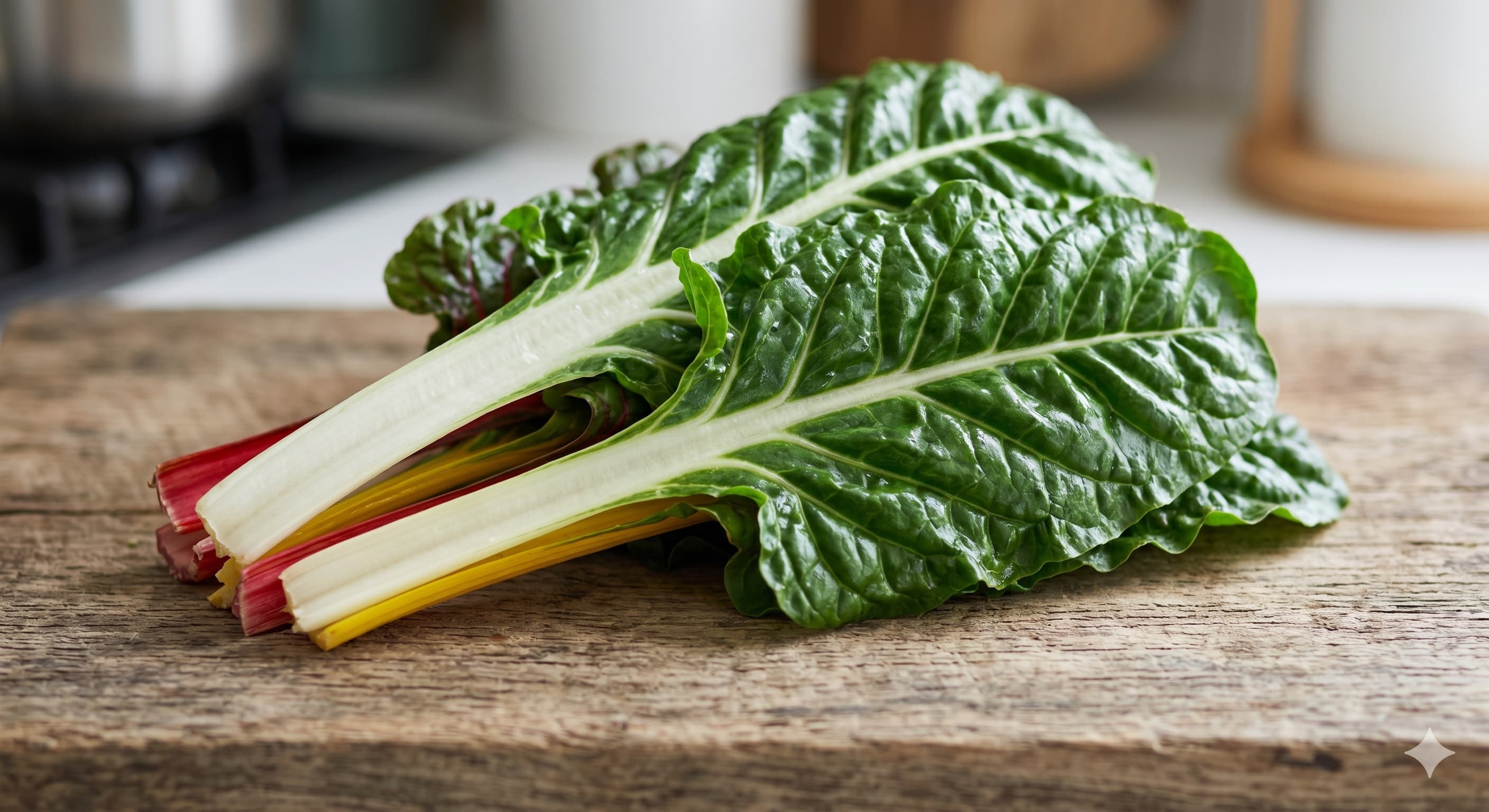
근대
Geundae
Mildly sweet and earthy with a slight mineral undertone — familiar and approachable for Western palates. The stems are sweeter and milder than the leaves, which have a gentle bitterness
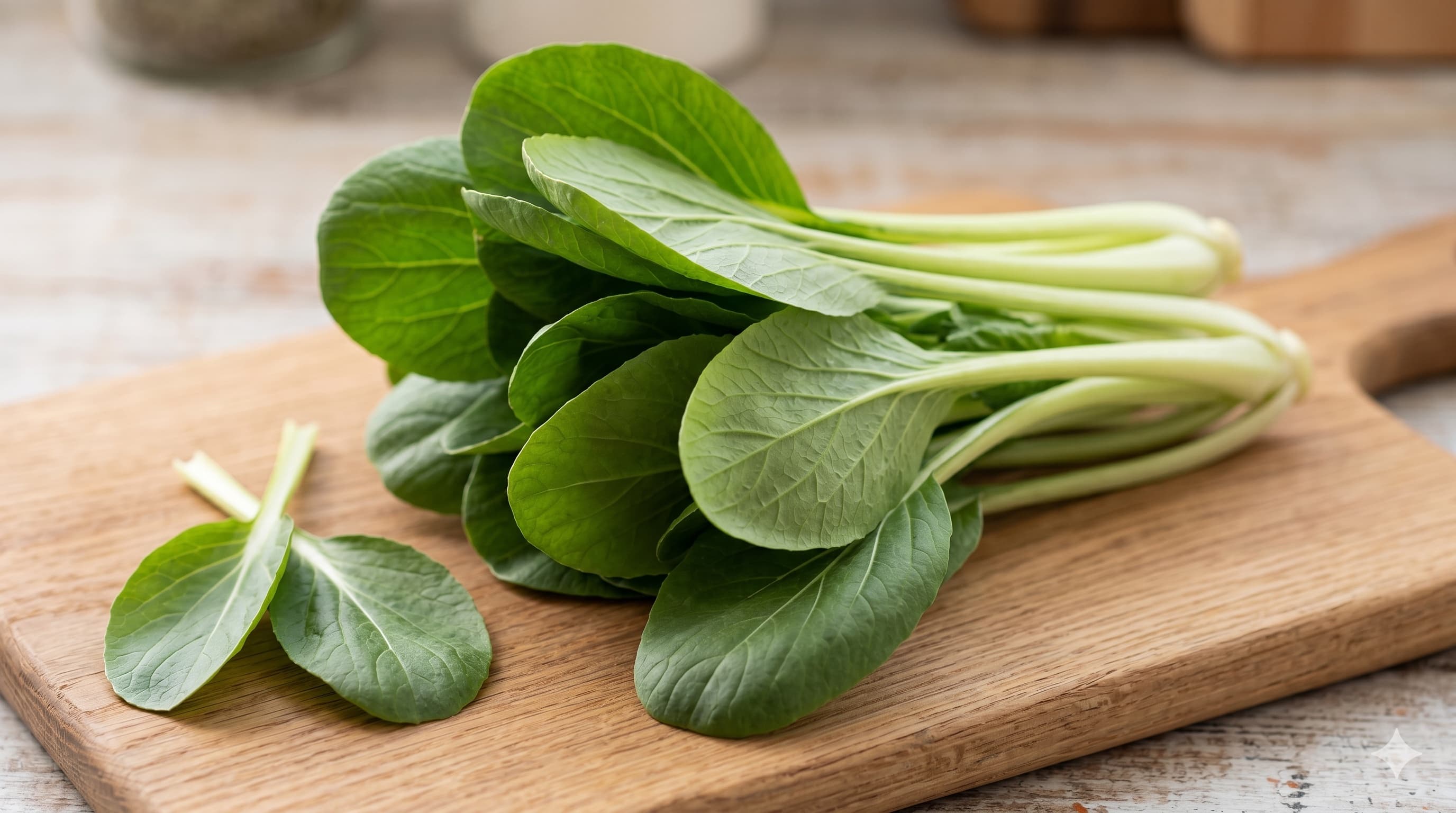
포항초
Pohangcho
Peppery and slightly bitter with a wasabi-like mustard kick that fades into a pleasant sweetness, especially in cold-grown leaves. More refined than Western mustard greens, with a cleaner finish
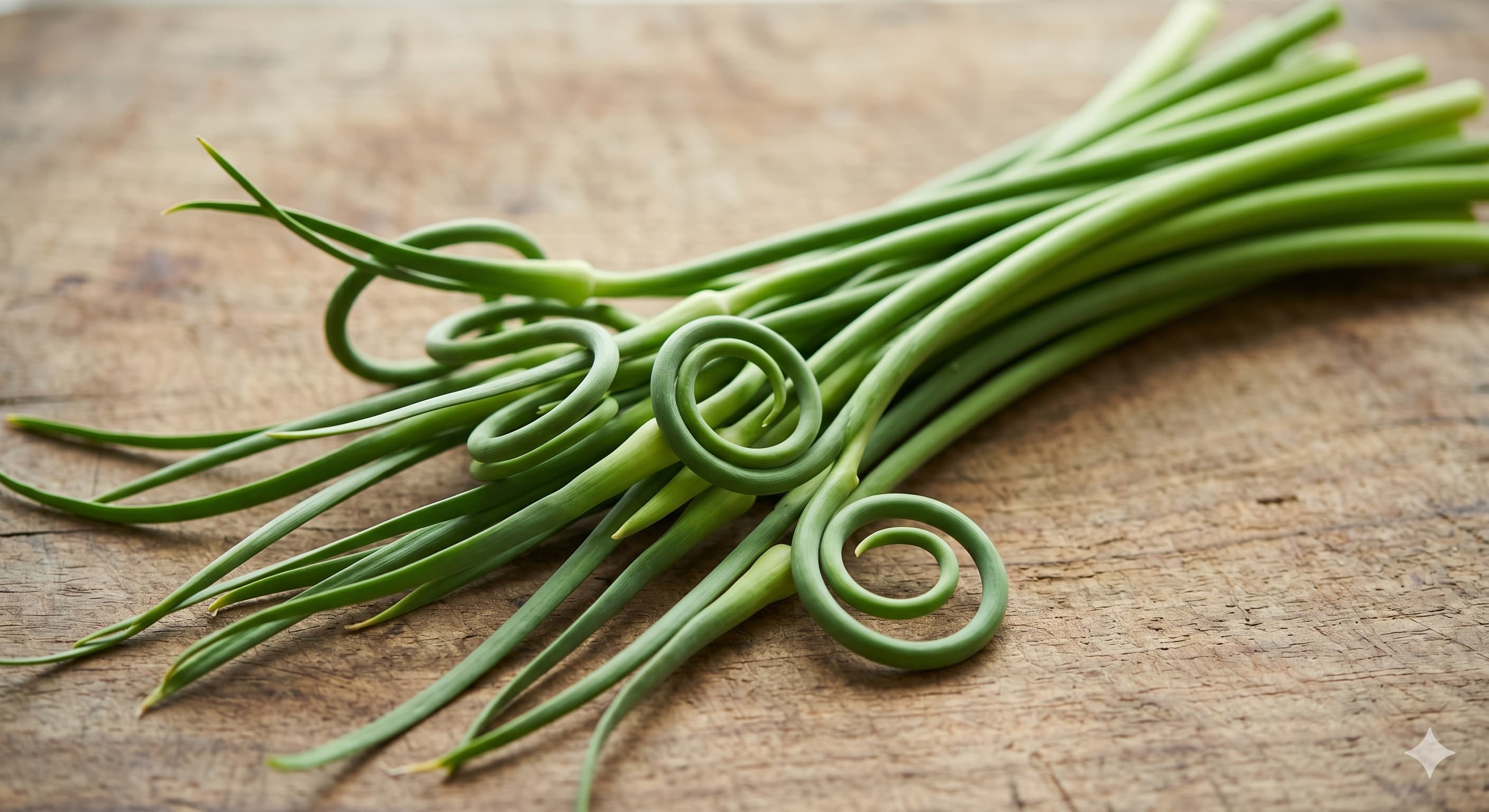
마늘쫑
Maneul-jjong
Mild, sweet garlic flavor — much gentler than garlic cloves. Think of green beans crossed with garlic, with a pleasant sweetness that intensifies when cooked. The curly tips are sweeter than the straight stem portions
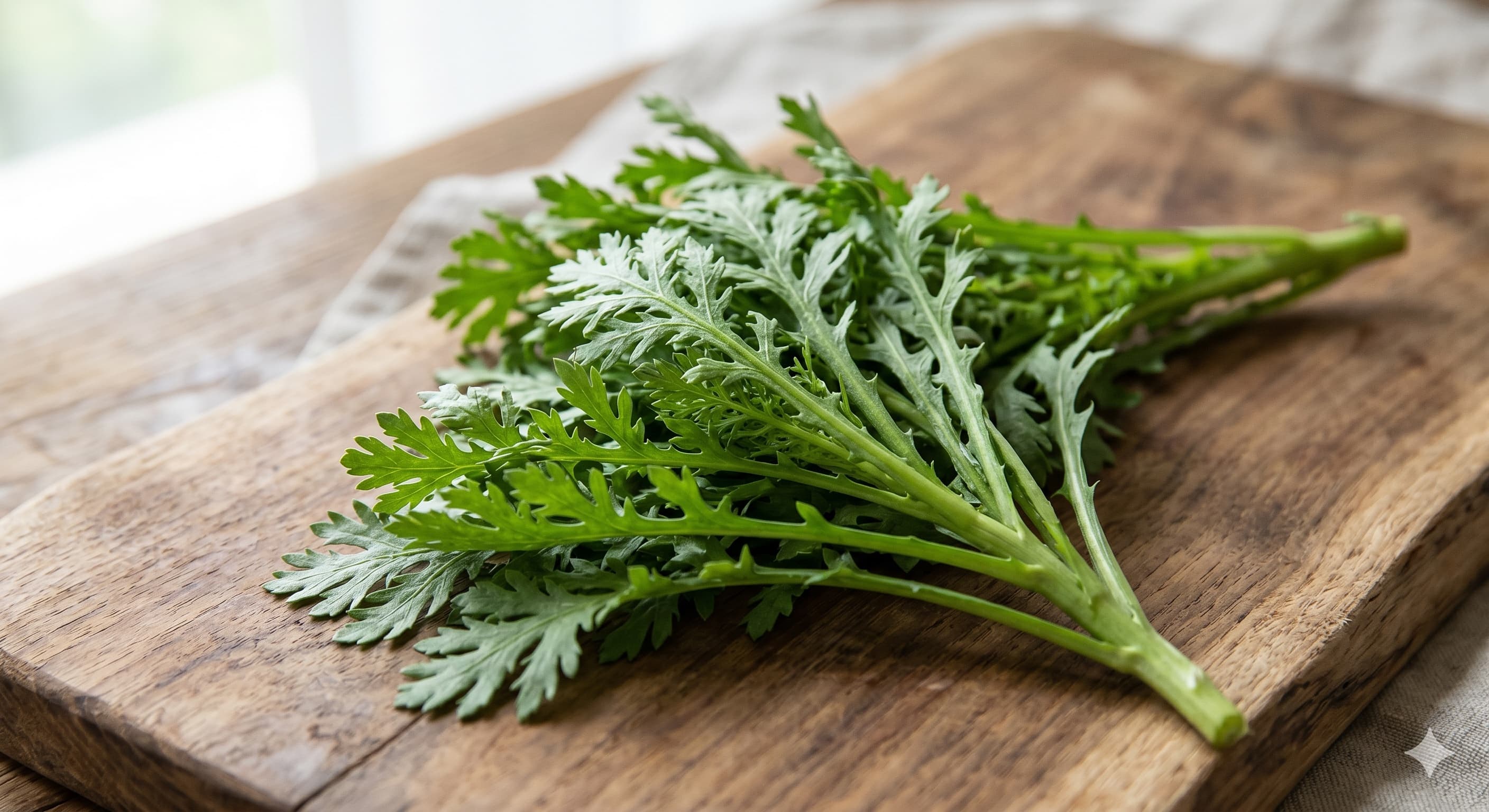
쑥갓
Ssukgat
Distinctly herbal and aromatic with a chrysanthemum-like fragrance — vegetal, slightly camphoraceous, and utterly unique. The flavor is polarizing: people either love it instantly or need a few tries. It is essential to Korean hot pots
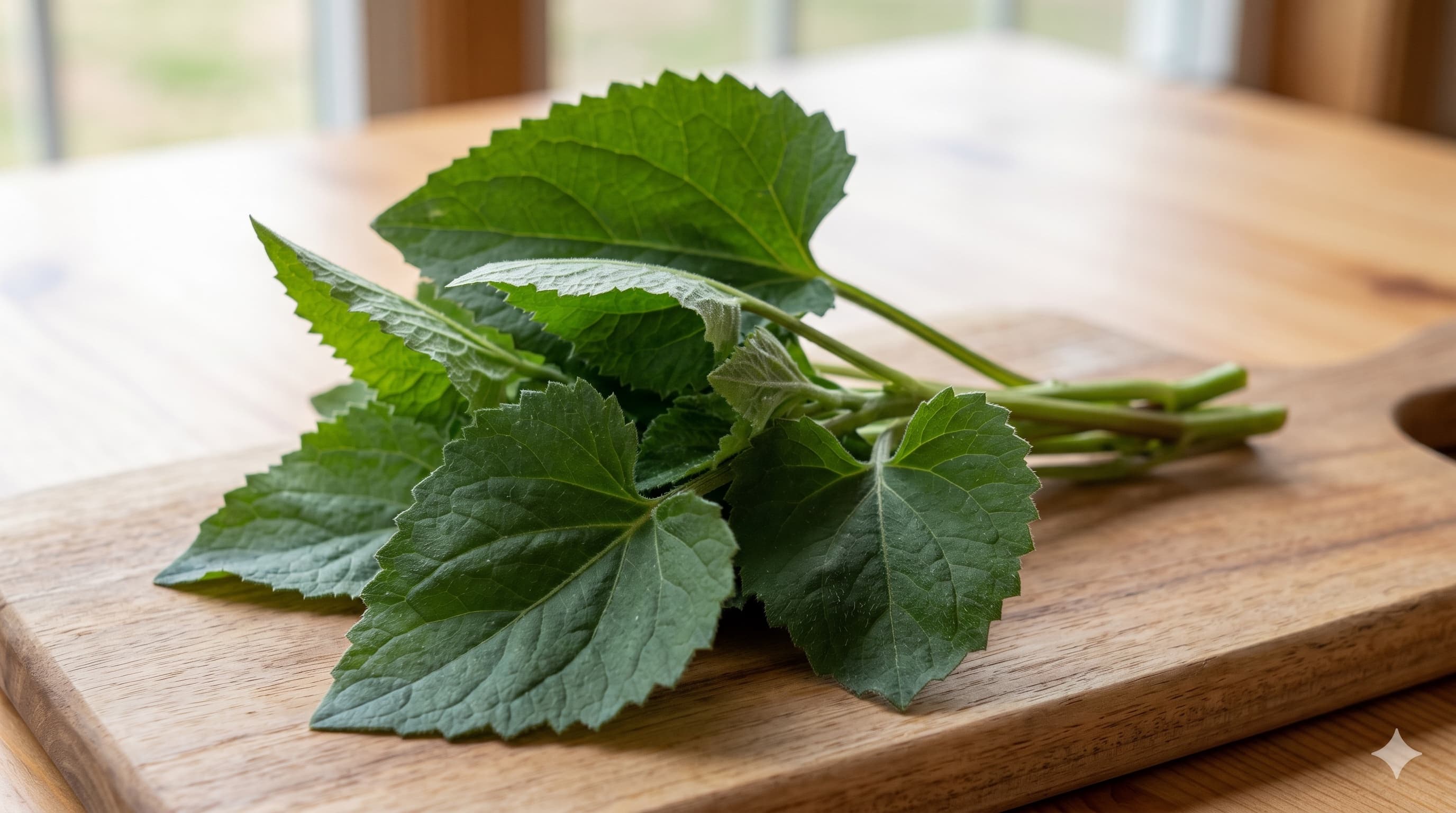
취나물
Chwinamul
Distinctly aromatic with a pleasant bitterness balanced by a subtle sweetness — the quintessential mountain vegetable flavor that Koreans describe as 'the taste of the mountains'
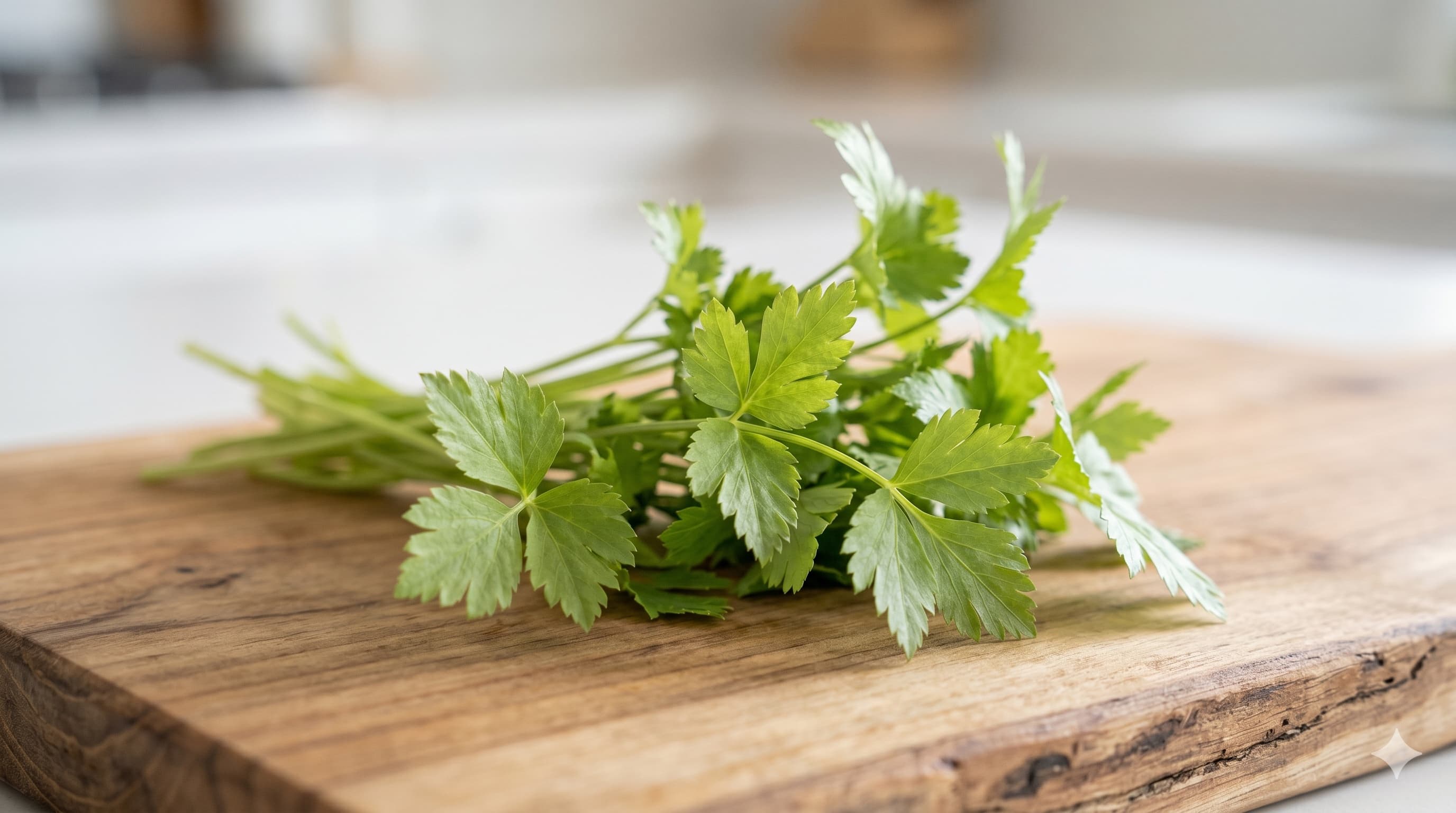
참나물
Chamnamul
A delicate, refreshing blend of celery and flat-leaf parsley with a distinctive herbal sweetness — lighter and more elegant than most wild greens
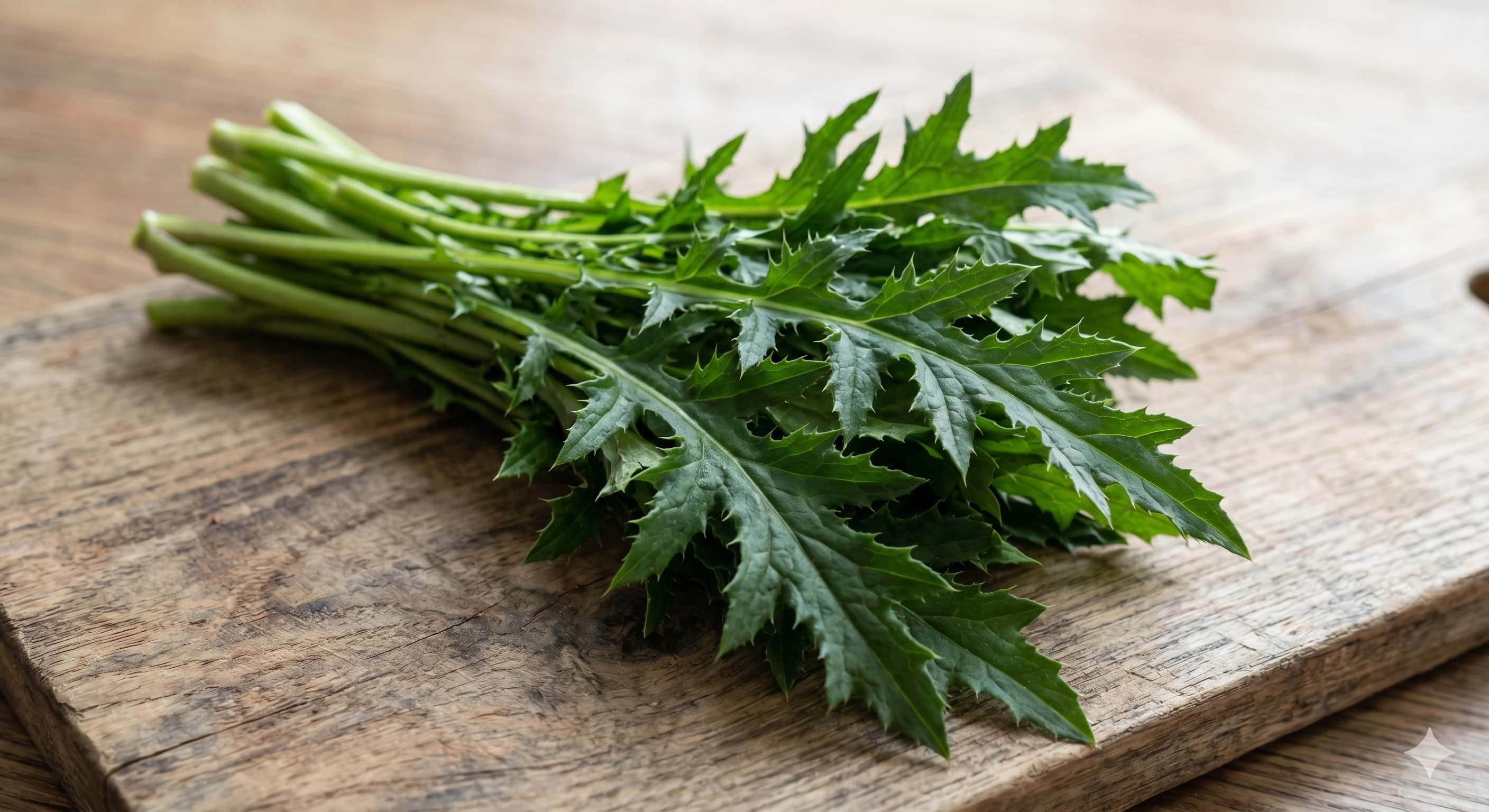
곤드레
Gondre
Remarkably mild and gentle — subtly sweet with almost no bitterness, making it one of the most approachable wild greens
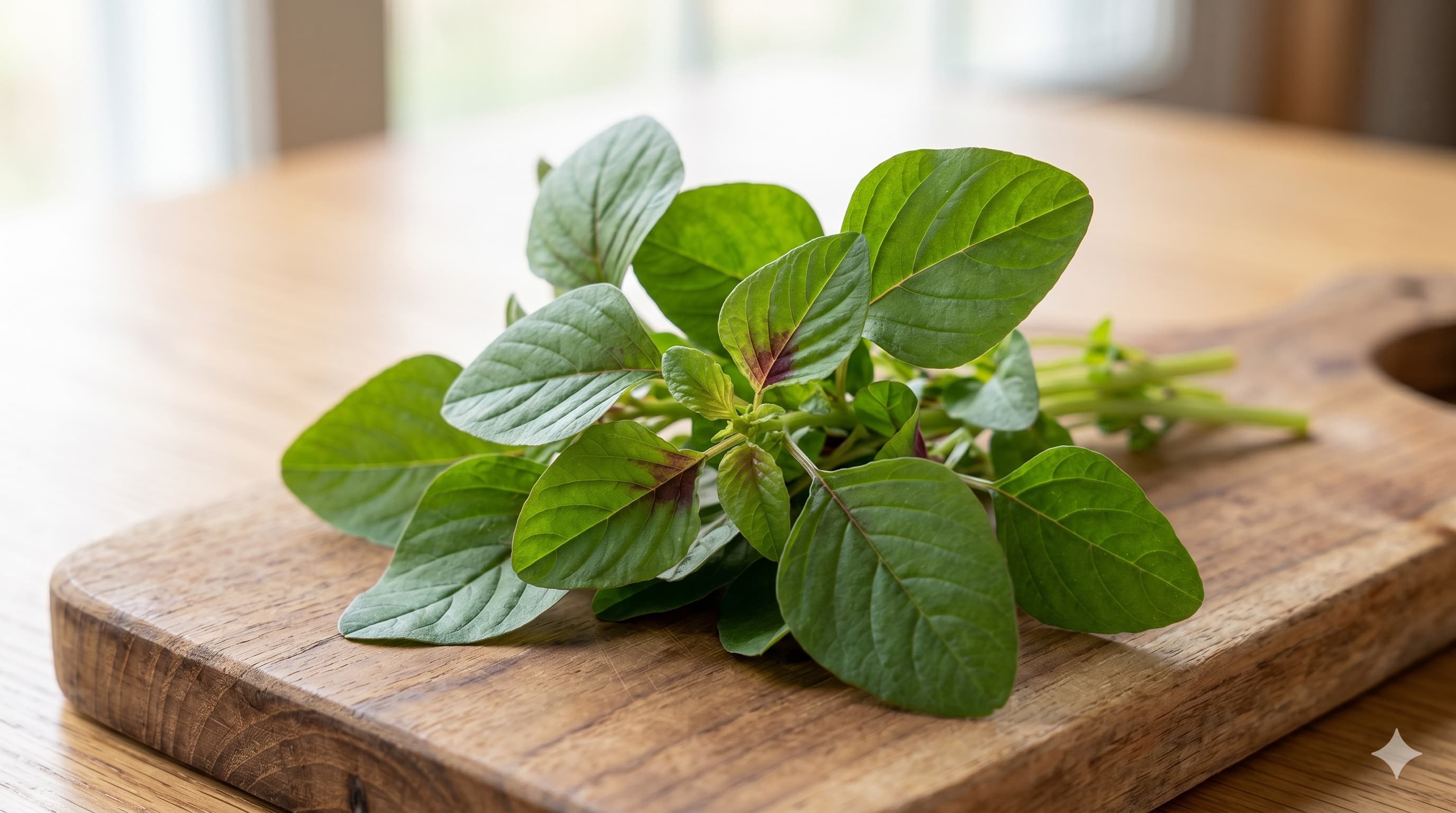
비름나물
Bireumnamul
Very mild, slightly sweet with a gentle, clean green taste — similar to spinach but lighter and less mineral-heavy
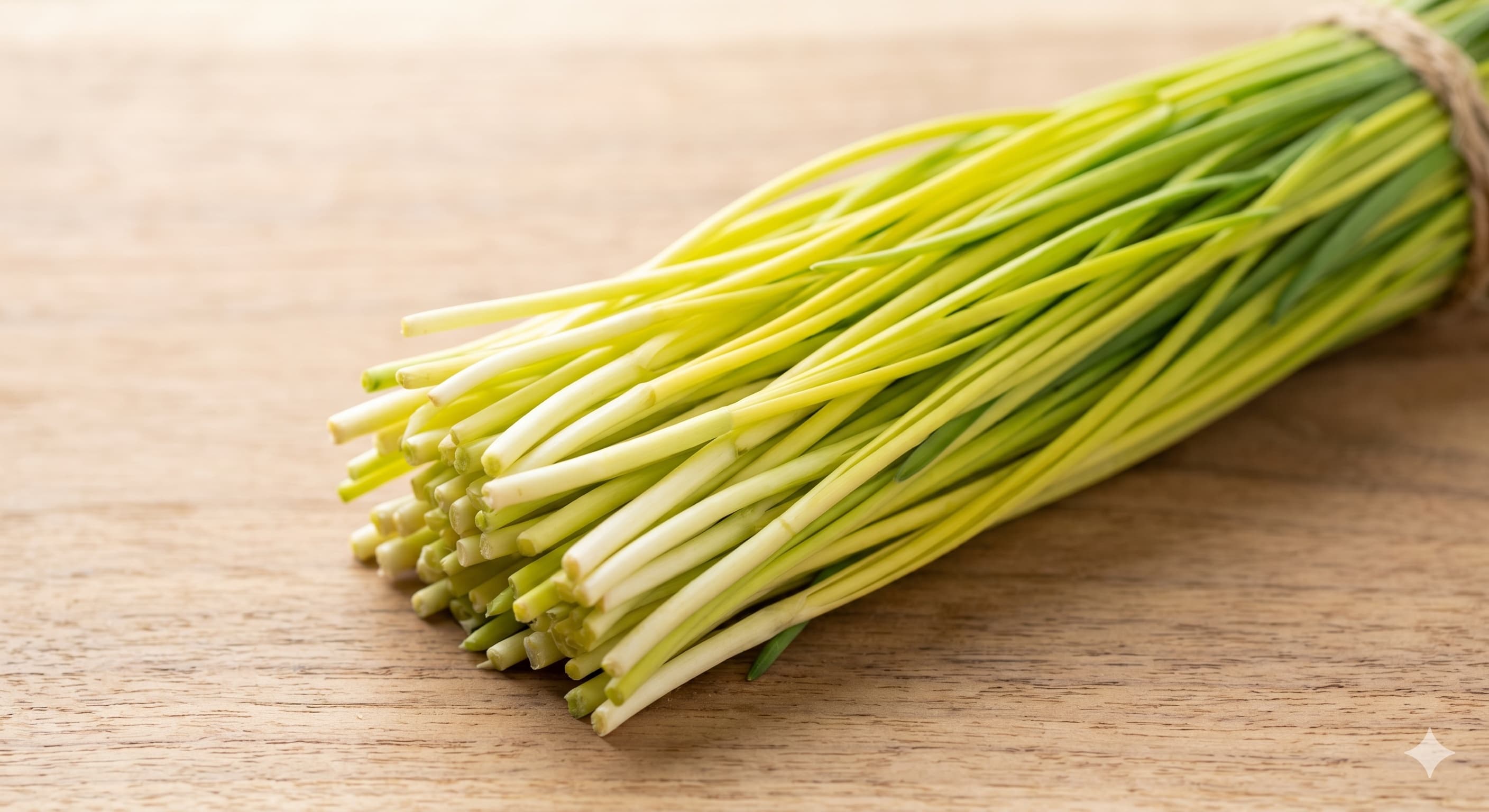
원추리
Wonchuri
Delicately sweet with a musky, slightly floral undertone — reminiscent of a mild, sweet green bean with a hint of honeyed aroma
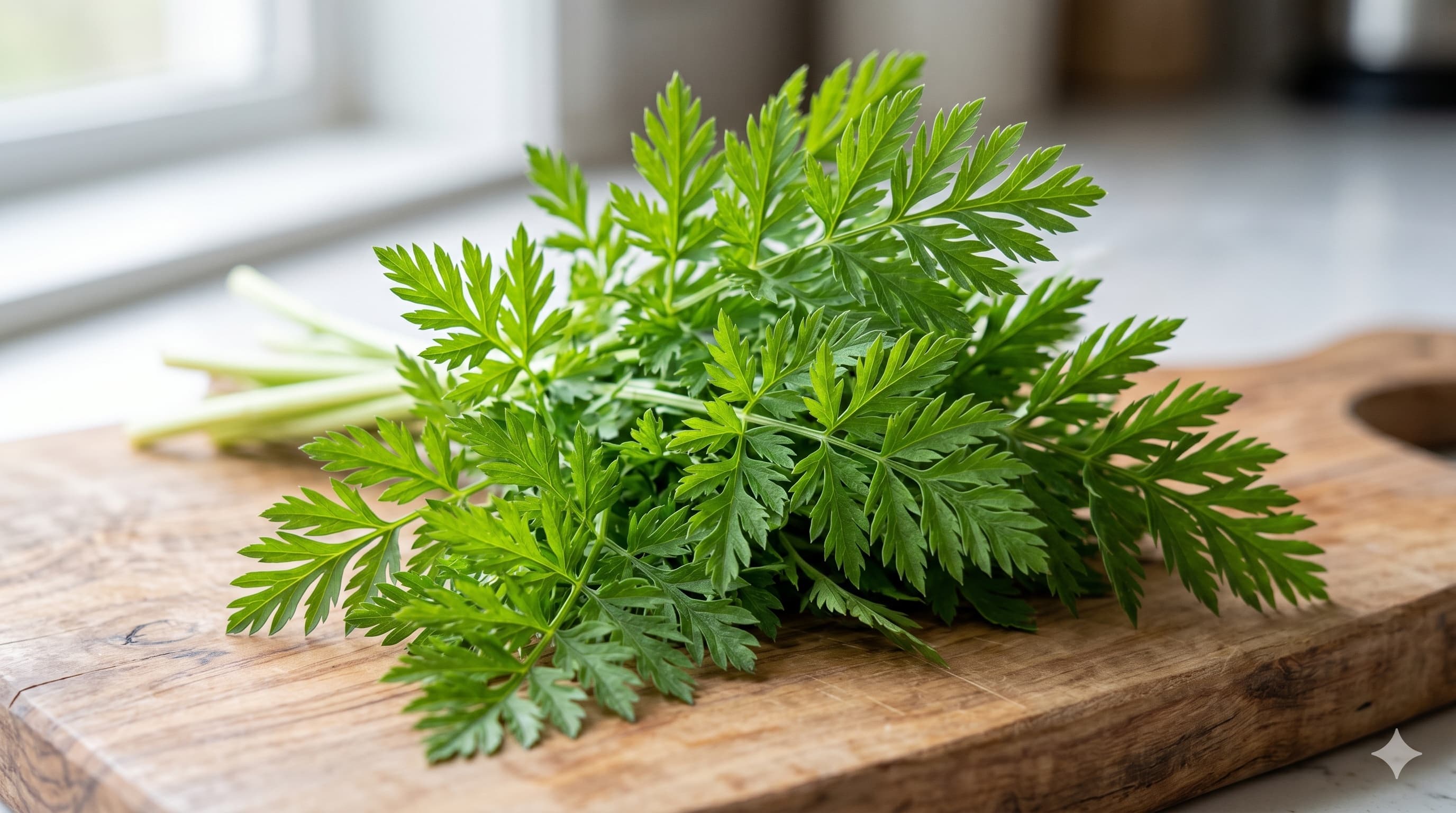
방풍나물
Bangpungnamul
Uniquely aromatic with a warm, slightly medicinal herbaceousness balanced by sweetness — reminiscent of a cross between celery and fennel with a gentle peppery finish
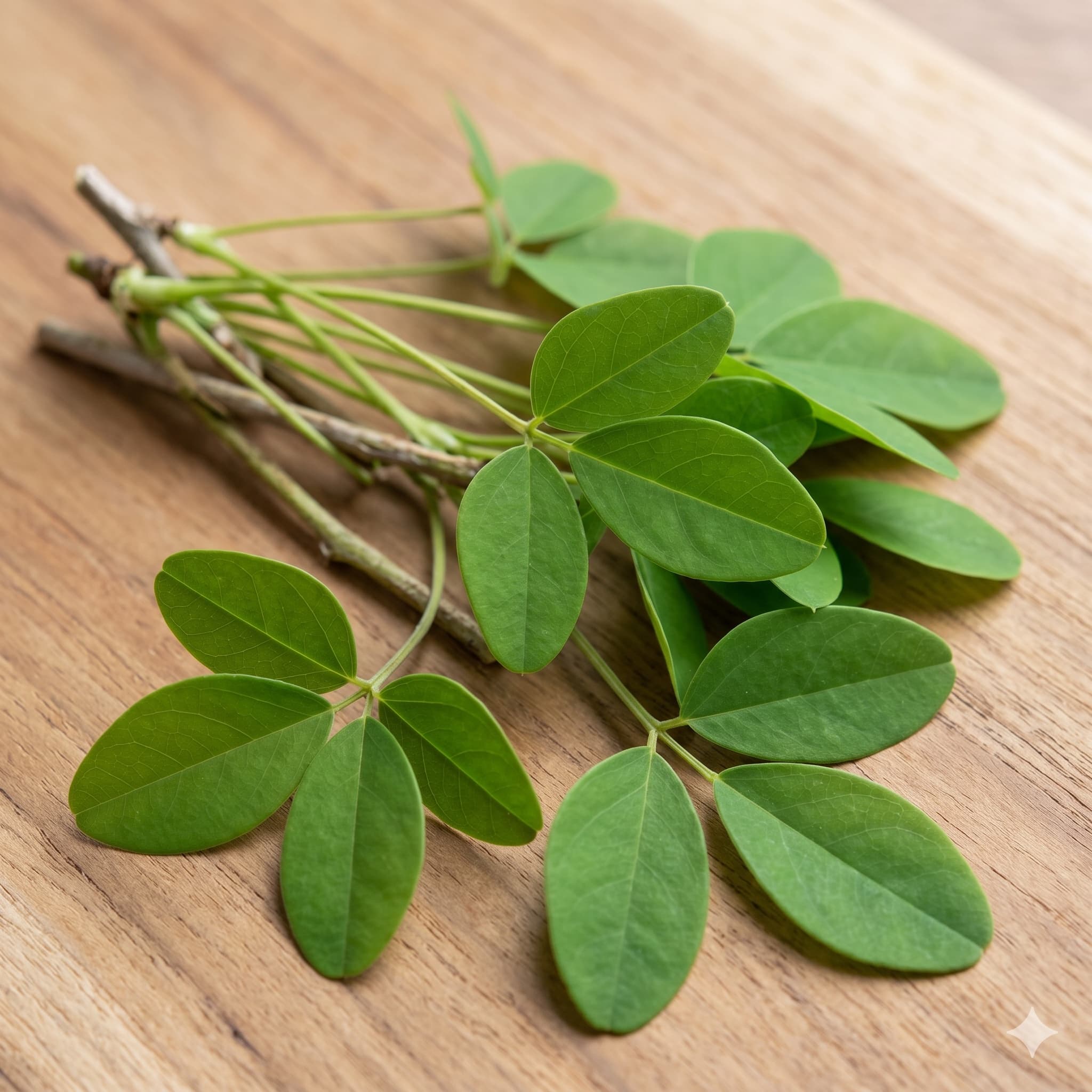
세발나물
Sebalnamul
Naturally and pleasantly salty with a crisp, sea-fresh brightness — like eating a tiny, crunchy piece of the ocean. A clean, mineral salinity without any fishiness
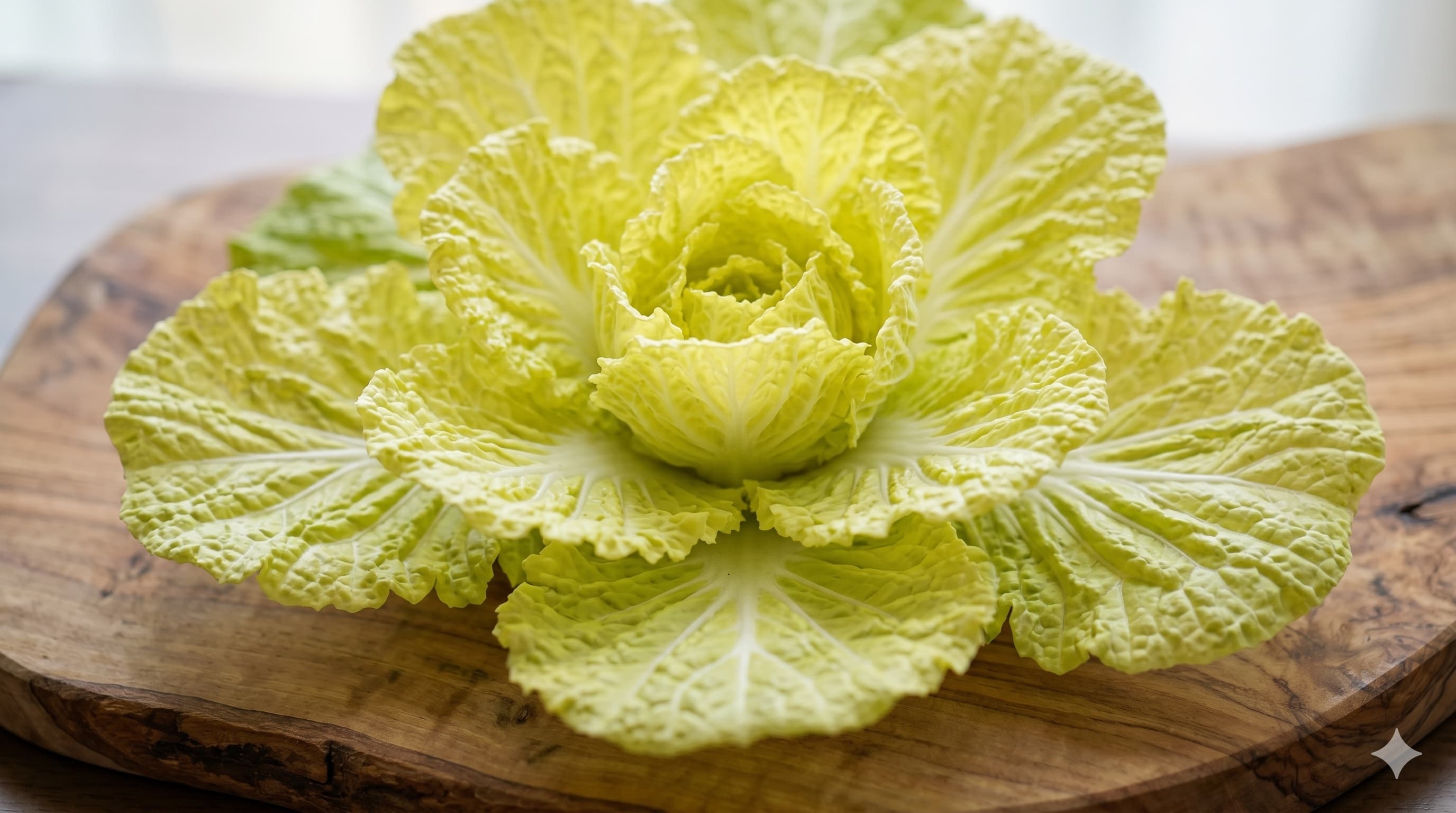
봄동
Bomdong
Notably sweeter and more tender than regular napa cabbage — the winter cold converts starches to sugars, giving it an almost fruit-like sweetness with a fresh, clean crunch
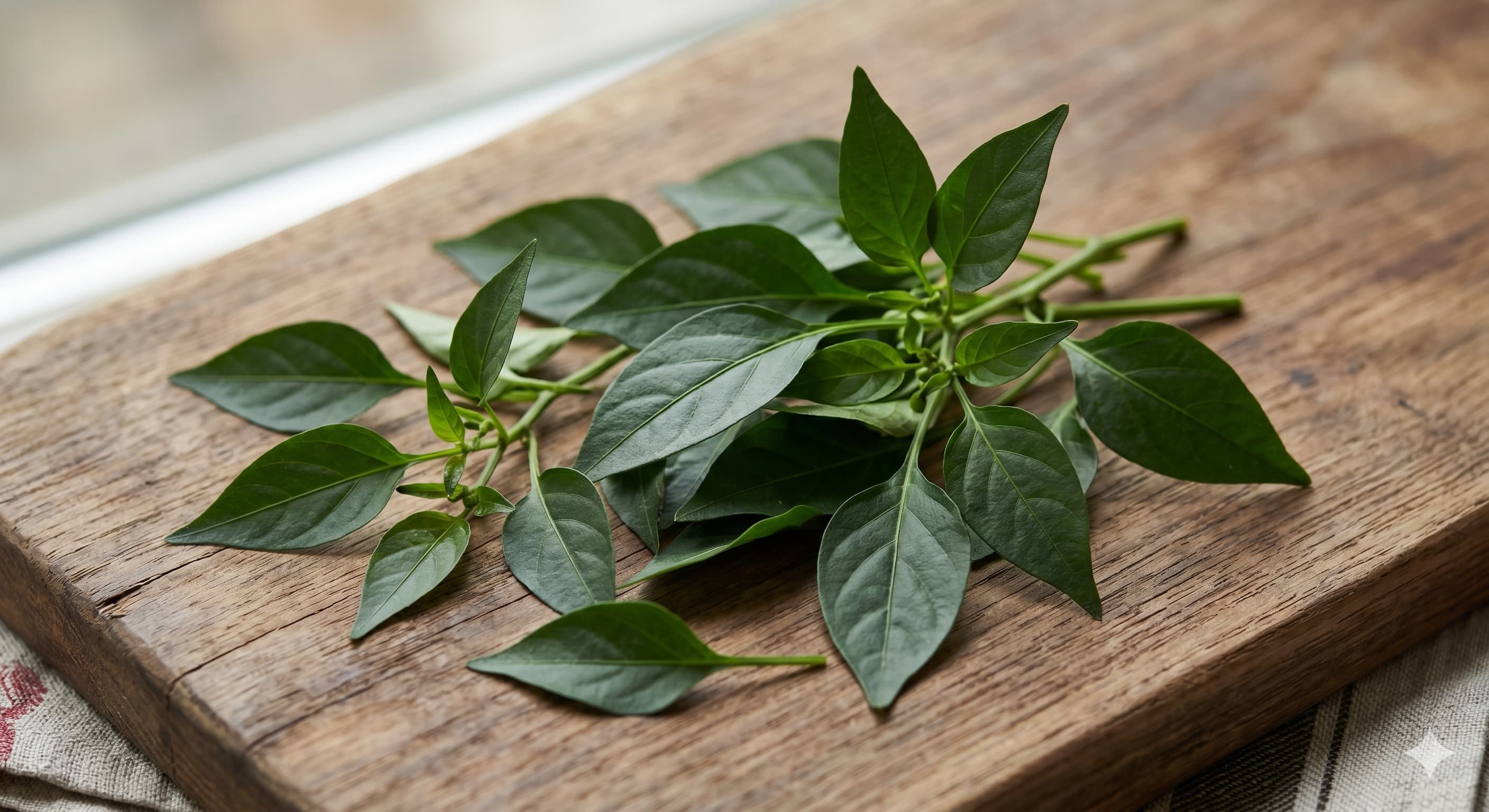
고추잎
Gochuyip
Mildly bitter and subtly peppery without real heat — tastes like a gentler, greener echo of the chili pepper itself
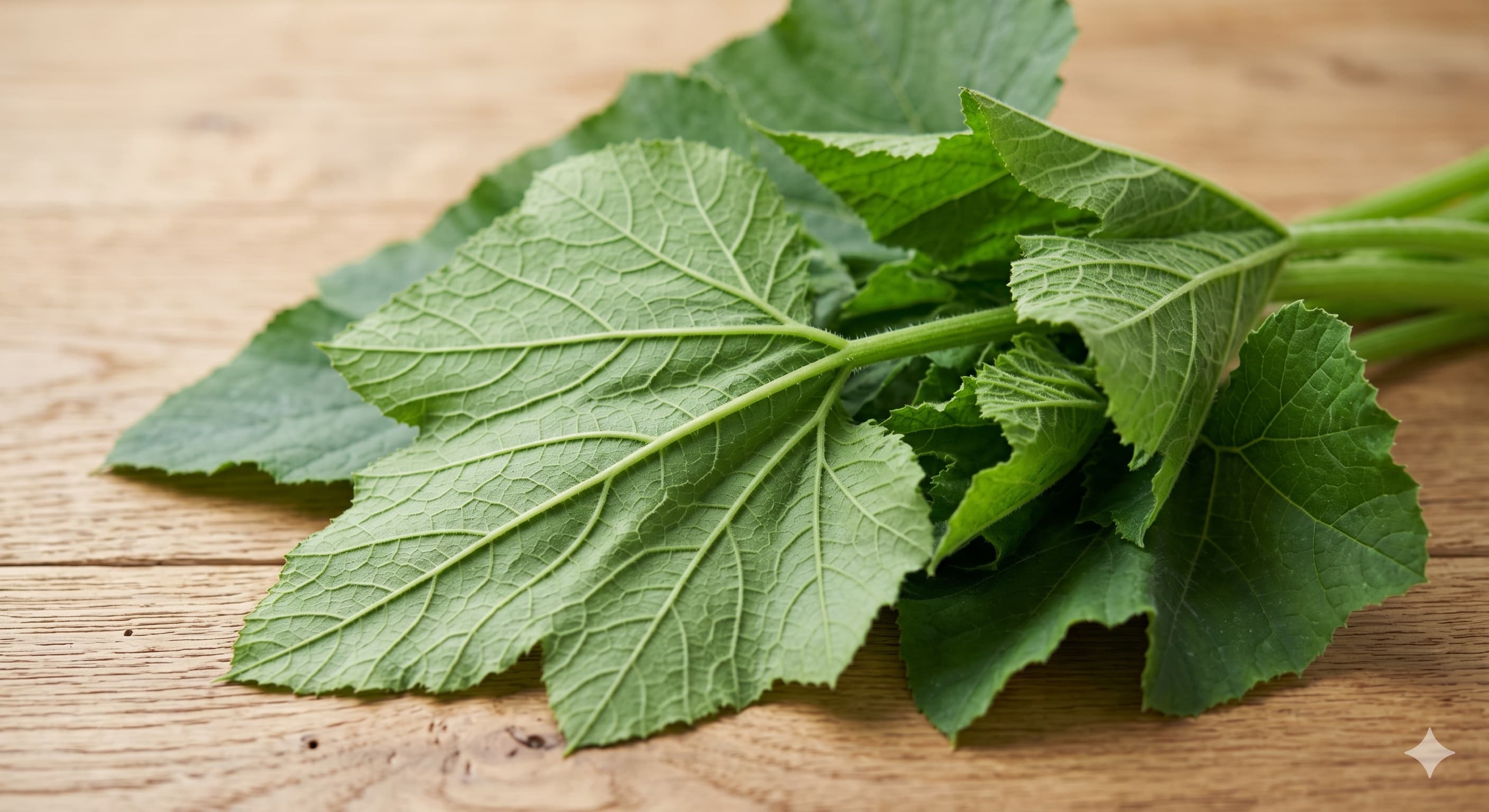
호박잎
Hobakip
Very mild, gently sweet with an earthy, green squash undertone — the flavor is subtle, almost neutral, making it an excellent wrapper for more flavorful fillings