Korean Fermented Foods: A Vegan Guide
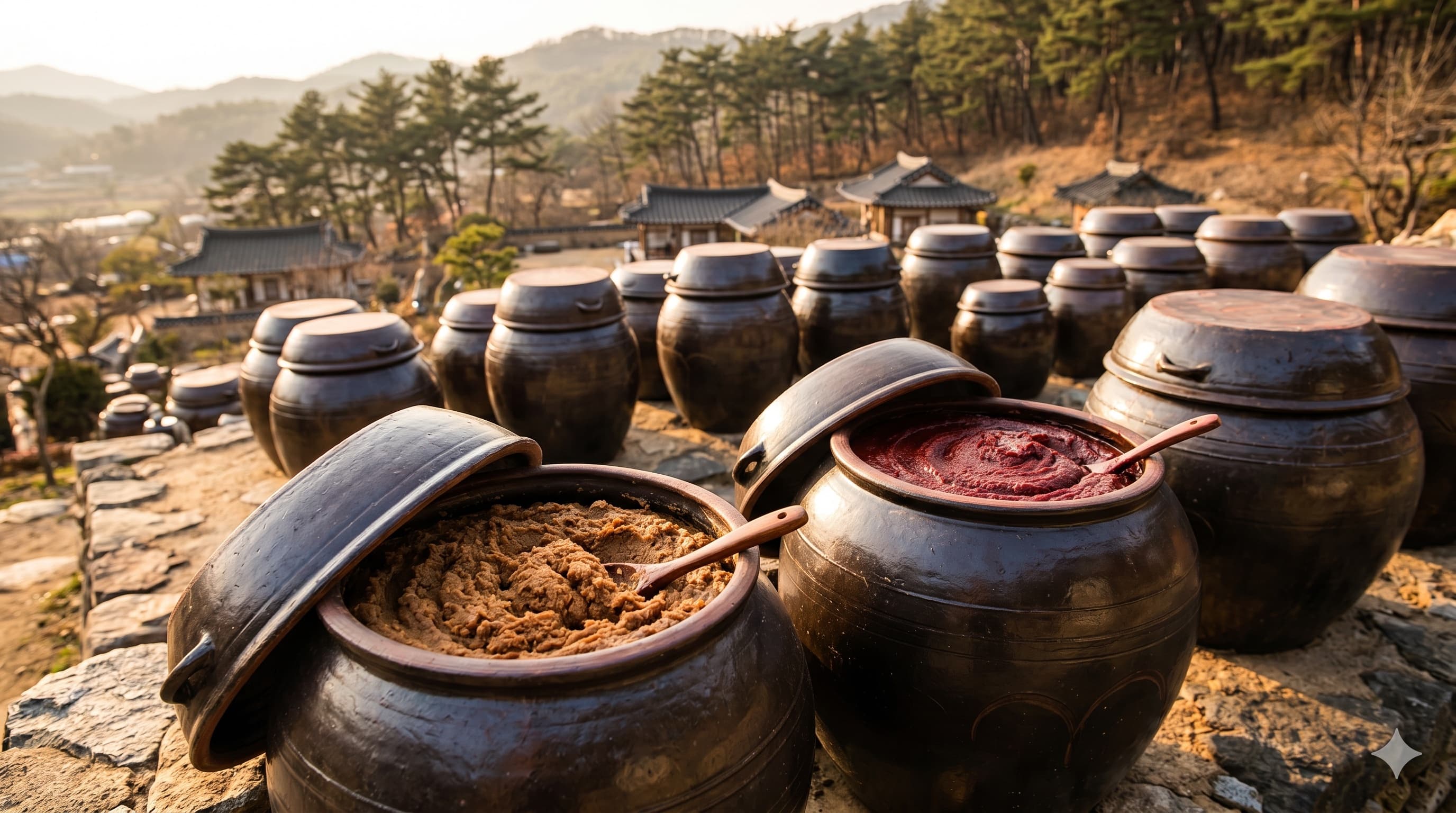
Korea's Fermentation Heritage
Korea has one of the world's richest fermentation cultures. For centuries, every household maintained earthenware crocks (onggi) filled with fermenting pastes, sauces, and vegetables. These living foods are central to Korean cuisine — and most of them are naturally vegan or easily adapted.
Vegan Kimchi: Skipping the Fish Sauce
Traditional kimchi often contains jeotgal (fermented seafood) or fish sauce for umami depth. However, Buddhist temple kimchi has always been made without animal products. Here's how to achieve deep flavor without fish:
- Kelp and shiitake broth: Simmer dried kelp and shiitake for 30 minutes, then use this broth in your kimchi paste
- Fermented soybean liquid: The brine from doenjang-making adds complex umami
- Miso or doenjang: A tablespoon blended into the paste adds fermented depth
- Soy sauce: A splash of quality soy sauce replaces the saltiness and savory notes of fish sauce
Vegan kimchi ferments just as well and develops equally complex flavors. The lactic acid bacteria responsible for fermentation come from the vegetables themselves, not from fish products.
Doenjang: Traditional Soybean Paste
Doenjang is made from meju (fermented soybean blocks), salt, and water — naturally vegan. The traditional process takes 6 to 12 months and produces both doenjang and Korean soy sauce (ganjang) simultaneously. When buying commercial doenjang, check for added anchovy extract, which some brands include.
Gochujang: Fermented Chili Paste
Authentic gochujang combines chili powder, glutinous rice, meju powder, salt, and malt syrup, fermented in the sun for months. It's inherently vegan. Mass-produced versions sometimes add non-vegan additives, so read labels or seek out traditionally made products.
Makgeolli: Rice Wine
This milky, slightly effervescent rice wine is made from rice, water, and nuruk (a fermentation starter). Entirely plant-based, makgeolli is also used as a cooking ingredient to tenderize vegetables and add subtle sweetness to braises.
Cheonggukjang: Fast-Fermented Soybean Paste
Sometimes called "Korean natto," cheonggukjang is soybeans fermented with Bacillus subtilis for just 2-3 days. It has an intense, pungent aroma and is powerfully nutritious — high in protein, vitamin K2, and beneficial bacteria. Always vegan.
Health Benefits of Korean Fermented Foods
Korean fermented foods support digestive health through diverse probiotic strains. The Donguibogam records doenjang as beneficial for digestion, detoxification, and maintaining vital energy. Modern research confirms these foods support gut microbiome diversity, immune function, and nutrient absorption.
Starting Your Fermentation Journey
Begin with vegan kimchi — it's forgiving and ready in just a few days. Once comfortable, try making doenjang (a longer commitment but deeply rewarding). Keep your ferments in a cool place, taste regularly, and trust the process that Korean kitchens have perfected over millennia.