Plant-Based Diet for Beginners: A Step-by-Step Transition Guide
There Is No Wrong Way to Start
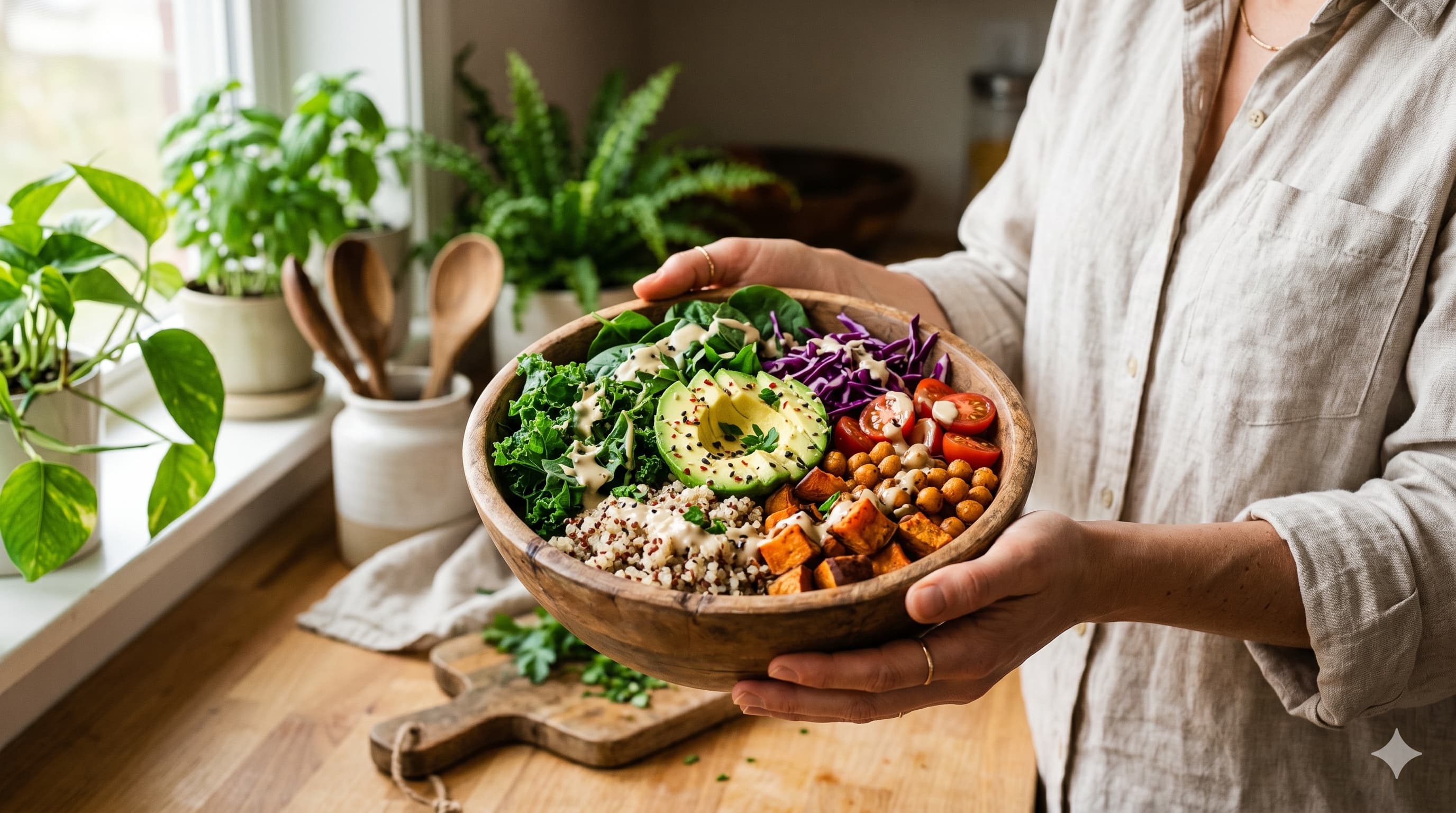
Going plant-based is not an all-or-nothing leap. The most sustainable transitions happen gradually, at a pace that fits your life. Whether you are motivated by health, the environment, animal welfare, or simple curiosity, this guide gives you a practical week-by-week framework — no judgment, no pressure, just progress.
A Gradual Transition Approach
Week 1: Swap the Easy Stuff
Start where the friction is lowest. Replace dairy milk with oat, soy, or almond milk in your coffee and cereal. Choose plant-based butter for toast. These swaps require zero cooking skill and zero sacrifice — modern alternatives are excellent. Keep everything else the same for now.
Week 2: Meatless Dinners
Pick three evenings this week to cook dinner without meat or fish. Focus on meals that are naturally plant-based rather than trying to replicate meat dishes. A hearty doenjang-jjigae with tofu, a big bibimbap loaded with namul, or a simple pasta with vegetables all count. Notice how satisfying these meals are.
Week 3: Vegan Before 6 PM
Eat fully plant-based for breakfast and lunch every day. Oatmeal, smoothies, grain bowls, soups, salads, rice and banchan — the options are vast. Allow yourself whatever you want at dinner. This approach, popularized by food writer Mark Bittman, dramatically reduces animal product consumption without feeling restrictive.
Week 4: Full Days
Try eating fully plant-based for an entire week. By now your pantry is stocked, you have a handful of reliable recipes, and you know which restaurants and takeout spots work for you. Notice how your body feels — most people report increased energy, better digestion, and clearer skin within the first few weeks.
Common Challenges and How to Handle Them
Social Situations
Eating differently from friends and family can feel awkward. Practical solutions: offer to bring a dish to gatherings (people are usually curious and grateful), research restaurant menus in advance, and keep explanations brief and positive. "I'm trying more plant-based meals" invites less debate than labels.
Cravings
Cravings for familiar foods are normal and temporary. They usually fade within 2-3 weeks as your palate adjusts. In the meantime, find plant-based versions of what you miss — vegan cheese has improved dramatically, and Korean cuisine offers incredible depth of flavor without meat.
Nutrition Concerns
A varied plant-based diet provides everything you need except vitamin B12, which you should supplement (or get from fortified foods). Protein is abundant in legumes, tofu, tempeh, and whole grains. Iron comes from dark leafy greens, lentils, and sesame seeds. Omega-3s come from walnuts, flaxseeds, and perilla seeds — a staple of Korean cooking.
Why Korean Cuisine Is Perfect for Beginners
Korean food is arguably the most plant-based-friendly cuisine in the world. Unlike Western cooking where meat is the centerpiece, Korean meals revolve around rice, soup, and multiple vegetable banchan. A traditional Korean table might have eight dishes, six of which are already vegan. Temple food — an entirely plant-based tradition dating back 1,700 years — proves that Korean cuisine needs no adaptation to be fully vegan. It already is.
Start with simple namul (seasoned vegetables), try a bowl of kongnamul-guk (soybean sprout soup), or make doenjang-jjigae with tofu. These dishes are approachable, deeply satisfying, and naturally free of animal products.
Practical Tips for Success
- Stock your pantry first: Having the right ingredients at home makes plant-based cooking effortless. Tofu, grains, canned beans, sesame oil, soy sauce, and gochujang cover most meals
- Batch cook on weekends: Make a big pot of grain, prepare 2-3 banchan, and cook a soup. Weeknight meals become assembly rather than cooking
- Find your five recipes: Master five reliable plant-based meals you genuinely enjoy. These become your safety net on busy or uninspired days
- Be kind to yourself: If you eat something non-vegan, it is not a failure. Progress is not ruined by a single meal. Just return to your intention at the next opportunity
Resources to Keep You Going
Explore Korean temple food recipes for endless plant-based inspiration. Follow vegan Korean food creators online. Try a local Korean restaurant and order bibimbap without egg, or a tofu stew. Join online communities where people share tips without judgment. Remember: every plant-based meal makes a difference — for your health, for animals, and for the planet. You do not have to be perfect to make an impact.