Shojin Ryori: The Complete Guide to Japanese Buddhist Vegetarian Cuisine
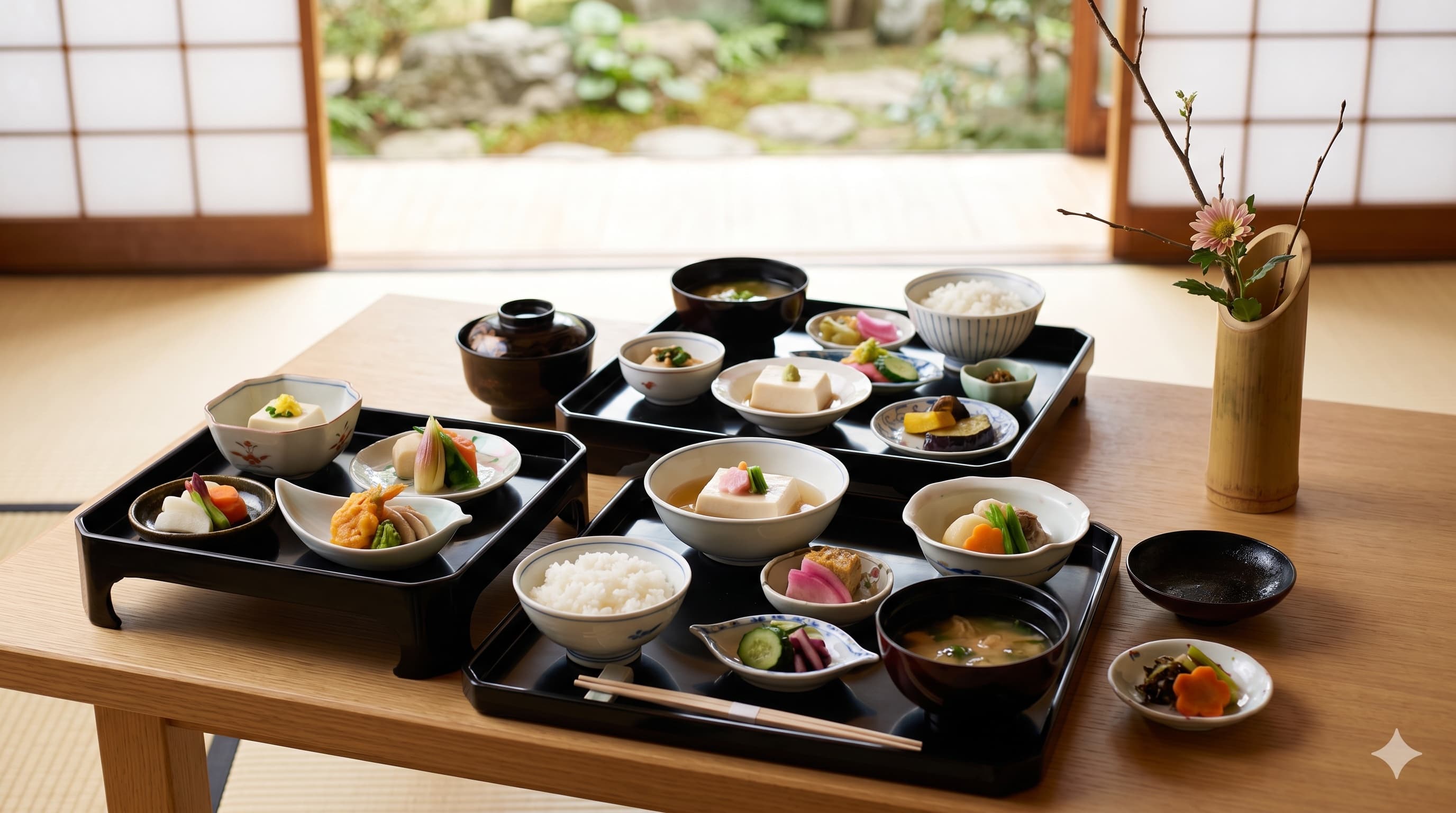
The Origins of Shojin Ryori
Shojin ryori (精進料理) — literally "devotion cuisine" — is Japan's Buddhist vegetarian culinary tradition, with roots stretching back over 800 years. The practice originated in Chinese Chan Buddhist monasteries, where strict vegetarian cooking was essential to monastic discipline. When Chan Buddhism traveled to Japan during the Kamakura period (1185-1333), it brought these culinary principles along, where they were refined into the highly codified cuisine we know today.
The monk Dogen, founder of the Soto Zen school, wrote the Tenzo Kyokun (Instructions for the Cook) in 1237 — one of the earliest texts anywhere to treat cooking as a serious spiritual practice. He elevated the monastery cook (tenzo) to one of the most important positions in the temple, establishing that preparing food with full attention is itself enlightenment.
Core Principles of Shojin Ryori
The Three Virtues (San Toku)
Every shojin meal aspires to three qualities: lightness and softness (which support meditation), cleanliness and freshness (which purify body and mind), and precision and care (which express respect for ingredients and eaters alike).
Five Methods of Cooking (Go Ho)
Shojin ryori employs five cooking techniques in each meal: raw (nama), simmered (niru), grilled (yaku), fried (ageru), and steamed (musu). This variety ensures textural interest and nutritional completeness within the constraints of plant-based ingredients.
Five Flavors (Go Mi)
Each meal balances five tastes: sweet, sour, salty, bitter, and umami (or sometimes "delicate/plain"). This framework predates the scientific identification of umami by centuries — Japanese monks understood intuitively that kombu and shiitake provided a savory depth essential to satisfying plant-based cuisine.
Five Colors (Go Shiki)
Like Korean obangsaek, shojin ryori incorporates five colors in each meal: white, black, red, yellow, and green. This principle ensures both visual beauty and nutritional diversity. A single shojin tray might include white tofu, black sesame, red pickled plum, yellow pumpkin, and green shiso leaf.
Key Ingredients of Shojin Ryori
Tofu (豆腐) in All Forms
Tofu is the cornerstone of shojin cuisine, used in dozens of preparations: silken tofu served chilled with ginger (hiyayakko), grilled tofu brushed with miso (dengaku), deep-fried tofu in broth (agedashi), freeze-dried tofu reconstituted in dashi (koya-dofu), and the delicate skin formed on heated soy milk (yuba). Each form offers distinct texture and absorbs flavors differently.
Yuba (湯葉) — Soy Milk Skin
Perhaps the most refined soy product, yuba is the thin film carefully lifted from the surface of gently heated soy milk. Its silky texture and subtle sweetness make it a prized ingredient in shojin cuisine — served fresh as sashimi, dried and reconstituted in broth, or wrapped around vegetables.
Fu (麩) — Wheat Gluten
Fu comes in many forms: raw nama-fu that is soft and mochi-like, dried yaki-fu that absorbs broth beautifully, and decorative fu in seasonal shapes and colors. It provides protein and a uniquely satisfying chewy texture unavailable from other plant ingredients.
Konnyaku (蒟蒻) — Konjac
This gelatinous block made from konjac root is nearly calorie-free yet provides firm, bouncy texture to stews and stir-fries. Shirataki noodles are made from the same ingredient. Its neutral flavor absorbs surrounding seasonings completely.
Mountain Vegetables (Sansai, 山菜)
Wild mountain vegetables — fiddlehead ferns (warabi), bamboo shoots (takenoko), butterbur (fuki), and wild udo — feature prominently in shojin cooking, connecting the cuisine to specific seasons and places. Their complex, slightly bitter flavors add sophistication impossible to achieve with cultivated vegetables alone.
Structure of a Shojin Meal
A formal shojin meal follows a precise structure called ichi-ju san-sai (one soup, three dishes) or its more elaborate variants. A typical kaiseki-style shojin arrangement includes:
- Rice (gohan): Plain white rice, served last or alongside
- Soup (shiru): Clear or miso-based, with seasonal garnish
- Simmered dish (nimono): Vegetables gently cooked in dashi
- Grilled dish (yakimono): Often miso-glazed tofu or grilled vegetables
- Fried dish (agemono): Tempura vegetables in light batter
- Dressed dish (aemono): Vegetables with sesame or tofu-based sauce
- Pickles (tsukemono): Seasonal pickled vegetables
Famous Shojin Restaurants
Kyoto, with its concentration of Zen temples, is the heartland of shojin ryori. Legendary restaurants include Shigetsu at Tenryuji temple, Izusen at Daitokuji, and Ajiro near Myoshinji. In Kamakura, Hachinoki serves shojin cuisine near the great Buddha. Tokyo's Daigo holds two Michelin stars for its refined approach to the tradition. Mount Koya (Koyasan), headquarters of Shingon Buddhism, offers shojin meals at over 50 temple lodgings (shukubo) where guests sleep and eat within monastery walls.
Shojin Ryori vs. General Japanese Vegan Food
It is important to distinguish shojin ryori from broader Japanese vegan cooking. Shojin ryori follows strict rules: no meat, fish, eggs, dairy, and no five pungent vegetables (garlic, onion, scallion, chives, leek) — identical restrictions to Korean temple food. General Japanese vegan food may use garlic and onion freely. Shojin ryori is also deeply connected to seasonality, ritual, and mindfulness in ways that casual vegan cooking is not. It is a spiritual practice expressed through cuisine, not merely a dietary preference.
Lessons for Modern Plant-Based Cooks
Shojin ryori teaches that limitation breeds creativity. With a restricted ingredient palette, monks developed extraordinary techniques for extracting maximum flavor and texture from plants. The cuisine proves that plant-based food need not apologize or imitate meat — it can stand as a complete, refined, deeply satisfying culinary tradition in its own right. For anyone exploring plant-based cooking, studying shojin ryori offers timeless principles: respect ingredients, honor seasons, balance flavors, and bring full attention to every step of preparation.