Why Go Vegan? The Science-Backed Health Benefits of Plant-Based Eating
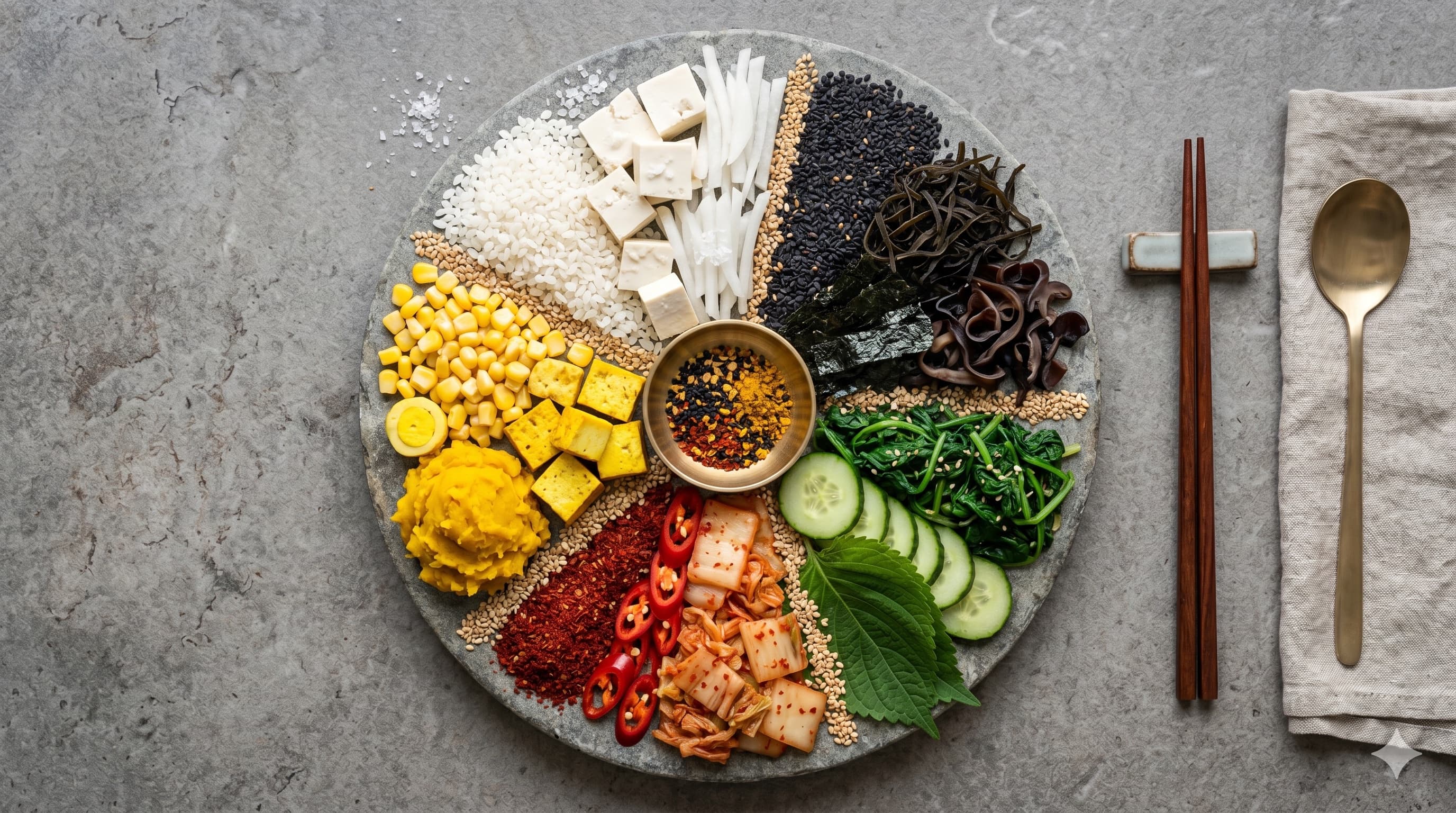
The Growing Evidence for Plant-Based Eating
Over the past two decades, an avalanche of peer-reviewed research has confirmed what traditional cultures — including Korean Buddhist monastics — have practiced for centuries: a well-planned plant-based diet is one of the most powerful interventions available for human health. The evidence spans cardiovascular health, cancer prevention, metabolic function, gut health, and even longevity itself.
Heart Disease: The Leading Killer, Largely Preventable
Cardiovascular disease remains the world's number one cause of death, yet research consistently shows that plant-based diets dramatically reduce risk. A landmark 2019 study in the Journal of the American Heart Association found that plant-based diets were associated with a 16% lower risk of cardiovascular disease and a 31% lower risk of dying from cardiovascular causes. The mechanisms are well understood: plant foods are naturally low in saturated fat and cholesterol while being rich in fiber, antioxidants, and phytochemicals that protect arterial health.
Korean temple food exemplifies this heart-protective pattern — meals center on vegetables, legumes, whole grains, and fermented soybean products, with fats coming primarily from sesame and perilla oils rich in unsaturated fatty acids.
Cancer Risk Reduction
The World Health Organization classifies processed meat as a Group 1 carcinogen and red meat as Group 2A (probably carcinogenic). Conversely, diets high in fruits, vegetables, and fiber are consistently associated with lower rates of colorectal, breast, prostate, and stomach cancers. The protective compounds in plant foods — sulforaphane in cruciferous vegetables, lycopene in tomatoes, isoflavones in soybeans — work through multiple mechanisms to suppress tumor growth and support healthy cell function.
Fermented soybean products like doenjang, a cornerstone of Korean cuisine, have shown particularly promising anti-cancer properties in laboratory and epidemiological studies.
Gut Health and the Microbiome
The human gut microbiome thrives on dietary fiber — a nutrient found exclusively in plant foods. Plant-based eaters consistently show greater microbial diversity, higher populations of beneficial bacteria, and lower levels of inflammatory markers compared to omnivores. Korean cuisine's emphasis on fermented vegetables (kimchi), fermented pastes, and diverse plant fibers creates an ideal environment for gut health.
A healthy gut microbiome is increasingly linked to benefits far beyond digestion — improved mood, stronger immunity, better metabolic health, and even cognitive function.
Weight Management Without Restriction
Population studies consistently find that vegans have lower BMIs than omnivores, flexitarians, and even vegetarians. Importantly, this occurs without caloric restriction — plant foods are naturally less calorie-dense while being more satiating due to their high fiber and water content. A 2015 meta-analysis of 12 randomized controlled trials found that participants assigned to vegetarian diets lost significantly more weight than those on comparison diets.
Longevity: What Korean Buddhist Monks Teach Us
Korean Buddhist monks and nuns who follow strict plant-based diets throughout their lives offer a remarkable natural experiment in longevity. Studies of Korean monastic populations have found lower rates of chronic disease and metabolic syndrome compared to the general population. Monks in their 80s and 90s remain physically active, mentally sharp, and free of many diseases considered "normal" in aging.
This mirrors findings from other long-lived populations worldwide. The Blue Zones — regions with the highest concentration of centenarians — all share a predominantly plant-based dietary pattern. Whether in Okinawa, Sardinia, or Korean mountain monasteries, the longest-lived people eat mostly plants.
Beyond Individual Nutrients
Modern nutritional science increasingly recognizes that the benefits of plant-based eating cannot be reduced to individual nutrients or supplements. It is the pattern of eating — the synergy of whole foods, fiber, phytochemicals, and the absence of harmful compounds — that produces health outcomes. This aligns perfectly with the Korean traditional medicine principle recorded in the Donguibogam: that food works as a complete system, not as isolated components.
Getting Started Safely
A well-planned vegan diet is nutritionally adequate for all life stages, according to the Academy of Nutrition and Dietetics. Key considerations include ensuring adequate vitamin B12 (through supplementation or fortified foods), omega-3 fatty acids (from walnuts, flaxseeds, perilla seeds, or algae supplements), iron (from legumes and leafy greens paired with vitamin C), and vitamin D (through sunlight exposure or supplementation). Korean cuisine naturally provides many of these nutrients through its emphasis on seeds, fermented foods, sea vegetables, and diverse greens.