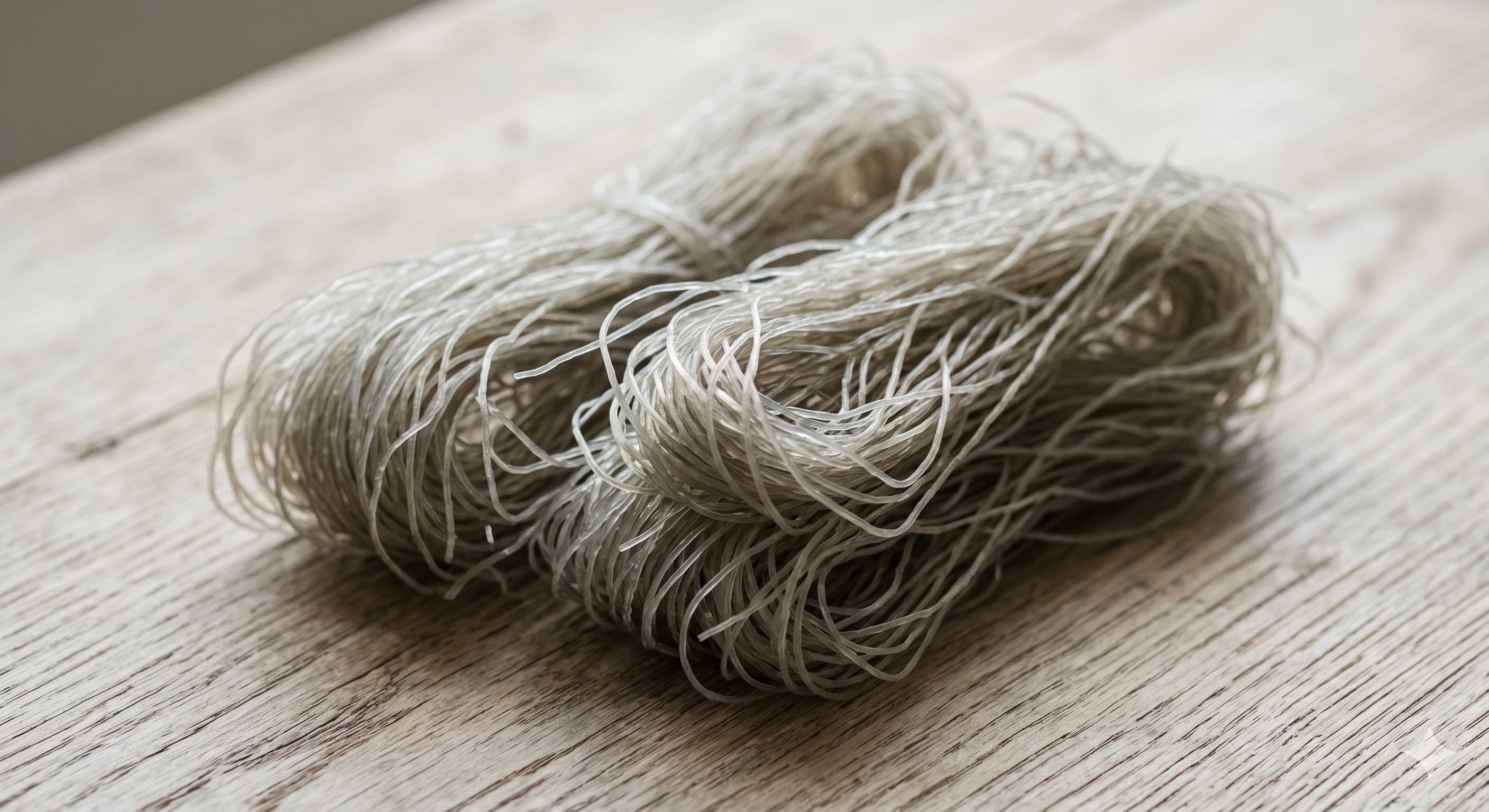
Glass Noodles (Sweet Potato Starch)
Ipomoea batatas (starch noodle)
Korean dangmyeon (glass noodles) are made from sweet potato starch, giving them their characteristic thick, chewy texture distinct from Chinese mung bean or Vietnamese rice noodles. Japchae, the beloved glass noodle dish, was originally a royal court dish created for King Gwanghaegun in the early 17th century — though the original version used vegetables without noodles. Sweet potato starch noodles were added later, eventually becoming the dish's defining element. The bouncy, springy texture of properly cooked dangmyeon is a hallmark of Korean cuisine's emphasis on textural pleasure (식감).
Traditional Medicine
Source: Donguibogam (동의보감)
Nature (性)
Neutral (平)Flavor (味)
sweet
Target Organs (歸經)
Spleen (脾), stomach
Benefits
- energy
Supplements the spleen and stomach, provides energy
비위를 보하고 기운을 돋운다
Source: 동의보감 [탕액편] — sweet potato starch properties
- digestion
Easy to digest without burdening the stomach
소화하기 쉽고 비위에 부담이 없다
Source: 동의보감 [탕액편]
Key Compounds
This information is based on traditional Korean medicine texts (Donguibogam) and is for cultural reference only. It does not constitute medical advice.
Seasonal Availability
Available year-round as a dried pantry staple. Korean dangmyeon is distinctively thicker and chewier than Chinese or Vietnamese glass noodles.
Processing Methods (법제)
Boiling hydrates the starch; cold water rinse stops cooking and prevents sticking. Toss with sesame oil immediately after draining.
Consumption Tips by Health Goal
Energy
Cook until translucent and chewy, then dress with sesame oil and soy sauce. The resistant starch provides sustained energy release.
Culinary Profile
Flavor
Neutral, mildly sweet; excellent at absorbing surrounding sauce flavors; the appeal is texture rather than taste
Texture
Distinctively chewy, bouncy, and slippery; translucent when cooked; Korean dangmyeon is thicker than other Asian glass noodles
Common Uses
Western Substitutes
Related Recipes
Braised Soy Protein with Vegetables
콩살로만찜
Easy | 40 min
Vegan Kimchi Mandu (Dumplings)
비건 김치만두
Medium | 60 min
Zucchini Vegetable Dumplings
애호박 만두
Medium | 120 min
Glass Noodle Stir-fry
잡채
Medium | 35 min
Royal Court Japchae
궁중 잡채
Hard | 60 min
Spicy Bibim Glass Noodles
비빔당면
Easy | 80 min
Spicy Soybean Sprout Japchae
매운콩나물잡채
Easy | 80 min
Green Pepper Glass Noodle Stir-Fry
피망 당면 볶음
Medium | 0 min
Korean-Style Cilantro Glass Noodle Salad
고수 한국풍 잡채 샐러드
Medium | 0 min