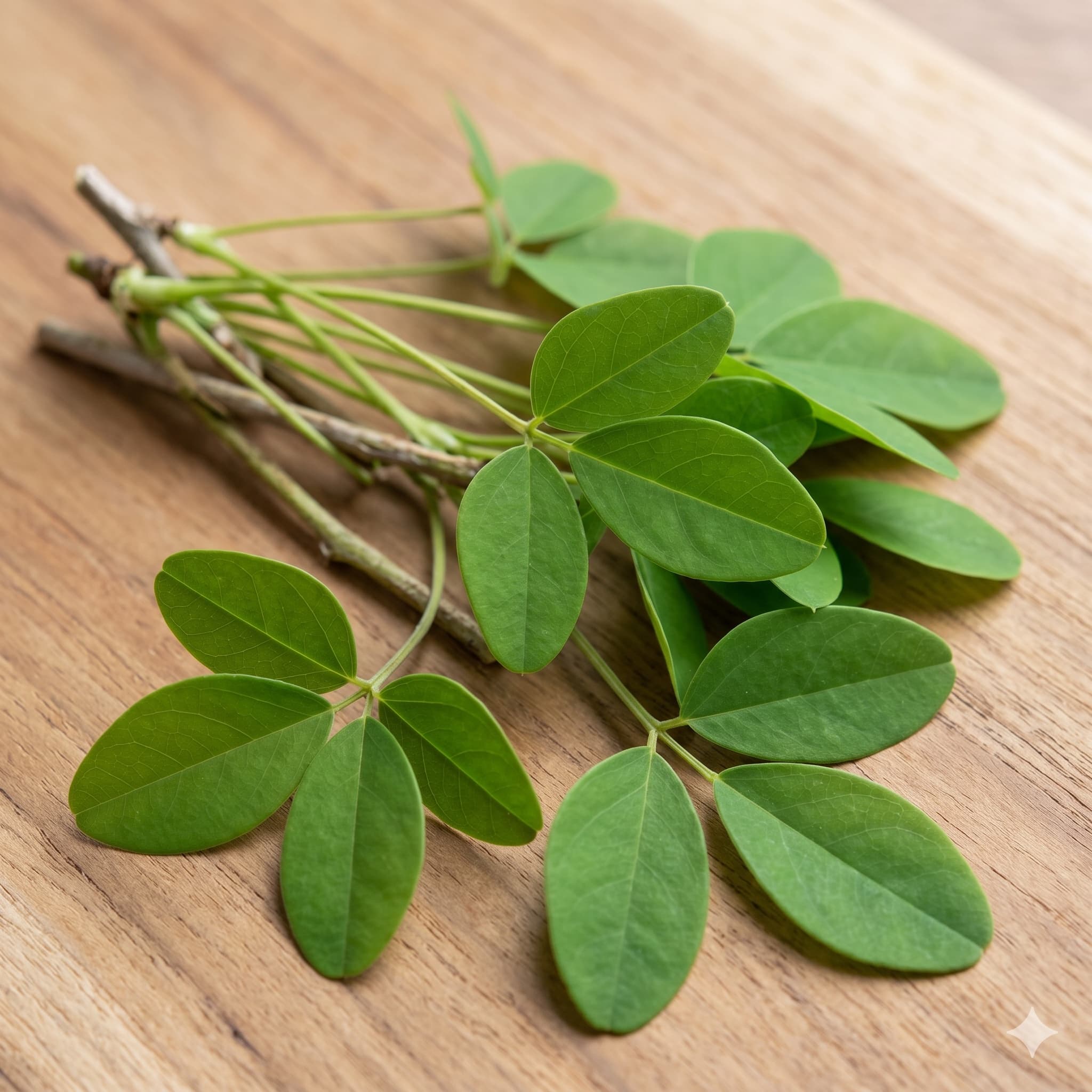
Glasswort (Sebalnamul)
Salicornia europaea
Sebalnamul gets its name from its appearance: se means thin or three, and bal means legs or branches — describing how each tiny plant branches into three delicate, finger-like stems. This glasswort grows naturally on the tidal flats along Korea's western and southern coasts. For coastal communities, sebalnamul was a free, abundant spring green gathered by hand from salt marshes during low tide. Its natural saltiness meant that no seasoning salt was needed. The same plant is known as samphire in British cuisine and sea beans in American coastal cooking, making it one of the few Korean ingredients with direct Western equivalents.
New to Glasswort (Sebalnamul)?
Is this edible?
Yes! And you may already know it by another name — sea beans or samphire. It's the same plant (Salicornia) that's trendy in Western fine dining.
What does it taste like?
Imagine a tiny, crunchy vegetable that tastes naturally salty — like it absorbed the ocean. Crisp, clean, and briny.
Where to buy
In the US, look for sea beans or samphire at Whole Foods, specialty grocers, or coastal farmers' markets. At Korean groceries, look for sebalnamul.
How to prepare
The easiest Korean vegetable to prep: just wash and eat raw! For Korean-style muchim: toss with a little vinegar, sesame oil, and minced garlic. No salt needed.
Pro tip: Sebalnamul is naturally so salty that it can replace salt in dishes. Try chopping it finely and mixing into rice or tofu dishes for a natural, mineral-rich salt boost.
Traditional Medicine
Source: Korean folk medicine tradition
Nature (性)
Cool (涼)Flavor (味)
salty
Target Organs (歸經)
Kidney (腎), Liver (肝)
Benefits
- mineral balance
Rich in natural minerals, helps balance the body's electrolytes — its natural saltiness provides minerals in a more bioavailable form than table salt
천연 미네랄이 풍부하여 체내 전해질 균형을 잡아준다
Source: Korean folk medicine tradition
- detox
Purifies the blood and aids elimination of heavy metals
혈액을 정화하고 체내 중금속 배출을 돕는다
Source: Korean folk medicine tradition
Key Compounds
This information is based on traditional Korean medicine texts (Donguibogam) and is for cultural reference only. It does not constitute medical advice.
Seasonal Availability
Harvested from coastal salt flats in spring and early summer (April-July). Young spring shoots are most tender and least salty.
Complementary Ingredients (궁합 재료)
Processing Methods (법제)
Sebalnamul is best enjoyed raw to preserve its unique crunchy, succulent texture and natural saltiness.
A 5-10 second blanch slightly softens the stems and reduces saltiness if too intense. Do not over-blanch.
Consumption Tips by Health Goal
Mineral supplementation
Eat raw sebalnamul as a banchan or snack. Its natural mineral content is absorbed more efficiently than synthetic mineral supplements.
Blood purification
Include sebalnamul regularly in your diet during spring and summer. The combination of minerals and saponins supports natural detox processes.
Culinary Profile
Flavor
Naturally and pleasantly salty with a crisp, sea-fresh brightness — like eating a tiny, crunchy piece of the ocean. A clean, mineral salinity without any fishiness
Texture
Distinctively crunchy and succulent — each tiny branch snaps cleanly between the teeth, releasing a burst of salty juice
Common Uses
Western Substitutes