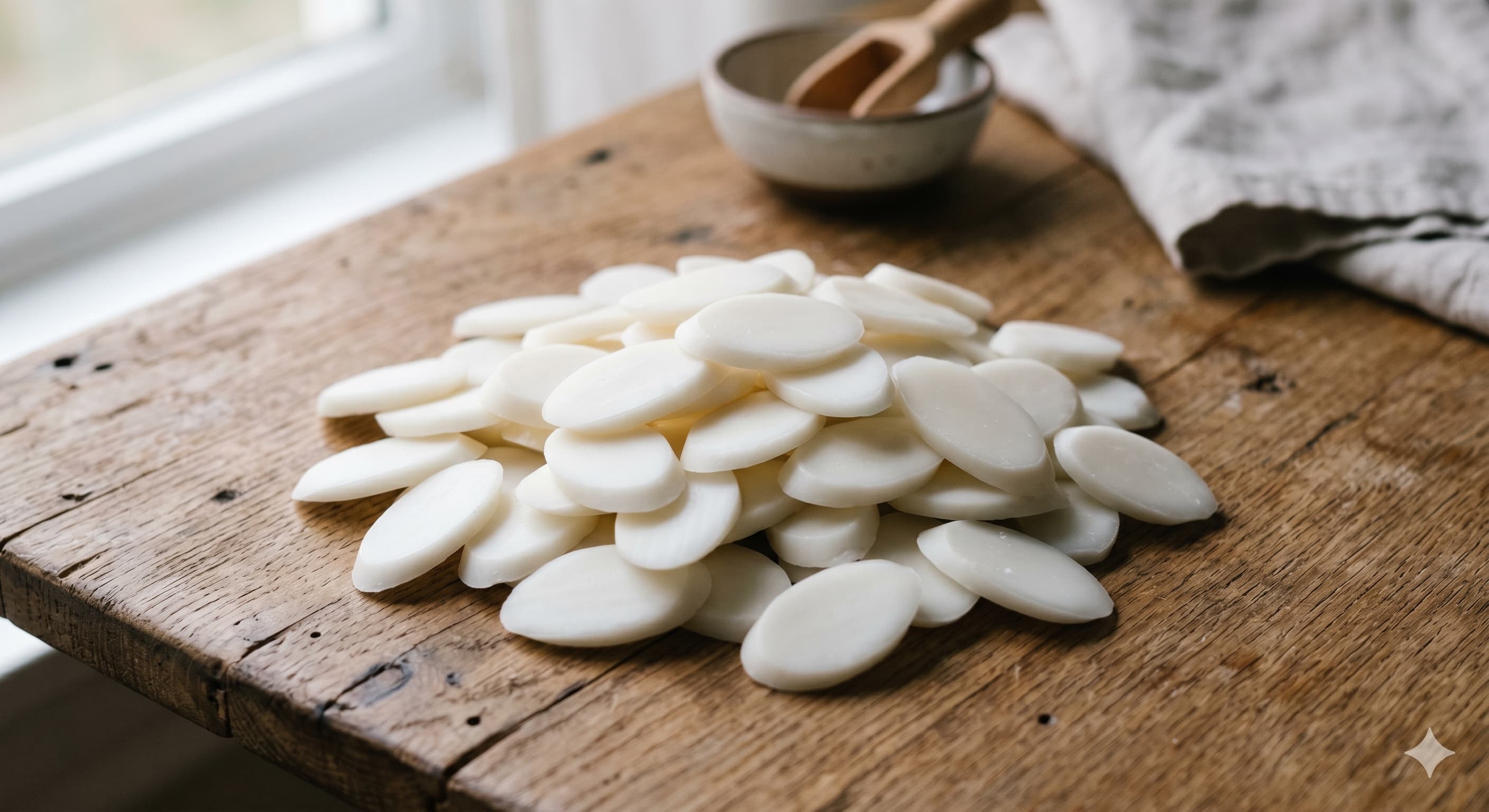
Sliced Rice Cakes
Oryza sativa (processed)
Sliced rice cakes (tteokguktteok) are the essential ingredient of tteokguk, the soup eaten on Lunar New Year morning (Seollal) throughout Korea. The Donguibogam classifies rice — from which these cakes are made — as neutral in nature and sweet in flavor, tonifying the spleen and stomach. The tradition of eating tteokguk on New Year's Day dates back centuries, and the act of eating it symbolically adds one year to your age — hence the Korean expression 'Have you eaten your tteokguk?' as a way of asking someone's age. The oval coin-like shape of the sliced rice cakes represents wishes for prosperity in the new year. Making tteok from freshly harvested rice was historically a communal activity, and the chewy, dense texture of properly made tteokguktteok is a textural experience central to Korean food culture.
Traditional Medicine
Source: Donguibogam
Nature (性)
Neutral (平)Flavor (味)
sweet
Target Organs (歸經)
Spleen (脾), stomach
Benefits
- digestion
Nourishes the spleen and stomach, replenishes energy
비위를 보하고 기운을 더한다
Source: Donguibogam
Key Compounds
This information is based on traditional Korean medicine texts (Donguibogam) and is for cultural reference only. It does not constitute medical advice.
Seasonal Availability
Essential for Lunar New Year celebrations.
Culinary Profile
Flavor
Mild, neutral, slightly sweet
Texture
Soft and chewy when cooked in soup
Common Uses
Western Substitutes